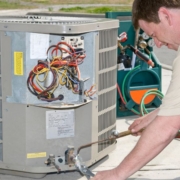
How to Test AC Capacitor

How to Test AC Capacitor

An air conditioning (AC) capacitor is a crucial component that helps the compressor and fan motors start and run efficiently. Over time, capacitors can wear out or fail, causing the AC unit to malfunction. Testing the capacitor ensures it is functioning correctly and prevents further damage to the system.

Understanding AC Capacitors

AC capacitors store electrical energy and release it to help motors start and operate. There are two main types: the start capacitor and the run capacitor. Start capacitors provide a temporary boost to start motors, while run capacitors maintain a consistent voltage supply during operation. Capacitors are measured in microfarads (µF), and the correct rating is critical for system performance. Most residential AC units use 5 to 50 µF capacitors.

A faulty capacitor can cause the compressor or fan motor to fail, the unit to make humming noises, or the system to not start at all. Testing the capacitor periodically is part of regular AC maintenance.

Tools Needed for Testing

Testing an AC capacitor requires basic tools. A multimeter with a capacitance setting is essential. A screwdriver or insulated tool may be needed to discharge the capacitor safely before testing. Protective gloves and safety glasses are recommended due to the risk of electric shock.

Step-by-Step Testing Process

  1. Turn Off Power
    Ensure the AC unit is completely powered off. Switch off the breaker at the electrical panel to prevent accidental shock.
  2. Discharge the Capacitor
    Capacitors store electrical energy even when the power is off. Use an insulated screwdriver to bridge the terminals and safely discharge the stored charge. Touch only the insulated portion of the tool to avoid injury.
  3. Disconnect the Capacitor
    Carefully remove the wires connected to the capacitor terminals. Note the terminal configuration to reconnect them correctly after testing.
  4. Set the Multimeter
    Switch the multimeter to the capacitance measurement mode. If the meter does not have a capacitance setting, a standard multimeter can measure resistance, but capacitance testing is more accurate with a meter designed for it.
  5. Measure Capacitance
    Place the multimeter probes on the capacitor terminals. The reading should be within 6% of the rated microfarad value printed on the capacitor. For example, a 25 µF capacitor should measure between 23.5 and 26.5 µF. Significant deviation indicates a failing capacitor.
  6. Check for Physical Signs
    Inspect the capacitor for bulging, leaking, or corrosion. Any physical damage is a clear sign that replacement is necessary, regardless of multimeter readings.
  7. Reconnect or Replace
    If the capacitor tests within the acceptable range and shows no physical damage, reconnect the wires. If it fails, replace it with a capacitor of the same microfarad rating and voltage rating.

Safety Precautions

Testing an AC capacitor involves electrical hazards. Always ensure the power is off, and the capacitor is discharged before handling. Use insulated tools and wear safety equipment. Avoid touching the terminals directly.

FAQ

How often should AC capacitors be tested?
Capacitors should be checked during routine maintenance, usually once a year, or when the AC exhibits starting or performance issues.

Can a bad capacitor damage the AC unit?
Yes, a failing capacitor can prevent the compressor or fan motor from starting or running properly, potentially causing further damage.

What is the typical lifespan of an AC capacitor?
AC capacitors generally last between 10 and 20 years, depending on usage, voltage fluctuations, and environmental conditions.

Can I test a capacitor without a multimeter?
While a basic resistance test can indicate some faults, accurate capacitance measurement requires a multimeter with a capacitance setting.

Is it safe to replace a capacitor myself?
Replacement can be done safely if power is off and the capacitor is discharged. However, consulting a professional is recommended for inexperienced users.

Conclusion

Testing an AC capacitor is essential to ensure efficient operation of the compressor and fan motors. Capacitors are measured in microfarads, and readings outside the acceptable range indicate the need for replacement. Safety is paramount, including turning off power and discharging stored electricity. Regular testing prevents system failure, extends the AC unit’s lifespan, and ensures reliable cooling. Proper maintenance and timely capacitor replacement maintain optimal performance and reduce energy consumption.
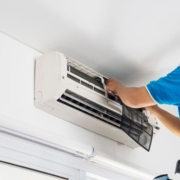
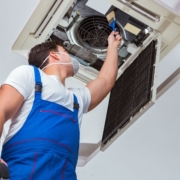
AC Running Constantly Does Not Shut Off When Set Temperature Is Reached

AC Running Constantly Does Not Shut Off When Set Temperature Is Reached

An air conditioning system is designed to maintain indoor comfort by regulating temperature and humidity. Ideally, the AC should cycle on and off to maintain the temperature set on the thermostat. When an AC runs constantly without shutting off even after reaching the desired temperature, it indicates an issue within the system. Continuous operation not only increases energy consumption but can also lead to wear and potential damage to components.

Causes of AC Running Constantly

One common reason for an AC not shutting off is a malfunctioning thermostat. The thermostat is responsible for sensing the indoor temperature and signaling the compressor to turn on or off. If the thermostat is inaccurately reading the room temperature or has a faulty sensor, it may fail to detect that the set temperature has been reached, causing the AC to run continuously.

Another factor is a dirty or clogged air filter. Restricted airflow reduces the AC’s efficiency and prevents proper heat exchange. When air cannot circulate effectively, the system struggles to cool the space, which may lead the compressor to operate continuously in an attempt to reach the set temperature.

Refrigerant issues also play a role. Low refrigerant levels or leaks can reduce the cooling capacity of the system. Without sufficient refrigerant, the AC cannot remove heat from the indoor air efficiently, causing the unit to run longer or constantly to attempt cooling.

Additionally, problems with the compressor or other mechanical components may result in continuous operation. A stuck relay, malfunctioning capacitor, or other electrical faults can prevent the compressor from shutting off. These issues often require professional inspection and repair to avoid further damage.

Improperly sized AC units can also contribute to this problem. An AC that is too small for the space will struggle to reach the set temperature and run continuously, while an oversized system may cycle too quickly. Correct sizing based on square footage, insulation, and climate is crucial for optimal performance.

How to Address the Issue

The first step is to check the thermostat. Ensure it is set to the correct mode, such as cooling mode, and verify that the temperature is accurately set. Cleaning or replacing the thermostat sensor may resolve issues related to incorrect readings. In some cases, upgrading to a programmable or smart thermostat can improve system efficiency.

Inspecting and replacing dirty air filters is another critical step. Filters should be checked at least every three months and replaced if they appear clogged. Clean filters allow proper airflow, improve cooling efficiency, and help the AC cycle normally.

Checking refrigerant levels is essential if the system is not cooling effectively. Low refrigerant requires professional service, as handling refrigerants involves specific safety standards and environmental regulations. Certified technicians can locate leaks, repair them, and recharge the system to optimal levels.

For mechanical or electrical issues, such as a stuck compressor relay or faulty capacitor, professional intervention is necessary. Attempting to repair these components without proper knowledge can result in injury or permanent damage to the AC unit.

Proper maintenance and regular inspection of the entire HVAC system, including ductwork, electrical connections, and outdoor condenser coils, help prevent constant operation. Efficient heat exchange, clean components, and accurate temperature sensing ensure that the AC cycles correctly.

FAQ

Why does my AC run all the time even when it’s cold?
This usually indicates a thermostat malfunction, airflow restriction, or low refrigerant levels. The system is trying to reach the set temperature but cannot detect it properly or cannot cool effectively.

Can a dirty air filter cause the AC to run continuously?
Yes, a clogged air filter restricts airflow and reduces cooling efficiency, which can cause the compressor to operate without shutting off.

Is it safe to let the AC run constantly?
Continuous operation increases energy consumption and can lead to wear on the compressor, fan motors, and other components. It is not recommended.

How can I tell if refrigerant is low?
Signs of low refrigerant include weak airflow, warmer-than-usual air from vents, ice buildup on the evaporator coil, and continuous compressor operation. Professional evaluation is required to measure and recharge refrigerant safely.

Can a thermostat fix the problem?
Replacing or recalibrating a faulty thermostat can resolve issues where the AC does not shut off, especially if it is inaccurately sensing the indoor temperature.

Conclusion

An AC running constantly without shutting off when the set temperature is reached can result from several factors, including thermostat malfunctions, airflow restrictions, low refrigerant, mechanical failures, or improper system sizing. Identifying the underlying cause is crucial to restore proper operation, reduce energy consumption, and prevent damage to the unit. Regular maintenance, including checking filters, inspecting components, and monitoring refrigerant levels, ensures efficient AC performance. In many cases, professional service is required to address electrical or refrigerant-related issues safely and effectively. Ensuring that the AC cycles correctly improves comfort, energy efficiency, and system longevity.

How to Reset AC Compressor

How to Reset AC Compressor

An air conditioning (AC) compressor is a key component that circulates refrigerant through the system. If the compressor stops working, the AC will not cool properly. Resetting the AC compressor can resolve minor issues caused by electrical overloads, tripped circuits, or overheating. Understanding how to safely reset the unit is important for maintaining the efficiency and longevity of the system.

Steps to Reset an AC Compressor

The first step is to turn off the power supply to the AC unit. This can be done by switching off the circuit breaker or disconnecting the main power source. Ensuring that the unit is completely off prevents electrical shock or damage to the system during the reset process.

Next, locate the compressor reset button on the unit. Many AC compressors have a small red or black button, often found on the side or near the service panel. Consult the manufacturer’s manual if the location is unclear. Press the reset button firmly and hold it for approximately 30 seconds. This allows the internal overload protector to reset and clear any temporary faults.

After pressing the button, wait at least five minutes before restoring power. This waiting period ensures that the compressor has cooled down completely. Once the time has passed, turn the circuit breaker or power switch back on. The AC system should resume normal operation if the reset was successful.

In some cases, resetting the compressor may not resolve the issue. Persistent problems may be caused by low refrigerant levels, damaged electrical components, or a faulty compressor. If the AC fails to operate correctly after a reset, professional service is recommended. Certified technicians can perform detailed diagnostics, check refrigerant pressure, and replace any defective parts safely.

Safety Precautions

Resetting an AC compressor involves working with electrical components. Always wear insulated gloves and avoid touching exposed wiring. Ensure that all tools are dry and in good condition. Avoid attempting repairs if you are unfamiliar with electrical systems, as this can result in injury or damage to the AC unit.

It is also important to avoid repeated resets in a short period. Frequent tripping of the compressor indicates an underlying issue that must be addressed. Continuous resetting without identifying the root cause can lead to permanent damage to the compressor or the AC system.

FAQ

How often should an AC compressor be reset?
An AC compressor should only be reset when necessary, such as after an electrical overload or when the unit has overheated. Frequent resets suggest mechanical or electrical issues that require professional attention.

Can I reset the compressor without turning off the power?
No, always turn off the power before attempting a reset. Working on a live AC unit is dangerous and can cause electrical shock or further damage.

What if the reset button is not visible?
Some compressors do not have an accessible reset button. In these cases, turning the AC off for at least 10 minutes can allow the internal overload protector to reset automatically. Consult the user manual for specific instructions.

Will resetting the compressor fix low refrigerant?
No, a reset will not solve issues related to refrigerant levels. Low refrigerant can prevent the AC from cooling effectively and may damage the compressor over time. A certified technician should inspect and recharge the system if needed.

Is it safe to reset the compressor multiple times?
Repeated resets can strain the electrical components and may indicate a more serious problem. If the compressor trips frequently, a professional assessment is recommended to prevent permanent damage.

Conclusion

Resetting an AC compressor is a useful troubleshooting step when the unit stops working due to electrical overloads or temporary faults. The process involves turning off the power, pressing the reset button, and waiting for the system to cool before restoring electricity. Safety precautions, such as wearing insulated gloves and ensuring the power is off, are critical. While a reset can restore functionality in some cases, persistent problems often require professional inspection to address underlying mechanical or electrical issues. Regular maintenance and monitoring of refrigerant levels, electrical connections, and system performance can reduce the likelihood of compressor failures and extend the life of the AC unit.

Why Does My AC Smell

Why Does My AC Smell

A foul or unusual odor from an air conditioning (AC) unit is a common concern for homeowners. Understanding the sources and causes of AC smells is important for maintaining indoor air quality and ensuring the system functions efficiently. AC odors can range from musty or moldy to chemical or burning smells, each indicating a different issue within the system.

Common Causes of AC Smells

One of the most frequent causes of a bad odor from an AC unit is mold and mildew growth. Moisture collects in the evaporator coil, drip pan, and air ducts over time. When warm air passes through these damp areas, mold spores spread throughout the home, creating a musty smell. High humidity and infrequent filter changes can worsen the problem.

Clogged or dirty air filters also contribute to unpleasant odors. Filters trap dust, pollen, and debris, which can decompose and emit a foul scent if not replaced regularly. AC systems typically require filter changes every 30 to 90 days, depending on usage and air quality conditions.

Another cause is a dirty or blocked condensate drain line. The drain line removes water condensed from indoor air. If it becomes clogged, stagnant water accumulates, promoting bacterial and fungal growth. This often produces a sour or musty odor when the AC runs.

Electrical issues can generate burning smells. Faulty wiring, overheated motors, or failing components can create a distinctive odor similar to burning plastic. These issues require immediate attention to prevent fire hazards and costly repairs.

Gas or chemical odors may indicate refrigerant leaks. Refrigerants, such as R-410A or R-22, have a slight chemical smell when escaping from the system. Low refrigerant levels can also reduce cooling efficiency and strain the compressor, potentially causing further damage.

Dead animals in the ductwork or near the unit can produce strong, unpleasant odors. Rodents, birds, or insects sometimes enter the AC system and decompose, creating a noticeable smell. This requires removal of the animal and sanitizing the affected area to restore air quality.

Preventive Measures

Regular maintenance is key to preventing odors. Cleaning or replacing air filters every 30 to 90 days keeps airflow clear and reduces dust accumulation. Cleaning the evaporator coil and condensate drain line removes trapped moisture, inhibiting mold growth. Professional AC inspections once or twice a year can detect early issues with wiring, refrigerant levels, or duct contamination.

Maintaining proper humidity levels indoors also reduces the likelihood of mold-related odors. Using a dehumidifier or ensuring the AC unit has adequate drainage helps control moisture. Ensuring vents and ducts are sealed prevents outdoor debris and pests from entering the system.

Identifying the Type of Odor

Musty or moldy odors often indicate microbial growth within the system. Sour smells usually point to stagnant water in the condensate drain. Burning odors typically signal electrical problems or overheating components. Chemical or refrigerant odors may indicate a leak. Foul smells from decaying matter suggest animals or pests are present in the ducts. Identifying the specific type of smell can guide appropriate troubleshooting and repair actions.

FAQ

Why does my AC smell when I first turn it on?
When AC units remain off for extended periods, dust and moisture accumulate. Initial operation can release trapped odors.

How can I remove mold smell from my AC?
Cleaning the evaporator coil, drip pan, and air ducts, along with changing air filters, reduces mold-related odors. Professional cleaning may be necessary for severe cases.

Can electrical issues cause AC smells?
Yes, overheating motors, faulty wiring, or burned components can produce burning odors, requiring immediate attention.

Is a refrigerant leak dangerous?
Yes, leaking refrigerants reduce cooling efficiency and may pose health risks if inhaled. Certified technicians should handle leaks.

How often should I clean my AC to prevent odors?
Filters should be replaced every 30 to 90 days. Condensate lines, coils, and ducts should be inspected and cleaned annually.

Conclusion

AC odors can indicate a range of issues, including mold, clogged filters, electrical problems, refrigerant leaks, or pests. Identifying the source of the smell is critical to restoring proper function and maintaining indoor air quality. Regular maintenance, timely filter replacement, and professional inspections help prevent most odor problems. Addressing electrical or refrigerant issues promptly ensures safety and preserves the efficiency of the AC system. Understanding the causes and solutions for AC odors allows homeowners to maintain a clean, safe, and comfortable indoor environment.

Where to Buy Freon for Home AC Unit

Where to Buy Freon for Home AC Unit

Freon is a common refrigerant used in home air conditioning systems to transfer heat and keep indoor spaces cool. Understanding where to purchase Freon safely and legally is essential for homeowners who need to recharge or maintain their AC units.

Understanding Freon for Home AC

Freon is a brand name for several types of refrigerants, including R-22 and R-410A. R-22, also known as HCFC-22, has been phased out in many countries due to its ozone-depleting properties. Newer systems use R-410A, which is environmentally safer and compatible with modern AC units. Each refrigerant type has specific pressure and capacity requirements. Using the correct type is critical to ensure the AC unit operates efficiently and avoids damage.

Refrigerants work by absorbing heat from indoor air and releasing it outdoors. The AC compressor circulates the refrigerant through coils, allowing heat exchange. Maintaining proper refrigerant levels is important because low levels can reduce cooling efficiency, increase energy consumption, and potentially damage the compressor.

Authorized Dealers and HVAC Supply Stores

Freon and other refrigerants are typically sold through licensed HVAC supply stores. These stores require proof of certification for purchase because handling refrigerants involves environmental regulations. Technicians with EPA Section 608 certification can legally buy R-22 and R-410A refrigerants for servicing AC units. Homeowners should hire certified professionals for recharging or repairs rather than attempting to purchase refrigerant independently.

Some HVAC supply chains offer bulk refrigerants in cylinders ranging from 10 to 30 pounds. These cylinders have safety valves and pressure ratings specific to the refrigerant type. Proper handling, storage, and disposal are important due to the chemical’s high pressure and potential environmental impact.

Online Retailers and Authorized Distributors

Certain online platforms sell refrigerants through authorized distributors. These platforms often require proof of certification or professional credentials before completing the purchase. Homeowners can use online stores to locate local certified technicians who can service their AC units and provide the necessary Freon type. Online availability includes R-410A for newer AC systems, while R-22 is typically available in limited quantities due to its phase-out.

Home Improvement Stores

Large home improvement chains sometimes offer limited refrigerant products, such as R-410A recharge kits. These kits are intended for minor top-offs in small AC units and typically include instructions for safe use. However, many R-22 systems cannot be legally refilled without a certified professional. Homeowners must check the AC unit’s model and refrigerant requirements before purchasing any product from retail stores.

Retail kits generally include gauges, hoses, and valves to safely connect to the AC system. Safety precautions include wearing gloves, eye protection, and ensuring the system is not overcharged. Overcharging can lead to increased pressure, potential leaks, or compressor failure.

Safety and Legal Considerations

Refrigerants are classified as controlled substances in many countries. Unauthorized purchase or handling can result in fines or legal penalties. Environmental regulations require technicians to recover and recycle refrigerants to prevent emissions. Homeowners should never vent Freon into the atmosphere. Proper recycling involves recovery machines and certified containers.

Handling refrigerants also involves physical safety risks. Direct contact with the liquid or vapor can cause frostbite, eye damage, or respiratory issues. Certified technicians are trained to manage these risks and follow safe practices for charging and leak detection.

FAQ

Can I buy Freon for my home AC without certification?
No, most refrigerants, including R-22 and R-410A, require certified technicians for legal purchase and handling.

Where can I find R-410A refrigerant?
R-410A is available through HVAC supply stores, authorized distributors, and some online retailers that verify certification.

Is R-22 still available?
R-22 is limited due to environmental phase-out regulations. It is available only to certified professionals for servicing existing systems.

Can I recharge my AC unit myself?
Homeowners should not recharge AC systems independently. Certified technicians ensure proper levels, safety, and compliance with environmental laws.

What happens if I use the wrong refrigerant type?
Using the wrong refrigerant can reduce efficiency, damage the compressor, and potentially void warranties.

Conclusion

Purchasing Freon for a home AC unit requires careful consideration of type, legal restrictions, and safety. R-410A is commonly used in modern AC systems, while R-22 is being phased out and restricted to certified technicians. Homeowners should rely on licensed HVAC professionals and authorized supply channels to obtain refrigerants safely and legally. Understanding the proper handling, storage, and application ensures the AC unit operates efficiently and reduces environmental impact. Always prioritize professional service and compliance with regulations to maintain a safe and effective cooling system.

What Does ACDC Stand For

What Does AC/DC Stand For

The terms AC and DC are fundamental in electricity and electronics, representing two different types of electrical current. Understanding these terms is essential for applications in homes, vehicles, and industrial systems.

What AC Stands For

AC stands for Alternating Current. This type of current changes direction periodically. In most households and commercial buildings, electricity is supplied as AC. The voltage in AC circuits oscillates in a sinusoidal pattern, typically switching direction 60 times per second in the United States (60 Hz) and 50 times per second in many other countries (50 Hz).

The main advantage of AC is its ability to travel long distances with minimal energy loss. Transformers can easily step up or step down the voltage, making AC suitable for power grids. Electrical appliances such as refrigerators, washing machines, and lighting systems are designed to operate on AC voltage.

AC is characterized by its voltage, frequency, and waveform. Voltage refers to the potential difference measured in volts, frequency is the number of cycles per second measured in hertz, and waveform is the shape of the voltage or current over time. Understanding these parameters is crucial for proper electrical system design and appliance compatibility.

What DC Stands For

DC stands for Direct Current. This type of current flows in one constant direction, providing a stable voltage. Batteries, solar panels, and electronic devices such as smartphones and laptops use DC electricity. Unlike AC, DC cannot be easily transformed to higher or lower voltages without specialized converters.

DC is valued for its stable voltage, which is critical in electronic circuits, computer systems, and certain industrial applications. Devices such as electric vehicles rely on DC to power motors efficiently. DC circuits are simpler in design, but transmitting DC over long distances can result in significant energy loss without advanced equipment.

Key characteristics of DC include voltage level, current stability, and polarity. Polarity indicates the positive and negative terminals, which are essential for device operation. Maintaining proper polarity is necessary to prevent damage to electronic components.

Differences Between AC and DC

The primary difference between AC and DC is the direction of current flow. AC alternates direction periodically, while DC flows consistently in a single direction. AC is generally used for power distribution in homes and industries due to its efficiency over long distances. DC is preferred for electronic devices and storage systems where stable voltage is required.

AC voltage can be stepped up or down using transformers, which makes it suitable for power grids. DC requires converters, such as inverters or rectifiers, to change voltage levels. Both AC and DC have specific applications depending on efficiency, safety, and equipment compatibility.

In practical terms, AC powers large appliances like air conditioners, heaters, and motors, while DC powers devices such as flashlights, computers, and electric cars. Understanding these differences ensures proper installation and operation of electrical systems.

FAQ

What does AC stand for?
AC stands for Alternating Current, a type of electrical current that changes direction periodically.

What does DC stand for?
DC stands for Direct Current, a type of electrical current that flows in one constant direction.

Where is AC used?
AC is used in homes, offices, and industries for powering appliances and machinery.

Where is DC used?
DC is used in batteries, electronic devices, solar panels, and electric vehicles.

Can AC be converted to DC?
Yes, AC can be converted to DC using devices called rectifiers. DC can also be converted to AC using inverters.

Why is AC preferred for power grids?
AC is preferred because it can travel long distances efficiently, and voltage levels can be adjusted with transformers.

Conclusion

AC and DC represent two fundamental types of electrical current. AC, or Alternating Current, changes direction periodically and is used mainly for power distribution in homes and industries. DC, or Direct Current, flows in one direction and is used in batteries, electronics, and certain industrial applications. Understanding the differences, characteristics, and applications of AC and DC is essential for designing and maintaining electrical systems. Both forms of current play a crucial role in modern technology, ensuring that devices operate efficiently and safely across various applications.

How to Fix AC Not Blowing Cold Air

How to Fix AC Not Blowing Cold Air

An air conditioning (AC) system that fails to blow cold air can make indoor spaces or vehicle cabins uncomfortable, especially during hot weather. Several factors can cause an AC system to underperform, including mechanical issues, refrigerant problems, and airflow restrictions. Understanding the reasons behind the malfunction and how to address them ensures the system works efficiently and maintains comfort.

Common Causes of AC Not Blowing Cold Air

One of the main causes of an AC not producing cold air is low refrigerant levels. Refrigerant, often R-134a or R-1234yf in vehicles and R-410A in residential systems, absorbs heat from the air and releases it outside. Leaks in coils, hoses, or fittings reduce refrigerant, preventing proper cooling.

Another common issue is a dirty or clogged air filter. Filters capture dust and debris, but when blocked, airflow decreases, reducing the system’s ability to cool effectively. Inadequate airflow can also cause the evaporator coil to freeze, further limiting cold air output.

Faulty compressors are a frequent mechanical cause. The compressor pressurizes the refrigerant, enabling heat exchange. If the compressor fails, the refrigerant does not circulate correctly, and the system cannot cool. Electrical issues, such as blown fuses, tripped breakers, or malfunctioning thermostats, can also prevent the AC from producing cold air.

In vehicle AC systems, problems may include blocked condenser coils, damaged fans, or issues with blend doors that control airflow through the cabin. Environmental factors like high ambient temperatures can reduce cooling efficiency, especially if the AC is not sized appropriately for the space.

Steps to Fix AC Not Blowing Cold Air

Check refrigerant levels using gauges and inspect for visible leaks in pipes, coils, and connections. Leaks require professional repair and safe refrigerant recharge. Maintaining proper refrigerant levels ensures heat transfer functions correctly.

Inspect and replace air filters if dirty. Standard residential filters should be replaced every 1 to 3 months, while vehicle cabin filters may need replacement every 12,000 to 15,000 miles. Clean coils, fans, and vents to remove dust and debris that obstruct airflow. Proper airflow maintains system efficiency and prevents coil freezing.

Test the compressor and electrical components. Ensure the compressor engages when the AC is turned on, and check fuses, relays, and circuit breakers. In vehicles, verify that the AC clutch engages, and all electrical connections are secure. Malfunctioning components often require professional replacement.

In vehicle AC systems, check the condenser for obstructions like leaves or dirt, and ensure the condenser fan operates correctly. Inspect blend doors or actuator motors to ensure cold air reaches the cabin. In extreme heat, consider using sunshades or parking in shaded areas to reduce system load.

Preventive Maintenance

Regular maintenance improves AC performance and prevents cold air issues. Clean filters and coils, check refrigerant levels, and inspect mechanical and electrical components periodically. Scheduled professional inspections for residential and vehicle AC systems can detect leaks or component wear before a failure occurs. Proper maintenance extends system life and ensures consistent cooling.

FAQ

Why is my AC blowing warm air even when on full power?
Warm air may result from low refrigerant, a frozen evaporator coil, or a malfunctioning compressor. Check refrigerant levels and airflow to identify the cause.

Can a clogged air filter cause AC to stop cooling?
Yes. A dirty air filter restricts airflow, reducing cooling efficiency and potentially freezing the evaporator coil.

How often should AC filters be replaced?
Residential filters should be replaced every 1 to 3 months, while vehicle cabin filters are recommended every 12,000 to 15,000 miles.

Is it safe to recharge AC refrigerant myself?
Recharging refrigerant requires proper equipment and handling to avoid injury or environmental harm. Professional service is recommended for accurate and safe results.

Can electrical issues cause AC to blow warm air?
Yes. Blown fuses, tripped breakers, or faulty thermostats can prevent the compressor from functioning, leading to warm air output.

Conclusion

An AC not blowing cold air is usually caused by low refrigerant, airflow restrictions, mechanical failures, or electrical problems. Checking refrigerant levels, cleaning filters and coils, inspecting compressors, and addressing electrical issues are key steps in restoring cold air output. Regular maintenance, including filter replacement, coil cleaning, and professional inspections, helps prevent future problems and ensures efficient cooling. Understanding these factors allows homeowners and vehicle owners to maintain optimal comfort and avoid costly repairs.

Does AC Waste Gas

Does AC Waste Gas

Air conditioning (AC) systems are a standard feature in modern vehicles and buildings, providing comfort by cooling indoor or cabin air. In vehicles, AC systems are powered by the engine, which consumes fuel to operate the compressor and other components. This raises the question of whether using AC wastes gas. Understanding the mechanics of vehicle AC systems and their impact on fuel efficiency is crucial for both economic and environmental considerations.

How Vehicle AC Systems Work

A vehicle’s AC system relies on a compressor that circulates refrigerant through coils and an evaporator. The compressor is typically driven by a belt connected to the engine. When the AC is on, the engine works harder to drive the compressor. This additional load increases fuel consumption because the engine must produce more power to maintain speed and performance.

The AC system includes components such as the condenser, evaporator, expansion valve, and refrigerant lines. Refrigerant absorbs heat from the cabin air at the evaporator and releases it at the condenser outside the vehicle. Fans and blowers move air over the coils to distribute cool air. Running these components simultaneously increases the energy demand from the engine.

Fuel Consumption Impact

Activating the AC in a vehicle generally increases fuel consumption by 5% to 20%, depending on factors such as engine size, vehicle type, driving conditions, and outside temperature. Smaller engines and vehicles with less powerful motors experience a higher relative fuel impact. Stop-and-go city driving increases consumption more than highway driving because the engine operates less efficiently at low speeds while powering the AC.

The AC compressor uses mechanical energy from the engine, which translates into additional fuel usage. Modern vehicles with more efficient AC systems and automatic climate control may limit fuel waste by adjusting compressor load based on cabin temperature. Older systems without efficiency controls consume more fuel for the same cooling effect.

Alternatives to Reduce Fuel Waste

There are ways to reduce fuel consumption while using the AC. Using the AC selectively rather than continuously, or using the recirculation mode, reduces the workload on the compressor. Parking in shaded areas before starting the car prevents the cabin from heating excessively, lowering AC demand. Opening windows at lower speeds instead of using AC can also save fuel, though at high speeds, open windows increase aerodynamic drag and may offset savings.

Hybrid and electric vehicles minimize fuel waste from AC because electric compressors do not rely on engine power. In these vehicles, energy comes from the battery, reducing the direct consumption of gasoline. Some vehicles also feature automatic start-stop systems that temporarily turn off the engine at idle, reducing AC-related fuel waste.

Environmental Considerations

In addition to fuel consumption, AC systems can indirectly affect emissions. Higher fuel usage increases carbon dioxide and other greenhouse gas emissions. Proper maintenance of the AC system, including checking for refrigerant leaks, cleaning filters, and ensuring compressor efficiency, helps minimize both fuel waste and environmental impact. Leaking refrigerant, such as R-134a or R-1234yf, contributes to global warming if not handled properly.

FAQ

Does AC use more gas than driving with windows open?
At low speeds, opening windows may save fuel compared to running AC. At high speeds, open windows increase drag, which can reduce fuel efficiency more than using AC.

How much gas does AC use per hour?
The exact fuel consumption varies. On average, AC can increase fuel usage by 0.2 to 0.5 gallons per hour, depending on engine size, vehicle type, and driving conditions.

Does turning off AC save gas immediately?
Yes. Turning off the AC reduces engine load instantly and improves fuel efficiency during operation.

Do hybrid cars waste gas using AC?
Hybrid vehicles with electric compressors use battery power for AC, reducing or eliminating gasoline consumption for cooling. Fuel waste is minimal compared to traditional vehicles.

Can regular maintenance reduce fuel waste from AC?
Yes. Cleaning filters, checking refrigerant levels, and maintaining compressor efficiency ensures the AC operates optimally, minimizing fuel consumption.

Conclusion

Using an AC system in a vehicle does increase fuel consumption because the engine must work harder to drive the compressor. Fuel waste can range from 5% to 20% depending on driving conditions, vehicle type, and AC system efficiency. Effective use, such as selective operation, recirculation mode, and proper maintenance, can reduce wasted gas. Modern hybrid and electric vehicles significantly mitigate AC-related fuel waste. Understanding the impact of AC on fuel efficiency helps drivers make informed choices to balance comfort, cost, and environmental considerations.

How to Put Freon in AC Unit

How to Put Freon in AC Unit

Adding Freon to an air conditioning (AC) unit is a common maintenance task to ensure efficient cooling. Freon, also known as refrigerant, absorbs heat from indoor air and releases it outside. Low refrigerant levels can reduce cooling performance, increase energy consumption, and cause damage to the AC system. Understanding the correct process and safety precautions is essential when handling Freon.

Understanding Freon and AC Systems

Freon is a chemical compound used in most residential and commercial AC systems. Modern systems typically use R-22 or R-410A refrigerant. R-22, also called HCFC-22, is being phased out due to environmental regulations. R-410A, or Puron, is widely used in newer units. Each refrigerant type has specific pressure requirements and compatibility with AC components.

AC systems consist of several components including the compressor, condenser, evaporator coil, expansion valve, and refrigerant lines. The refrigerant circulates through these components, absorbing heat from indoor air at the evaporator and releasing it at the condenser. Maintaining the correct refrigerant level is crucial for efficient operation.

Steps to Add Freon to an AC Unit

Before adding Freon, it is important to check the system for leaks. Adding refrigerant to a leaking system will not solve the problem and can be unsafe. AC units should be inspected by a certified technician if leaks are suspected.

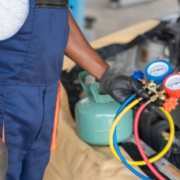
Locate the low-pressure service port on the outdoor AC unit. This port is typically labeled and may have a blue or black cap. The low-pressure side is used for charging the system. Connect the refrigerant canister to a manifold gauge set with hoses. The gauge will measure system pressure and ensure proper charging.

Turn off the AC system before connecting the canister. This prevents accidental over-pressurization and ensures safety. Attach the hose securely to the low-pressure port and ensure there are no leaks at the connection.

Start the AC system and set it to the lowest temperature setting. Open the valve on the refrigerant canister slowly to allow Freon to enter the system. Monitor the pressure using the gauge. The correct pressure depends on the type of refrigerant, ambient temperature, and system specifications. Overcharging or undercharging can reduce efficiency or damage the compressor.

After reaching the recommended pressure, close the canister valve and disconnect the hose from the low-pressure port. Replace the port cap securely. Allow the AC system to run and check for proper cooling performance. Verify that the evaporator coil is cold and the airflow is adequate.

Safety Precautions

Freon is a pressurized chemical that can cause frostbite or chemical burns. Wear protective gloves and eye protection when handling refrigerant. Avoid inhaling refrigerant vapors, as they can cause dizziness or respiratory issues. Only use refrigerants approved for your AC unit type.

Do not attempt to add refrigerant to a sealed or leaking system without proper certification. Handling refrigerants often requires EPA certification in many countries due to environmental regulations. Improper handling can harm the environment and result in legal penalties.

Common Issues During Charging

Improper pressure readings are common when adding Freon. If the pressure does not rise, it may indicate a system leak or a malfunctioning compressor. Overcharging can cause high pressure in the lines, potentially damaging the compressor or causing refrigerant leaks.

Using the wrong type of refrigerant can also damage AC components. R-22 should not be mixed with R-410A. Refrigerant conversion requires professional procedures, including flushing the system and replacing components such as the compressor or expansion valve.

FAQ

Can I add Freon myself?
It is possible to add Freon with the correct tools and safety measures. However, handling refrigerants may require certification depending on local regulations.

How much Freon should I add?
The required amount depends on the AC unit model, refrigerant type, and system specifications. Check the manufacturer’s label or manual for recommended levels.

What happens if I overcharge the AC unit?
Overcharging increases pressure in the system, which can damage the compressor, cause leaks, and reduce cooling efficiency.

How often should refrigerant be checked?
Refrigerant levels should be checked annually during routine maintenance. Low levels may indicate a leak that requires professional repair.

Can Freon leak from the system?
Yes, leaks can occur at connections, valves, or coils. Any leak should be repaired before recharging the system.

Conclusion

Adding Freon to an AC unit is a task that improves cooling performance and system efficiency. Proper procedures include locating the low-pressure port, using a manifold gauge, monitoring pressure, and ensuring safety. It is important to use the correct type of refrigerant and avoid overcharging or undercharging the system. Checking for leaks and maintaining the AC unit regularly reduces the need for frequent refrigerant refills. Handling Freon safely and following manufacturer guidelines ensures effective operation and extends the life of the air conditioning system.

How Much Does It Cost to Fix AC in a Car

How Much Does It Cost to Fix AC in a Car

A car air conditioning (AC) system is essential for comfort during hot weather. Over time, it can develop issues that reduce performance or stop working entirely. Understanding the costs involved in repairing a car AC system is important for budgeting and maintenance planning.

Factors Affecting AC Repair Costs

The cost to fix a car AC depends on several factors. The type of problem, the make and model of the vehicle, and labor rates all influence the total expense. Common issues include refrigerant leaks, a faulty compressor, a broken condenser, or a malfunctioning blower motor.

Refrigerant recharge is one of the most common fixes. The cost for this ranges between $100 and $300. This depends on the type of refrigerant, as newer vehicles often use R-134a or R-1234yf. Older vehicles might use R-12, which is less common and more expensive.

Replacing a compressor is a more costly repair. The compressor is the main component that circulates refrigerant through the AC system. Labor and parts can push the total cost between $500 and $1,200. Prices vary depending on whether the replacement is aftermarket or OEM (original equipment manufacturer).

A condenser replacement can also be expensive. The condenser cools the refrigerant before it circulates through the cabin. Parts and labor for this repair typically range from $300 to $900.

Other parts, such as the expansion valve, evaporator, or AC clutch, can also fail. Repairing or replacing these components may cost between $200 and $800, depending on the vehicle and part availability.

Labor rates vary by location and repair shop. Dealerships usually charge higher labor fees compared to independent mechanics. Average labor costs range from $80 to $150 per hour. More complex AC repairs can require 2 to 5 hours of labor.

Signs Your AC Needs Repair

Several signs indicate that a car AC needs repair. Warm air blowing from the vents, unusual noises, leaks under the car, or a sweet chemical smell inside the cabin are all warning signs. Identifying the problem early can reduce costs, as minor issues like leaks can be fixed faster and with less expense.

Routine maintenance also helps reduce repair costs. Checking refrigerant levels, cleaning the condenser, and inspecting belts and hoses can prevent larger problems from developing. Vehicles with neglected AC systems are more likely to require major repairs, which are significantly more expensive.

How to Save on AC Repairs

Choosing the right repair shop can reduce costs. Independent mechanics often offer lower labor rates than dealerships. Using high-quality aftermarket parts instead of OEM components can also reduce expenses. Some repair shops offer AC diagnostic services for around $50 to $100, helping identify the exact problem before committing to expensive repairs.

Regular maintenance is the most cost-effective way to manage AC expenses. Inspecting the system annually, recharging refrigerant when needed, and replacing worn parts prevent costly breakdowns.

FAQ

What is the average cost to recharge a car AC?
Recharging a car AC typically costs between $100 and $300, depending on the refrigerant type.

How much does it cost to replace a compressor?
Compressor replacement usually ranges from $500 to $1,200, including parts and labor.

Can a small leak be fixed cheaply?
Yes, minor refrigerant leaks can be repaired for $150 to $300, depending on the location of the leak.

Do labor rates vary by location?
Yes, labor rates vary. Dealerships charge more, while independent shops often offer lower rates between $80 and $150 per hour.

How can I prevent expensive AC repairs?
Regular inspections, maintaining proper refrigerant levels, and addressing minor issues promptly reduce the risk of major repairs.

Conclusion

The cost to fix a car AC ranges widely depending on the type of problem and the vehicle model. Minor issues such as refrigerant recharges are the least expensive, averaging $100 to $300. Major repairs like compressor or condenser replacement can exceed $1,000. Early diagnosis, routine maintenance, and choosing the right repair shop help manage costs effectively. Maintaining the AC system not only ensures comfort during hot weather but also extends the life of the vehicle’s components. Accurate assessment of the problem and understanding repair costs enable car owners to plan and budget efficiently.