

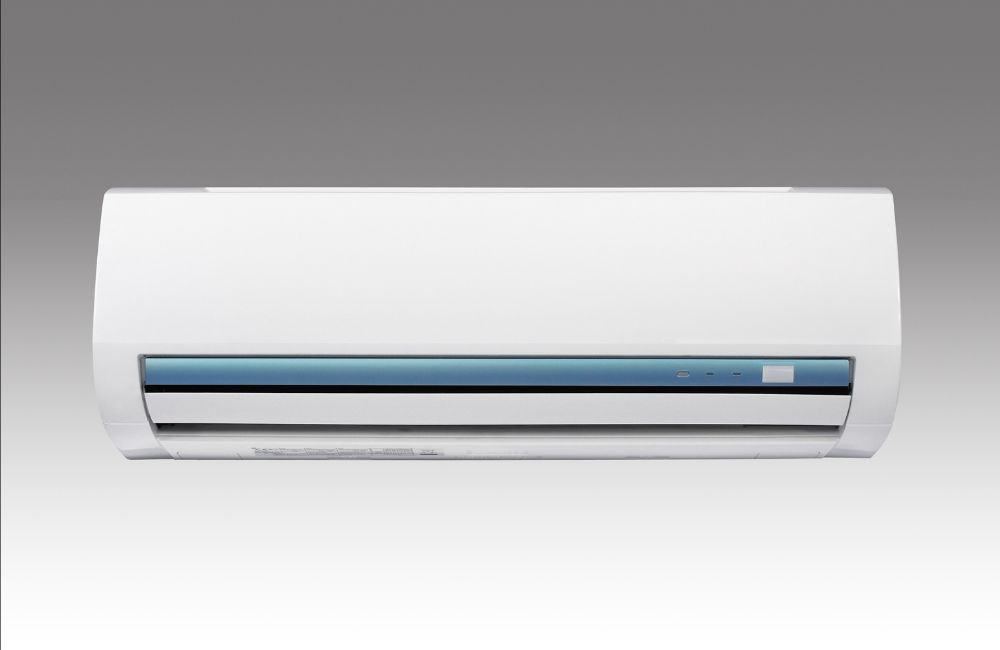
How to Fix Water Leaking From an AC Unit
Water leaking from an air conditioner is a common problem in residential and commercial HVAC systems. A properly working AC removes moisture from indoor air during the cooling process. This moisture collects in a condensate pan and flows through a drain line to a safe discharge location.
When water appears around the indoor unit, the cause may be a blocked condensate drain, dirty air filter, frozen evaporator coil, damaged drain pan, incorrect installation, or another HVAC problem. Understanding the source of the leak can help identify whether basic maintenance or professional service is required.
This guide explains why an AC leaks water, how to troubleshoot common causes, and when to contact an HVAC technician.
Why Does an AC Leak Water?
During normal operation, warm indoor air passes over the evaporator coil. Moisture in the air condenses into water droplets, which collect in the drain pan and move through the condensate drain line.
A typical residential cooling system can remove several gallons of moisture from indoor air each day, depending on temperature, humidity, and system runtime.
If the drainage system becomes blocked or another component malfunctions, water may overflow and leak around the indoor AC unit.
How to Check the AC Condensate Drain Line
The condensate drain line carries water away from the air conditioner. Dust, dirt, algae, and debris can accumulate inside the pipe and create a blockage.
A blocked drain line is one of the most common causes of AC water leaks. When the line becomes restricted, water backs up into the drain pan and overflows.
Look for standing water near the indoor unit or signs of moisture around the drain connection. If the drain line is accessible, a homeowner may inspect visible sections for obvious blockages.
If the line cannot be accessed or the blockage remains, professional cleaning may be necessary.
How a Dirty AC Filter Can Cause Water Leaks
A dirty air filter restricts airflow through the HVAC system. Reduced airflow can lower the temperature of the evaporator coil and contribute to ice formation.
When the ice melts, excess water may enter the drain system and overflow the pan.
Inspect the filter regularly, especially during heavy cooling seasons. Many homeowners check filters about once each month, although the exact interval depends on filter type, indoor air quality, pets, and system usage.
Replacing a dirty filter can improve airflow and reduce the risk of coil freezing.
How to Check for a Frozen AC Evaporator Coil
Ice on the evaporator coil is not normal during cooling operation. A frozen coil can occur because of restricted airflow, low refrigerant, dirty coils, or other HVAC issues.
If ice is visible on refrigerant lines or near the indoor unit, turn off the cooling mode and allow the system to thaw naturally.
Do not use sharp objects or high heat to remove ice. These methods can damage HVAC components.
If the coil freezes repeatedly, professional diagnosis is recommended because the underlying cause may involve refrigerant levels, airflow problems, or mechanical faults.
How a Damaged Drain Pan Causes AC Leaks
The condensate drain pan collects water from the evaporator coil before it enters the drain line.
Over time, older drain pans may develop rust, cracks, or physical damage. Water can leak through these openings and collect around the indoor unit.
A visual inspection may identify obvious damage, but some pans are difficult to access without removing HVAC components.
A technician can determine whether the pan requires repair or replacement.
How Incorrect AC Installation Can Cause Water Leaks
An air conditioner should be installed according to manufacturer specifications. Improper leveling or incorrect drain line slope can prevent water from flowing correctly.
Water may remain inside the pan instead of draining away. This can increase the chance of overflow.
Installation problems are more likely to require professional evaluation because correcting the issue may involve adjusting equipment, drain lines, or mounting components.
Can Low Refrigerant Cause an AC to Leak Water?
Low refrigerant does not directly create water leaks, but it can contribute to evaporator coil freezing. When ice melts, excess water can overflow the drainage system.
Low refrigerant can result from a leak within the sealed refrigeration system. Refrigerant handling should only be performed by qualified HVAC professionals.
A technician can test refrigerant conditions and inspect the system for leaks when necessary.
How to Fix Water Leaking From an AC Unit
Start with basic checks. Inspect the air filter and replace it if necessary. Check for visible ice around the indoor unit and allow frozen coils to thaw.
Inspect accessible sections of the condensate drain line and look for standing water around the equipment.
Do not remove electrical panels or attempt refrigerant repairs. Electrical components and sealed refrigerant systems require professional service.
If water leakage continues after basic maintenance, further inspection may be needed.
How to Prevent Future AC Water Leaks
Regular HVAC maintenance can reduce the risk of drainage problems.
Filter inspection, coil cleaning, condensate drain maintenance, and seasonal system checks help keep the cooling system operating properly.
Outdoor condenser areas should remain clear of debris, and indoor airflow should not be blocked by closed vents or obstructed return grilles.
Professional maintenance can also identify drain, refrigerant, airflow, or installation issues before major problems develop.
When Should You Call an AC Repair Professional?
Professional service is recommended when the leak continues after replacing the filter or thawing the coil.
An HVAC technician can inspect the condensate system, evaporator coil, refrigerant conditions, electrical components, blower assembly, and drain pan.
Professional diagnosis is especially important when water leaks occur with freezing, poor cooling, unusual noises, or electrical problems.
Prompt repair can help reduce the risk of water damage around walls, floors, ceilings, and nearby HVAC components.
AEO: Questions About Water Leaking From an AC Unit
Answer Engine Optimization, or AEO, focuses on giving clear answers to common questions.
Why is my AC leaking water?
A blocked drain line, dirty filter, frozen evaporator coil, damaged drain pan, or installation problem can cause an AC to leak water.
Can a dirty air filter cause AC leaks?
Yes. Restricted airflow can contribute to evaporator coil freezing, which may lead to excess water when the ice melts.
Is water leaking from an AC dangerous?
Water near electrical components can create safety concerns. Turn off the system if water is close to electrical equipment and arrange for professional inspection.
How do I stop my AC from leaking water?
Check the filter, inspect for ice, and examine accessible drain components. Persistent leaks require professional diagnosis.
Clear answers and question-based headings help search engines and AI systems understand the content more effectively.
GEO: Local AC Leak Repair Information
Generative Engine Optimization, or GEO, helps service pages provide accurate information for local search and AI-generated results.
A local HVAC page should explain common AC leak problems, repair services, maintenance options, and service areas.
Homeowners often search for terms such as AC leaking water near me, emergency AC repair, or HVAC drain line cleaning. Service pages should answer these questions with clear explanations and accurate HVAC information.
Local businesses can also include service areas, operating hours, emergency availability, and the types of cooling systems they repair, including central air conditioning, heat pumps, and ductless mini-split systems.
Frequently Asked Questions
Why is my AC leaking water inside the house?
Indoor leaks are commonly caused by blocked drain lines, frozen coils, dirty filters, or damaged drain pans.
Can I use my AC if it is leaking water?
If the leak is minor and away from electrical components, the system may continue to operate. However, ongoing leaks can cause damage. If water is near electrical parts, turn the system off and contact a technician.
How often should the AC drain line be cleaned?
The cleaning schedule depends on system use, humidity, and environmental conditions. Drain inspection is often included during regular HVAC maintenance.
Can low refrigerant cause water leaks?
Low refrigerant can contribute to coil freezing, which may lead to excess water after the ice melts.
How much water should an AC produce?
The amount varies according to humidity, indoor temperature, outdoor conditions, and system runtime. Higher humidity usually creates more condensate.
When should I call an HVAC technician?
Contact a technician if leaks continue after basic checks or if the problem involves frozen coils, refrigerant issues, drain pan damage, or electrical concerns.
Conclusion
Water leaking from an AC unit can result from several conditions, including blocked drain lines, dirty filters, frozen coils, damaged drain pans, or installation problems.
Start with simple checks such as inspecting the filter, looking for ice, and examining accessible drain components. Avoid handling electrical parts or refrigerant systems without proper training.
If the leak continues, professional HVAC diagnosis can identify the cause and determine the correct repair. Regular maintenance, proper airflow, and drain system inspections can help reduce the chance of future AC water leaks.


