

Where to Run AC Condensate Drain Line
An air conditioning system removes heat and moisture from indoor air, producing condensate water as a byproduct. Properly managing this water is essential to prevent damage to the home and maintain system efficiency. The AC condensate drain line carries water away from the evaporator coil to a safe discharge point. Understanding where and how to run the drain line ensures reliable operation and prevents water-related issues.
Understanding the Condensate Drain Line
The condensate drain line is typically a PVC or flexible plastic pipe connected to the air handler or evaporator coil. It carries water that forms as the warm indoor air passes over the cold evaporator coil. If the water is not removed properly, it can overflow, leading to water damage, mold growth, or corrosion of AC components.
Most residential systems include a primary drain line and often a secondary or emergency drain line. The primary line handles normal water flow, while the secondary line provides backup in case the primary line clogs. The secondary line is usually routed to a visible location for easy monitoring.
Ideal Locations for Running the Drain Line
The AC condensate drain line should slope downward at approximately ¼ inch per foot to allow gravity to carry water effectively. It can be routed through walls, ceilings, or attics, avoiding long horizontal runs without slope.
Common discharge locations include outside the building, a floor drain, a sump pump, or a condensate pump if the system is below grade. Outdoor discharge points should be located away from foundations, walkways, or landscaping to prevent damage and avoid creating slippery surfaces.
In multi-story buildings, the drain line may need to connect to plumbing systems using a condensate pump to lift water to a suitable outlet. The line should never connect directly to a sewer line without proper air gaps, as this could allow sewer gases to enter the home.
Considerations for Running the Drain Line
Preventing clogs is essential. Installing a cleanout access point near the air handler allows periodic inspection and maintenance. Some systems use PVC piping with a slight slope or flexible tubing with a built-in trap to maintain flow and prevent backflow.
Insulating the drain line in unconditioned spaces prevents condensation from forming on the outside of the pipe. Using white PVC or UV-resistant tubing for outdoor sections increases durability and reduces exposure damage.
For homes in cold climates, ensure the line does not freeze. Drains in attics or exterior walls may need insulation or heat tape to prevent blockage during winter. Maintaining proper slope and avoiding sagging or dips in the line minimizes the risk of standing water that can cause clogs or overflow.
Common Issues with Improper Drain Line Installation
Improperly routed drain lines can lead to water leaks inside the home. Horizontal runs without adequate slope, blocked pipes, or disconnected sections can cause the AC pan to overflow. Mold and algae growth inside the drain line is common when the line is stagnant or poorly maintained.
Inadequate discharge locations can also lead to foundation damage if water pools near the building. Condensate water should always be directed to a safe, approved outlet. Regular maintenance, including cleaning the drain line and checking for blockages, reduces the risk of water damage and ensures efficient AC operation.
FAQ
Can the AC condensate drain line run into the sewer?
No. Direct connection to the sewer is not recommended. Condensate is clean water, and plumbing codes require proper air gaps to prevent sewer gases from entering the home.
Where is the best place to discharge the drain line outside?
Discharge at least 3 to 5 feet away from the foundation, on a slope that directs water away from the house. Avoid walkways or areas where water may pool.
Do I need a condensate pump?
A pump is required if the air handler is located below the drain point, such as in a basement or crawl space. The pump lifts water to the proper outlet.
How often should I clean the drain line?
Cleaning once a year is recommended, or sooner if algae, mold, or slow drainage is observed. Adding a small amount of bleach or vinegar periodically helps prevent growth inside the line.
Can the drain line freeze?
Yes. Drain lines in unheated spaces may freeze in winter. Insulation or heat tape can prevent freezing and blockages.
Conclusion
Running the AC condensate drain line correctly is essential for safe and efficient system operation. The drain line carries water from the evaporator coil to an approved discharge point, preventing overflow, mold, and structural damage. Proper slope, accessible cleanouts, and insulation in unconditioned areas ensure reliable flow. Outdoor discharge points should direct water away from the foundation and walkways, while condensate pumps may be necessary in low installations. Regular inspection and maintenance of the drain line, including cleaning and monitoring for clogs, prevents water-related problems and extends the lifespan of the air conditioning system. Proper installation and care maintain efficient cooling and protect the home from potential water damage.

How to Test an AC Capacitor with a Multimeter
The capacitor is a critical component in an air conditioning system. It stores and releases electrical energy to help start and run the compressor and fan motors. A failing capacitor can cause the AC to struggle, make unusual noises, or fail to operate entirely. Testing an AC capacitor with a multimeter allows homeowners and technicians to determine whether the component is functioning correctly.
Understanding AC Capacitors
AC systems typically use two types of capacitors: start capacitors and run capacitors. Start capacitors provide a short burst of energy to help motors start, while run capacitors supply continuous energy to maintain efficient operation. Capacitors are rated in microfarads (µF), and this rating indicates their storage capacity. They also have voltage ratings, such as 370V or 440V, to match the system requirements.
A faulty capacitor can prevent the AC motor from starting, cause the unit to overheat, or lead to repeated tripping of breakers. Common signs include humming noises, slow fan operation, or the system failing to cool. Testing the capacitor can confirm whether replacement is necessary.
Preparing to Test a Capacitor
Safety is crucial because capacitors store high voltage even when the system is powered off. Before testing, turn off the AC at the breaker and disconnect the capacitor from the circuit. Use an insulated screwdriver to discharge the capacitor by bridging its terminals. Proper discharge prevents electric shock during testing.
Select a digital multimeter with a capacitance testing function. If the multimeter does not have capacitance mode, it may be possible to test resistance to check for a shorted capacitor, but this method is less accurate. Ensure the multimeter is rated for the capacitor’s voltage range.
Steps to Test an AC Capacitor
Identify the capacitor terminals, usually labeled C (common), HERM (compressor), and FAN. Remove the wires carefully and note their positions for reconnection. Set the multimeter to the capacitance mode and connect the probes to the capacitor terminals.
For a dual-run capacitor, test between C and HERM and then C and FAN. The measured capacitance should match the rating printed on the capacitor, typically within ±6% tolerance. If the reading is significantly lower or higher than the rated value, the capacitor is faulty.
Another method is the resistance test for non-capacitance multimeters. Connect the probes to the terminals and observe the meter. A healthy capacitor shows a rising resistance as it charges. If the reading stays at zero or infinity, the capacitor is defective.
After testing, discharge the capacitor again if necessary and reconnect it according to the wiring diagram. Proper installation ensures the AC operates efficiently and safely.
Common Issues with AC Capacitors
Capacitors can fail due to age, heat, voltage spikes, or electrical stress. Signs of failure include bulging, leaking fluid, or visible burn marks. Even if the capacitor appears intact, it can still fail internally and affect system performance. Regular inspection and testing can prevent unexpected AC breakdowns.
Replacing a capacitor is usually cost-effective compared to repairing other components damaged by a failed capacitor. Ensuring the replacement matches the µF rating and voltage is essential for system compatibility.
FAQ
Can I test an AC capacitor without removing it?
No. The capacitor must be disconnected from the circuit to prevent inaccurate readings and ensure safety.
What capacitance reading indicates a bad capacitor?
A reading more than ±6% from the rated microfarads or a reading of zero or infinity typically indicates a faulty capacitor.
Is it safe to test a capacitor with the power on?
No. Capacitors store high voltage. Always turn off power and discharge the capacitor before testing.
How often should AC capacitors be tested?
Capacitors should be inspected and tested during annual AC maintenance or when experiencing startup or cooling issues.
Can a failing capacitor damage other AC components?
Yes. A malfunctioning capacitor can overwork the compressor or fan motor, potentially causing electrical or mechanical damage.
Conclusion
Testing an AC capacitor with a multimeter is a reliable way to determine if the component is functioning correctly. The capacitor provides critical energy to start and run compressor and fan motors. Testing requires turning off power, discharging the capacitor, and using the multimeter in capacitance mode to measure its microfarad rating. Readings outside the ±6% tolerance indicate a faulty capacitor. Regular inspection and testing prevent further damage to the AC system and maintain efficient operation. Replacing a defective capacitor with the correct rating ensures reliable performance and extends the lifespan of the air conditioning system.
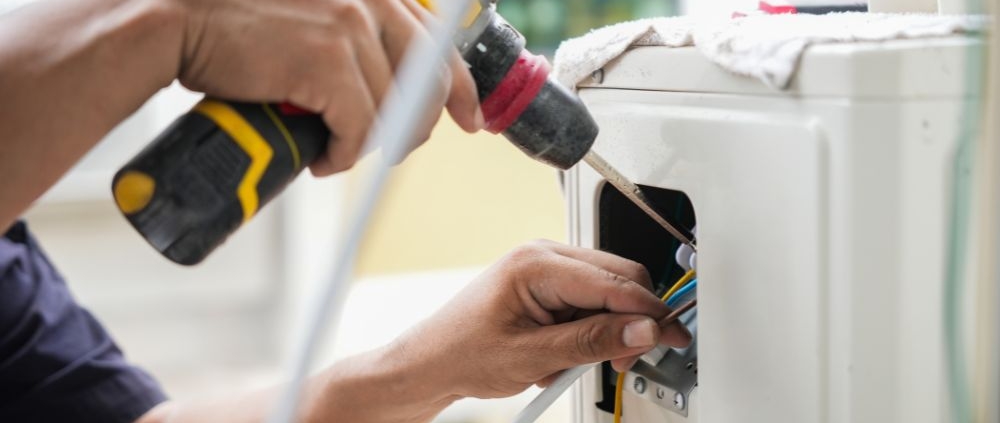
How to Replace AC Compressor
The AC compressor is a vital component of an air conditioning system. It circulates refrigerant through the system, enabling heat exchange and cooling. When the compressor fails, the AC cannot cool properly, and replacement becomes necessary. Understanding the process, safety considerations, and potential costs helps homeowners manage repairs effectively.
Signs a Compressor Needs Replacement
Several indicators suggest a failing AC compressor. The unit may produce warm air despite running continuously. Unusual noises such as clanking, rattling, or humming can indicate mechanical failure. The compressor may also trip the circuit breaker frequently due to electrical issues.
Another sign is refrigerant leaks near the compressor. Corrosion or oil stains on the unit may indicate that the internal components are damaged. If the system repeatedly cycles on and off without cooling effectively, the compressor could be at fault. Timely replacement prevents further damage to the AC system.
Preparing for Compressor Replacement
Before starting the replacement, the AC system must be powered off at the breaker. It is essential to recover the refrigerant using certified recovery equipment to comply with environmental regulations. Handling refrigerants without certification is illegal and hazardous.
Identify the correct replacement compressor based on the make, model, and refrigerant type of the AC system. Compressors are designed for specific systems, and incorrect units may cause inefficiency or damage. Check voltage, phase type, and mounting style to ensure compatibility.
Steps to Replace the AC Compressor
The process begins by disconnecting electrical wiring from the old compressor. Marking the connections helps ensure proper reconnection. Next, remove refrigerant lines and mounting bolts. The compressor may be heavy, so using proper lifting techniques or support is important to prevent injury.
Install the new compressor by positioning it securely and tightening mounting bolts to the manufacturer’s specifications. Reconnect the refrigerant lines using the correct fittings and torque settings. Electrical connections should be restored according to the wiring diagram.
The system must then be evacuated using a vacuum pump to remove moisture and air from the refrigerant lines. Once the system reaches the required vacuum level, recharge with the correct type and amount of refrigerant. Testing the system ensures proper operation, including verifying pressures, temperatures, and electrical performance.
Safety Considerations
Replacing an AC compressor involves handling high-pressure refrigerants, electrical components, and heavy equipment. Improper handling can cause injury or system damage. Only certified HVAC technicians should perform refrigerant recovery, evacuation, and recharge.
Electrical safety is critical. Ensure the breaker is off, and all connections are properly insulated. Avoid bypassing safety devices such as fuses or pressure switches. Proper tools, protective equipment, and adherence to local regulations are necessary for safe replacement.
Maintenance After Replacement
After installing a new compressor, regular maintenance helps prolong its life. Inspect refrigerant levels and recharge if necessary. Clean or replace air filters and ensure condenser coils are free of dirt and debris. Periodically check electrical connections and system pressures to detect potential issues early.
Monitoring the system’s operation during the first few weeks after replacement ensures that the compressor functions efficiently. Addressing minor issues promptly prevents future failures and maintains optimal cooling performance.
FAQ
How long does it take to replace an AC compressor?
Replacement typically requires 4 to 6 hours, depending on system complexity, accessibility, and refrigerant handling.
Can I replace the compressor myself?
Due to refrigerant handling, electrical work, and system evacuation, it is recommended to hire a certified HVAC technician for safe and legal replacement.
What is the cost of replacing an AC compressor?
Costs vary based on compressor type, system size, and labor. Residential replacements often range from $800 to $1,500, including parts and labor.
How do I know if my compressor is failing?
Common signs include warm air, unusual noises, frequent cycling, and visible refrigerant leaks near the compressor.
Can I use a different compressor model?
No. Compressors must match the system’s specifications, including voltage, phase, refrigerant type, and mounting style, to operate correctly.
Conclusion
Replacing an AC compressor is a complex but essential process for restoring proper cooling. Signs of failure include warm air, strange noises, and electrical issues. The replacement requires powering off the system, recovering refrigerant, removing the old compressor, installing a compatible new unit, and properly recharging the system. Safety considerations, including handling refrigerants and electrical components, are critical. Post-replacement maintenance ensures efficient operation and prolongs compressor life. Hiring a certified HVAC technician guarantees compliance with safety standards and local regulations while ensuring the AC system functions reliably.