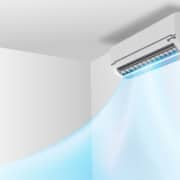

How to Fix Weak Airflow From an AC Unit

How to Fix Weak Airflow From an AC Unit

Weak airflow from an air conditioner can reduce cooling performance and make some rooms feel warmer than others. The problem may come from a dirty air filter, blocked vents, restricted return air, dirty coils, ductwork problems, or a blower issue.

Some airflow problems can be checked at home without opening the AC cabinet. More complex problems require professional HVAC service. Understanding the possible causes can help homeowners identify the problem and determine when repair is necessary.

What Causes Weak Airflow From an AC Unit?

An air conditioning system needs adequate airflow to transfer heat and distribute cooled air throughout the building. When airflow is restricted, the system may run longer while delivering less conditioned air.

A dirty filter is one common cause. Other possible causes include blocked supply vents, restricted return-air grilles, dirty evaporator coils, damaged or disconnected ducts, blower motor problems, and incorrect system operation.

The location of the weak airflow can also provide useful information. If airflow is weak from every vent, the issue may involve the filter, blower, return-air system, or another central component. If only one or two rooms have weak airflow, ductwork or a local obstruction may be involved.

How to Check the AC Air Filter

Start by inspecting the air filter. The filter is commonly located at a return-air grille, air handler, furnace, or another designated location.

A filter covered with dust can restrict the amount of air entering the HVAC system. During periods of frequent cooling, inspect the filter about once a month unless the manufacturer specifies another schedule.

If the filter is disposable, replace it with the correct size and type. If it is reusable, clean it according to the manufacturer’s instructions and allow it to dry completely before reinstalling it.

After the filter is replaced or cleaned, check the airflow again. If airflow remains weak, another restriction may be present.

How to Check AC Supply Vents

Check the supply vents throughout the property. Make sure they are open and not blocked by furniture, curtains, rugs, or other objects.

Dust can also accumulate around vent openings. Clean accessible surfaces carefully without pushing debris deeper into the duct.

Compare airflow between different rooms. If most vents have normal airflow but one vent has very little air, the problem may be related to that specific branch duct, damper, or obstruction.

If several rooms have weak airflow, the problem may be closer to the central HVAC system.

How to Check the AC Return-Air Grille

Return air is essential because the HVAC system needs to draw indoor air back into the system before cooling it again.

A blocked return grille can restrict airflow. Check that furniture, curtains, storage items, and other objects are not covering the return opening.

A dirty return grille can also collect dust and restrict air movement. Clean accessible surfaces and make sure the grille remains unobstructed.

If return airflow remains weak, the problem may involve the return duct, filter, blower, or another HVAC component.

How Dirty AC Coils Affect Airflow

The evaporator coil is located inside the indoor portion of many air conditioning systems. It removes heat from indoor air as air passes across the coil.

Dust and debris can accumulate on the coil and restrict airflow. A heavily contaminated coil can also reduce heat transfer and cooling performance.

If the evaporator coil is difficult to access, professional cleaning may be required. Opening HVAC equipment without proper knowledge can damage components or create safety risks.

A dirty condenser coil can also affect overall cooling performance, although it does not normally create the same direct airflow restriction as a blocked indoor evaporator coil.

How to Check AC Ductwork

Ductwork carries conditioned air from the HVAC system to different rooms. Leaks, disconnected sections, crushed ducts, poor insulation, or obstructions can reduce airflow.

If airflow is noticeably weaker in one area of the property, inspect accessible ductwork for visible damage. Flexible ducts can become compressed or disconnected, especially in spaces such as attics, crawlspaces, and mechanical areas.

Air leaking from ducts can reduce the amount of conditioned air reaching the room. Professional duct inspection can identify leaks and other problems that are not visible from accessible areas.

How the AC Blower Affects Airflow

The blower moves air through the HVAC system. If the blower motor, fan assembly, capacitor, or related components develop a problem, airflow can decrease.

A blower problem may affect several or all supply vents. Unusual motor noises, delayed startup, or inconsistent airflow can indicate a mechanical or electrical issue.

Do not open electrical compartments to inspect the blower motor or capacitor. HVAC electrical components can contain dangerous voltage. A qualified technician should diagnose these components using appropriate testing equipment.

Can a Frozen AC Coil Cause Weak Airflow?

Yes. A frozen evaporator coil can significantly reduce airflow. Ice forms around the coil and restricts the passage of air.

Restricted airflow can contribute to freezing, creating a cycle in which the blockage becomes worse as more ice forms.

If ice is visible on the indoor coil or refrigerant line, turn off the cooling function and allow the system to thaw naturally. Do not use sharp tools to remove ice.

A frozen coil can result from restricted airflow, low refrigerant, or other system problems. If freezing happens again, professional diagnosis is required.

How to Fix Weak Airflow From an AC Unit

Start with the simplest checks. Inspect the filter, open supply vents, check the return-air grille, and remove visible obstructions around accessible vents.

If the filter is dirty, replace or clean it according to the manufacturer’s instructions. Then allow the system to operate and compare airflow again.

If airflow remains weak, avoid adjusting internal HVAC components without proper training. The cause may involve ductwork, the blower, evaporator coil, refrigerant conditions, or electrical components.

A professional HVAC technician can measure airflow and inspect the system to identify the restriction.

Why One Room May Have Weak AC Airflow

If only one room has weak airflow, the central HVAC system may be operating normally. The problem could be related to the duct serving that room.

A partially closed damper, disconnected duct, crushed flexible duct, or air leak can reduce airflow to a particular area.

Room layout can also affect how conditioned air moves through the space. Doors, furniture, and blocked return-air pathways can influence air circulation.

A duct inspection can help identify whether the problem is isolated to one branch or affects the entire HVAC system.

When Should You Call an AC Repair Professional?

Professional service is recommended when weak airflow continues after basic filter and vent checks.

A technician may inspect the blower assembly, evaporator coil, ductwork, dampers, return-air system, electrical components, and other parts of the HVAC system.

Professional service is especially important when weak airflow occurs together with coil freezing, water leakage, unusual noises, burning smells, repeated circuit breaker trips, or poor cooling.

Accurate diagnosis is important because replacing one component without identifying the underlying cause may not correct the airflow problem.

AEO: Common Questions About Weak AC Airflow

Answer Engine Optimization, or AEO, focuses on providing clear answers to questions users ask through search engines and AI-powered answer systems.

Why is my AC airflow weak?

Weak airflow can result from a dirty filter, blocked vents, restricted return air, dirty evaporator coils, duct problems, blower faults, or other HVAC issues.

How can I improve AC airflow?

Check the filter, make sure supply vents are open, keep return-air grilles unobstructed, and inspect accessible areas for visible restrictions. Persistent problems require professional HVAC diagnosis.

Can a dirty filter reduce AC airflow?

Yes. A heavily loaded filter can increase airflow resistance and reduce the amount of air moving through the HVAC system.

Why is airflow weak in only one room?

A local duct problem, closed damper, damaged duct, obstruction, or room-specific airflow issue can cause weak airflow in one room.

Question-based headings and direct answers make this information easier for users and answer engines to process. Accurate HVAC terms and clear explanations also help distinguish basic maintenance from professional repair.

GEO: AC Airflow Content for Local Search

Generative Engine Optimization, or GEO, helps make service content useful for AI-generated search results.

A local HVAC page should clearly explain the service, common symptoms, repair options, supported HVAC systems, and the geographic area served. Location information should be accurate and consistent.

For example, an HVAC company serving a particular city can create relevant content about residential AC repair, central air conditioning, ductless mini-split systems, airflow problems, seasonal cooling needs, and HVAC maintenance.

The page can also provide clear business information such as the company name, service area, contact details, operating hours, and available HVAC services.

Frequently Asked Questions

Can a dirty AC filter cause weak airflow?

Yes. A heavily dirty filter can restrict airflow through the HVAC system. Regular inspection can help prevent excessive filter blockage.

How often should I check my AC filter?

Inspect the filter about once a month during periods of frequent system use unless the HVAC manufacturer specifies a different maintenance schedule.

Why does my AC have weak airflow but the fan is running?

The fan can operate while airflow remains restricted by a dirty filter, blocked duct, dirty coil, blower problem, or another HVAC issue.

Can duct leaks cause weak airflow?

Yes. Leaks or disconnected duct sections can allow conditioned air to escape before it reaches the intended room.

Should I run my AC if the airflow is very weak?

If airflow is severely restricted or the system is freezing, continuing to operate it can contribute to additional problems. Turn off cooling and arrange for professional inspection if basic checks do not resolve the issue.

Can low refrigerant cause weak airflow?

Low refrigerant primarily affects cooling performance rather than directly reducing blower airflow. However, low refrigerant can cause the evaporator coil to freeze, and ice buildup can then restrict airflow.

When does weak airflow require professional repair?

Professional service is appropriate when basic maintenance does not restore normal airflow or when the problem involves ducts, coils, blowers, refrigerant, electrical components, or other internal HVAC parts.

Conclusion

Weak airflow from an AC unit can result from simple issues such as a dirty filter or blocked vent. It can also indicate more complex problems involving ductwork, evaporator coils, blower components, or other HVAC parts.

Start with safe checks of the filter, supply vents, and return-air grille. If the airflow does not improve, avoid opening electrical or internal HVAC components.

A qualified HVAC technician can inspect the complete system and determine the cause of the airflow restriction. Proper diagnosis helps restore airflow and supports normal cooling performance.
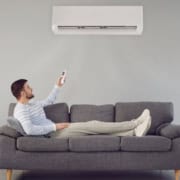
How to Clean an AC Air Filter the Right Way

How to Clean an AC Air Filter the Right Way

A clean air filter is an important part of an efficient air conditioning system. The filter captures dust, dirt, pollen, and other airborne particles before air moves through the HVAC system. When the filter becomes heavily loaded with dust, airflow can decrease and the AC may not cool the room properly.

Cleaning or replacing an air filter is one of the basic maintenance tasks that homeowners can perform. However, not every filter is designed to be washed. The correct cleaning method depends on the filter type, manufacturer’s instructions, and HVAC system design.

Why Is an AC Air Filter Important?

An air filter helps protect the indoor air system and HVAC components from airborne particles. It is normally installed in the return-air grille, air handler, furnace compartment, or another designated location.

A dirty filter increases resistance to airflow. Reduced airflow can affect cooling performance and may contribute to problems such as an evaporator coil freezing.

The filter also affects indoor air quality. However, an HVAC filter should not be treated as the only method of controlling indoor pollutants. Ventilation, source control, cleaning, and appropriate air-cleaning equipment may also be important.

How Often Should You Clean an AC Air Filter?

The correct maintenance interval depends on the filter type and household conditions. A commonly used starting point for residential systems is to inspect the filter about once a month during periods of frequent AC use.

Homes with pets, construction dust, smokers, or high indoor particle levels may require more frequent inspection. A lightly used system may require less frequent attention.

The filter should be checked rather than replaced according to a fixed calendar alone. If the filter is visibly dirty or airflow is reduced, follow the manufacturer’s maintenance instructions.

How to Identify Your AC Air Filter Type

Before cleaning the filter, determine whether it is washable or disposable.

Disposable filters are generally made from materials such as fiberglass, pleated synthetic media, or other filter materials designed for replacement. These filters should not be washed unless the manufacturer specifically states that they are washable.

Reusable filters are designed to be cleaned and installed again. Some washable filters use a plastic or metal frame with a washable filter media.

Check the filter label for terms such as washable, reusable, or replaceable. If the manufacturer’s instructions are available, use them as the primary reference.

How to Clean a Washable AC Air Filter

Turn off the HVAC system before removing the filter. This prevents the system from operating while the filter is removed.

Remove the filter carefully and note the airflow direction shown by the arrow on the frame. This arrow should face in the direction of airflow when the filter is installed again.

Take the filter outdoors or to an appropriate cleaning area if possible. Remove loose dust according to the manufacturer’s instructions. Rinse the filter with clean water if the filter manufacturer permits washing.

Avoid using strong chemicals unless the manufacturer specifically recommends them. Aggressive cleaning products can damage some filter materials.

Allow the filter to dry completely before reinstalling it. A wet filter can restrict airflow and may create conditions that are unsuitable for the HVAC system.

How to Clean a Disposable AC Filter

A disposable filter should normally be replaced rather than washed. Water can damage the filter media and change its filtration properties.

Remove the old filter and check the size printed on the frame. Common residential filter sizes vary, so use the exact size specified for the HVAC system.

Install the replacement filter with the airflow arrow pointing in the correct direction. A filter installed backward can affect airflow and system performance.

Dispose of the used filter according to local waste requirements.

How to Install an AC Air Filter Correctly

Turn off the system before installation. Locate the airflow arrow on the filter.

The arrow generally points toward the air handler or furnace, following the direction in which air moves through the HVAC system. Insert the filter firmly into its designated slot without bending or crushing it.

Make sure the filter fits correctly. Gaps around the filter can allow unfiltered air to bypass the filter.

After installation, turn the system back on and check that normal airflow is restored.

What Happens When an AC Filter Gets Too Dirty?

A heavily loaded filter can restrict airflow through the HVAC system. Reduced airflow can make the system work under less favorable operating conditions.

The indoor coil may not receive sufficient airflow. In some situations, this can contribute to coil icing. A restricted filter can also reduce the amount of conditioned air delivered into the living space.

If the AC continues to have weak airflow or poor cooling after the filter is cleaned or replaced, the filter may not be the only problem.

Other causes can include dirty coils, blocked ducts, blower problems, thermostat issues, or refrigerant-related faults.

How to Know When an AC Filter Needs Cleaning

Visible dust is one indication that a filter needs attention. Reduced airflow from supply vents can also indicate a restriction.

Other signs may include reduced cooling performance or a noticeable increase in dust around the indoor environment.

Do not wait for severe symptoms before inspecting the filter. Regular inspection can identify a dirty filter before airflow becomes significantly restricted.

Common Mistakes When Cleaning an AC Filter

One common mistake is washing a disposable filter. Another is reinstalling a washable filter while it is still wet.

Installing the filter backward is another common problem. The airflow arrow should point in the correct direction according to the HVAC system design.

Using an incorrect filter size can also create problems. A filter that is too large, too small, or improperly fitted may restrict airflow or allow air to bypass the filter.

It is also important not to operate the system for extended periods without its required filter.

When Should You Call an AC Repair Professional?

Cleaning or replacing an accessible air filter is usually a basic maintenance task. However, professional HVAC service may be necessary when the AC continues to have poor airflow, weak cooling, repeated coil freezing, unusual noises, or water leakage after filter maintenance.

A technician can inspect the evaporator coil, blower assembly, ductwork, condensate system, electrical components, and other parts of the system.

If the filter becomes dirty unusually quickly, professional inspection can also help determine whether excessive dust, duct problems, indoor air quality conditions, or another issue is contributing to the problem.

AEO for AC Air Filter Questions

Answer Engine Optimization, or AEO, focuses on providing direct and structured answers to questions people ask in search engines and AI-powered systems.

How often should I clean my AC air filter?

Inspect the filter about once a month during periods of regular use. The exact interval depends on the filter type, HVAC system, pets, indoor air conditions, and manufacturer’s recommendations.

Can I wash my AC air filter?

Only wash the filter if it is specifically designed to be washable. Disposable filters should normally be replaced.

Which way should an AC filter face?

The airflow arrow should point in the direction of airflow, generally toward the air handler or furnace.

Can a dirty filter make an AC stop cooling?

A heavily restricted filter can reduce airflow and cooling performance. It can also contribute to evaporator coil freezing in some systems.

Providing direct answers like these helps make the page easier for users and answer engines to understand.

GEO for Local AC Service Content

Generative Engine Optimization, or GEO, focuses on making website content clear and useful for AI-generated search results.

A local HVAC service page should clearly explain the service, the types of systems supported, common customer problems, maintenance information, and the geographic service area.

For example, an HVAC company serving a specific city can provide accurate information about residential AC maintenance, central air conditioning, ductless mini-split systems, seasonal cooling demand, filter replacement, and professional repair services.

Local business information should remain consistent across the website and relevant business profiles. Important information can include the business name, service area, contact information, operating hours, and services provided.

Frequently Asked Questions

How often should I replace my AC air filter?

The replacement schedule depends on the filter and operating conditions. Inspecting the filter monthly during regular cooling use provides a practical starting point.

Can I vacuum an AC air filter?

Some reusable filters may allow vacuum cleaning, but the manufacturer’s instructions should be checked first. Disposable filters are generally replaced instead of vacuumed.

What happens if I run an AC without a filter?

Operating an HVAC system without its required filter can allow dust and particles to enter internal components. This can contribute to contamination and may affect system performance.

Does a clean filter improve AC cooling?

A clean filter allows the system to maintain the airflow for which it was designed. If a dirty filter was restricting airflow, cleaning or replacing it can improve airflow and cooling performance.

Why does my AC filter get dirty so quickly?

Rapid filter loading can result from high system use, pets, dust, indoor activities, construction, outdoor air entering the building, or other indoor air conditions. Persistent excessive dust may require further HVAC or indoor air quality evaluation.

Should I turn off my AC before removing the filter?

Yes. Turning off the HVAC system before removing the filter helps prevent operation while the filter is out and reduces the chance of dust being pulled into the system.

Conclusion

Cleaning or replacing an air filter is an important part of routine AC maintenance. A clean filter helps maintain the airflow required by the HVAC system and can help prevent problems associated with restricted airflow.

Always determine whether the filter is washable or disposable before cleaning it. Wash reusable filters only when the manufacturer permits it, and allow them to dry completely before reinstalling them.

If poor cooling, weak airflow, freezing, water leakage, or unusual operation continues after filter maintenance, the problem may involve another HVAC component. Professional inspection can identify the underlying cause and determine the appropriate repair.

How to Fix an AC That Is Not Cooling Properly

How to Fix an AC That Is Not Cooling Properly

An air conditioner that is running but not cooling properly can make an indoor space uncomfortable, especially during hot weather. The problem can come from a dirty air filter, incorrect thermostat settings, blocked airflow, dirty coils, refrigerant problems, or a mechanical fault.

Some basic checks can be completed at home without opening the AC cabinet or touching electrical components. Other problems require professional HVAC diagnosis. This guide explains common causes, safe troubleshooting steps, and when professional AC repair is needed.

Why Is My AC Not Cooling Properly?

When an AC does not provide enough cooling, the first step is to identify the symptoms. Check whether the unit is blowing warm air, producing weak airflow, running continuously, freezing, leaking water, or turning on and off repeatedly.

The thermostat, air filter, indoor evaporator coil, outdoor condenser unit, blower, ductwork, and refrigerant system can all affect cooling performance. A problem in one component can reduce the overall efficiency of the system.

For example, a clogged filter can restrict airflow across the evaporator coil. A dirty outdoor condenser can reduce heat transfer. Low refrigerant can also reduce cooling capacity and may indicate a refrigerant leak.

How to Check the AC Thermostat

Start with the thermostat because it controls the cooling cycle. Make sure the thermostat is set to Cool mode rather than Fan or Heat mode.

Set the desired temperature several degrees below the current indoor temperature. For example, if the room temperature is 80°F, setting the thermostat to 72°F can confirm whether the cooling system responds.

If the thermostat uses batteries, check whether they need replacement. Also verify that the thermostat display is operating normally.

A faulty thermostat can cause incorrect temperature readings or prevent the system from operating correctly. If the thermostat appears to work but the AC still does not cool, continue checking the other components.

How to Clean or Replace a Dirty AC Filter

A dirty air filter is one of the common causes of reduced airflow. Dust and particles accumulate on the filter as air passes through the system.

When the filter becomes heavily blocked, less air can move through the evaporator coil. This can reduce cooling performance and may contribute to coil freezing.

Check the filter regularly. Many residential systems should have their filters inspected about once a month during periods of heavy use. The exact replacement interval depends on the filter type, system design, indoor air quality, pets, and operating conditions.

Use a replacement filter with the size and specifications recommended for the HVAC system. Installing an incorrect filter can also affect airflow.

How to Check AC Airflow

Poor airflow can prevent an air conditioner from distributing cool air effectively. Check the supply vents and return-air grilles inside the property.

Make sure supply vents are open and not blocked by furniture, curtains, or other objects. The return-air grille should also remain unobstructed.

If airflow remains weak after checking the filter and vents, the problem may involve the blower motor, evaporator coil, ductwork, or another internal component.

These components normally require professional inspection because they may be located inside the HVAC system.

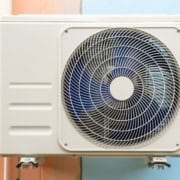
How to Check the Outdoor AC Unit

The outdoor condenser releases heat from the refrigerant system. Restricted airflow around this unit can reduce cooling performance.

Inspect the area around the condenser and remove loose leaves, grass, and other debris from the surrounding area. Keep sufficient clearance around the unit according to the manufacturer’s installation requirements.

Do not open the electrical compartment or attempt to repair the condenser yourself. The outdoor unit contains electrical components that can remain hazardous even when the system is not actively cooling.

If the condenser fan does not operate or the unit makes unusual sounds, professional HVAC service may be required.

How Dirty AC Coils Affect Cooling

The evaporator coil absorbs heat from indoor air, while the condenser coil releases heat outdoors. Dirt on either coil can interfere with heat transfer.

A dirty evaporator coil can restrict airflow and reduce cooling capacity. A dirty condenser coil can make it harder for the outdoor unit to release heat.

Coil cleaning may require access to internal HVAC components. Professional cleaning is recommended when the coil is heavily contaminated or difficult to access.

How Low Refrigerant Can Affect AC Cooling

Refrigerant transfers heat through the air conditioning system. If the refrigerant level is too low, the system may struggle to provide normal cooling.

Low refrigerant can be associated with a leak. Simply adding refrigerant without identifying the cause does not correct the underlying problem.

Signs can include poor cooling, longer operating cycles, ice formation on the evaporator coil or refrigerant lines, and unusual temperature differences.

Refrigerant diagnosis and charging should be performed by a qualified HVAC technician using appropriate equipment and procedures.

How to Fix an AC That Is Blowing Warm Air

If the AC is blowing warm air, first check the thermostat and filter. Confirm that the system is in Cool mode and that the selected temperature is lower than the current indoor temperature.

Next, check whether the outdoor condenser is operating. If the indoor blower is running but the outdoor unit is not, the issue could involve the power supply, thermostat controls, capacitor, contactor, wiring, or another component.

Do not remove electrical covers to investigate these components. A qualified technician can perform electrical testing and identify the defective part.

What to Do If the AC Evaporator Coil Is Frozen

Ice on an evaporator coil is a sign that the system is not operating under normal conditions. Restricted airflow and low refrigerant are possible causes.

Turn off the cooling function and allow the ice to melt naturally. Do not use sharp tools to remove the ice because they can damage the coil or refrigerant lines.

Once the system has thawed, check the air filter and airflow. If the coil freezes again, professional diagnosis is necessary.

How to Fix an AC That Keeps Running

An AC may operate for long periods during very hot weather. However, continuous operation combined with poor cooling can indicate an underlying problem.

Possible causes include restricted airflow, dirty coils, low refrigerant, thermostat problems, duct leakage, inadequate system capacity, or mechanical faults.

Check the thermostat and filter first. If the system continues running without reaching the selected temperature, an HVAC professional can measure system performance and identify the cause.

How to Diagnose AC Water Leaks

Poor cooling can sometimes occur together with water leakage. The air conditioner normally removes moisture from indoor air and sends condensate through a drainage system.

A blocked condensate drain can cause water to collect around the indoor unit. A frozen evaporator coil can also produce excess water when the ice melts.

If water is leaking near electrical components, turn off the system and arrange for professional service. Do not remove electrical covers or attempt repairs involving wiring.

When Should You Call an AC Repair Professional?

Professional AC repair is recommended when basic troubleshooting does not solve the cooling problem or when the issue involves refrigerant, electrical components, compressors, motors, or internal HVAC parts.

A technician can inspect the system and use appropriate diagnostic equipment to check temperature differences, airflow, electrical performance, refrigerant conditions, and component operation.

Professional service is especially important when the system repeatedly freezes, trips a circuit breaker, produces a burning smell, leaks significant water, or makes loud mechanical noises.

AEO: How to Answer Common AC Cooling Questions

Answer Engine Optimization, or AEO, helps content provide direct answers to questions used in search engines and AI-powered answer systems.

A useful page should answer questions such as:

Why is my AC running but not cooling?
A dirty filter, restricted airflow, thermostat problem, dirty coils, low refrigerant, or mechanical fault can reduce cooling performance.

What should I check first when my AC is not cooling?
Check the thermostat settings, air filter, indoor airflow, supply vents, and visible conditions around the outdoor condenser.

Can I fix an AC that is not cooling myself?
Basic checks such as thermostat settings, filter condition, and blocked vents can be performed safely. Refrigerant, electrical, compressor, and internal component problems require professional service.

Clear H2 headings, question-based sections, direct answers, accurate HVAC terminology, and useful measurements make the information easier for search and answer systems to interpret.

GEO: Making AC Repair Content Useful for Local Search

Generative Engine Optimization, or GEO, helps make service information useful for AI-generated search results.

For local AC repair content, the page should clearly identify the service, service location, common local HVAC requirements, customer problems, and available repair solutions. Geographic information should be accurate and relevant to the actual service area.

For example, an HVAC company serving a specific city can create dedicated service information for residential AC repair, emergency cooling problems, same-day service, central air conditioning, ductless systems, and seasonal maintenance.

Local business information should remain consistent across the website and other relevant online profiles. Important details can include the business name, service area, phone number, operating hours, services, and physical location when applicable.

Frequently Asked Questions

Why is my AC running but not cooling?

A dirty filter, restricted airflow, thermostat issue, dirty coil, low refrigerant, or mechanical problem can cause an AC to run without providing adequate cooling.

How long should an AC take to cool a house?

Cooling time depends on outdoor temperature, indoor temperature, insulation, system capacity, building size, airflow, and other conditions. There is no single cooling time that applies to every property.

Should I replace my AC filter if it looks dirty?

Yes. A heavily dirty filter can restrict airflow. Use the correct filter size and type recommended for the HVAC system.

Why does my AC freeze when it is running?

Restricted airflow and low refrigerant are common causes of evaporator coil freezing. A recurring freeze requires professional diagnosis.

Can low refrigerant cause an AC to stop cooling?

Yes. Insufficient refrigerant can reduce the system’s ability to transfer heat. Low refrigerant may indicate a leak that requires professional inspection.

Is it safe to repair an AC myself?

Basic checks such as thermostat settings, filters, and blocked vents can usually be performed without opening the system. Electrical, refrigerant, compressor, and internal component repairs should be handled by qualified HVAC professionals.

When should I replace an AC instead of repairing it?

The decision depends on the system’s age, condition, repair requirements, efficiency, parts availability, and expected remaining service life. A qualified HVAC professional can assess the equipment and explain the available repair and replacement options.

Conclusion

An AC that is not cooling properly can have several causes, ranging from a dirty filter or incorrect thermostat setting to restricted airflow, dirty coils, refrigerant problems, or mechanical faults.

Start with simple and safe checks. Inspect the thermostat, filter, vents, airflow, and visible outdoor-unit conditions. Avoid opening electrical compartments or handling refrigerant.

If the cooling problem continues, professional HVAC diagnosis can identify the actual cause. Accurate repair can restore normal cooling performance while helping prevent repeated system problems.

How to Diagnose Common AC Problems at Home

How to Diagnose Common AC Problems at Home

A properly working air conditioner should provide consistent cooling, steady airflow, and normal operating sounds. When an AC starts blowing warm air, leaking water, making unusual noises, or turning on and off frequently, the problem may come from a dirty filter, thermostat setting, blocked airflow, electrical issue, or another component.

Homeowners can perform several basic checks before calling an HVAC professional. These checks can help identify simple problems without opening electrical panels or handling refrigerant. More complex issues, such as refrigerant leaks, compressor faults, and electrical failures, require professional diagnosis.

What Are the Most Common AC Problems?

Common AC problems include poor cooling, weak airflow, water leaks, unusual sounds, frequent cycling, frozen coils, and failure to start. Some problems have simple causes, while others involve important components such as the compressor, condenser, evaporator coil, blower motor, capacitor, or refrigerant system.

The first step is to identify the symptoms. For example, an AC that runs continuously but does not cool the room may have restricted airflow, dirty coils, low refrigerant, or an undersized system. An AC that does not turn on may have a thermostat, power supply, circuit breaker, or control problem.

How to Check an AC That Is Not Cooling

Start by checking the thermostat. Set the system to Cool mode and choose a temperature lower than the current room temperature. Make sure the fan setting is appropriate and that the thermostat has working batteries if it uses batteries.

Next, inspect the air filter. A dirty filter can restrict airflow and reduce cooling performance. Many residential filters should be checked monthly, although the replacement interval depends on the filter type, indoor air quality, pets, and system usage.

Check the outdoor condenser unit as well. Leaves, grass, dust, and other debris can restrict airflow around the condenser. Keep the area around the unit clear and avoid blocking its ventilation openings.

If these basic checks do not solve the problem, the system may require professional inspection.

How to Diagnose Weak AC Airflow

Weak airflow can indicate a clogged filter, blocked return vent, closed supply register, dirty evaporator coil, duct problem, or blower motor issue.

Check all accessible supply vents and make sure they are open. Inspect the return-air grille for dust or obstructions. Replace a heavily dirty filter if the system manufacturer allows homeowner replacement.

If airflow remains weak after these checks, an HVAC technician can inspect the blower assembly, evaporator coil, ductwork, and other internal components.

How to Check an AC That Is Leaking Water

Water around an indoor AC unit can occur when the condensate drainage system is blocked. During normal cooling, an air conditioner removes moisture from indoor air. This moisture collects as condensate and normally drains through a condensate line or drain pan.

A clogged drain can cause water to accumulate around the indoor unit. A frozen evaporator coil can also produce excessive water when the ice melts.

Turn off the AC if significant water is leaking near electrical components. Do not remove electrical covers or attempt repairs involving wiring. A professional can inspect the drain pan, condensate line, evaporator coil, and other components.

How to Diagnose an AC That Makes Strange Noises

Different sounds can indicate different problems.

A rattling sound may be related to loose panels or debris. A grinding sound can indicate a mechanical problem involving a motor or another moving component. A buzzing sound may involve an electrical component, while repeated clicking can occur during starting or control operation.

Do not ignore a sudden or unusually loud sound. Turn the system off if there is a burning smell, smoke, sparking, or a strong electrical odor, and arrange for professional service.

How to Check an AC That Keeps Turning On and Off

Frequent starting and stopping is commonly called short cycling. Several conditions can contribute to this problem, including an incorrect thermostat setting, restricted airflow, an oversized AC system, refrigerant problems, or component faults.

First, check the filter and thermostat. If the filter is dirty, replace it with the correct size and type specified for the system.

If short cycling continues, professional diagnosis is recommended. Repeated compressor starts can place additional operating stress on the system.

How to Diagnose an AC That Blows Warm Air

If an AC blows warm air, check the thermostat and filter first. Confirm that the system is operating in cooling mode and that the set temperature is below the indoor temperature.

Then check whether the outdoor condenser is running. If the indoor blower operates but the outdoor unit does not, there may be an electrical, control, or component problem.

Low refrigerant can also cause poor cooling. Refrigerant should not be added based only on symptoms. A qualified HVAC technician should test the system for correct operating conditions and check for leaks before charging refrigerant.

How to Check for a Frozen AC Coil

Ice on an evaporator coil or refrigerant line is not normal during standard cooling operation. Common contributing conditions include restricted airflow, a dirty filter, low refrigerant, or other system problems.

Turn off cooling and allow the ice to melt. Do not use sharp objects, heaters, or other tools to remove the ice manually.

After the system has thawed, check the filter and airflow. If the coil freezes again, professional inspection is necessary to determine the underlying cause.

How to Diagnose AC Electrical Problems Safely

Some AC problems are related to circuit breakers, disconnects, capacitors, contactors, wiring, or other electrical components. Homeowners can check whether the appropriate circuit breaker has tripped, but electrical panels and AC components can contain dangerous voltage.

Do not open electrical compartments or touch exposed wiring. Electrical diagnosis and component replacement should be performed by a qualified professional.

When Should You Call an AC Repair Professional?

Professional AC repair is appropriate when basic troubleshooting does not resolve the issue or when the problem involves refrigerant, electrical components, compressors, motors, or internal system parts.

Professional service may also be necessary when an AC repeatedly freezes, leaks water, trips a circuit breaker, produces burning smells, or fails to maintain the selected temperature.

A technician can use temperature measurements, electrical testing equipment, pressure measurements, airflow checks, and visual inspection to identify the cause of the problem.

How AEO Helps Answer AC Repair Questions

Answer Engine Optimization, or AEO, focuses on providing direct answers to questions people ask through search engines and AI-powered answer systems.

For example, a page targeting questions such as “Why is my AC not cooling?” should provide a clear answer near the relevant section. It should also explain common causes, basic checks, safety limits, and when professional service is required.

Clear headings, question-based sections, concise answers, accurate terminology, and structured information can make AC repair content easier for search and answer systems to understand.

How GEO Supports AC Repair Content

Generative Engine Optimization, or GEO, focuses on making information useful and understandable for generative search and AI answer systems.

A strong AC repair page should clearly identify the service topic, explain common symptoms and causes, use accurate HVAC terminology, and provide practical information. Local businesses can also include relevant geographic information, service areas, business details, and location-specific AC problems when appropriate.

For example, an AC repair company serving a specific city can provide information about common cooling requirements, seasonal demand, residential HVAC systems, and available repair services in that service area.

Frequently Asked Questions About AC Problems

Why is my AC running but not cooling?

A dirty filter, restricted airflow, dirty coils, thermostat problem, refrigerant issue, or mechanical fault can cause an AC to run without providing adequate cooling.

How often should I check my AC filter?

Check the filter regularly, often about once a month during periods of heavy use. Replacement frequency depends on the filter type and household conditions.

Why is my AC leaking water?

A blocked condensate drain, dirty or frozen evaporator coil, damaged drain pan, or another drainage problem can cause water leakage.

What should I do if my AC freezes?

Turn off cooling and allow the system to thaw. Check the air filter after the ice has melted. If freezing happens again, contact an HVAC professional.

Can I add AC refrigerant myself?

Refrigerant service should be handled by a qualified HVAC professional. The system should be tested for leaks and operating conditions before refrigerant is added.

Why does my AC keep turning on and off?

Frequent cycling can result from airflow restrictions, thermostat problems, system sizing issues, refrigerant problems, or component faults. Professional diagnosis may be required if basic checks do not resolve the issue.

When does an AC problem require professional repair?

Professional repair is recommended for refrigerant leaks, electrical problems, compressor faults, repeated freezing, persistent water leaks, unusual mechanical noises, and problems that continue after basic troubleshooting.

Conclusion

Learning how to diagnose common AC problems at home can help homeowners identify simple issues such as dirty filters, incorrect thermostat settings, blocked vents, and restricted airflow. Basic checks can also help determine when professional service is necessary.

However, an AC contains electrical, mechanical, and refrigeration components that can create safety risks when handled incorrectly. Problems involving refrigerant, wiring, compressors, motors, or internal electrical parts should be inspected by a qualified HVAC professional. Accurate diagnosis can help identify the actual cause of poor cooling and prevent unnecessary repairs.

How to Know When Your AC Needs Professional Repair

How to Know When Your AC Needs Professional Repair

An AC can develop problems that affect cooling, airflow, energy use, and overall system operation. Some issues can be related to a dirty filter or blocked vent and may be addressed through basic maintenance. Other problems involve electrical components, refrigerant, motors, compressors, controls, or ductwork and require professional repair.

Knowing the warning signs can help homeowners identify when basic troubleshooting is no longer enough. Early professional diagnosis can also help prevent a minor equipment problem from developing into a more serious system failure.

What Does Professional AC Repair Involve?

Professional AC repair involves diagnosing and correcting problems that affect the operation of an air conditioning system. A qualified HVAC technician can inspect the indoor and outdoor equipment, identify the source of a fault, and determine the appropriate repair.

The repair process may involve mechanical, electrical, refrigeration, airflow, or control-system components. The exact procedure depends on the equipment type and the symptoms.

Professional service can include electrical testing, refrigerant diagnosis, airflow measurements, component inspection, coil cleaning, motor testing, thermostat checks, and other procedures.

AC Is Not Cooling Properly

Reduced cooling is one of the most common reasons homeowners contact an HVAC professional. An AC may run continuously but fail to reach the thermostat setting.

Several problems can cause poor cooling. A dirty filter can restrict airflow. A dirty evaporator or condenser coil can reduce heat transfer. Low refrigerant, a failing compressor, a damaged fan motor, duct problems, or incorrect system operation can also affect cooling.

If replacing a dirty filter and checking visible airflow restrictions does not restore normal cooling, professional diagnosis is appropriate.

AC Blows Warm Air

An AC that blows warm or room-temperature air can have several possible causes. The thermostat may be incorrectly configured, or the outdoor unit may not be operating.

Other causes can include a tripped breaker, failed capacitor, contactor problem, condenser fan issue, low refrigerant, compressor failure, or control-system fault.

Because several different components can produce similar symptoms, replacing parts without diagnosis can leave the actual problem unresolved.

Weak Airflow From the Vents

Weak airflow can indicate a restricted filter, blocked return grille, duct problem, blower issue, dirty evaporator coil, or another equipment fault.

If only one room has weak airflow, the issue may involve a local duct, register, or damper. If airflow is weak throughout the home, the problem may be closer to the indoor unit or main duct system.

A technician can measure airflow and inspect the blower, filter, coil, and ductwork to identify the source.

AC Keeps Freezing

Ice on the evaporator coil or refrigerant line is not a normal operating condition. A frozen AC can result from restricted airflow, a dirty coil, blower problems, low refrigerant, or unsuitable operating conditions.

Turn off the cooling function and allow the ice to melt naturally. Do not use sharp objects to remove ice from the coil or refrigerant lines.

If the system freezes again after thawing, professional inspection is needed to identify the underlying cause.

Circuit Breaker Keeps Tripping

An AC that repeatedly trips its circuit breaker needs professional attention. The cause may involve excessive current, damaged wiring, a motor problem, a compressor issue, a short circuit, or another electrical fault.

A breaker should not be repeatedly reset to keep the system operating. Repeated trips indicate that an electrical protection device is responding to a problem.

A qualified technician can perform appropriate electrical tests and identify the source of the fault.

Unusual Sounds From the AC

Changes in sound can indicate mechanical or electrical problems. Rattling may be related to loose parts or debris. Grinding can indicate mechanical wear. Buzzing or clicking may involve electrical components.

A loud banging sound can indicate a mechanical problem that needs inspection. Hissing may be associated with escaping refrigerant or another pressure-related issue, although the sound alone does not confirm a refrigerant leak.

The type, location, and timing of the sound can help a technician diagnose the equipment.

Unusual Smells From the AC

An unusual smell from an AC should not be ignored, particularly when the smell resembles burning plastic or electrical insulation.

Burning odors can indicate an overheating electrical component, motor problem, damaged wiring, or another fault. Musty odors may be related to moisture, microbial growth, or a dirty component.

If there is smoke or a strong burning smell, turn off the system safely and seek professional assistance.

AC Turns On and Off Too Frequently

Frequent cycling occurs when an AC starts and stops more often than expected. This can affect comfort and may place additional stress on components.

Possible causes include thermostat problems, restricted airflow, incorrect system sizing, refrigerant problems, electrical issues, or other equipment faults.

A technician can evaluate the system’s operating cycle and determine whether the cycling is caused by the equipment, thermostat, airflow, or building conditions.

AC Runs Continuously

Long operating periods can be normal during very hot weather. However, an AC that runs continuously while failing to maintain the desired indoor temperature may require inspection.

Possible causes include inadequate system capacity, poor insulation, duct leakage, restricted airflow, dirty coils, low refrigerant, or equipment problems.

The technician should evaluate both the AC and the home’s cooling load before determining the cause.

Water Is Leaking From the Indoor Unit

An AC normally produces condensation as it removes moisture from indoor air. This water should drain through the condensate system.

Water around the indoor unit can occur when the condensate drain is clogged, the drain pan is damaged, the system is frozen and later thaws, or another drainage problem exists.

Water near electrical equipment can create an electrical safety concern. If significant leakage occurs, turn off the system safely and arrange professional inspection.

Refrigerant Problems

Refrigerant is essential for transferring heat through the cooling system. An incorrect refrigerant charge can reduce cooling performance and may contribute to evaporator coil freezing.

Low refrigerant often indicates a leak or an incorrect previous charge. Refrigerant does not normally need to be added simply because an AC has been operating for several years.

A qualified HVAC technician can inspect the refrigeration system, identify potential leaks, verify the correct refrigerant type, and determine the appropriate charge.

The AC Is More Than 10 Years Old

System age can affect maintenance needs and repair decisions. Many residential air conditioners have service lives that can vary considerably depending on equipment quality, installation, climate, maintenance, and operating conditions.

An AC that is more than 10 years old may require more frequent repairs as components age. Age alone does not determine whether a system should be repaired or replaced.

A professional evaluation can consider the equipment’s condition, repair requirements, efficiency, refrigerant type, and expected operating needs.

Energy Bills Increase Without a Clear Reason

A noticeable increase in electricity consumption can have multiple causes. Hotter weather and increased AC usage naturally increase energy demand.

However, a sudden or persistent increase without a corresponding change in weather or usage may indicate reduced system performance. Restricted airflow, dirty coils, refrigerant problems, electrical faults, or aging equipment can affect energy consumption.

An HVAC technician can inspect system performance and identify mechanical or operational issues.

Thermostat Problems

The thermostat controls when the AC operates. Incorrect settings, inaccurate temperature readings, wiring problems, or thermostat failure can affect system operation.

If the thermostat shows an incorrect temperature or the AC does not respond correctly to temperature changes, the thermostat and its connection to the HVAC system may need inspection.

Smart thermostats can also have configuration, power, connectivity, or compatibility issues that affect operation.

When DIY Troubleshooting Is Not Enough

Basic checks can address simple problems. Homeowners can verify thermostat settings, inspect a filter, and make sure visible vents are not blocked.

More complex work requires professional service. Electrical panels, capacitors, contactors, refrigerant circuits, compressors, motors, and internal controls should not be repaired without proper training and equipment.

If the same problem returns after basic maintenance, professional diagnosis is the next step.

How Professional AC Diagnosis Works

A technician usually starts by reviewing the reported symptoms and operating conditions. The system is then inspected to identify potential mechanical, electrical, airflow, or refrigeration problems.

Depending on the issue, the technician may measure voltage and current, evaluate airflow, inspect coils, check temperature differences, examine refrigerant conditions, test motors, and inspect control components.

A proper diagnosis helps identify the actual source of the problem instead of replacing unrelated parts.

How to Reduce the Need for AC Repairs

Routine maintenance can help identify developing problems before they cause major system failures. Filters should be inspected and replaced as needed. Supply and return vents should remain clear.

The outdoor condenser should have adequate airflow around it. Coils should remain clean, and condensate drainage should be maintained.

Professional maintenance can also include inspection of electrical connections, motors, controls, refrigerant-related conditions, and other components.

AEO: How Do I Know If My AC Needs Professional Repair?

Your AC may need professional repair if it stops cooling, blows warm air, has weak airflow, repeatedly freezes, trips the circuit breaker, makes unusual sounds, produces burning odors, leaks water, cycles too frequently, or runs continuously without maintaining the desired temperature.

Simple issues such as a dirty filter or incorrect thermostat setting can sometimes be corrected by the homeowner. Problems involving refrigerant, electrical components, motors, compressors, control boards, or internal wiring require qualified HVAC service.

GEO: Finding Professional AC Repair Near You

When searching for professional AC repair near you, look for qualified HVAC service providers that handle the specific type of equipment installed in your home. Local technicians can evaluate the system based on the local climate, installation conditions, equipment age, and operating history.

When contacting a local AC repair company, provide the main symptoms and any recent changes in system performance. Details such as weak airflow, warm air, ice formation, water leakage, unusual sounds, or repeated breaker trips can help the technician understand the problem.

Local professional service can also provide preventive maintenance and system performance checks to reduce unexpected cooling problems.

Frequently Asked Questions

When should I call a professional for AC repair?

Call a professional when the AC does not cool properly, repeatedly freezes, trips the breaker, has electrical symptoms, leaks water, produces unusual sounds or smells, or continues operating without maintaining the desired temperature.

Can I repair my AC myself?

Homeowners can perform basic tasks such as checking thermostat settings and replacing an accessible air filter. Electrical, refrigerant, compressor, motor, and internal equipment repairs should be handled by qualified professionals.

Why is my AC running but not cooling?

Possible causes include restricted airflow, dirty coils, low refrigerant, condenser problems, compressor issues, ductwork problems, or incorrect thermostat operation. Professional diagnosis may be required to identify the exact cause.

How often should an AC receive professional maintenance?

Many residential systems receive professional maintenance about once per year. The appropriate schedule depends on equipment type, age, usage, climate, manufacturer recommendations, and operating conditions.

Is an AC that keeps turning on and off a problem?

Frequent cycling can indicate a thermostat issue, airflow restriction, incorrect sizing, refrigerant problem, electrical fault, or another operating condition. Professional inspection can determine the cause.

Can low refrigerant damage an AC?

Low refrigerant can reduce cooling performance and may cause abnormal operating conditions, including evaporator coil freezing. The underlying cause should be identified rather than simply adding refrigerant.

How long can an AC last?

AC service life varies based on equipment quality, installation, climate, maintenance, usage, and repair history. System age should be evaluated together with current condition and operating performance.

Conclusion

Knowing when an AC needs professional repair can help homeowners respond to problems before they become more serious. Warm air, weak airflow, repeated freezing, electrical problems, unusual sounds, water leaks, frequent cycling, and unexplained changes in performance are important signs that require attention.

Simple maintenance can address some basic issues, but internal electrical, refrigeration, mechanical, and control-system problems require professional diagnosis. A qualified HVAC technician can test the system, identify the underlying cause, and determine the appropriate repair.

Regular maintenance, clean filters, clear airflow paths, and timely professional inspections can help maintain reliable AC performance throughout the cooling season.