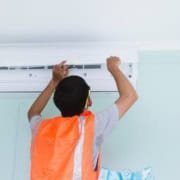

How to Repair AC Compressor Coil in 7 Easy Steps

How to Repair AC Compressor Coil in 7 Easy Steps

Introduction

An AC compressor coil is one of the most important parts of an HVAC system. It helps transfer heat and supports the cooling cycle inside an air conditioning unit. When the compressor coil becomes dirty, damaged, or blocked, the AC system cannot cool properly. This can increase electricity usage, reduce airflow, and shorten the life of the HVAC system.

AC compressor coil repair is important for maintaining cooling efficiency and indoor comfort. A damaged coil can cause refrigerant leaks, weak cooling performance, frozen coils, and compressor overheating. In many cases, small coil problems can become major HVAC repairs if they are ignored for too long.

Most AC compressor coil damage happens because of dirt buildup, corrosion, restricted airflow, refrigerant pressure imbalance, or physical damage from outdoor conditions. Dust, moisture, and debris often collect around the outdoor condenser unit, especially during summer months. Poor maintenance can also reduce heat transfer efficiency and force the compressor to work harder.

Early repair helps improve airflow, reduce energy consumption, and prevent expensive compressor replacement. Regular coil maintenance can improve HVAC performance by up to 15% in some systems. It also supports better indoor air quality and extends the lifespan of air conditioning equipment.

Understanding the AC Compressor Coil

What Is an AC Compressor Coil?

An AC compressor coil is a metal tube system used inside an air conditioning unit to transfer heat. The coil works with refrigerant to absorb indoor heat and release it outside. Copper and aluminum are the most common materials used in HVAC coils because they transfer heat efficiently.

The compressor coil plays a major role in refrigerant circulation. Refrigerant moves through the coil under pressure and changes temperature during the cooling process. This heat exchange process helps maintain stable indoor temperatures.

Types of AC Coils

There are two main types of AC coils used in HVAC systems.

The condenser coil is located inside the outdoor unit. It releases heat collected from indoor air. A condenser fan helps move air across the coil to improve heat dissipation.

The evaporator coil is usually installed inside the indoor air handler. It absorbs heat from indoor air and cools the airflow before it enters living spaces.

Indoor and outdoor coils work together but operate in different environments. Outdoor condenser coils are exposed to weather, dust, rain, and debris. Indoor evaporator coils are more likely to collect moisture and mold if airflow becomes restricted.

Main Components Connected to the Compressor Coil

Several HVAC components work together with the compressor coil.

The compressor unit increases refrigerant pressure and moves refrigerant through the system. Refrigerant lines carry refrigerant between indoor and outdoor units. The condenser fan improves airflow around the condenser coil to release heat efficiently.

Electrical wiring powers the compressor, fan motor, and control system. Damaged wiring can reduce HVAC performance and create safety risks.

Air filters also affect coil performance. Dirty filters reduce airflow and can cause ice buildup on evaporator coils. Proper airflow is necessary for stable heat transfer and energy efficiency.

Signs Your AC Compressor Coil Needs Repair

A damaged AC compressor coil often shows clear warning signs before complete system failure happens.

Reduced cooling performance is one of the most common symptoms. Rooms may feel warmer even when the thermostat setting is correct. Weak airflow can also indicate restricted coils or airflow blockage.

Warm air coming from air vents usually means the HVAC system is not transferring heat properly. This can happen because of refrigerant leaks, clogged condenser coils, or compressor problems.

Refrigerant leaks are another common issue. Low refrigerant levels reduce cooling efficiency and increase compressor strain. Oil stains around refrigerant lines may indicate leakage points.

Ice formation on coils often occurs when airflow becomes restricted or refrigerant pressure drops. Frozen coils can stop the cooling cycle completely.

Unusual noises from the AC unit may indicate loose coil components, electrical problems, or compressor stress. Buzzing, rattling, or hissing sounds should be inspected quickly.

Higher electricity bills can also signal compressor coil problems. A dirty or damaged coil forces the HVAC system to work harder and consume more energy.

Frequent system cycling is another warning sign. The AC unit may turn on and off repeatedly because of overheating or poor heat transfer.

Common Causes of AC Compressor Coil Damage

Dirt and debris accumulation is one of the leading causes of AC coil damage. Dust blocks airflow and reduces heat transfer efficiency. Outdoor condenser units are especially vulnerable to leaves, pollen, and dirt buildup.

Corrosion and rust can weaken coil surfaces over time. Moisture exposure and chemical pollutants may damage copper or aluminum coil materials.

Refrigerant pressure problems can also damage compressor coils. Low refrigerant levels increase compressor workload and may cause overheating.

Poor airflow is another major issue. Dirty air filters, blocked vents, or damaged blower fans reduce air circulation around coils.

Electrical issues such as loose wiring, damaged capacitors, or voltage fluctuations can affect compressor performance and create overheating conditions.

Outdoor condenser units may also suffer physical damage from storms, falling objects, or accidental impact.

Lack of routine HVAC maintenance increases the risk of coil failure. Systems that are not cleaned regularly often experience reduced cooling efficiency and higher repair costs.

Tools and Materials Needed for AC Compressor Coil Repair

Proper HVAC repair tools help improve safety and repair accuracy.

A coil fin comb is used to straighten bent coil fins and restore airflow. A multimeter helps test electrical voltage, continuity, and capacitor performance.

Coil cleaning solution removes dirt, grease, and debris from condenser and evaporator coils. Screwdrivers are needed to remove access panels and secure electrical connections.

A soft brush helps clean delicate coil surfaces without causing damage. A fin straightener improves airflow by correcting bent aluminum fins.

A leak detection kit helps locate refrigerant leaks in HVAC systems. Some technicians also use electronic leak detectors for accurate results.

Safety equipment is also necessary during AC compressor coil repair. Safety gloves protect hands from sharp metal edges and chemicals. Safety goggles help prevent eye injuries. Protective clothing reduces exposure to refrigerant and cleaning agents.

Safety Precautions Before Repairing an AC Compressor Coil

Safety should always be the first priority during HVAC repair work.

Turn off the power supply before opening the AC unit. Disconnect the circuit breaker and thermostat controls to avoid electrical shock.

Electrical components should be discharged safely before handling capacitors or wiring. HVAC capacitors can store electrical energy even after the power is disconnected.

Refrigerant must be handled carefully because direct exposure can cause skin injuries and breathing problems. Certified HVAC technicians should manage major refrigerant repairs.

Avoid damaging coil fins during cleaning or repair. Bent fins reduce airflow and decrease cooling performance.

Proper ventilation is also important when using coil cleaning chemicals. Some cleaners release fumes that may irritate the eyes and respiratory system.

How to Repair AC Compressor Coil in 7 Easy Steps

Step 1: Inspect the AC Compressor Coil

Start by examining the entire coil surface carefully. Look for dirt buildup, corrosion, oil stains, refrigerant leaks, and damaged fins.

Check for bent aluminum fins that may block airflow. Inspect refrigerant lines for cracks or loose fittings. A flashlight can help identify hidden damage inside the condenser unit.

Step 2: Turn Off and Isolate the AC System

Disconnect electrical power from the HVAC system before beginning repairs. Turn off the circuit breaker connected to the outdoor condenser unit.

Secure the outdoor unit and keep the repair area dry and clean. This reduces electrical hazards and improves repair safety.

Step 3: Clean the Compressor Coil Properly

Remove visible dirt and debris using a soft brush or vacuum. Avoid using sharp tools that may damage the coil surface.

Apply a coil cleaning solution evenly across the coil. Allow the cleaner to loosen dirt for several minutes.

Rinse the coil gently with low-pressure water and allow it to dry completely before restoring power.

Step 4: Straighten Bent Coil Fins

Use a fin comb to straighten bent coil fins carefully. Work slowly to avoid further damage.

Straight fins improve airflow and increase heat transfer efficiency. Better airflow also helps reduce compressor strain and cooling loss.

Step 5: Repair Refrigerant Leaks

Locate refrigerant leaks using a leak detection kit or electronic detector. Common leak areas include joints, copper tubing, and connection points.

Seal minor leaks using approved HVAC repair methods. Large leaks may require professional brazing or coil replacement.

Check refrigerant pressure levels after completing repairs. Incorrect refrigerant pressure can reduce cooling performance and damage the compressor.

Step 6: Inspect Electrical Connections

Examine all electrical connections for loose wires, corrosion, or damaged insulation.

Tighten loose connections carefully. Use a multimeter to test capacitors, relays, and voltage levels.

Check compressor continuity to confirm proper electrical operation. Faulty electrical components should be replaced immediately.

Step 7: Test the AC System After Repair

Restore electrical power after completing all repairs.

Monitor cooling performance and check airflow from air vents. Measure indoor temperature reduction to confirm proper operation.

Inspect the system for unusual sounds, refrigerant leaks, or airflow restrictions during testing.

Common Mistakes to Avoid During AC Compressor Coil Repair

High-pressure water should never be used directly on AC coils because it can bend fins and damage delicate components.

Ignoring refrigerant leaks can lead to compressor overheating and complete HVAC system failure.

Overbending coil fins reduces airflow efficiency and restricts heat transfer.

Skipping safety procedures increases the risk of electrical shock and refrigerant exposure.

Incorrect cleaning chemicals may damage aluminum and copper coil materials. HVAC-approved cleaners should always be used.

AC Compressor Coil Maintenance Tips

Regular maintenance helps improve HVAC performance and reduce repair costs.

Clean AC coils every 3 to 6 months, especially during heavy summer use. Replace dirty air filters regularly to maintain proper airflow.

Keep the outdoor condenser unit free from leaves, grass, and debris. At least 2 feet of open space around the unit helps improve airflow.

Annual HVAC inspections help detect refrigerant leaks, electrical problems, and airflow restrictions before major damage occurs.

Refrigerant levels should also be monitored to maintain stable cooling efficiency and compressor protection.

When to Repair vs Replace an AC Compressor Coil

Repair is often enough when coil damage is minor and refrigerant leaks are small. Cleaning, fin straightening, and leak sealing can restore HVAC performance in many cases.

Replacement may be necessary when coils have severe corrosion, multiple leaks, or extensive structural damage.

Older HVAC systems with repeated compressor problems may benefit more from full coil replacement.

Repair costs are usually lower than replacement costs, but repeated repairs can become expensive over time. HVAC technicians often recommend replacement when repair costs exceed 50% of replacement value.

Average AC Compressor Coil Repair Cost

Several factors affect AC compressor coil repair costs.

Coil size influences labor time and material usage. Larger HVAC systems often require more refrigerant and longer repair time.

Labor charges vary based on technician experience and service location. Refrigerant type also affects repair pricing because some refrigerants are more expensive.

Minor cleaning and maintenance repairs may cost between $100 and $300. Refrigerant leak repairs can range from $200 to $1,500 depending on damage severity.

DIY repairs may reduce labor costs, but incorrect repairs can damage HVAC components further. Professional HVAC repair services usually provide better diagnostic accuracy and safer refrigerant handling.

Benefits of Timely AC Compressor Coil Repair

Timely repair improves cooling efficiency and supports stable indoor temperatures.

A clean and functional coil reduces energy consumption and lowers monthly electricity bills.

Proper maintenance also extends HVAC system lifespan by reducing compressor strain and overheating risk.

Improved airflow and cleaner coils help support better indoor air quality by reducing dust buildup and airflow contamination.

Frequently Asked Questions

Can I Repair an AC Compressor Coil Myself?

Basic cleaning and fin straightening can often be completed by homeowners. Refrigerant handling and major electrical repairs should be completed by licensed HVAC technicians.

How Long Does AC Compressor Coil Repair Take?

Minor repairs may take 1 to 3 hours. Larger repairs involving refrigerant leaks or electrical replacement may require additional time.

What Causes AC Compressor Coil Leaks?

Corrosion, vibration, pressure imbalance, and physical damage are common causes of refrigerant leaks in AC coils.

How Often Should AC Coils Be Cleaned?

Most HVAC systems benefit from coil cleaning every 3 to 6 months. Dusty environments may require more frequent maintenance.

Is It Better to Repair or Replace a Damaged Coil?

Minor damage can usually be repaired. Severe corrosion, repeated leaks, or old HVAC systems may require full replacement.

How Much Does It Cost to Fix an AC Compressor Coil?

Repair costs usually range from $100 to $1,500 depending on coil condition, refrigerant type, and labor requirements.

Conclusion

Regular HVAC maintenance plays an important role in keeping AC compressor coils clean and efficient. Proper airflow, stable refrigerant pressure, and clean condenser coils help improve cooling performance and reduce system strain.

The 7-step repair process includes inspection, cleaning, leak repair, fin straightening, electrical testing, and final system evaluation. Each step supports better HVAC efficiency and safer operation.

Timely AC compressor coil repair can reduce energy costs, improve indoor comfort, and extend HVAC system lifespan. Regular inspections and preventive maintenance also help prevent expensive compressor failure and major air conditioning repairs.

How to Repair an AC Compressor in 10 Easy Steps 

How to Repair an AC Compressor in Easy Steps 

Introduction

An air conditioner compressor is the main component responsible for circulating refrigerant through an HVAC system. It compresses refrigerant gas and moves heat from indoor spaces to the outside environment. Without a properly working compressor, an air conditioner cannot cool effectively. Many homeowners experience cooling problems during summer because of compressor failure, refrigerant leaks, electrical issues, or damaged HVAC components.

Understanding How to Repair an AC Compressor is important because compressor replacement can cost between $1,200 and $3,500 depending on the system type, cooling capacity, and labor costs. Minor compressor problems can often be repaired before major system damage occurs. Early repair also improves energy efficiency, airflow, and indoor comfort.

Several warning signs may indicate compressor problems. Warm air from vents, unusual outdoor noises, frozen refrigerant lines, hard starting issues, short cycling, and rising electricity bills are common symptoms. Ignoring these issues may increase wear on condenser coils, evaporator coils, capacitors, and contactors.

This complete guide explains How to Repair an AC Compressor safely and effectively. It covers compressor functions, common warning signs, causes of compressor failure, safety procedures, troubleshooting methods, repair steps, maintenance practices, repair costs, and professional HVAC service recommendations.

Understanding How an AC Compressor Works

An AC compressor works as the pumping system inside an HVAC unit. It compresses low-pressure refrigerant gas into high-pressure gas before sending it through the condenser coil. During this process, refrigerant temperature increases significantly. The condenser fan then removes heat from the refrigerant, allowing it to cool and change into liquid form.

The cooled refrigerant moves through expansion valves and enters the evaporator coil. Inside the evaporator coil, refrigerant absorbs indoor heat and creates cool air that flows through air ducts and vents. This cooling cycle repeats continuously while the air conditioner operates.

If the compressor stops working, refrigerant circulation also stops. The air conditioner may still run, but indoor air will remain warm because heat transfer cannot occur properly.

Different HVAC systems use different compressor designs. Reciprocating compressors use pistons to compress refrigerant. These compressors are common in older residential systems. Scroll compressors use spiral-shaped mechanisms for smoother operation and improved efficiency. Modern central air conditioners often use scroll compressors because they produce less vibration and lower noise levels.

Rotary compressors use rotating blades for refrigerant compression. These compressors are often found in compact air conditioners and mini-split systems. Screw compressors are larger systems used in commercial buildings and industrial HVAC applications.

Several HVAC components work closely with the compressor. The capacitor helps start the compressor motor. The contactor controls electrical power flow. Refrigerant lines move refrigerant between indoor and outdoor units. Condenser coils release heat outside the building, while evaporator coils absorb heat indoors. Thermostats regulate cooling cycles based on room temperature settings.

Understanding these connected systems is essential when learning How to Repair an AC Compressor because many compressor problems originate from related HVAC components.

Common Signs of a Bad AC Compressor

A failing AC compressor usually produces several warning signs before complete failure occurs. Early diagnosis can reduce repair costs and prevent severe HVAC damage.

Warm air blowing from vents is one of the most common symptoms. The compressor may fail to circulate refrigerant correctly, reducing cooling performance. Indoor temperatures may stay above thermostat settings even while the AC system runs continuously.

Loud noises from the outdoor condenser unit often indicate internal compressor damage. Grinding sounds may suggest worn bearings. Clicking noises can indicate faulty contactors. Buzzing sounds often point to electrical problems or capacitor failure.

Frequent circuit breaker trips are another serious warning sign. A failing compressor motor may draw excessive electrical current, forcing the breaker to shut down the system for safety protection. Repeated breaker trips should be inspected immediately because overheating wires can create fire risks.

Hard starting problems also indicate compressor issues. The system may struggle to start or produce humming sounds without running properly. In many cases, failed capacitors or locked compressor motors cause this problem.

Reduced airflow and weak cooling efficiency are also common symptoms. Some rooms may feel warmer than others because the HVAC system cannot maintain proper refrigerant pressure.

Outdoor units with excessive vibration may contain damaged compressor mounts or loose internal components. Frozen refrigerant lines can also appear during compressor malfunction because of improper refrigerant circulation.

Short cycling is another major problem. The air conditioner may turn on and off repeatedly within short periods. This increases electricity usage and places extra pressure on the compressor motor.

A burning smell near the outdoor condenser unit often indicates overheated wiring, damaged insulation, or electrical failure inside the compressor housing. Immediate shutdown and inspection are necessary when burning odors appear.

Main Causes of AC Compressor Failure

Several electrical, refrigerant-related, and mechanical problems can damage an AC compressor over time.

Electrical problems are among the leading causes of compressor failure. Voltage fluctuations, power surges, and damaged electrical wiring can overheat compressor motors and damage internal windings. Poor electrical connections also increase resistance and create excessive heat buildup.

Faulty capacitors are another common issue. The capacitor provides startup energy for the compressor motor. If the capacitor becomes swollen, weak, or damaged, the compressor may fail to start correctly.

Contactor failure can also interrupt electrical flow. Burnt or worn contact points prevent proper voltage delivery to the compressor.

Refrigerant issues are another major cause of damage. Low refrigerant levels reduce lubrication inside the compressor and increase internal temperatures. Refrigerant leaks force the compressor to work harder, reducing lifespan and cooling efficiency.

Overcharged refrigerant systems can also create excessive pressure inside refrigerant lines. High pressure may damage valves, seals, and internal compressor components.

Mechanical problems include dirty condenser coils, overheating, blocked suction lines, and lack of lubrication. Dirty condenser coils trap heat and reduce airflow around the outdoor unit. Compressor operating temperatures may rise above safe levels during hot weather.

Lack of lubrication increases friction between moving parts. Over time, bearings and internal motor parts wear down. Blocked suction lines restrict refrigerant flow and create pressure imbalance inside the HVAC system.

Understanding these common causes helps homeowners prevent major compressor failure and improve system reliability.

Safety Precautions Before Repair

Safety is extremely important when working on HVAC systems. Air conditioners contain high-voltage electrical components and pressurized refrigerant lines. Improper handling can cause serious injury or equipment damage.

Always turn off the power supply before starting any repair work. Switch off the circuit breaker connected to the HVAC system and confirm electrical shutdown using a voltage tester.

Wear insulated gloves and safety goggles during inspection and repair procedures. Electrical shocks and refrigerant exposure can cause severe injury.

Use insulated tools designed for HVAC electrical work. Standard household tools may not provide proper electrical protection.

Avoid direct refrigerant exposure because refrigerants can cause skin burns, breathing problems, and eye irritation. Federal regulations in many countries also require licensed technicians for refrigerant handling and recovery procedures.

Several tools are commonly used during compressor repair. A multimeter measures electrical voltage and continuity. Refrigerant gauge sets measure refrigerant pressure levels. Screwdrivers and wrench sets help remove panels and tighten components. Clamp meters measure electrical current draw. Vacuum pumps remove moisture and air from refrigerant lines during system service.

Safe working procedures reduce injury risks and prevent further HVAC damage during repair operations.

How to Repair an AC Compressor in 10 Easy Steps

  • The first step in How to Repair an AC Compressor is shutting off electrical power completely. Turn off the breaker connected to the outdoor condenser unit. Confirm power shutdown with a multimeter before touching electrical components.
  • Next, inspect thermostat settings carefully. Make sure the thermostat is set to cooling mode and the temperature setting is lower than the current room temperature. Incorrect thermostat settings may sometimes appear as compressor failure.
  • After checking thermostat settings, examine the circuit breaker panel. Reset any tripped breakers and monitor system operation. If the breaker trips repeatedly, electrical overload or compressor damage may exist.
  • Inspect the capacitor for visible damage. Swollen tops, leaking fluid, or burnt terminals indicate capacitor failure. Use a multimeter to test capacitor readings and compare them with manufacturer specifications.
  • Check the contactor inside the outdoor condenser unit. Burnt or blackened contact points can interrupt electrical flow to the compressor. Electrical continuity testing helps confirm contactor condition.
  • Inspect refrigerant levels using a gauge set. Low refrigerant pressure often indicates leaks within refrigerant lines or coils. Oil residue near refrigerant connections may also signal leakage points.
  • Clean condenser coils thoroughly to improve airflow efficiency. Dirt, dust, leaves, and debris reduce heat transfer and increase compressor temperatures. Use coil cleaner and low-pressure water for safe cleaning.
  • Test compressor wiring connections carefully. Loose wires, burnt insulation, and damaged terminals can interrupt compressor operation. Tighten loose connections and replace damaged wires immediately.
  • Some compressors include a manual reset button. Resetting the compressor may restore operation after overheating conditions. However, repeated overheating usually indicates deeper mechanical or electrical problems.
  • Finally, restore electrical power and test the entire AC system. Monitor airflow, cooling performance, compressor noise levels, refrigerant pressure, and system cycling operation. Abnormal sounds or weak cooling may require additional HVAC inspection.
  • Understanding How to Repair an AC Compressor correctly helps prevent expensive system replacement and improves cooling performance.

Troubleshooting AC Compressor Problems

Some compressor problems can be diagnosed through basic troubleshooting procedures.

If the compressor does not turn on, inspect the electrical power supply first. Tripped breakers, damaged wiring, failed capacitors, or defective thermostats may interrupt startup operation. Faulty start relays can also prevent compressor activation.

If the compressor hums but does not start, the system may contain a locked compressor motor or failed capacitor. Hard starting conditions usually indicate electrical or mechanical resistance inside the compressor.

If the compressor shuts off frequently, overheating is often the main cause. Dirty condenser coils, blocked airflow, refrigerant imbalance, or electrical overload can trigger automatic shutdown protection.

Proper troubleshooting reduces unnecessary replacement costs and helps identify repairable HVAC issues quickly.

When to Repair vs Replace an AC Compressor

Compressor repair is often practical when damage involves minor electrical components such as capacitors, contactors, or wiring connections. Refrigerant leaks and airflow restrictions can also usually be repaired without replacing the entire compressor.

Replacement may become necessary when the compressor motor burns out or refrigerant contamination spreads throughout the HVAC system. Major internal damage often increases repair costs significantly.

HVAC system age also affects replacement decisions. Systems older than 12 to 15 years may operate less efficiently and contain outdated refrigerants. Replacing older systems may reduce long-term energy costs and improve cooling efficiency.

Average AC compressor repair costs range from $200 to $1,200 depending on the damaged component and labor requirements. Full compressor replacement often costs between $1,500 and $3,500. Refrigerant recharge services, labor fees, and HVAC system size also affect final pricing.

Understanding repair and replacement options is important for homeowners researching How to Repair an AC Compressor effectively.

AC Compressor Maintenance Tips

Regular maintenance improves compressor lifespan and reduces HVAC breakdown risks.

Condenser coils should be cleaned regularly to maintain proper airflow and heat transfer. Dirty coils increase compressor temperatures and reduce cooling efficiency.

Air filters should be replaced every 1 to 3 months depending on indoor air quality and HVAC usage. Restricted airflow places additional stress on the compressor and blower motor.

Professional HVAC inspections should be scheduled at least once each year. Technicians can inspect refrigerant levels, electrical systems, condenser performance, and airflow conditions.

Monitoring refrigerant pressure is also important because low refrigerant levels reduce lubrication and increase compressor wear.

Proper maintenance reduces overheating, lowers electricity usage, improves cooling performance, and minimizes repair costs over time.

Professional AC Compressor Repair Services

Some compressor repairs require professional HVAC technicians. Electrical hazards, refrigerant handling, and internal compressor damage should only be managed by trained professionals.

Licensed HVAC technicians use advanced diagnostic equipment to inspect refrigerant pressure, compressor amperage, airflow performance, and electrical resistance levels.

Professional repair services may include refrigerant leak testing, capacitor replacement, contactor replacement, pressure balancing, compressor cleaning, and complete system performance inspection.

Professional maintenance also improves energy efficiency and helps extend HVAC equipment lifespan.

Frequently Asked Questions

Can I repair an AC compressor myself?

Basic inspections such as thermostat checks, condenser cleaning, and breaker resets can often be handled safely. Electrical repairs and refrigerant work should usually be performed by licensed HVAC professionals.

How long does an AC compressor last?

Most residential AC compressors last between 10 and 15 years with proper maintenance and regular HVAC inspections.

What causes an AC compressor to stop working?

Common causes include low refrigerant levels, dirty condenser coils, electrical failure, capacitor damage, overheating, and poor maintenance.

Is it cheaper to repair or replace an AC compressor?

Minor electrical repairs are usually cheaper than replacement. Major motor failure or severe refrigerant contamination may make replacement more cost-effective.

How much does AC compressor repair cost?

Repair costs typically range from $200 to $1,200 depending on labor, refrigerant type, and damaged components.

Can low refrigerant damage the compressor?

Yes. Low refrigerant reduces lubrication and increases operating temperatures, which may cause overheating and internal compressor failure.

Conclusion

Understanding How to Repair an AC Compressor helps homeowners identify HVAC problems early and reduce costly repairs. Compressor issues often begin with refrigerant leaks, electrical failure, dirty condenser coils, overheating, or damaged capacitors.

The repair process includes power shutdown, thermostat inspection, breaker testing, capacitor inspection, contactor testing, refrigerant pressure inspection, condenser cleaning, wiring inspection, compressor reset procedures, and final system testing.

Regular HVAC maintenance improves compressor efficiency, extends system lifespan, lowers electricity usage, and reduces emergency repair risks. Professional inspections also help detect refrigerant problems and electrical damage before major failure occurs.

Complex compressor repairs should always be handled by qualified HVAC technicians. Professional service improves system safety, cooling performance, and long-term reliability.

10 Common AC Repair Problems and How to Fix Them

10 Common AC Repair Problems and How to Fix Them

Air conditioners play an important role in maintaining indoor comfort in homes, offices, warehouses, and commercial facilities. A properly functioning AC system controls indoor temperature, improves air circulation, and helps maintain humidity levels. However, regular operation and environmental exposure can create technical problems that reduce cooling efficiency and increase electricity consumption.

Many residential and commercial properties, including facilities connected with Industrial infrastructure services in Western Australia, depend on reliable cooling systems throughout the year. Understanding common AC repair problems helps property owners identify issues early and reduce the risk of expensive breakdowns.

Dirty Air Filters

Dirty air filters are one of the most common causes of poor AC performance. Air filters trap dust, pollen, dirt, and airborne particles before they enter the cooling system. Over time, accumulated debris restricts airflow and forces the unit to work harder.

Restricted airflow reduces cooling efficiency and increases energy consumption. Common warning signs include weak airflow, uneven room temperatures, excessive indoor dust, and higher electricity bills. Replacing or cleaning filters every 30 to 90 days helps maintain proper airflow and system efficiency.

Large commercial buildings and Industrial infrastructure services in Western Australia often require more frequent filter maintenance because of higher dust exposure and continuous system operation.

Refrigerant Leaks

Refrigerant is responsible for absorbing and transferring heat during the cooling process. When refrigerant levels drop, the AC system cannot cool indoor spaces effectively. Low refrigerant levels usually indicate a leak within the system.

Common signs of refrigerant leaks include warm air from vents, ice buildup on evaporator coils, hissing sounds, and longer cooling cycles. Refrigerant leaks also increase compressor strain, which may lead to major equipment failure if ignored.

Professional HVAC technicians use specialized tools to locate leaks, repair damaged areas, and recharge refrigerant according to manufacturer specifications.

Frozen Evaporator Coils

Evaporator coils absorb heat from indoor air. Limited airflow or refrigerant problems can cause the coils to freeze. Ice buildup prevents proper heat absorption and reduces cooling performance.

Frozen evaporator coils often develop because of dirty air filters, blocked vents, or low refrigerant levels. Property owners may notice weak airflow, water leakage, or sudden AC shutdowns.

Turning off the system allows the ice to melt. Cleaning filters and inspecting airflow pathways usually help restore normal operation. Commercial cooling systems used in Industrial infrastructure services in Western Australia often undergo scheduled inspections to reduce the risk of coil freezing.

Faulty Thermostat

The thermostat controls temperature settings and cooling cycles. A malfunctioning thermostat may cause irregular system operation and temperature inconsistencies.

Common thermostat problems include inaccurate temperature readings, frequent cycling, or failure to start the AC unit. Battery failure, wiring problems, or outdated equipment can also affect thermostat performance.

Modern programmable thermostats improve energy management and provide more accurate temperature control. Recalibration or replacement often resolves thermostat-related issues.

Clogged Drain Lines

Air conditioners remove moisture from indoor air during operation. The condensate drain line carries excess moisture outside the building. Dirt, algae, and debris can block the drainage system over time.

Blocked drain lines may cause water leakage around indoor units, increased humidity, musty odors, and system shutdowns. Excess moisture may also contribute to mold growth and structural damage.

Routine drain line cleaning helps maintain proper drainage and reduces moisture-related problems.

Dirty Condenser Coils

Condenser coils release heat collected from indoor spaces. Outdoor condenser units are exposed to dirt, leaves, dust, and weather conditions, which can reduce heat transfer efficiency.

Dirty condenser coils force the AC system to consume more energy while delivering less cooling performance. Common symptoms include overheating, loud outdoor unit operation, and rising electricity bills.

Cleaning condenser coils and maintaining clear airflow around the outdoor unit improves cooling efficiency and supports longer equipment lifespan. Many Industrial infrastructure services in Western Australia follow preventive maintenance schedules to keep condenser systems operating efficiently.

Compressor Problems

The compressor circulates refrigerant throughout the cooling system. It is one of the most critical AC components. Compressor failure can affect the entire cooling process and may result in complete system shutdown.

Common causes include overheating, electrical faults, dirty coils, and refrigerant imbalance. Warning signs often include loud noises, poor cooling performance, and tripped circuit breakers.

Repair costs vary depending on system size, compressor type, and equipment condition. Older systems may require full replacement if compressor damage is extensive.

Electrical Component Failure

Air conditioning systems contain electrical parts such as capacitors, relays, contactors, and circuit boards. Continuous operation and voltage fluctuations can damage these components over time.

Electrical problems may cause intermittent shutdowns, clicking sounds, burning odors, or complete system failure. Corroded wiring and loose electrical connections can also create safety hazards.

Routine inspections help identify damaged components before major failures occur.

Fan Motor Problems

Fan motors help move air across evaporator and condenser coils. When fan motors fail, airflow becomes restricted and cooling performance decreases.

Grinding noises, overheating, weak airflow, and outdoor fan failure are common signs of motor-related issues. Worn bearings, lubrication problems, or capacitor damage often contribute to fan motor failure.

Timely repairs help prevent additional strain on the compressor and improve system reliability.

Sensor Malfunctions

Modern air conditioners use sensors to monitor indoor temperatures and regulate cooling cycles. Misaligned or damaged sensors may cause irregular operation and temperature fluctuations.

Short cycling and inconsistent cooling are common symptoms of sensor problems. HVAC technicians inspect sensor placement and electrical connections to restore accurate temperature control.

Importance of Preventive AC Maintenance

Preventive maintenance improves cooling efficiency, reduces repair frequency, and extends equipment lifespan. Most air conditioning systems operate effectively for 10 to 15 years when maintained properly.

Routine maintenance includes filter replacement, coil cleaning, refrigerant inspection, drain line cleaning, and electrical testing. Well-maintained systems can reduce energy consumption and improve indoor comfort.

Facilities associated with Industrial infrastructure services in Western Australia often implement scheduled HVAC maintenance programs to reduce downtime and improve operational performance.

When Professional AC Repair Is Necessary

Minor maintenance tasks can help improve AC performance, but certain problems require professional repair services. Refrigerant handling, electrical repairs, compressor replacement, and major system diagnostics should always be performed by licensed HVAC technicians.

Professional inspections help identify hidden issues before they develop into expensive equipment failures. Early repairs also improve system efficiency and reduce long-term operating costs.

FAQ

What is the most common AC repair problem?

Dirty air filters are among the most common AC problems because they restrict airflow and reduce cooling efficiency.

Why is my AC running but not cooling properly?

Low refrigerant levels, dirty coils, thermostat issues, or compressor problems can reduce cooling performance.

How often should an AC system be serviced?

Most residential systems should receive maintenance at least once per year. Commercial systems may require more frequent inspections.

Can refrigerant leaks damage an air conditioner?

Yes. Low refrigerant levels increase compressor strain and may lead to major equipment failure.

How long does an air conditioner usually last?

Most AC systems last between 10 and 15 years when maintained regularly.

Conclusion

Air conditioners experience performance issues over time because of continuous operation, dust exposure, moisture buildup, and component wear. Problems such as dirty filters, refrigerant leaks, frozen coils, and electrical failures can reduce cooling efficiency and increase operating costs.

Regular maintenance and timely repairs help maintain reliable performance and improve equipment lifespan. Proper inspections also reduce the risk of major breakdowns and support better indoor comfort.

Understanding common AC repair problems allows homeowners, businesses, and Industrial infrastructure services in Western Australia to improve cooling system reliability and reduce long-term maintenance costs.

AC Repair Mistakes

5 AC Repair Mistakes You Have to Avoid

Air conditioners are essential for maintaining indoor comfort, especially during high-temperature seasons. A well-maintained AC system improves cooling efficiency, reduces electricity consumption, and extends equipment life. However, many homeowners make common repair mistakes that lead to higher costs, poor performance, and system failure.

Understanding these mistakes helps prevent unnecessary breakdowns and protects your investment. Whether you use a split AC, window AC, central air conditioner, or ductless system, avoiding these repair errors is important for long-term performance.

1. Ignoring Regular Maintenance

One of the biggest mistakes is waiting for the air conditioner to fail before taking action. Preventive maintenance is more cost-effective than emergency repairs.

Why It Is a Problem

Dust buildup, clogged filters, dirty condenser coils, and blocked drainage lines reduce airflow and cooling efficiency. This forces the compressor and fan motor to work harder, increasing wear and energy use.

What to Do Instead

Schedule professional AC maintenance at least twice a year. Basic maintenance should include:

  • Air filter cleaning or replacement
  • Condenser coil inspection
  • Refrigerant level check
  • Thermostat testing
  • Electrical connection inspection
  • Drain line cleaning

Routine servicing can improve energy efficiency by 5% to 15% depending on system condition.

2. Attempting DIY Repairs Without Proper Knowledge

Many users try to fix AC problems themselves after watching online tutorials. While simple cleaning is acceptable, technical repairs without training can cause serious damage.

Why It Is a Problem

Incorrect handling of refrigerant lines, compressors, capacitors, or circuit boards may damage the unit permanently. Refrigerant systems also require proper tools and safety procedures.

Common DIY risks include:

  • Refrigerant leakage
  • Electrical shock
  • Compressor damage
  • Incorrect thermostat calibration
  • Warranty cancellation

What to Do Instead

Leave technical repairs to licensed HVAC professionals. Certified technicians follow safety standards and manufacturer guidelines.

DIY should be limited to:

  • Cleaning filters
  • Removing visible dust
  • Checking thermostat batteries
  • Ensuring outdoor unit clearance

3. Choosing the Cheapest Repair Service

Low-cost repair services may seem attractive, but poor workmanship often creates larger problems later.

Why It Is a Problem

Unqualified technicians may use low-quality spare parts, incorrect refrigerant charging methods, or temporary fixes instead of proper repairs.

This can result in:

  • Repeated breakdowns
  • Higher long-term costs
  • Reduced cooling efficiency
  • Compressor failure
  • Safety hazards

What to Do Instead

Choose experienced and verified AC repair professionals with:

  • Proper licensing
  • Service warranty
  • Genuine spare parts
  • Transparent pricing
  • Positive customer reviews

Quality repair reduces repeat service calls and improves system reliability.

4. Delaying Small Repairs

Many people ignore small AC issues such as unusual noise, weak airflow, water leakage, or minor temperature fluctuations.

Why It Is a Problem

Small problems often indicate larger internal issues. For example:

  • Water leakage may signal blocked drainage
  • Weak airflow may indicate blower motor problems
  • Strange sounds may suggest loose components
  • Warm air may indicate refrigerant issues

Delaying repairs can turn a minor service visit into a major compressor replacement.

What to Do Instead

Act immediately when warning signs appear. Early diagnosis reduces downtime and prevents expensive part replacements.

Common warning signs include:

  • AC not cooling properly
  • Ice formation on coils
  • High electricity bills
  • Frequent cycling
  • Burning smell
  • Water dripping indoors

5. Using Incorrect Thermostat Settings

Improper thermostat use affects both performance and energy consumption. Many users frequently change settings or set temperatures too low.

Why It Is a Problem

Setting the thermostat extremely low does not cool the room faster. It only forces the system to run longer, increasing power consumption and mechanical stress.

Frequent temperature changes also create unnecessary compressor cycling.

What to Do Instead

Maintain a stable thermostat setting between 24°C and 26°C for balanced comfort and energy efficiency.

Best practices include:

  • Using programmable thermostats
  • Avoiding constant manual adjustments
  • Keeping doors and windows closed
  • Using ceiling fans for airflow support

Proper thermostat management helps reduce electricity bills and extends system life.

Final Thoughts

Avoiding these five AC repair mistakes can significantly improve cooling performance, reduce repair costs, and extend the lifespan of your air conditioning system.

The most important steps are regular maintenance, timely repairs, and choosing qualified professionals instead of quick low-cost fixes. Air conditioners are long-term investments, and proper care ensures reliable operation throughout the year.

When to Use Fan Mode in AC

When to Use Fan Mode in AC: 5 Smart Situations

Introduction

Air conditioners offer different operating modes to improve comfort, save energy, and manage indoor air quality. Many people use only Cool Mode and ignore Fan Mode, even though it can be useful in many daily situations.

Understanding when to use Fan Mode in AC helps reduce electricity consumption, improves airflow, and supports better system performance. It also helps reduce unnecessary compressor usage, which can extend the life of the air conditioner.

Fan Mode is not designed for active cooling like Cool Mode. Instead, it circulates air inside the room using the indoor fan while keeping the compressor off. This makes it ideal for specific times when cooling is not necessary but airflow is still needed.

This guide explains by Premier Colling And heating what Fan Mode is, how it works, how it compares with Cool Mode, and the five smart situations where using Fan Mode makes the most sense.

What Is Fan Mode in an Air Conditioner?

Fan Mode is a setting in an air conditioner where only the indoor fan runs while the compressor remains off. The system does not produce cold air during this mode. It simply moves and circulates the existing air inside the room.

This function works similarly to a standard electric fan, but it uses the AC’s built-in indoor unit to distribute air more evenly across the space.

Most modern split AC systems, window AC units, and central air systems include Fan Mode as a standard feature. It is commonly marked with a fan blade symbol on the remote control or thermostat.

The main purpose of Fan Mode is to maintain comfort without running the cooling cycle. It helps when the room is already cool, during mild weather, or when better air circulation is needed.

Why Understanding AC Modes Matters

Many users keep their air conditioner in Cool Mode all day, even when full cooling is not required. This increases power consumption and places extra stress on the compressor.

Each AC mode serves a different purpose. Cool Mode lowers room temperature. Dry Mode reduces moisture in humid weather. Auto Mode adjusts settings automatically. Fan Mode circulates air without cooling.

Knowing when to switch between these modes improves efficiency. It also helps lower monthly electricity bills and reduces maintenance needs over time.

Using the correct mode based on room conditions is one of the simplest ways to improve AC performance and home comfort.

Quick Overview of Fan Mode vs Cool Mode

Fan Mode and Cool Mode are often confused, but they work very differently.

In Cool Mode, the compressor runs to remove heat from indoor air and release it outside. This process lowers the room temperature and can also reduce humidity.

In Fan Mode, only the fan operates. The compressor stays off, so there is no active cooling. Air moves continuously, but the room temperature remains mostly the same.

Cool Mode is best for hot days when temperature reduction is needed. Fan Mode is better for maintaining airflow when the room is already comfortable.

Choosing the right mode depends on weather, indoor temperature, humidity level, and personal comfort needs.

Understanding Fan Mode in AC

How Fan Mode Works

Fan Mode activates the blower fan inside the indoor unit. This fan pulls room air through the air filter and circulates it back into the room.

Since the refrigerant cycle does not operate, the AC does not remove heat from the air. The temperature stays close to the current room condition.

This mode helps prevent the room from feeling stuffy and improves air movement, especially in closed spaces.

Indoor Fan Operation

The indoor fan is responsible for moving air across the evaporator coil and distributing it throughout the room.

In Fan Mode, the fan works alone without the cooling system. It continues circulating air through the filters, which may help remove dust particles depending on filter quality.

Some AC systems allow users to adjust fan speed between low, medium, high, or auto settings.

Higher fan speed increases airflow, while lower speed offers quieter operation.

Compressor Behavior in Fan Mode

The compressor is the part of the AC that performs the cooling process. It compresses refrigerant and helps remove indoor heat.

In Fan Mode, the compressor stays completely off.

This is the main reason Fan Mode uses less electricity than Cool Mode. Since the compressor is usually the highest energy-consuming part of an air conditioner, keeping it off significantly reduces power usage.

Less compressor operation also means less wear and tear on important system components.

Main Purpose of Fan Mode

The main purpose of Fan Mode is air circulation without active cooling.

It helps maintain comfort when cooling is no longer needed but fresh airflow is still important.

This mode is useful after the room has already reached a comfortable temperature. It can also support better temperature balance by moving air evenly across the room.

Fan Mode is often used during evening hours, rainy seasons, or moderate weather conditions.

Common Symbols for Fan Mode on AC Remotes

Most AC remotes show Fan Mode with a simple fan blade icon.

Some brands may display the word “FAN” directly on the screen. Others may use multiple blade symbols to indicate fan speed levels.

Popular AC brands like LG, Samsung, Daikin, and Panasonic use similar icons, although remote layouts may differ.

Checking the user manual helps confirm the correct symbol for a specific model.

Fan Mode vs Cool Mode

Key Differences Between Fan Mode and Cool Mode

The biggest difference between Fan Mode and Cool Mode is compressor operation.

Cool Mode turns on both the compressor and the fan. It actively cools the room by removing heat.

Fan Mode turns on only the indoor fan. It circulates air without lowering temperature.

Cool Mode changes room temperature. Fan Mode improves airflow only.

Cool Mode also helps reduce indoor humidity because moisture condenses during cooling. Fan Mode does not perform this function effectively.

Energy Consumption Comparison

Cool Mode uses significantly more electricity because the compressor runs continuously based on temperature demand.

A typical compressor can consume several hundred to over one thousand watts depending on AC size and efficiency rating.

Fan Mode usually uses much less power because only the blower fan operates. In many systems, this can be a fraction of normal cooling energy use.

This makes Fan Mode a practical option for reducing energy costs during times when cooling is unnecessary.

Cooling Performance Comparison

Cool Mode delivers actual temperature reduction. It is designed for hot afternoons, summer seasons, and high indoor heat loads.

Fan Mode does not create cool air. It may feel cooler on the skin because moving air improves evaporation and comfort, but the room temperature remains nearly the same.

This means Fan Mode improves comfort perception, not actual cooling performance.

Which Mode Is Better for Daily Use?

Neither mode is always better. The right choice depends on room conditions.

Cool Mode is better when indoor temperature is too high.

Fan Mode is better when the room is already comfortable and only airflow is needed.

Using both modes strategically often gives the best results. Many people cool the room first and then switch to Fan Mode for maintenance.

This approach improves comfort while reducing electricity use.

5 Smart Situations to Use Fan Mode in AC

1. When the Room Is Already Cool

Once the room reaches a comfortable temperature, continuous cooling may become unnecessary.

Switching to Fan Mode helps maintain comfort without extra compressor operation.

Maintaining Comfort Without Running the Compressor

Instead of repeatedly turning the compressor on and off, Fan Mode keeps air moving and helps maintain a pleasant indoor environment.

This reduces energy use and supports longer compressor life.

It is especially useful during nighttime when outdoor temperatures naturally drop.

2. During Mild Weather or Cooler Evenings

Not every day requires full air conditioning.

During spring, monsoon season, or cooler evenings, indoor temperatures may already be manageable.

Spring and Monsoon Season Usage

In these seasons, Fan Mode helps improve comfort without overcooling the room.

It supports gentle airflow and reduces the need for constant compressor use.

This is useful in climates where temperature changes between day and night are significant.

3. For Better Air Circulation Indoors

Closed rooms can feel stale even when they are not hot.

Fan Mode helps circulate indoor air more evenly and improves comfort perception.

Removing Stale Indoor Air Feel

Air movement helps reduce stuffiness and spreads conditioned air to all corners of the room.

This can be helpful in bedrooms, offices, and living rooms where air feels heavy after long periods of closed windows.

4. To Reduce Electricity Bills

Electricity cost is one of the biggest concerns for AC users.

Fan Mode helps reduce monthly expenses because the compressor remains off.

Lower Power Consumption Compared to Cool Mode

Using Fan Mode for several hours instead of continuous Cool Mode can noticeably lower power usage.

This is especially helpful in households where the AC runs daily for long periods.

Energy-saving habits like proper temperature settings and smart mode switching can make a major difference over time.

5. After Using Cool Mode for Temperature Maintenance

A smart strategy is to cool the room first and then switch to Fan Mode.

This avoids unnecessary cooling while maintaining comfort.

Keeping Airflow Consistent Without Extra Cooling

Once the desired temperature is reached, Fan Mode continues airflow without increasing electricity demand significantly.

This method works well for bedrooms before sleep and living rooms during evening relaxation.

Benefits of Using Fan Mode in AC

Lower Energy Consumption

Since the compressor stays off, power usage drops significantly.

This makes Fan Mode one of the most energy-efficient AC settings for daily use.

Reduced Compressor Wear and Tear

Less compressor operation means fewer cooling cycles and reduced mechanical stress.

This can help lower maintenance frequency and extend system durability.

Improved Indoor Air Movement

Better airflow helps eliminate uneven temperature zones and improves overall room comfort.

It also reduces the feeling of stale air in closed environments.

Longer AC Lifespan

Reducing compressor workload helps protect one of the most expensive parts of the system.

This can improve the long-term lifespan of the air conditioner.

Quieter Operation in Some Units

Many systems operate more quietly in Fan Mode because the compressor is not running.

This can improve comfort during sleep or quiet indoor activities.

When You Should Not Use Fan Mode

During Extremely Hot Summer Days

Fan Mode cannot reduce high indoor temperatures during peak summer heat.

Cool Mode is necessary when strong cooling is required.

In High Humidity Conditions

Fan Mode does not remove moisture effectively.

During humid weather, Dry Mode or Cool Mode usually works better.

When Fast Cooling Is Needed

If the room is very hot after long sun exposure, Fan Mode will not provide quick relief.

Cool Mode should be used first.

If Indoor Air Quality Is Poor

If the room contains dust, smoke, or outdoor pollution entering indoors, Fan Mode may continue circulating poor-quality air unless filters are clean and effective.

Does Fan Mode Help With Humidity?

Fan Mode and Moisture Control Explained

Fan Mode does not actively remove moisture from the air.

It only circulates existing air, so humidity levels usually remain the same.

In some cases, high humidity may feel worse because air movement spreads the moist indoor feeling.

Why Cool Mode Works Better for Dehumidification

Cool Mode lowers temperature and removes moisture through condensation on the evaporator coil.

This process helps reduce both heat and humidity.

That is why Cool Mode is usually better during rainy seasons and humid summer conditions.

Common Mistakes to Avoid

Using Fan Mode Expecting Active Cooling

Many users expect Fan Mode to make the room colder.

It improves airflow but does not lower temperature like Cool Mode.

Running Fan Mode for Too Long in Humid Areas

In humid climates, long Fan Mode use may make rooms feel uncomfortable instead of fresh.

Cool Mode or Dry Mode is often more effective.

Ignoring Filter Maintenance

Since Fan Mode continuously circulates indoor air, dirty filters can reduce airflow quality.

Regular cleaning is necessary for healthy operation.

Incorrect Thermostat Expectations

Some users expect thermostat settings to control Fan Mode cooling.

Since the compressor is off, temperature settings do not work the same way as in Cool Mode.

Tips for Using Fan Mode Efficiently

Combine With Proper Ventilation

Opening windows during cooler hours can improve fresh airflow and make Fan Mode more effective.

Clean AC Filters Regularly

Clean filters support better airflow and improve indoor air quality.

Most residential filters should be checked every few weeks depending on usage.

Use Ceiling Fans for Better Results

Combining ceiling fans with AC Fan Mode improves air distribution and increases comfort.

This can reduce the need for stronger cooling.

Switch Modes Based on Weather Conditions

Use Cool Mode during high heat, Dry Mode during humidity, and Fan Mode when airflow alone is enough.

Smart switching improves both comfort and efficiency.

Expert Recommendations

Best Settings for Day and Night Use

During daytime heat, Cool Mode is usually necessary.

At night, Fan Mode often becomes sufficient after the room has been cooled.

This supports better sleep and lower power usage.

Ideal Seasonal Use of Fan Mode

Fan Mode works best during spring, rainy evenings with moderate temperatures, and cooler transition months.

It is less effective during extreme summer heat.

Smart Thermostat Suggestions

Modern smart thermostats can automate mode changes based on temperature and humidity.

This improves convenience and energy savings for daily use.

Frequently Asked Questions

Is Fan Mode Cheaper Than Cool Mode?

Yes. Fan Mode is usually cheaper because the compressor stays off and only the indoor fan runs.

Can I Sleep With AC on Fan Mode?

Yes, if the room is already cool and outdoor temperatures are comfortable. Many people use Fan Mode overnight for quieter and more energy-efficient operation.

Does Fan Mode Use the Compressor?

No. In standard Fan Mode, the compressor remains off.

Is Fan Mode Good for Rainy Season?

It can help with airflow, but Cool Mode or Dry Mode is usually better if humidity is high.

Can Fan Mode Replace Cool Mode?

No. Fan Mode cannot lower room temperature. It supports airflow only and cannot replace actual cooling during hot weather.

Conclusion

Fan Mode in AC is a practical feature that helps improve comfort without unnecessary cooling. It works best when the room is already cool, during mild weather, for better indoor airflow, and when reducing electricity bills is a priority.

Understanding the difference between Fan Mode and Cool Mode helps users make smarter decisions for comfort and efficiency. Fan Mode is not a replacement for cooling, but it is an excellent support feature when used correctly.

Using the right AC mode at the right time improves performance, lowers operating costs, and helps extend the life of the air conditioner. Smart usage creates better comfort with less energy waste.

AC Repair Mistakes

5 Costly AC Repair Mistakes You Must Avoid to Save Money and Extend Lifespan

Introduction

Air conditioning systems play a critical role in maintaining indoor comfort, especially in warm and humid regions. A standard air conditioner controls temperature, humidity, and air quality to create a stable indoor environment. Modern systems are designed to operate efficiently within specific temperature ranges, typically between 18°C and 26°C.

Electricity costs have increased in many regions, making energy efficiency a key concern for homeowners and businesses. An inefficient air conditioner can increase energy consumption by 10% to 30%, which directly impacts monthly utility bills. Proper operation and timely maintenance are essential to control these costs.

Improper repair practices often lead to repeated system failures, higher repair expenses, and reduced equipment lifespan. An air conditioner that is poorly maintained or incorrectly repaired may fail within 5 to 8 years, instead of reaching its standard lifespan of 10 to 15 years. This article explains by Premier Cooling and heating about the most common AC repair mistakes and provides clear guidance to avoid them.

Understanding How an Air Conditioner Works

Key Components of an AC System

An air conditioning system consists of several core components that work together to transfer heat.

The compressor is the central unit that pressurizes the refrigerant and circulates it through the system. It operates under high pressure and is responsible for maintaining the cooling cycle.

Condenser coils release heat from the refrigerant into the outdoor air. These coils are located in the outdoor unit and require proper airflow to function efficiently.

Evaporator coils absorb heat from indoor air. These coils are placed inside the indoor unit and are essential for cooling performance.

The thermostat controls the temperature by regulating system operation. It measures indoor temperature and signals the system to turn on or off based on set values.

Refrigerant is a chemical compound that absorbs and releases heat during the cooling cycle. Common refrigerants include R-22 and R-410A, each with specific pressure and handling requirements.

Basic Cooling Cycle Explained

The cooling cycle starts when the evaporator coil absorbs heat from indoor air. The refrigerant inside the coil changes from liquid to gas as it absorbs heat.

The compressor then increases the pressure and temperature of the refrigerant gas. This high-pressure gas moves to the condenser coils, where heat is released into the outside environment.

After releasing heat, the refrigerant returns to a liquid state and flows back to the evaporator. Airflow generated by fans ensures continuous heat exchange. This cycle repeats until the desired temperature is reached.

Why Avoiding AC Repair Mistakes Matters

Avoiding repair mistakes improves system efficiency and reduces electricity consumption. Incorrect repairs can increase energy usage by up to 30%, which raises operating costs.

Frequent repair errors lead to higher maintenance expenses. Replacing damaged components such as compressors or coils can cost a significant portion of the system’s total value.

The average lifespan of an air conditioner ranges from 10 to 15 years. Poor repair practices can reduce this lifespan by several years.

Safety is another critical factor. Electrical faults can cause short circuits, while improper refrigerant handling may lead to leaks and health risks. These issues require careful attention and proper procedures.

5 Costly AC Repair Mistakes You Must Avoid

Mistake #1 – Ignoring Regular Maintenance

Regular maintenance is essential for consistent AC performance. Servicing is recommended every 6 to 12 months, depending on usage and environmental conditions.

Lack of maintenance leads to clogged air filters, dirty condenser coils, and restricted airflow. These conditions reduce cooling efficiency and increase system load.

Scheduled inspections help detect early issues such as minor leaks or worn components. Cleaning filters and coils improves airflow and reduces energy consumption.

Mistake #2 – Incorrect Refrigerant Handling

Refrigerant levels must remain within manufacturer-specified limits, usually measured in PSI. Overcharging or undercharging affects system pressure and cooling performance.

Low refrigerant levels often cause poor cooling, while excess refrigerant can increase pressure and damage the compressor. Ice formation on coils and hissing sounds are common signs of imbalance.

Refrigerants must be handled using proper tools and safety procedures. Exposure to refrigerants can cause respiratory issues and environmental harm.

Mistake #3 – Attempting Complex DIY Repairs

Air conditioning systems contain electrical circuits, motors, and pressurized components. Handling these parts without proper knowledge increases the risk of damage.

Common DIY errors include incorrect wiring, loose connections, and improper installation of components. These mistakes can lead to system failure or safety hazards.

Complex repairs require a certified HVAC technician with proper tools and training. Professional servicing ensures accurate diagnosis and safe repair.

Mistake #4 – Using Wrong or Low-Quality Replacement Parts

Each air conditioner is designed with specific components that match its capacity and specifications. Using incompatible parts affects system performance.

Low-quality parts may fail quickly and reduce durability. This leads to repeated repairs and increased costs over time.

Original Equipment Manufacturer (OEM) parts meet system requirements and maintain efficiency. These parts are tested for compatibility and performance.

Mistake #5 – Neglecting Airflow and Ventilation Issues

Airflow is a key factor in cooling efficiency. Blocked vents, dirty ducts, or damaged filters restrict air movement.

Poor airflow reduces cooling capacity and increases energy usage. It can also affect indoor air quality by circulating dust and pollutants.

Regular cleaning of vents and replacement of filters ensures proper airflow. Duct inspection helps identify leaks or blockages that impact performance.

Key AC Maintenance Best Practices

Air filters should be cleaned or replaced every 1 to 3 months. This maintains airflow and improves indoor air quality.

The outdoor condenser unit requires at least 2 feet of clearance on all sides. This allows proper heat dissipation.

Thermostat settings should be maintained between 24°C and 26°C for optimal efficiency. Lower settings increase energy consumption.

Insulation and ductwork should be inspected periodically to prevent energy loss. Proper insulation improves cooling performance.

Professional servicing once a year ensures all components are inspected and maintained according to standards.

Cost Implications of Common AC Repair Mistakes

Incorrect repairs increase electricity usage by 10% to 30%, which leads to higher monthly bills.

Frequent breakdowns require repeated service visits and replacement of parts. This increases overall maintenance costs.

Poor maintenance may result in early system replacement, which involves significant investment. A new system can cost several times more than routine maintenance.

Preventive maintenance is more cost-effective than major repairs. Regular servicing reduces the risk of expensive component failures.

Safety Considerations During AC Repair

Electrical safety is critical during AC repair. Power supply should always be disconnected before handling internal components.

Refrigerants must be handled using proper equipment such as gauges and protective gear. Direct exposure should be avoided.

Technicians should use insulated tools and wear safety equipment to reduce risks. Proper handling procedures prevent accidents.

Compliance with local HVAC standards ensures safe installation and repair. These standards define correct methods and safety requirements.

When to Repair vs Replace Your AC Unit

An air conditioner older than 10 to 15 years may require replacement instead of repair. Aging systems lose efficiency and require frequent servicing.

Frequent repairs indicate underlying system issues. Replacing the unit may reduce long-term costs.

Reduced efficiency, even after repairs, suggests declining performance. Energy consumption increases in such cases.

A cost-benefit analysis helps determine the best option. If repair costs exceed 40% to 50% of replacement cost, a new system is usually more practical.

Frequently Asked Questions (FAQs)

How often should an AC unit be serviced?

An AC unit should be serviced every 6 to 12 months. High usage environments may require more frequent servicing.

What are the signs of low refrigerant levels?

Common signs include weak cooling, ice formation on coils, and unusual hissing sounds from the system.

Can I repair my AC unit myself?

Basic maintenance such as filter cleaning is possible. Complex repairs involving electrical or refrigerant systems require a certified technician.

Why is my AC running but not cooling properly?

Possible causes include low refrigerant levels, dirty coils, blocked airflow, or thermostat issues.

How can I improve AC efficiency at home?

Maintain clean filters, ensure proper airflow, set the thermostat between 24°C and 26°C, and schedule regular servicing.

Conclusion

AC repair mistakes increase costs, reduce efficiency, and shorten system lifespan. Ignoring maintenance, incorrect refrigerant handling, DIY errors, low-quality parts, and airflow issues are the most common problems.

Proper maintenance and professional servicing ensure reliable performance and lower operating costs. Regular inspections and correct repair practices extend system lifespan to its expected range of 10 to 15 years.

Maintaining optimal settings, using quality components, and addressing issues early help reduce expenses. Schedule regular maintenance and consult a qualified technician to ensure safe and efficient operation.

You have not enough Humanizer words left. Upgrade your Surfer plan.

What Is Dry Mode on AC

What Is Dry Mode on AC? 7 Key Benefits Explained

Introduction

Modern air conditioners include multiple operating modes such as cool, fan, auto, and dry. Each mode serves a specific function based on indoor conditions. Dry mode is designed to reduce excess moisture in the air while maintaining a stable temperature. It is commonly used in regions with high humidity levels.

Dry mode works by removing water vapor from indoor air without aggressive cooling. This helps maintain a comfortable environment when the air feels damp or sticky. In humid climates, indoor humidity can exceed 60%, which can reduce comfort and affect air quality.

This mode offers several practical benefits. It helps control humidity, improves comfort, reduces energy usage, and prevents moisture-related issues such as mold growth. It also supports better air quality and reduces strain on the air conditioning system. Understanding how dry mode works allows efficient use of the AC under different weather conditions.

What Is Dry Mode on an Air Conditioner?

Definition of Dry Mode

Dry mode is a function in air conditioners that focuses on reducing indoor humidity. It operates by removing moisture from the air while keeping temperature changes minimal. This mode is often represented by a water droplet symbol on the AC remote control.

The primary purpose is to maintain indoor relative humidity within the recommended range of 40% to 60%. This range supports human comfort and reduces the risk of damp-related problems.

Key Components Involved

Dry mode uses the same internal components as standard cooling, but it adjusts their operation. The compressor runs in short cycles instead of continuous operation. This limits excessive cooling while still removing moisture.

The fan operates at a lower speed. Slower airflow allows more contact time between air and the evaporator coil. The evaporator coil plays a key role by cooling the air enough to condense moisture. The collected water is then drained out through the system.

How Does Dry Mode Work?

Moisture Removal Process

Dry mode removes moisture through condensation. Warm indoor air enters the air conditioner and passes over cold evaporator coils. When air temperature drops below its dew point, water vapor turns into liquid.

This liquid water collects on the coil surface and flows into a drain pan. It is then discharged through a drainage pipe. This process continuously reduces indoor humidity without significantly lowering room temperature.

Temperature vs Humidity Control

Dry mode prioritizes humidity control rather than temperature reduction. In cool mode, the AC aims to reach a set temperature quickly. In dry mode, the system maintains moderate cooling while focusing on moisture removal.

The ideal indoor humidity range is between 40% and 60%. Dry mode helps maintain this level. Temperature reduction is usually limited to 1°C to 2°C, which prevents overcooling. This makes it suitable for days when the air feels humid but not excessively hot.

Dry Mode vs Cool Mode: 4 Key Differences

Cooling Function

Cool mode reduces room temperature rapidly. Dry mode provides mild cooling while removing moisture. The cooling effect in dry mode is less intense.

Energy Consumption

Cool mode typically uses higher power, often between 1000 to 2000 watts depending on AC capacity. Dry mode consumes less energy because the compressor cycles on and off. This can reduce energy use by 10% to 30% under suitable conditions.

Compressor Usage

In cool mode, the compressor runs continuously until the set temperature is reached. In dry mode, the compressor operates intermittently. This reduces workload and energy demand.

Ideal Weather Conditions

Cool mode is suitable for high temperatures above 32°C. Dry mode is effective when humidity is high and temperatures are moderate, typically between 24°C and 30°C.

7 Key Benefits of Dry Mode on AC

1. Reduces Indoor Humidity Levels

Dry mode lowers excess moisture in indoor air. It maintains humidity within the 40% to 60% range. This improves comfort and prevents a damp indoor environment.

2. Improves Comfort Without Overcooling

Dry mode prevents excessive cooling. It maintains a stable temperature while removing humidity. This reduces the feeling of cold air discomfort.

3. Saves Energy Compared to Cool Mode

The compressor runs less frequently in dry mode. This lowers electricity consumption. Energy savings can range from 10% to 30% depending on humidity levels and usage duration.

4. Prevents Mold and Mildew Growth

High humidity promotes mold growth on walls, furniture, and fabrics. Dry mode reduces moisture levels. This limits conditions that support mold and mildew development.

5. Enhances Air Quality

Lower humidity reduces airborne allergens such as dust mites and mold spores. This improves indoor air quality and supports better breathing conditions.

6. Ideal for Rainy and Humid Seasons

Dry mode is effective during monsoon or coastal weather. It removes the sticky feeling caused by high humidity without unnecessary cooling.

7. Extends AC Lifespan

Reduced compressor activity decreases mechanical wear. This can help extend the lifespan of the air conditioning system and reduce maintenance frequency.

When Should You Use Dry Mode?

Best Temperature Range (24°C–30°C)

Dry mode works best when indoor temperatures are moderate. It is suitable for conditions where cooling demand is low but humidity is high.

Ideal Humidity Conditions (>60%)

Use dry mode when indoor humidity exceeds 60%. This helps restore balance and improve comfort levels.

Seasonal Use Cases

Dry mode is useful during rainy seasons and in coastal regions. These conditions often involve high humidity with moderate temperatures.

When NOT to Use Dry Mode

Dry mode is not suitable for extremely hot weather above 32°C. In such cases, cool mode is required for effective temperature reduction. It is also not needed in low humidity environments below 40%, as air may become too dry. Dry mode is not designed for rapid cooling, so it should not be used when immediate temperature reduction is required.

Energy Consumption and Efficiency

Power Usage Comparison

Dry mode uses less power than cool mode due to reduced compressor operation. While cool mode may use 1000–2000 watts, dry mode can operate at lower average power levels depending on cycling patterns.

Impact on Electricity Bills

Lower energy usage results in reduced electricity costs. Estimated savings can range between 10% and 30% during humid conditions. Actual savings depend on room size, insulation, and usage time.

Common Mistakes to Avoid

Using dry mode in dry climates can reduce humidity below comfortable levels. Expecting strong cooling from dry mode leads to incorrect usage. Running dry mode continuously for long hours may not provide additional benefits once humidity is controlled.

Practical Tips for Best Results

Keep doors and windows closed to prevent moisture entry. Use dry mode when humidity is high instead of switching to cool mode immediately. Ensure regular maintenance of filters and drainage systems. Proper airflow and clean components improve efficiency.

FAQs

Does dry mode cool the room?

Dry mode provides limited cooling. It reduces temperature slightly while focusing on moisture removal.

Is dry mode better than cool mode?

Dry mode is suitable for high humidity conditions. Cool mode is required for high temperature conditions. Each mode serves a different purpose.

Does dry mode save electricity?

Dry mode can reduce energy usage due to intermittent compressor operation. Savings depend on environmental conditions.

Can I use dry mode all day?

Dry mode can be used for extended periods when humidity remains high. Continuous use is not necessary once humidity reaches a comfortable level.

What symbol represents dry mode on AC?

Dry mode is usually indicated by a water droplet symbol on the AC remote control.

Conclusion

Dry mode on an air conditioner is designed to control indoor humidity while maintaining moderate temperature levels. It operates through controlled compressor cycles and moisture removal using evaporator coils. This mode provides benefits such as improved comfort, reduced energy use, and better air quality. It is most effective in humid conditions between 24°C and 30°C with humidity above 60%. Proper use of dry mode supports efficient AC operation and helps maintain a balanced indoor environment.

How to Unfreeze Your AC Unit in 30 Minutes

How to Unfreeze Your AC Unit in 30 Minutes (Quick Fix Guide)

Introduction

A frozen AC unit is a common HVAC issue where ice forms on the evaporator coil or refrigerant lines. This condition blocks airflow and reduces cooling performance. It can lead to system damage if not handled quickly.

Freezing occurs when airflow drops or when refrigerant levels are not balanced. The evaporator coil temperature falls below 0°C (32°F), which causes moisture in the air to freeze. Over time, ice builds up and restricts heat exchange.

Immediate action is important. A frozen unit forces the compressor to work harder, which increases energy use and raises the risk of failure. This guide explains how to unfreeze your AC unit in about 30 minutes using simple steps. It is also explained by premier cooling and heating causes, safety measures, and prevention methods.

Signs Your AC Unit Is Frozen

Visible Indicators

Ice buildup is the most direct sign. It appears on the evaporator coil, copper refrigerant lines, or around the indoor unit. In some cases, frost forms on the outer casing.

Water leakage often occurs after the ice starts melting. This water may collect near the indoor unit or drip from the drain line.

Performance Issues

Airflow becomes weak or uneven. The air coming from vents may feel warm instead of cool.

The AC system may run continuously without reaching the set temperature. This increases energy consumption and reduces efficiency.

Measurable Symptoms

A clear mismatch appears between room temperature and thermostat settings. For example, the thermostat may be set to 24°C (75°F), but the room temperature remains above 28°C (82°F).

Airflow levels drop due to blockage in the coil. This is often measured as reduced cubic feet per minute (CFM) output from vents.

Main Causes of a Frozen AC Unit

Restricted Airflow

Dirty or clogged air filters reduce airflow across the evaporator coil. This is one of the most common causes.

Blocked vents and ducts also limit air movement. Furniture, dust, or debris can restrict airflow and lead to freezing.

Refrigerant Issues

Low refrigerant levels reduce pressure inside the system. This lowers the coil temperature and causes ice formation.

Refrigerant leaks can also affect cooling efficiency and system balance. Leaks require professional repair.

Mechanical Problems

A faulty blower fan reduces air circulation. Without proper airflow, the coil temperature drops quickly.

A malfunctioning thermostat may send incorrect signals. This can cause the system to run longer than needed.

Environmental Factors

Outdoor temperatures below 15°C (60°F) can affect system operation. Running the AC in such conditions may lead to freezing.

Continuous operation without breaks also increases the risk. The system needs periodic cycling to maintain balance.

Tools & Materials Needed

Basic tools are enough for this process. A clean air filter is required for replacement. A soft brush or cloth helps remove dust. A thermometer is useful for checking temperature differences. A screwdriver may be needed to open panels. Towels or a container help manage melting water.

How to Unfreeze Your AC Unit in 30 Minutes (Step-by-Step)

Step 1: Turn Off the AC System (0–2 Minutes)

Set the thermostat to “Off.” This stops the cooling cycle and prevents further ice formation. It also protects the compressor from damage.

Step 2: Switch to Fan Mode (10–15 Minutes)

Turn the system to “Fan Only” mode. The fan circulates warm air over the coil. This speeds up the melting process and restores airflow.

Step 3: Inspect and Replace Air Filter (5 Minutes)

Check the air filter for dirt or blockage. A clogged filter restricts airflow. Replace it if necessary. A clean filter improves air circulation and prevents future freezing.

Step 4: Clear Vents and Registers (3–5 Minutes)

Inspect all vents and registers. Remove any obstructions such as furniture or dust buildup. Open all vents fully to maintain consistent airflow.

Step 5: Check Evaporator Coil (Optional)

After partial melting, inspect the evaporator coil. If ice remains, allow more time for natural melting. Do not use sharp objects or force to remove ice. This can damage the coil.

Step 6: Restart the AC System (5 Minutes)

Set the thermostat back to cooling mode. Choose a moderate temperature such as 24–26°C (75–78°F). Monitor airflow and cooling performance for the next 10–15 minutes.

Safety Precautions

Always turn off power before inspecting internal components. This reduces the risk of electrical shock.

Avoid using sharp tools to remove ice. The evaporator coil is delicate and can be damaged easily.

Handle electrical parts with care. Water from melted ice can increase risk if it contacts wiring.

Keep the area dry and ensure proper drainage during the process.

Preventing Future AC Freezing

Routine Maintenance

Replace air filters every 30 to 90 days. The exact interval depends on usage and indoor air quality.

Schedule a professional HVAC inspection once per year. This helps identify issues early.

Airflow Optimization

Keep vents open and clean at all times. Ensure that ducts are free from blockages.

Balanced airflow helps maintain proper coil temperature and prevents freezing.

System Monitoring

Maintain thermostat settings between 24°C and 26°C (75–78°F). This range supports efficient cooling.

Monitor refrigerant levels during routine service. Proper levels ensure stable system operation.

When to Call a Professional

Persistent Freezing

If ice returns after applying basic fixes, the system may have a deeper issue. Professional inspection is required.

Refrigerant Problems

Low refrigerant or leaks need certified handling. HVAC technicians use proper tools to detect and repair leaks.

Mechanical Failures

Issues with the compressor or blower motor require technical repair. These components are critical for system operation.

FAQ Section

How long does it take to unfreeze an AC unit?

It usually takes 30 minutes to 2 hours. The time depends on the amount of ice and airflow conditions.

Can I run my AC while it’s frozen?

No. Running the system can damage the compressor and increase repair costs.

What temperature causes AC coils to freeze?

Coils freeze when temperatures drop below 0°C (32°F), often due to airflow or refrigerant issues.

Will a dirty air filter cause my AC to freeze?

Yes. A clogged filter reduces airflow and is a common cause of freezing.

How often should I check my AC filter?

Check the filter every 30 days. Replace it as needed, especially during heavy use.

Conclusion

A frozen AC unit reduces cooling efficiency and increases system stress. Quick action can restore performance within a short time. Turning off the system, improving airflow, and checking filters are effective steps.

Regular maintenance is essential to prevent future issues. Proper airflow, correct temperature settings, and routine inspection help maintain system stability. Proactive care reduces repair costs and extends the lifespan of the AC unit.

Easy Ways to Check If Your AC Compressor Is Bad

5 Easy Ways to Check If Your AC Compressor Is Bad

Introduction

An AC compressor is the core component of any cooling system. It compresses refrigerant gas and moves it through the system to remove heat. Without it, cooling does not occur.

Early diagnosis of compressor issues helps prevent system failure and reduces repair costs. A faulty unit can increase energy use by 20% to 40% and reduce cooling efficiency.

This guide explains by premier cooling and heating about five simple methods to check compressor condition. These methods use basic observation, simple tools, and measurable indicators such as airflow, pressure, and temperature.

What Is an AC Compressor and How It Works

The AC compressor is responsible for compressing low-pressure refrigerant into high-pressure gas. This process increases temperature and allows heat transfer.

It operates inside an HVAC system, where it works with other components such as coils and fans. The compressor maintains refrigerant circulation throughout the system.

The process follows the refrigerant cycle. Refrigerant absorbs heat indoors and releases it outdoors. This cycle depends on correct pressure and temperature balance.

Key attributes include suction pressure (typically 60–80 psi), discharge pressure (200–300 psi), temperature variation, and continuous refrigerant flow. Any imbalance affects performance.

Common Causes of AC Compressor Failure

Electrical problems often lead to compressor damage. Voltage fluctuations above or below standard levels (220–240V in many regions) can burn internal windings. Faulty wiring also interrupts operation.

Refrigerant issues reduce cooling performance. Low refrigerant levels cause overheating. Contaminated refrigerant introduces moisture or debris, which damages internal parts.

A dirty or blocked condenser coil prevents heat release. This increases pressure and forces the compressor to work harder.

Overheating is another major factor. Poor airflow, clogged filters, and lack of maintenance increase internal temperature. Continuous overheating reduces lifespan.

Age also affects performance. Most compressors last between 10 and 15 years under normal conditions. Wear and tear reduce efficiency over time.

5 Easy Ways to Check If Your AC Compressor Is Bad

1. Listen for Unusual Noises

A working compressor produces a steady humming sound. Clicking sounds may indicate electrical relay issues. Rattling can suggest loose parts. Grinding noise often signals internal mechanical damage.

Normal operation remains consistent. Sudden changes in sound indicate possible failure.

2. Check for Weak or Warm Airflow

A faulty compressor reduces cooling output. Air from vents may feel warm or slightly cool instead of cold.

Airflow and cooling are different factors. Strong airflow with poor cooling often points to compressor problems rather than fan issues.

3. Inspect Circuit Breaker and Power Supply

A tripped breaker is a common sign of compressor overload. Frequent tripping indicates high current draw or internal faults.

Voltage should remain stable within the rated range. Low voltage reduces efficiency. High voltage damages components. Resetting the breaker once is acceptable, but repeated trips require inspection.

4. Measure Refrigerant Pressure Levels

Correct pressure ensures proper cooling. Low pressure suggests refrigerant leaks or weak compression. High pressure indicates blockage or overheating.

A manifold gauge measures suction and discharge pressure. Abnormal readings outside standard ranges confirm system imbalance.

5. Perform a Visual Inspection

Visible oil leaks near the compressor indicate refrigerant leakage. Burn marks on wires suggest electrical damage.

Ice buildup on lines or components shows airflow restriction or refrigerant imbalance. Debris around the unit blocks airflow and increases operating temperature.

Tools Required for AC Compressor Diagnosis

A multimeter measures voltage and checks electrical continuity. It helps detect wiring faults and power supply issues.

A manifold gauge set measures refrigerant pressure. It provides accurate readings for diagnosis.

A thermometer checks temperature differences between air intake and output. A normal cooling system shows a difference of 8°C to 12°C.

Basic safety gear such as gloves and goggles protects against electrical and refrigerant hazards.

Safety Precautions Before Testing

Power supply must be turned off before inspection. This reduces the risk of electric shock.

Direct contact with live components should be avoided. Capacitors may store charge even after power is off.

Refrigerants require careful handling. Exposure can cause skin irritation or breathing issues.

Professional technicians are required for complex repairs, pressure testing, and refrigerant handling.

Signs You Need Repair vs Replacement

Minor issues include faulty capacitors, wiring problems, or refrigerant leaks. These can often be repaired at lower cost.

Major damage includes internal compressor failure, burnt windings, or severe overheating. These usually require replacement.

Repair costs are lower but may not restore full efficiency. Replacement improves energy performance and system reliability.

Replacement becomes more cost-effective when repair cost exceeds 50% of a new unit price.

Estimated Cost of AC Compressor Repair and Replacement

Repair costs typically range between $150 and $600 depending on the issue. Electrical repairs are usually less expensive than refrigerant-related work.

Replacement costs range from $800 to $2,500 depending on system size, brand, and labor charges.

Factors affecting cost include compressor tonnage (1.5 ton, 2 ton, 3 ton), system type, and installation complexity.

Preventive Maintenance Tips

Regular cleaning of coils and filters maintains airflow and efficiency. Dirty filters reduce airflow by up to 15%.

Refrigerant levels should be checked annually. Proper levels maintain correct pressure and temperature balance.

Professional inspections help detect early issues. Annual servicing improves system lifespan.

Maintaining proper airflow around the outdoor unit prevents overheating and pressure buildup.

FAQs

How long does an AC compressor last?

The average lifespan ranges from 10 to 15 years. Factors include usage frequency, maintenance quality, and environmental conditions.

Can I run my AC with a bad compressor?

Operating with a faulty compressor reduces cooling and increases energy consumption. It may also damage other system components.

How do I know if the compressor clutch is bad?

A faulty clutch may not engage properly. This results in no cooling despite the system running. Clicking sounds and intermittent operation are common signs.

Is it worth replacing an AC compressor?

Replacement is recommended when the system is relatively new and other components are functional. Cost comparison and efficiency gains should be considered.

Expert Tips for Better AC Performance

Stable voltage supply protects internal components. Voltage stabilizers can reduce fluctuation risks.

Programmable thermostats help maintain consistent temperature settings and reduce load.

Avoid continuous operation at maximum settings. This reduces strain and extends system life.

Conclusion

The condition of an AC compressor can be evaluated using five simple methods. These include checking noise, airflow, power supply, pressure levels, and visible condition.

Early detection helps reduce repair costs and prevents system failure. Accurate diagnosis ensures efficient operation and longer lifespan.

Regular maintenance and professional inspection remain essential for reliable performance and energy efficiency.

You have not enough Humanizer words left. Upgrade your Surfer plan.

How Many Watts Does a Window AC Use

How Many Watts Does a Window AC Use? (500–1500W Guide)

Introduction

Understanding the wattage of a window air conditioner helps estimate electricity usage and monthly costs. Wattage shows how much power the unit consumes during operation. This value directly affects energy bills and system efficiency.

Energy efficiency plays an important role in reducing electricity consumption. A unit with optimized power usage can lower costs while maintaining cooling performance. Knowing the watt range, usage patterns, and efficiency ratings helps users make informed decisions.

This guide explains by Premier cooling and heating about the average wattage of window AC units, how to calculate power consumption, key factors that affect energy use, and practical ways to reduce electricity costs.

Average Wattage of a Window AC

Typical Watt Range (500–1500 Watts)

Window air conditioners operate within a defined wattage range based on capacity and design. Small units designed for compact rooms usually consume between 500 and 800 watts. Medium-sized units, suitable for standard bedrooms or offices, use around 800 to 1200 watts. Larger units built for bigger spaces often consume between 1200 and 1500 watts.

These values represent average running wattage under normal conditions. Actual consumption may vary depending on usage and environment.

Wattage by BTU Capacity

Cooling capacity is measured in British Thermal Units (BTU). Higher BTU ratings require more electrical power.

A 5,000 BTU unit typically uses about 500 to 600 watts. An 8,000 BTU unit operates between 700 and 900 watts. A 10,000 BTU unit usually consumes 900 to 1200 watts. A 12,000 BTU unit can use between 1200 and 1500 watts.

BTU and wattage are closely related. Selecting the correct BTU ensures efficient cooling without excess power consumption.

How to Calculate Window AC Power Consumption

Basic Formula

The basic electrical formula helps determine power usage:

P=V×IP = V \times IP=V×I

Power (P) is measured in watts. Voltage (V) and current (I) are usually listed on the AC nameplate. Most residential units operate at 220–240 volts in many regions.

Convert Watts to Kilowatt-Hours (kWh)

Electricity billing uses kilowatt-hours (kWh). Conversion is simple:

kWh=P1000×t\text{kWh} = \frac{P}{1000} \times tkWh=1000P​×t

Here, P represents power in watts and t represents time in hours.

Example Calculation

Consider a 1000-watt window AC running for 6 hours per day. First, convert watts to kilowatts. A 1000-watt unit equals 1 kilowatt. Multiply by usage time. The daily consumption becomes 6 kWh.

If the electricity rate is 0.12 USD per kWh, daily cost equals 0.72 USD. Monthly usage for 30 days becomes 180 kWh, with a total cost of 21.6 USD. Values vary based on local electricity tariffs.

Factors That Affect Window AC Watt Usage

Room Size and Insulation

Larger rooms require higher cooling capacity. Poor insulation increases heat gain, which forces the AC to run longer. Proper insulation reduces workload and energy use.

Energy Efficiency Ratio (EER)

The Energy Efficiency Ratio measures cooling output per watt of electricity. A higher EER indicates better efficiency. For example, a unit with an EER of 12 consumes less power than one with an EER of 9 for the same cooling output.

Inverter vs Non-Inverter Models

Inverter models adjust compressor speed based on cooling demand. This reduces power fluctuations and improves efficiency. Non-inverter units operate in fixed cycles, which can increase energy consumption.

Thermostat Settings

Lower temperature settings increase compressor activity. Setting the thermostat between 24°C and 26°C reduces energy usage while maintaining comfort.

Climate and Outdoor Temperature

Higher outdoor temperatures increase cooling load. The AC requires more energy to maintain indoor temperature, which increases watt usage.

Maintenance and Filter Condition

Dirty filters restrict airflow. This forces the unit to work harder and consume more power. Regular cleaning maintains efficiency and reduces energy demand.

How Much Electricity Does a Window AC Use Per Hour/Day/Month

Hourly Consumption Estimates

A window AC with 500 watts uses 0.5 kWh per hour. A 1000-watt unit uses 1 kWh per hour. A 1500-watt unit consumes 1.5 kWh per hour.

Daily Usage Based on 6–8 Hours

For 6 hours of use, a 1000-watt AC consumes 6 kWh per day. For 8 hours, consumption increases to 8 kWh. Higher watt units increase these values proportionally.

Monthly Cost Breakdown

Assume a 1200-watt AC runs 8 hours daily. Daily consumption equals 9.6 kWh. Over 30 days, total usage becomes 288 kWh. If electricity costs 0.12 USD per kWh, the monthly bill equals 34.56 USD.

Actual costs depend on local electricity rates and usage patterns.

Window AC vs Other AC Types (Power Comparison)

Window AC vs Split AC

Window AC units are compact and usually consume between 500 and 1500 watts. Split AC systems often have higher efficiency ratings and can use similar or slightly lower power for the same cooling capacity due to advanced compressors.

Window AC vs Portable AC

Portable AC units generally consume more power for the same BTU rating. They often range from 900 to 1600 watts. Heat loss through exhaust hoses reduces efficiency.

Which One Is More Energy Efficient?

Efficiency depends on EER or inverter technology. Split AC systems with inverter compressors usually offer better energy efficiency. Window AC units remain cost-effective for smaller spaces.

Energy-Saving Tips for Window AC Users

Optimize Thermostat Settings

Setting the thermostat between 24°C and 26°C reduces compressor workload. This lowers energy consumption without affecting comfort significantly.

Use Energy Saver Mode

Energy saver mode cycles the fan and compressor efficiently. This reduces continuous power draw.

Improve Room Insulation

Sealing gaps in windows and doors prevents cool air loss. Proper insulation reduces cooling demand.

Clean Filters Regularly

Clean filters improve airflow and system performance. This reduces unnecessary power usage.

Use Timers and Smart Controls

Timers limit operation time. Smart controls adjust cooling based on room conditions, improving efficiency.

Real-World Examples of Window AC Watt Usage

Case 1: A small bedroom unit with 600 watts running for 6 hours consumes 3.6 kWh daily. Monthly usage reaches 108 kWh.

Case 2: A medium living room unit rated at 1000 watts operating for 8 hours consumes 8 kWh daily. Monthly consumption totals 240 kWh.

Case 3: A high-usage scenario with a 1500-watt unit running 10 hours per day results in 15 kWh daily. Monthly usage becomes 450 kWh. At 0.12 USD per kWh, the cost equals 54 USD.

Common Mistakes That Increase Power Consumption

Running the AC at very low temperatures increases compressor runtime and energy use. Poor window sealing allows cool air to escape, which increases workload. Ignoring maintenance reduces efficiency and raises watt consumption. Using an oversized or undersized unit leads to inefficient operation and higher energy costs.

FAQs About Window AC Wattage

How many watts does a 1 ton window AC use?

A 1 ton window AC typically consumes between 1200 and 1500 watts, depending on efficiency and design.

Does a window AC use more electricity than a fan?

A window AC uses significantly more electricity. A standard fan consumes 50 to 100 watts, while a window AC uses 500 to 1500 watts.

Can I run a window AC on a generator?

A generator can run a window AC if it supports the starting and running wattage. A 1500-watt AC may require up to 3000 watts during startup.

How to reduce window AC electricity bill?

Reducing usage hours, maintaining proper insulation, cleaning filters, and selecting energy-efficient models can lower electricity costs.

Is higher wattage always better?

Higher wattage indicates greater power consumption. It does not always mean better efficiency. Efficiency depends on EER and proper sizing.

Conclusion

Window air conditioners typically operate within a range of 500 to 1500 watts. Power consumption depends on BTU capacity, usage time, and environmental conditions. Accurate calculation of wattage and kWh helps estimate electricity costs.

Selecting the correct AC size and efficiency rating ensures optimal performance and lower energy usage. Regular maintenance, proper thermostat settings, and insulation improvements reduce overall electricity consumption.