
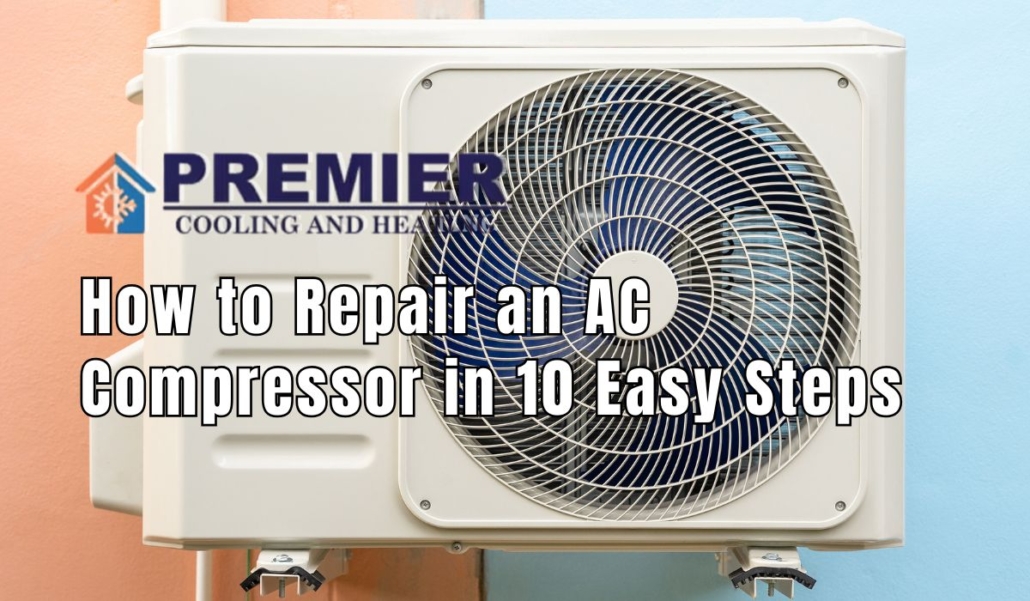
How to Repair an AC Compressor in Easy Steps
Introduction
An air conditioner compressor is the main component responsible for circulating refrigerant through an HVAC system. It compresses refrigerant gas and moves heat from indoor spaces to the outside environment. Without a properly working compressor, an air conditioner cannot cool effectively. Many homeowners experience cooling problems during summer because of compressor failure, refrigerant leaks, electrical issues, or damaged HVAC components.
Understanding How to Repair an AC Compressor is important because compressor replacement can cost between $1,200 and $3,500 depending on the system type, cooling capacity, and labor costs. Minor compressor problems can often be repaired before major system damage occurs. Early repair also improves energy efficiency, airflow, and indoor comfort.
Several warning signs may indicate compressor problems. Warm air from vents, unusual outdoor noises, frozen refrigerant lines, hard starting issues, short cycling, and rising electricity bills are common symptoms. Ignoring these issues may increase wear on condenser coils, evaporator coils, capacitors, and contactors.
This complete guide explains How to Repair an AC Compressor safely and effectively. It covers compressor functions, common warning signs, causes of compressor failure, safety procedures, troubleshooting methods, repair steps, maintenance practices, repair costs, and professional HVAC service recommendations.
Understanding How an AC Compressor Works
An AC compressor works as the pumping system inside an HVAC unit. It compresses low-pressure refrigerant gas into high-pressure gas before sending it through the condenser coil. During this process, refrigerant temperature increases significantly. The condenser fan then removes heat from the refrigerant, allowing it to cool and change into liquid form.
The cooled refrigerant moves through expansion valves and enters the evaporator coil. Inside the evaporator coil, refrigerant absorbs indoor heat and creates cool air that flows through air ducts and vents. This cooling cycle repeats continuously while the air conditioner operates.
If the compressor stops working, refrigerant circulation also stops. The air conditioner may still run, but indoor air will remain warm because heat transfer cannot occur properly.
Different HVAC systems use different compressor designs. Reciprocating compressors use pistons to compress refrigerant. These compressors are common in older residential systems. Scroll compressors use spiral-shaped mechanisms for smoother operation and improved efficiency. Modern central air conditioners often use scroll compressors because they produce less vibration and lower noise levels.
Rotary compressors use rotating blades for refrigerant compression. These compressors are often found in compact air conditioners and mini-split systems. Screw compressors are larger systems used in commercial buildings and industrial HVAC applications.
Several HVAC components work closely with the compressor. The capacitor helps start the compressor motor. The contactor controls electrical power flow. Refrigerant lines move refrigerant between indoor and outdoor units. Condenser coils release heat outside the building, while evaporator coils absorb heat indoors. Thermostats regulate cooling cycles based on room temperature settings.
Understanding these connected systems is essential when learning How to Repair an AC Compressor because many compressor problems originate from related HVAC components.
Common Signs of a Bad AC Compressor
A failing AC compressor usually produces several warning signs before complete failure occurs. Early diagnosis can reduce repair costs and prevent severe HVAC damage.
Warm air blowing from vents is one of the most common symptoms. The compressor may fail to circulate refrigerant correctly, reducing cooling performance. Indoor temperatures may stay above thermostat settings even while the AC system runs continuously.
Loud noises from the outdoor condenser unit often indicate internal compressor damage. Grinding sounds may suggest worn bearings. Clicking noises can indicate faulty contactors. Buzzing sounds often point to electrical problems or capacitor failure.
Frequent circuit breaker trips are another serious warning sign. A failing compressor motor may draw excessive electrical current, forcing the breaker to shut down the system for safety protection. Repeated breaker trips should be inspected immediately because overheating wires can create fire risks.
Hard starting problems also indicate compressor issues. The system may struggle to start or produce humming sounds without running properly. In many cases, failed capacitors or locked compressor motors cause this problem.
Reduced airflow and weak cooling efficiency are also common symptoms. Some rooms may feel warmer than others because the HVAC system cannot maintain proper refrigerant pressure.
Outdoor units with excessive vibration may contain damaged compressor mounts or loose internal components. Frozen refrigerant lines can also appear during compressor malfunction because of improper refrigerant circulation.
Short cycling is another major problem. The air conditioner may turn on and off repeatedly within short periods. This increases electricity usage and places extra pressure on the compressor motor.
A burning smell near the outdoor condenser unit often indicates overheated wiring, damaged insulation, or electrical failure inside the compressor housing. Immediate shutdown and inspection are necessary when burning odors appear.
Main Causes of AC Compressor Failure
Several electrical, refrigerant-related, and mechanical problems can damage an AC compressor over time.
Electrical problems are among the leading causes of compressor failure. Voltage fluctuations, power surges, and damaged electrical wiring can overheat compressor motors and damage internal windings. Poor electrical connections also increase resistance and create excessive heat buildup.
Faulty capacitors are another common issue. The capacitor provides startup energy for the compressor motor. If the capacitor becomes swollen, weak, or damaged, the compressor may fail to start correctly.
Contactor failure can also interrupt electrical flow. Burnt or worn contact points prevent proper voltage delivery to the compressor.
Refrigerant issues are another major cause of damage. Low refrigerant levels reduce lubrication inside the compressor and increase internal temperatures. Refrigerant leaks force the compressor to work harder, reducing lifespan and cooling efficiency.
Overcharged refrigerant systems can also create excessive pressure inside refrigerant lines. High pressure may damage valves, seals, and internal compressor components.
Mechanical problems include dirty condenser coils, overheating, blocked suction lines, and lack of lubrication. Dirty condenser coils trap heat and reduce airflow around the outdoor unit. Compressor operating temperatures may rise above safe levels during hot weather.
Lack of lubrication increases friction between moving parts. Over time, bearings and internal motor parts wear down. Blocked suction lines restrict refrigerant flow and create pressure imbalance inside the HVAC system.
Understanding these common causes helps homeowners prevent major compressor failure and improve system reliability.
Safety Precautions Before Repair
Safety is extremely important when working on HVAC systems. Air conditioners contain high-voltage electrical components and pressurized refrigerant lines. Improper handling can cause serious injury or equipment damage.
Always turn off the power supply before starting any repair work. Switch off the circuit breaker connected to the HVAC system and confirm electrical shutdown using a voltage tester.
Wear insulated gloves and safety goggles during inspection and repair procedures. Electrical shocks and refrigerant exposure can cause severe injury.
Use insulated tools designed for HVAC electrical work. Standard household tools may not provide proper electrical protection.
Avoid direct refrigerant exposure because refrigerants can cause skin burns, breathing problems, and eye irritation. Federal regulations in many countries also require licensed technicians for refrigerant handling and recovery procedures.
Several tools are commonly used during compressor repair. A multimeter measures electrical voltage and continuity. Refrigerant gauge sets measure refrigerant pressure levels. Screwdrivers and wrench sets help remove panels and tighten components. Clamp meters measure electrical current draw. Vacuum pumps remove moisture and air from refrigerant lines during system service.
Safe working procedures reduce injury risks and prevent further HVAC damage during repair operations.
How to Repair an AC Compressor in 10 Easy Steps
- The first step in How to Repair an AC Compressor is shutting off electrical power completely. Turn off the breaker connected to the outdoor condenser unit. Confirm power shutdown with a multimeter before touching electrical components.
- Next, inspect thermostat settings carefully. Make sure the thermostat is set to cooling mode and the temperature setting is lower than the current room temperature. Incorrect thermostat settings may sometimes appear as compressor failure.
- After checking thermostat settings, examine the circuit breaker panel. Reset any tripped breakers and monitor system operation. If the breaker trips repeatedly, electrical overload or compressor damage may exist.
- Inspect the capacitor for visible damage. Swollen tops, leaking fluid, or burnt terminals indicate capacitor failure. Use a multimeter to test capacitor readings and compare them with manufacturer specifications.
- Check the contactor inside the outdoor condenser unit. Burnt or blackened contact points can interrupt electrical flow to the compressor. Electrical continuity testing helps confirm contactor condition.
- Inspect refrigerant levels using a gauge set. Low refrigerant pressure often indicates leaks within refrigerant lines or coils. Oil residue near refrigerant connections may also signal leakage points.
- Clean condenser coils thoroughly to improve airflow efficiency. Dirt, dust, leaves, and debris reduce heat transfer and increase compressor temperatures. Use coil cleaner and low-pressure water for safe cleaning.
- Test compressor wiring connections carefully. Loose wires, burnt insulation, and damaged terminals can interrupt compressor operation. Tighten loose connections and replace damaged wires immediately.
- Some compressors include a manual reset button. Resetting the compressor may restore operation after overheating conditions. However, repeated overheating usually indicates deeper mechanical or electrical problems.
- Finally, restore electrical power and test the entire AC system. Monitor airflow, cooling performance, compressor noise levels, refrigerant pressure, and system cycling operation. Abnormal sounds or weak cooling may require additional HVAC inspection.
- Understanding How to Repair an AC Compressor correctly helps prevent expensive system replacement and improves cooling performance.
Troubleshooting AC Compressor Problems
Some compressor problems can be diagnosed through basic troubleshooting procedures.
If the compressor does not turn on, inspect the electrical power supply first. Tripped breakers, damaged wiring, failed capacitors, or defective thermostats may interrupt startup operation. Faulty start relays can also prevent compressor activation.
If the compressor hums but does not start, the system may contain a locked compressor motor or failed capacitor. Hard starting conditions usually indicate electrical or mechanical resistance inside the compressor.
If the compressor shuts off frequently, overheating is often the main cause. Dirty condenser coils, blocked airflow, refrigerant imbalance, or electrical overload can trigger automatic shutdown protection.
Proper troubleshooting reduces unnecessary replacement costs and helps identify repairable HVAC issues quickly.
When to Repair vs Replace an AC Compressor
Compressor repair is often practical when damage involves minor electrical components such as capacitors, contactors, or wiring connections. Refrigerant leaks and airflow restrictions can also usually be repaired without replacing the entire compressor.
Replacement may become necessary when the compressor motor burns out or refrigerant contamination spreads throughout the HVAC system. Major internal damage often increases repair costs significantly.
HVAC system age also affects replacement decisions. Systems older than 12 to 15 years may operate less efficiently and contain outdated refrigerants. Replacing older systems may reduce long-term energy costs and improve cooling efficiency.
Average AC compressor repair costs range from $200 to $1,200 depending on the damaged component and labor requirements. Full compressor replacement often costs between $1,500 and $3,500. Refrigerant recharge services, labor fees, and HVAC system size also affect final pricing.
Understanding repair and replacement options is important for homeowners researching How to Repair an AC Compressor effectively.
AC Compressor Maintenance Tips
Regular maintenance improves compressor lifespan and reduces HVAC breakdown risks.
Condenser coils should be cleaned regularly to maintain proper airflow and heat transfer. Dirty coils increase compressor temperatures and reduce cooling efficiency.
Air filters should be replaced every 1 to 3 months depending on indoor air quality and HVAC usage. Restricted airflow places additional stress on the compressor and blower motor.
Professional HVAC inspections should be scheduled at least once each year. Technicians can inspect refrigerant levels, electrical systems, condenser performance, and airflow conditions.
Monitoring refrigerant pressure is also important because low refrigerant levels reduce lubrication and increase compressor wear.
Proper maintenance reduces overheating, lowers electricity usage, improves cooling performance, and minimizes repair costs over time.
Professional AC Compressor Repair Services
Some compressor repairs require professional HVAC technicians. Electrical hazards, refrigerant handling, and internal compressor damage should only be managed by trained professionals.
Licensed HVAC technicians use advanced diagnostic equipment to inspect refrigerant pressure, compressor amperage, airflow performance, and electrical resistance levels.
Professional repair services may include refrigerant leak testing, capacitor replacement, contactor replacement, pressure balancing, compressor cleaning, and complete system performance inspection.
Professional maintenance also improves energy efficiency and helps extend HVAC equipment lifespan.
Frequently Asked Questions
Can I repair an AC compressor myself?
Basic inspections such as thermostat checks, condenser cleaning, and breaker resets can often be handled safely. Electrical repairs and refrigerant work should usually be performed by licensed HVAC professionals.
How long does an AC compressor last?
Most residential AC compressors last between 10 and 15 years with proper maintenance and regular HVAC inspections.
What causes an AC compressor to stop working?
Common causes include low refrigerant levels, dirty condenser coils, electrical failure, capacitor damage, overheating, and poor maintenance.
Is it cheaper to repair or replace an AC compressor?
Minor electrical repairs are usually cheaper than replacement. Major motor failure or severe refrigerant contamination may make replacement more cost-effective.
How much does AC compressor repair cost?
Repair costs typically range from $200 to $1,200 depending on labor, refrigerant type, and damaged components.
Can low refrigerant damage the compressor?
Yes. Low refrigerant reduces lubrication and increases operating temperatures, which may cause overheating and internal compressor failure.
Conclusion
Understanding How to Repair an AC Compressor helps homeowners identify HVAC problems early and reduce costly repairs. Compressor issues often begin with refrigerant leaks, electrical failure, dirty condenser coils, overheating, or damaged capacitors.
The repair process includes power shutdown, thermostat inspection, breaker testing, capacitor inspection, contactor testing, refrigerant pressure inspection, condenser cleaning, wiring inspection, compressor reset procedures, and final system testing.
Regular HVAC maintenance improves compressor efficiency, extends system lifespan, lowers electricity usage, and reduces emergency repair risks. Professional inspections also help detect refrigerant problems and electrical damage before major failure occurs.
Complex compressor repairs should always be handled by qualified HVAC technicians. Professional service improves system safety, cooling performance, and long-term reliability.

