

Why Does My AC Smell Like Gas?
You’re not alone if you have ever noticed a gas-like smell emanating from your air conditioning unit. This issue can be concerning and unpleasant, but understanding the potential causes and taking appropriate action can help alleviate the problem and ensure your indoor air quality remains safe and comfortable.
Common Causes of Gas-like Smell from AC
Several factors can contribute to your AC emitting a gas-like odor. Here are some of the most common culprits:
Dirty Air Filter
One primary reason for a gas-like smell from your AC is a dirty air filter. When the air filter becomes clogged with dirt, dust, and other particles, it restricts airflow. It can lead to the buildup of contaminants, resulting in unpleasant odors circulating throughout your home.
Mold and Mildew Buildup
Moisture buildup within your AC unit can create the perfect environment for mold and mildew to thrive. Over time, this can result in a musty or moldy odor emanating from the vents whenever the AC runs.
Refrigerant Leak
A refrigerant leak is another potential cause of a gas-like smell. If there is a leak in the refrigerant lines or components of your AC system, it can release chemicals with a distinct odor similar to gas.
Clogged Condensate Drain Line
The condensate drain line removes excess moisture from your AC unit. If it becomes clogged with debris or algae growth, it can trap water and create a stagnant odor reminiscent of gas.
Electrical Issues
In some cases, electrical problems within the AC unit can produce a burning or metallic smell that may be mistaken for gas. Faulty wiring or overheating components can pose a fire hazard and should be addressed promptly by a professional technician.
Preventive Maintenance Tips
To prevent your AC from emitting a gas-like smell, staying proactive with maintenance is essential. Here are some tips to keep your unit running smoothly:
- Regularly inspect and clean your AC unit, including the air vents and ducts.
- Change your air filter at least every three months or more frequently if you have pets or allergies.
- Ensure proper ventilation in your home to reduce moisture buildup.
- Schedule annual HVAC maintenance with a qualified technician to identify and address potential issues before they escalate.
Conclusion
A gas-like smell from your AC can indicate various underlying issues, from dirty air filters to refrigerant leaks and electrical problems. By understanding the common causes and implementing preventive maintenance measures, you can ensure your AC operates efficiently and keeps your indoor air fresh and clean.
FAQs
- How dangerous is a gas-like smell from my AC?
- While not always indicative of a serious issue, a gas-like smell from your AC should be investigated promptly to rule out any potential hazards.
- Can I fix the issue myself?
- Some maintenance tasks, such as changing the air filter, can be done DIY. However, for more complex issues like refrigerant leaks or electrical problems, it’s best to enlist the help of a professional technician.
- Is it safe to continue using the AC if it smells like gas?
- If you detect a strong gas-like odor, it’s recommended that you turn off your AC and have it inspected by a professional to avoid potential health risks or further damage to the system.
- How often should I replace my air filter?
- Air filters should typically be replaced every three months, but this can vary depending on indoor air quality and usage.
- What should I do if I suspect a refrigerant leak?
- If you suspect a refrigerant leak, turn off your AC immediately and contact a licensed HVAC technician to assess and repair the issue.
Which of the Following Components Converts AC to DC?
Introduction
Understanding the conversion of alternating current (AC) to direct current (DC) is fundamental in numerous electronic applications. This article will delve into the components responsible for this conversion process and their significance in various technological fields.
What is AC?
An alternating current, abbreviated as AC, is an electrical current that periodically reverses direction. It is commonly used in household electrical systems and power transmission due to its ability to distribute electricity over long distances efficiently.
What is DC?
Direct current, or DC, is an electrical current that flows in one direction with a constant voltage polarity. DC power is essential for many electronic devices, including computers, mobile phones, and battery-operated equipment.
Importance of AC to DC Conversion
While AC suits long-distance transmission, many electronic devices require DC power. Therefore, converting AC to DC is crucial for powering these devices efficiently.
Components of AC to DC Conversion
Several components play vital roles in converting AC to DC:
Rectifier
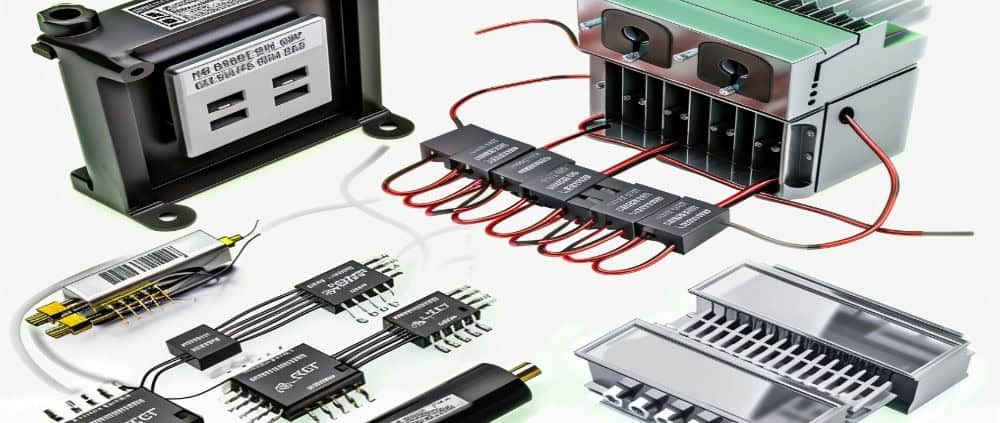
A rectifier is a device used to convert AC to DC by allowing current to flow in only one direction. It typically consists of diodes arranged in a specific configuration.
Diodes
Diodes are semiconductors that allow current to flow in one direction while blocking it in the opposite direction. They play a crucial role in rectifying AC to DC.
Bridge Rectifiers
A bridge rectifier is a circuit that utilizes four diodes in a bridge configuration to convert AC to DC. It offers advantages such as higher efficiency and a more straightforward design.
Transformer
Transformers are used in AC-DC conversion to step up or step down voltage levels before rectification. They help adjust the voltage to the desired level.
Capacitors
Capacitors are utilized in AC-to-DC conversion circuits to filter and smooth the output voltage. They reduce ripple and noise, resulting in a more stable DC output.
Voltage Regulators
Voltage regulators maintain a constant output voltage regardless of input voltage or load fluctuations. They ensure that the converted DC power remains within a specified range.
Integrated Circuits (ICs)
Integrated circuits contain multiple components on a single semiconductor chip and are commonly used in AC-to-DC conversion circuits for improved efficiency and compactness.
Applications
AC to DC conversion is essential in various applications, including power supplies for electronic devices, battery charging systems, and renewable energy sources such as solar panels and wind turbines.
Recent Technological Advances
AC to DC conversion technology advancements have led to more efficient and reliable power conversion systems. These include innovations in semiconductor materials, circuit design, and power management techniques.
Conclusion
In conclusion, the conversion of AC to DC is facilitated by a combination of components such as rectifiers, diodes, transformers, capacitors, voltage regulators, and integrated circuits. Understanding these components is crucial for designing efficient power supply systems for modern electronic devices.
FAQs
- Why is AC converted to DC?
- AC is converted to DC because many electronic devices require a steady supply of direct current to function correctly.
- What is the difference between AC and DC?
- AC changes direction periodically, while DC flows in one direction continuously.
- What are the benefits of using a bridge rectifier?
- Bridge rectifiers offer higher efficiency, more straightforward design, and improved reliability than other rectification methods.
- How do capacitors contribute to AC to DC conversion?
- Capacitors filter and smooth the output voltage, reducing ripple and noise in the DC output.
- What are some typical applications of AC to DC conversion?
- Typical applications include power supplies for electronic devices, battery charging systems, and renewable energy sources.
Where is the AC Pressure Switch Located?
Have you ever wondered where your vehicle’s AC pressure switch is located? If you’ve experienced issues with your air conditioning system, understanding the location of the AC pressure switch can be crucial for troubleshooting and maintenance. In this article, we’ll delve into the details of the AC pressure switch, its significance, common malfunction symptoms, and most importantly, how to locate it in your vehicle.
Introduction to AC Pressure Switch
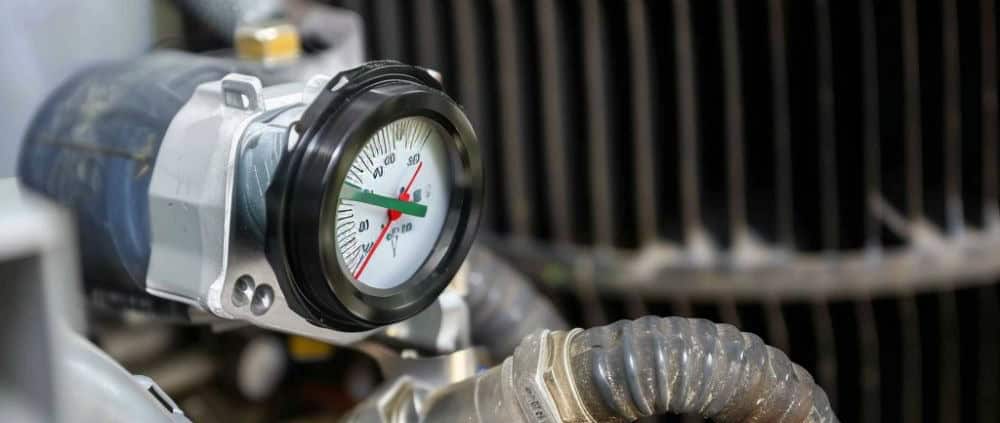
The AC pressure switch, also known as the AC pressure sensor, is essential to modern automotive air conditioning systems. It plays a vital role in regulating the pressure of the refrigerant within the AC system to ensure optimal performance and safety.
Importance of AC Pressure Switch in Automotive Systems
The AC pressure switch monitors the refrigerant pressure circulating within the air conditioning system. It shuts off the compressor if the pressure exceeds safe levels, helping prevent damage to the compressor and other components.
Understanding the Function of AC Pressure Switch
The primary function of the AC pressure switch is to monitor the refrigerant pressure and signal the compressor to engage or disengage accordingly. When the pressure reaches a predetermined threshold, the switch sends a signal to the compressor clutch to either activate or deactivate, maintaining the ideal pressure levels within the system.
Common Symptoms of a Faulty AC Pressure Switch
A malfunctioning AC pressure switch can lead to various issues with your vehicle’s air conditioning system. Some common symptoms include:
- Inconsistent cooling
- AC compressor cycling frequently
- Inoperative air conditioning system
Locating the AC Pressure Switch in a Vehicle
The exact location of the AC pressure switch can vary depending on the make and model of your vehicle. However, it is typically located near the AC compressor or within the refrigerant line.
Steps to Locate the AC Pressure Switch
- Identify the AC Compressor: The AC compressor is usually located at the front of the engine bay.
- Follow the Refrigerant Lines: Trace the refrigerant lines from the AC compressor to locate the AC pressure switch.
- Refer to the Vehicle Manual: If you’re unsure about the location, consult your vehicle’s manual for guidance.
Tools Required for Locating the AC Pressure Switch
- Flashlight
- Safety gloves
- Safety goggles
Safety Precautions Before Locating the AC Pressure Switch
Before locating the AC pressure switch, ensure the engine is turned off, and the vehicle is parked on a level surface. Additionally, wear safety gloves and goggles to protect yourself from potential hazards.
Procedure to Locate the AC Pressure Switch in Different Types of Vehicles
Passenger Cars
- Open the hood of the vehicle.
- Locate the AC compressor near the front of the engine bay.
- Follow the refrigerant lines from the compressor to find the AC pressure switch.
Trucks/SUVs
- Access the engine compartment.
- Locate the AC compressor, usually positioned near the front of the engine.
- Follow the refrigerant lines to locate the AC pressure switch.
Tips for Efficiently Locating the AC Pressure Switch
- Use a flashlight to illuminate hard-to-reach areas.
- Take your time and carefully inspect the area around the AC compressor.
- Refer to online forums or consult a professional mechanic for assistance if needed.
Maintenance Tips for AC Pressure Switch
- Regularly inspect the AC pressure switch for any signs of damage or corrosion.
- Keep the surrounding area clean to prevent debris from accumulating and affecting the switch’s performance.
When to Seek Professional Help
If you cannot locate the AC pressure switch or suspect it’s malfunctioning, it’s advisable to seek assistance from a qualified mechanic. Attempting DIY repairs without the necessary expertise can lead to further damage and safety risks.
Cost of Replacing an AC Pressure Switch
The cost of replacing an AC pressure switch can vary depending on the make and model of your vehicle, as well as labor costs. You can expect to pay between $100 to $300 for parts and labor.
DIY vs. Professional Replacement of AC Pressure Switch
While some vehicle owners may attempt to replace the AC pressure switch themselves, they should consider the task’s complexity and potential risks. Unless they have experience working with automotive HVAC systems, it’s generally safer and more efficient to entrust the job to a professional mechanic.
Conclusion
The AC pressure switch is a critical component of your vehicle’s air conditioning system, ensuring optimal performance and safety. By understanding its function and locating it, you can effectively troubleshoot issues and ensure proper AC system maintenance.
FAQs (Frequently Asked Questions)
- How do I know if my AC pressure switch is bad?
- Look for symptoms such as inconsistent cooling, frequent compressor cycling, or a malfunctioning AC system.
- Can I drive with a bad AC pressure switch?
- While it’s possible to drive with a faulty AC pressure switch, it’s not recommended as it can further damage the AC system.
- What causes an AC pressure switch to fail?
- Corrosion, electrical issues, or excessive pressure within the AC system are common causes of AC pressure switch failure.
- Is it safe to replace the AC pressure switch myself?
- Unless you have experience working with automotive HVAC systems, having the AC pressure switch replaced by a professional mechanic is safer.
- How much does it cost to replace an AC pressure switch?
- The cost of replacing an AC pressure switch can vary, but on average, you can expect to pay between $100 and $300 for parts and labor.