
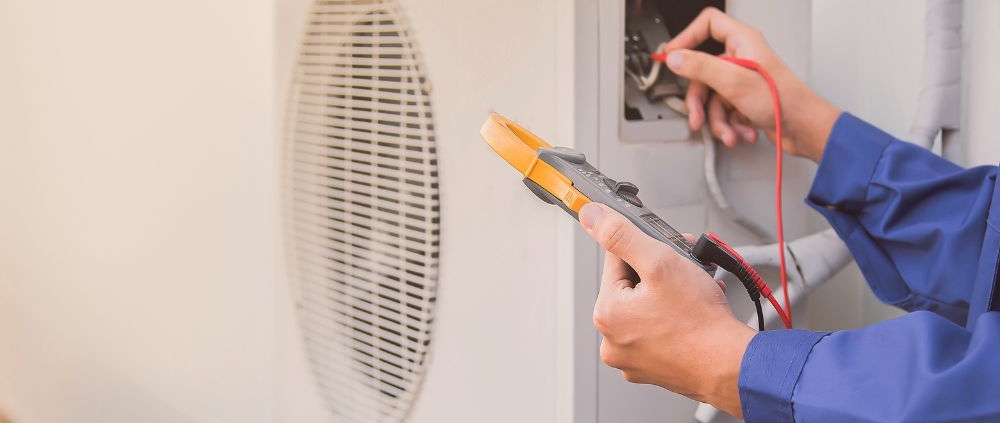
Is No Air Conditioning a Maintenance Emergency?
Introduction
Air conditioning plays a critical role in modern living, particularly in areas with extreme heat. Its absence can turn from a minor inconvenience to a severe emergency, affecting comfort, safety, and even health. Understanding the implications of an air conditioning failure and the steps to mitigate its effects is vital for homeowners and businesses alike.
Importance of Air Conditioning Maintenance
Benefits of Air Conditioning
Air conditioning provides more than comfort; it regulates indoor temperature, humidity, and air quality. Proper cooling systems reduce airborne allergens, minimize dust accumulation, and create an optimal environment for sleep and productivity. Maintaining balanced humidity also helps preserve wooden furniture, flooring, and other sensitive materials.
Impact of No Air Conditioning
Without air conditioning, indoor spaces can become unbearably hot during high-temperature periods. This not only disrupts daily life but also poses serious health risks, such as dehydration and heat-related illnesses. Vulnerable groups like infants, the elderly, and those with pre-existing medical conditions are particularly at risk. In commercial settings, lack of cooling can impact employee productivity and damage sensitive equipment or products.
Signs That Your Air Conditioning Needs Maintenance
Strange Noises
Odd noises like grinding, rattling, or hissing from the unit usually indicate mechanical or internal issues. These may include a failing motor, loose components, or refrigerant leaks, all of which can worsen if ignored. Immediate inspection by a professional can prevent further damage.
Weak Airflow
When airflow is weak or uneven across vents, it often points to clogged filters, failing fans, or ductwork issues. These problems reduce the system’s cooling efficiency and may cause strain on critical components, shortening their lifespan.
Leaks or Moisture
Water pooling near the unit could result from clogged condensate drains, which may lead to water damage or mold growth. Refrigerant leaks, on the other hand, can reduce cooling performance and harm the environment, making prompt repair essential.
Consequences of Ignoring Air Conditioning Maintenance
Health Risks
A poorly maintained AC system can accumulate mold, bacteria, and airborne pollutants. These contaminants circulate through your living or working space, triggering allergies and respiratory problems. Prolonged exposure to poor air quality increases risks, especially for individuals with asthma or compromised immune systems.
Property Damage
Ignoring regular maintenance can result in extensive and expensive damage. Blocked coils or leaking refrigerant may damage the compressor, while unattended moisture issues can weaken walls, floors, or ceilings. Neglected systems are also more likely to require full replacements, which are far more costly than routine upkeep.
Increased Energy Bills
An inefficient air conditioner uses more power to cool your space. Dirty filters, malfunctioning components, and leaks force the system to work harder, causing energy costs to spike. Maintenance ensures optimal performance and keeps energy consumption at an efficient level.
Emergency Situations Due to Lack of Air Conditioning
Heatstroke and Heat Exhaustion
Prolonged exposure to high indoor temperatures can cause heat exhaustion, leading to fatigue, dizziness, and dehydration. Without intervention, it may escalate to heatstroke, a life-threatening condition requiring immediate medical attention.
Mold Growth
High humidity levels in poorly ventilated spaces encourage mold growth. Mold not only affects indoor air quality but also poses significant health risks, especially for those with allergies or respiratory conditions. It can also damage walls, ceilings, and furniture, necessitating expensive remediation efforts.
Electrical Fires
Faulty wiring, overheating, or malfunctioning components within the AC system can lead to electrical fires. Regular inspections and servicing reduce this risk, ensuring that wiring and circuits remain in safe, working condition.
Steps to Take in Case of Air Conditioning Failure
Contacting a Professional
When the air conditioning system fails, contact a licensed HVAC technician immediately. They can diagnose the issue, recommend repairs, and, if necessary, provide guidance on replacing outdated or irreparable systems. Prompt action minimizes the risk of prolonged discomfort or damage.
Temporary Cooling Solutions
While awaiting repairs, use portable cooling devices like fans or portable air conditioners to maintain comfort. Closing blinds, increasing ventilation, and spending time in air-conditioned public spaces can help reduce the impact of a non-functioning system.
Preventive Measures for the Future
Regular maintenance plans, such as annual or biannual tune-ups, help identify issues early and prevent breakdowns. Changing filters every three months and cleaning outdoor units regularly ensures optimal performance and extends the system’s lifespan. Investing in smart thermostats can also enhance efficiency by managing energy use effectively.
Conclusion
A non-functional air conditioning system can quickly escalate into a maintenance emergency, especially during extreme weather conditions. Beyond comfort, it impacts health, property, and safety. Addressing signs of malfunction promptly and prioritizing routine maintenance not only ensures the system’s reliability but also safeguards your well-being and financial investment.
FAQ
Is no air conditioning considered a maintenance emergency?
Yes, especially during extreme temperatures. It can impact comfort, safety, and health, particularly for vulnerable individuals.
When should I call for emergency AC repair?
Call for immediate help if your AC stops working during a heatwave or if it shows signs of electrical issues or refrigerant leaks.
Can I fix my air conditioner myself in an emergency?
Minor issues like a clogged filter can be fixed, but complex problems require a professional to avoid further damage.
What are the risks of delaying AC repairs?
Delays can lead to worsening damage, higher repair costs, and unsafe living conditions in extreme weather.
How can I prevent AC emergencies?
Regular maintenance, such as cleaning filters and scheduling professional tune-ups, helps keep your AC running smoothly.
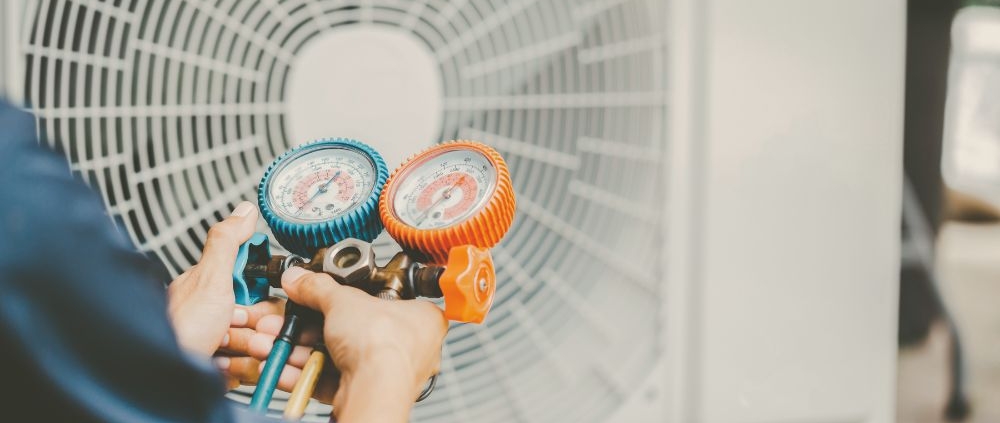
Can an AC Run for 24 Hours? Debunking the Myth
Introduction
During the peak of summer, the idea of keeping an air conditioner running for 24 hours straight can feel like a necessity. The thought of uninterrupted cool air is appealing, but is it truly practical—or safe? While modern AC systems are designed for durability, running them continuously may come with hidden costs, affecting efficiency, longevity, and comfort.
Understanding the Myth
Many people believe that air conditioners can operate nonstop without repercussions. While it’s
Technically feasible for a well-maintained system, several factors, such as energy efficiency, wear and tear, and environmental considerations, must be weighed before making this a regular practice.
Factors Influencing AC Runtime
Size and Capacity of the AC Unit
The size and capacity of an AC unit are critical in determining how long it can run efficiently. An oversized unit may cycle on and off frequently, leading to energy wastage and mechanical wear. Conversely, an undersized unit might struggle to maintain the desired temperature, forcing it to operate continuously and overheat. Selecting an appropriately sized system based on your space is essential to avoid inefficiencies.
Ambient Temperature and Climate
In hotter climates, air conditioners naturally work harder and longer to combat outdoor temperatures. High ambient temperatures, combined with increased humidity levels, require AC units to maintain a consistent cooling effort, sometimes nearing 24-hour operation. However, this is less common in moderate climates, where the system cycles off periodically when the desired temperature is reached.
Insulation and Sealing of the Space
Proper insulation and airtight sealing reduce the amount of heat entering the space, decreasing the workload on the AC. Poor insulation causes cooled air to escape and warm air to infiltrate, forcing the system to run longer to compensate. Upgrading insulation and sealing gaps in doors and windows can significantly reduce runtime and energy costs.
Impact on Energy Consumption
Continuous operation of an air conditioner results in substantial energy use. Running an AC for 24 hours, particularly during peak energy hours, can cause electricity bills to skyrocket. Energy-efficient practices, such as using programmable thermostats and optimizing cooling schedules, help reduce overall consumption without compromising comfort.
Maintenance and Wear & Tear
Running an AC nonstop accelerates the wear and tear of critical components like compressors, fans, and filters. Over time, this leads to more frequent repairs and shorter equipment lifespan. Routine maintenance, including cleaning filters and inspecting coils, is vital to prevent breakdowns caused by extended usage.
Health and Comfort
While continuous cooling may seem beneficial, it can negatively affect indoor air quality if the system is not well-maintained. Poor ventilation and dirty filters can circulate allergens, dust, and pollutants, impacting respiratory health. Additionally, excessive cooling can create discomfort by making indoor air too dry, leading to skin irritation and other issues.
Alternatives to Continuous AC Operation
Use Ceiling Fans
Ceiling fans help circulate cool air more efficiently, allowing the AC to maintain a comfortable temperature with less effort.
Optimize Window Treatments
Closing curtains or using reflective window films during the day reduces heat gain, minimizing the need for prolonged AC operation.
Minimize Heat-Generating Activities
Avoiding activities like cooking or using heat-producing appliances during the hottest parts of the day helps maintain cooler indoor temperatures.
Program Your Thermostat
Setting your thermostat to adjust cooling levels based on occupancy and time of day ensures efficient energy use while maintaining comfort.
Conclusion
While an AC unit can technically run for 24 hours, it’s not a sustainable or practical solution in most scenarios. Continuous operation increases energy costs, accelerates wear on the system, and can negatively impact health and comfort. By implementing energy-efficient practices, improving insulation, and performing regular maintenance, homeowners can balance cooling needs with long-term cost savings and system performance.
FAQs
Can running an AC nonstop damage it?
Running an AC nonstop increases wear on components like the compressor and fans, shortening the system’s lifespan and leading to frequent repairs. Regular breaks are advisable.
Does 24-hour AC operation increase health risks?
Yes, especially if the system is not properly maintained. Dirty filters can circulate allergens, and excessive cooling can dry out the air, affecting respiratory health and comfort.
Does running the AC continuously cool a room faster?
No, continuous operation does not necessarily cool a room faster. An appropriately sized and maintained system cycles efficiently to maintain temperature without wasting energy.
How can I reduce energy use without turning off the AC?
Use ceiling fans, insulate windows, minimize heat-generating activities, and set a programmable thermostat to manage cooling more efficiently.
What is the best temperature for balancing comfort and energy efficiency?
The ideal temperature for energy efficiency is around 78°F (25.5°C) when at home. Adjust based on personal comfort and outdoor conditions.
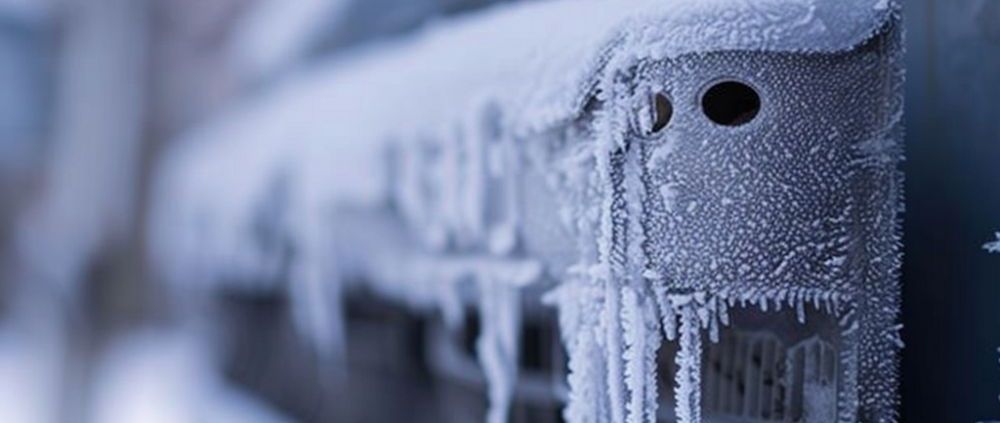
What to Do When Your AC Freezes
Introduction
A frozen air conditioner can turn a hot summer day into a frustrating ordeal. Besides disrupting your comfort, it signals potential issues within the HVAC system that require immediate attention. Addressing the root causes of AC freezing can prevent further damage, reduce repair costs, and restore efficient cooling.
Understanding the Causes of AC Freezing
To tackle a frozen AC effectively, it’s essential to understand the underlying causes of this issue.
Lack of Airflow
Insufficient airflow over the evaporator coil prevents proper heat exchange, causing condensation on the coil to freeze. Dirty air filters, blocked vents, or closed registers often restrict airflow, leading to ice buildup.
Refrigerant Issues
Low refrigerant levels or leaks disrupt the cooling cycle. When refrigerant levels drop, the evaporator coil becomes too cold, allowing moisture in the air to freeze on its surface.
Dirty Evaporator Coil
Dirt and debris on the evaporator coil act as an insulating layer, reducing the coil’s ability to absorb heat. This reduced efficiency can cause the coil temperature to drop below freezing, resulting in ice formation.
Thermostat Problems
A malfunctioning thermostat can lead to overcooling by keeping the system running longer than needed. This excessive operation increases the risk of freezing.
Signs of a Frozen AC
Recognizing the signs of a frozen AC can help you act before the issue worsens.
Reduced Airflow
If the air coming from the vents feels weak or there’s uneven cooling in your home, it may indicate restricted airflow due to ice buildup.
Ice Buildup on the Coils
Visible ice or frost on the evaporator coil is a clear sign that the AC is frozen. Check the indoor unit to confirm the presence of ice.
Strange Noises
Sounds like hissing or bubbling may indicate refrigerant issues or melting ice dripping onto the AC components.
Immediate Steps to Take When AC Freezes
If you suspect your air conditioner is frozen, acting quickly can minimize damage and restore functionality.
Turn Off the AC
Switch off the system immediately to halt further ice formation and protect the compressor. Use the fan-only setting to help circulate air and speed up thawing.
Allow the Ice to Thaw
Let the ice melt naturally by keeping the AC off. Avoid using sharp objects or hot water, as these can damage the components.
Check Air Filters
Inspect and replace clogged air filters. Clean filters ensure proper airflow, reducing the likelihood of freezing.
Inspect Vents and Registers
Verify that all vents and registers are open and free from obstructions to maintain consistent airflow throughout your home.
Long-Term Solutions to Prevent AC Freezing
Preventing AC freezing requires addressing the root causes and ensuring regular upkeep.
Regular Maintenance
Schedule professional maintenance at least once a year to clean the coils, check refrigerant levels, and inspect for potential issues.
Proper Insulation
Ensure your home is well-insulated to reduce heat infiltration and maintain consistent indoor temperatures, easing the AC’s workload.
Checking Refrigerant Levels
Refrigerant levels should be monitored regularly by an HVAC professional. Address any leaks immediately to avoid disruptions in the cooling cycle.
Upgrading to a Programmable Thermostat
A programmable or smart thermostat can regulate cooling cycles and prevent overcooling by maintaining optimal indoor temperatures based on your schedule.
DIY vs. Professional Assistance
Knowing when to handle the problem yourself and when to call a professional can save time and money.
When to Attempt DIY Fixes
Simple tasks like replacing air filters, cleaning vents, and ensuring proper airflow can often be handled by homeowners without professional help.
Importance of Professional Help
Complex issues, such as refrigerant leaks, compressor malfunctions, or advanced diagnostics, require the expertise of an HVAC technician to ensure the problem is resolved correctly and safely.
Common Mistakes to Avoid
Avoiding these pitfalls can help maintain your AC’s efficiency and prevent freezing.
Ignoring Warning Signs
Delaying action when you notice weak airflow, strange noises, or ice buildup can exacerbate the issue, leading to costly repairs.
Overlooking Regular Maintenance
Skipping routine inspections and cleaning reduces the efficiency of your system and increases the risk of freezing.
Improper DIY Attempts
Attempting to fix refrigerant issues or clean coils without proper knowledge can cause further damage to the system and void warranties.
Tips for Maintaining an AC System
Proactive maintenance can help you avoid the inconvenience of a frozen AC and ensure long-term performance.
Changing Filters Regularly
Replace air filters every 1–3 months to keep airflow unobstructed and maintain system efficiency.
Cleaning Coils and Vents
Clean the evaporator and condenser coils, as well as vents and registers, to prevent dirt buildup that can obstruct airflow.
Scheduling Professional Inspections
Annual inspections by a qualified HVAC technician can identify potential issues early and ensure all components are functioning optimally.
Conclusion
A frozen AC is a common but manageable issue. Promptly addressing airflow restrictions, maintaining refrigerant levels, and scheduling regular maintenance can prevent freezing and ensure your system operates efficiently. Understanding the causes, recognizing the signs, and knowing when to seek professional help are key to keeping your home comfortable and your AC in good health.
FAQs
Can I continue using my AC if it freezes?
No, running a frozen AC can damage critical components like the compressor. Turn it off and let it thaw before taking further steps.
How long does it take for an AC to thaw?
Depending on the severity of the ice buildup, it can take several hours to overnight for the AC to thaw completely.
Is AC freezing a common problem?
Yes, especially in systems with restricted airflow, low refrigerant levels, or dirty components.
Can I prevent the AC from freezing altogether?
While you can’t guarantee prevention, regular maintenance, proper insulation, and attention to airflow can significantly reduce the risk.
How often should I have my AC system inspected?
Annual inspections are recommended, but systems in high-use regions may benefit from biannual checkups to ensure optimal performance.