

How to Make Your AC Colder
Introduction
A reliable and efficient air conditioning (AC) system is crucial, especially during scorching summer days. If your AC isn’t cooling effectively, discomfort can quickly take over. This guide provides actionable tips to enhance your AC’s cooling performance, ensuring you stay comfortable and cool.
Understanding Your AC System
Before exploring ways to enhance cooling, it’s crucial to understand how your AC system works. Typically, an AC system consists of components like the evaporator coil, condenser coil, compressor, and refrigerant. Each plays a vital role in the cooling process.
Common Reasons for Warm Air
There are several reasons why your AC might be blowing warm air instead of cold. One common issue is dirty air filters, which obstruct airflow and reduce cooling efficiency. Refrigerant leaks and faulty compressors are also common culprits.
Regular Maintenance Tips
Regular maintenance is vital to keeping your AC running smoothly. Simple tasks like cleaning or replacing air filters can significantly improve airflow and cooling performance. Additionally, checking for refrigerant leaks and keeping the condenser unit clean are essential maintenance tasks.
Improving Airflow
Improving airflow is another effective way to make your AC colder. You can achieve this by cleaning vents and ducts regularly and using fans strategically to circulate cool air more effectively throughout your space.
Optimizing Settings
Optimizing your AC settings can also help improve cooling efficiency. Programmable thermostats that adjust temperature settings based on your schedule and setting the fan to auto mode can both contribute to a colder indoor environment.
Considerations for Older Units
If you have an older AC unit, there are still ways to improve its cooling performance. Consider investing in upgrades like a more energy-efficient model or scheduling professional servicing to ensure optimal performance.
DIY Tips for Immediate Relief
In addition to regular maintenance tasks, there are some DIY tips you can implement for immediate relief from the heat. Simple measures like using curtains or blinds to block out sunlight and insulating doors and windows can help keep your space more remarkable.
Technological Solutions
Technological advancements have led to intelligent AC controllers and energy-efficient models that can enhance cooling while reducing energy consumption. Consider upgrading to these options for improved performance and cost savings.
Environmental Impact
It’s also important to consider the environmental impact of your AC usage. Energy consumption associated with cooling can contribute to carbon emissions and climate change. Look for eco-friendly alternatives and adopt energy-saving habits to minimize your carbon footprint.
Health Considerations
Maintaining indoor air quality is crucial for your health and well-being. Avoid overcooling your space, as this can lead to respiratory issues and discomfort. Additionally, consider investing in air purifiers to remove pollutants and allergens from the air.
Professional Assistance
If your AC is still not cooling effectively despite your best efforts, it may be time to seek professional assistance. A qualified technician can diagnose and repair any underlying issues, ensuring your AC operates at peak performance.
Cost-effective Strategies
Regarding AC maintenance and repairs, weighing the costs of DIY efforts against professional servicing is essential. While DIY tasks can save money upfront, professional assistance may be necessary for more complex issues and can prevent costly repairs down the line.
Long-term Maintenance
Finally, scheduling regular inspections and replacing old units when necessary is essential for the long-term maintenance of your AC system. You can ensure your AC keeps you cool for years by staying proactive and investing in proper care.
Conclusion
Making your AC colder isn’t just about turning down the thermostat. It requires understanding your system, performing regular maintenance, optimizing settings, and leveraging modern technology. By adopting these strategies, you can ensure your AC operates efficiently, saving money and keeping your space cool and comfortable.
FAQs
How often should I replace my air filters?
Replacing air filters every 1-3 months is recommended, depending on factors like indoor air quality and usage.
What should I do if I suspect a refrigerant leak?
If you suspect a refrigerant leak, it’s best to contact a professional HVAC technician to assess the situation and make any necessary repairs.
Can using fans help improve AC performance?
Yes, fans can help improve airflow and distribute cool air more effectively throughout your space, making your AC more efficient.
Are smart thermostats worth the investment?
Smart thermostats can offer convenience and energy savings by allowing you to control your AC remotely and adjust settings based on your schedule, making them a worthwhile investment for many homeowners.
How can I reduce my AC’s environmental impact?
To reduce your AC’s environmental impact, consider upgrading to an energy-efficient model, using eco-friendly refrigerants, and adopting energy-saving habits like setting your thermostat to a higher temperature when you’re away from home.
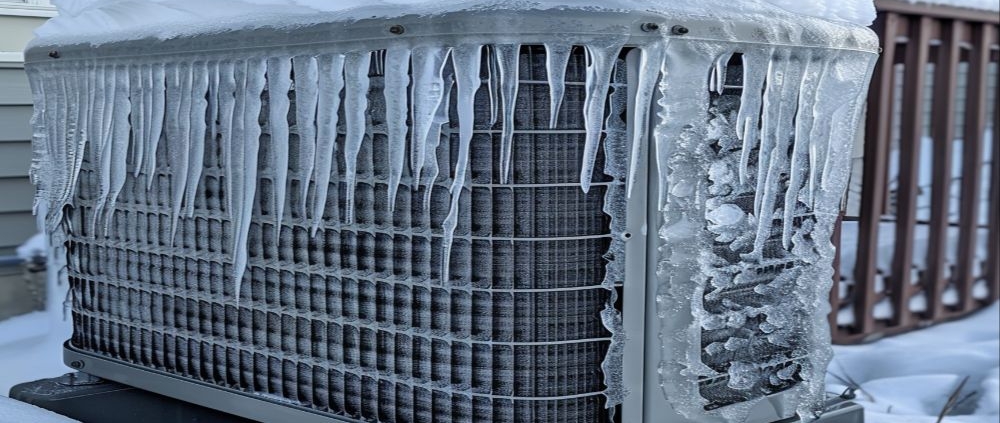
How to Defrost Your AC Unit
When summer heat strikes, the last thing you want is for your AC unit to freeze up, leaving you with inadequate cooling and discomfort. A frozen air conditioning unit can significantly reduce airflow and cooling efficiency. Fortunately, with the right knowledge and a few simple steps, you can defrost your AC unit and prevent future freezes. This guide will help you understand why your AC freezes and how to quickly get it back to working order.
Introduction
An air conditioning unit works by absorbing heat from your indoor air and releasing cool air into your space. However, when certain issues arise—such as restricted airflow, low refrigerant, or malfunctioning components—the moisture in the air can freeze on the unit’s coils, causing the system to freeze up. Understanding why this happens and how to resolve it is essential for maintaining a comfortable indoor environment.
Signs of a Frozen AC Unit
How do you know if your AC unit is frozen? Here are some common signs to look out for:
- Reduced airflow: You may notice that the airflow coming from your vents is weaker than usual.
- Ice buildup on the unit: Check the outdoor unit for ice accumulation, especially on the coils.
- Warm air blowing from vents: Despite the unit running, you may feel warm air instead of cool air coming from the vents.
Causes of a Frozen AC Unit
Understanding the root causes of a frozen AC unit can help you prevent it from happening in the future. Some common causes include:
- Low refrigerant levels: Insufficient refrigerant can cause the coils to become too cold and freeze the moisture in the air.
- Dirty air filters: Dirty filters restrict airflow, causing the coils to freeze.
- Blocked air vents: Blocked vents prevent proper airflow, leading to ice buildup on the unit.
- Faulty thermostat: A malfunctioning thermostat can cause the AC unit to run continuously, leading to freezing.
How to Defrost an AC Unit
Now that you’ve identified a frozen AC unit, it’s time to defrost it. Here’s what you need to do:
- Turn off the AC: Switch the air conditioning system to prevent further damage.
- Let the ice melt naturally: Allow the ice on the unit to thaw naturally.
- Check for blocked vents: Ensure that all vents are clear of obstructions to allow proper airflow.
- Change the air filter: Replace dirty air filters with clean ones to improve airflow.
- Inspect refrigerant levels: If you suspect low refrigerant levels, contact a professional to recharge the system.
- Test the thermostat: Ensure that the thermostat is functioning correctly and set to the appropriate temperature.
Preventing Future Freezes
To avoid future instances of a frozen AC unit, follow these preventive measures:
- Regular maintenance: Schedule annual maintenance checks to identify and address potential issues.
- Cleaning air filters: Regularly clean or replace air filters to maintain optimal airflow.
- Keeping vents unobstructed: Ensure that furniture or other objects do not block air vents, allowing proper airflow.
Conclusion
A frozen AC unit is an inconvenient problem, but with the right knowledge and steps, you can quickly resolve it and prevent future occurrences. By understanding the common causes of freezing, properly maintaining your unit, and addressing potential issues early, you can keep your air conditioning system running smoothly throughout the summer months.
FAQs
How long does it take to defrost an AC unit?
The defrosting process can take anywhere from several hours to a full day, depending on the severity of the freeze and the temperature inside the unit.
Can I speed up the defrosting process?
Avoid using sharp objects or hot water to speed up defrosting, as this could damage your AC. Let the ice melt naturally for the safest result.
Do I need to call a professional to defrost my AC unit?
Most AC units can be defrosted with the steps outlined here. However, if the issue persists or if you’re unsure about any part of the process, it’s best to contact a professional.
How often should I replace my air filters?
Check your air filters monthly and replace them every 1–3 months, depending on the type of filter and how often the AC is used.
What should I do if my AC unit keeps freezing up?
If your unit continues to freeze despite regular maintenance, it may have an underlying issue like low refrigerant, a broken fan, or a faulty thermostat. Contact a professional HVAC technician for an inspection and repair.

How to Clean Coils on AC Unit Inside: A Comprehensive Guide
Introduction
During the sweltering summer months, your air conditioning unit is essential to maintaining a comfortable indoor environment. However, to ensure that your AC continues working efficiently, regular maintenance is key. One of the most important tasks is cleaning the coils, particularly those inside the unit. Dirty coils can severely impact the performance of your AC, leading to higher energy costs and system breakdowns. In this guide, we will walk you through the steps to effectively clean the coils on your AC unit, ensuring maximum performance and a longer lifespan.
Understanding the Importance of Clean Coils
Why Clean Coils Matter
Coils in your AC unit—both the evaporator and condenser coils—are essential components in the heat exchange process. When they become dirty, they cannot transfer heat efficiently, causing the system to work harder and consume more energy. Regular cleaning ensures that the coils function properly, saving you money on energy bills and preventing premature wear and tear.
Impact on Energy Efficiency
Dirty coils force your AC to use more energy to cool your space. When the evaporator coils are covered in dirt or debris, they can’t absorb heat as effectively, leading the system to run longer cycles. Similarly, dirty condenser coils prevent heat from being released, further taxing the system. By keeping the coils clean, your AC can work more efficiently, ultimately reducing energy consumption and lowering utility bills.
Prevention of System Breakdowns
Clogged or dirty coils contribute to the accumulation of moisture, which can lead to rust or corrosion over time. Regular cleaning prevents the buildup of grime that could block airflow and cause severe damage. This simple maintenance task can help you avoid expensive repairs or even the need for a complete system replacement.
Signs That Your Coils Need Cleaning
Reduced Cooling Performance
If your AC seems to be blowing warm air or taking longer than usual to cool your space, dirty coils may be the cause. When airflow is restricted due to dust and debris, the cooling process is compromised.
Increased Energy Bills
A sudden rise in your energy costs without an increase in usage could signal that your AC is working harder to maintain the desired temperature. Dirty coils reduce efficiency and lead to prolonged cooling cycles, consuming more energy.
Ice Formation on Coils
If you notice ice forming on the evaporator coils or inside the AC unit, it’s a clear sign of restricted airflow. This issue is often caused by a buildup of dirt and debris on the coils, which prevents proper airflow and cooling.
How to Clean Coils on AC Unit Inside
Safety Precautions
Before starting the cleaning process, always ensure that the power to the AC unit is turned off. This is crucial for your safety and to prevent damage to the unit. Additionally, wear protective gloves and eyewear to safeguard yourself from cleaning chemicals and debris.
Gather the Necessary Tools
You will need the following items to clean your AC coils effectively:
- Soft Brush: A gentle brush to remove surface debris.
- Vacuum Cleaner with a Soft Brush Attachment: To remove finer particles.
- Coil Cleaner Solution: Specially formulated for air conditioning systems.
- Spray Bottle: For rinsing the coils.
- Fin Comb: To straighten bent fins and improve airflow.
Access the Coils
Depending on your AC model, you may need to remove a panel or access cover to reach the coils. Consult your manufacturer’s instructions for guidance on how to safely access the internal components of your unit.
Brush Away Surface Debris
Using the soft brush, gently sweep away any visible dust, dirt, or debris from the coils. Be careful not to damage the fins, as they are delicate and can bend easily. Always brush in the direction of the fins to avoid causing any harm.
Vacuum the Coils
Next, use the vacuum cleaner with a soft brush attachment to gently vacuum the coils, removing smaller particles and debris that the brush couldn’t reach. Vacuuming ensures that all contaminants are removed and doesn’t push dirt deeper into the system.
Apply Coil Cleaner
Coil cleaner solutions are designed to break down stubborn dirt and grime. Dilute the coil cleaner according to the manufacturer’s instructions and spray it generously onto the coils. Let the cleaner sit for a few minutes to loosen the dirt.
Rinse the Coils
After allowing the coil cleaner to work, use the spray bottle filled with water to rinse off the cleaner and any loosened debris. Ensure that you thoroughly rinse the coils to remove all residue.
Straighten Bent Fins
During the cleaning process, you may notice some fins are bent. This can restrict airflow and reduce efficiency. Use a fin comb to carefully straighten the fins, which will help the air move freely across the coils and improve performance.
Allow the Coils to Dry
Once cleaning is complete, let the coils dry completely before restoring power to your AC unit. Allowing the coils to air dry ensures that moisture doesn’t linger, which could cause corrosion.
Conclusion
Cleaning the coils inside your AC unit is a simple yet essential task to maintain the efficiency and longevity of your system. By following these steps, you can keep your AC running smoothly, reduce energy consumption, and avoid costly repairs. Regular maintenance, including coil cleaning, helps to ensure that your air conditioner continues to keep you cool during the hottest months.
FAQs (Frequently Asked Questions)
How often should I clean the coils on my AC unit?
The coils should be cleaned at least once a year, typically before the cooling season starts. However, if you live in a dusty area or run your AC frequently, you may need to clean the coils more often.
Can I use household cleaners to clean the coils?
It’s best to use a coil cleaner specifically designed for air conditioning units. Household cleaners may be too harsh and could damage the delicate components of the system.
What if I notice mold or mildew on the coils?
If mold or mildew is present, use a mixture of water and mild detergent to clean the coils. Rinse thoroughly and allow the coils to dry completely. If the problem persists, consult an HVAC professional.
Can I clean the coils myself, or should I hire a professional?
While cleaning the coils is a manageable DIY task, if you’re unsure or uncomfortable performing the maintenance, it’s always a good idea to hire a professional HVAC technician.
Will cleaning the coils improve my AC’s cooling performance?
Yes, cleaning the coils improves heat transfer, which enhances the cooling performance of your AC and makes it more energy-efficient. A clean unit runs more smoothly and cools your space faster.