

How Much Electricity Does a Window AC Use?
Introduction
Window air conditioners (ACs) are widely used for cooling individual rooms, making them a popular choice for apartments, bedrooms, offices, and other small spaces. Known for their affordability and ease of installation, window ACs can efficiently cool a space, but how much electricity do they actually consume? In this article, we’ll explore the factors that influence the electricity usage of window AC units and provide insights into how you can manage energy consumption.
Introduction to Window ACs
Window air conditioners are self-contained units installed in a window or through a wall. They work by drawing in warm air, cooling it with refrigerant-filled coils, and releasing the cooled air back into the room. While these AC units are compact and cost-effective, understanding their electricity consumption is essential for energy efficiency and keeping your electricity bills in check.
Understanding Electricity Consumption
Factors Affecting Electricity Usage
Several factors determine how much electricity a window AC uses:
Size and Capacity: Larger units with a higher BTU (British Thermal Unit) rating will naturally consume more electricity, as they are designed to cool larger spaces. It’s important to choose a unit that’s appropriately sized for your room to avoid excessive energy consumption.
Efficiency: Newer, energy-efficient models use less electricity to achieve the same level of cooling. These units typically have higher SEER (Seasonal Energy Efficiency Ratio) or EER (Energy Efficiency Ratio) ratings, which indicate that they provide more cooling for each watt of electricity used.
Usage Habits: The way you use the air conditioner also impacts electricity consumption. This includes the thermostat setting, frequency of use, and how well the room is insulated.
Energy Efficiency Ratio (EER)
The EER of an air conditioner measures its cooling output relative to its energy consumption. The higher the EER, the more efficient the AC is at cooling. For instance, an AC with a high EER rating will consume less power to cool the same space compared to a unit with a lower EER rating.
When shopping for a window AC, consider the EER as an indicator of its energy efficiency. As a general guideline, a higher EER translates to lower operational costs over time.
Average Electricity Consumption of Window ACs
BTU Rating and Energy Usage
The BTU rating of a window AC indicates how much heat it can remove from the air per hour. A unit with a higher BTU rating typically consumes more electricity. Here’s a general idea of how much power different BTU units consume:
- A 5,000 BTU window AC typically uses 500–600 watts per hour.
- A 10,000 BTU window AC uses between 900–1,200 watts per hour.
- A 15,000 BTU window AC can consume 1,200–1,500 watts per hour.
Typical Power Consumption Range
Window AC units generally consume between 500 to 1,500 watts per hour depending on their size and efficiency. This can vary based on room temperature, humidity, and other external factors. Units with variable speed compressors or inverter technology can adjust their power consumption based on demand, making them more energy-efficient.
Impact of Usage Habits on Electricity Consumption
Temperature Settings
Your thermostat setting is a major factor in electricity consumption. Setting the temperature lower than necessary increases the power usage. Studies show that every degree lower you set the thermostat increases energy consumption by about 6-8%.
For energy efficiency, set the thermostat to 78°F (25–26°C) when you are home and 85°F (29–30°C) when you are away. This reduces the workload on the unit while still keeping the space comfortable.
Duration of Usage
The longer the window AC runs, the more electricity it consumes. To optimize usage, turn off the unit when the room is cool or use a programmable thermostat to control the cooling cycles. By maintaining a consistent temperature rather than constantly lowering it, the AC works more efficiently.
Maintenance and Cleaning
Regular maintenance plays a significant role in reducing electricity consumption. Clogged air filters, dirty coils, and poor insulation can cause the unit to work harder and use more power. To optimize your AC’s energy efficiency, perform regular maintenance tasks such as:
- Cleaning or replacing air filters every 1-3 months.
- Cleaning the condenser coils to prevent dirt buildup.
- Sealing gaps around the unit to avoid air leaks.
- Tips to Reduce Electricity Usage
Optimal Temperature Settings
Setting your thermostat to the highest comfortable temperature can significantly reduce electricity consumption without sacrificing comfort. Consider using a programmable thermostat or a smart thermostat that automatically adjusts the temperature based on your schedule.
Proper Sizing of AC Unit
Choosing the right size for your space is crucial. If your AC unit is too large for your room, it will cool the space too quickly, causing it to turn off and on frequently, which leads to energy waste. Conversely, a unit that’s too small will run constantly, using excessive power to cool the room. To determine the right size, measure your room’s square footage and refer to the manufacturer’s BTU recommendations.
Regular Maintenance
Keeping your window AC in peak condition can help minimize its energy usage. Clean the air filters, coils, and vents regularly. Ensure the unit is tightly sealed in the window to prevent cool air from escaping and warm air from entering.
Environmental Impact of Window ACs
Energy Consumption and Carbon Footprint
Window AC units, especially older or inefficient models, contribute to higher electricity usage and thus increase your carbon footprint. The electricity used to power these units often comes from fossil fuels, which release carbon dioxide (CO2) into the atmosphere. By choosing an energy-efficient model and reducing usage when possible, you can lower your environmental impact.
Comparison with Other Cooling Options
When compared to other cooling options, such as fans or evaporative coolers, window ACs consume more electricity but provide a higher cooling capacity. If you are looking to cool a small space and want a cost-effective solution, a window AC is ideal. However, for larger areas or for those who want a greener alternative, a central air system or a ductless mini-split system may be more efficient in the long run.
Conclusion
Window air conditioners are an excellent choice for efficiently cooling smaller rooms. However, understanding their electricity consumption is key to minimizing energy usage and reducing your electricity bills. By selecting the right-sized unit, maintaining your AC regularly, and setting appropriate temperature levels, you can ensure both cost savings and energy efficiency.
FAQs
How do I determine the right size of a window AC for my room?
Measure your room’s square footage and refer to the manufacturer’s guidelines for BTU recommendations.
Do window AC units with higher EER ratings cost more?
Energy-efficient models may have a higher upfront cost but lead to significant long-term savings on your electricity bills.
Can I use a window AC to cool multiple rooms?
Window ACs are designed for single-room use. They may only be effective in cooling multiple rooms if the space is small and well-insulated.
Is it better to leave the AC running all day or turn it off only when needed?
Turning the AC off when not in use and using programmable thermostats to regulate the temperature based on your schedule is more energy-efficient.
How often should I clean or replace the air filter in my window AC?
Check the manufacturer’s recommendations, but filters should generally be cleaned or replaced every 1-3 months to ensure optimal performance.
How Long Does an AC Capacitor Last?
Introduction
When maintaining your air conditioning system, understanding the lifespan of an AC capacitor is vital. This relatively small component plays a major role in the overall functionality of your AC unit, ensuring it operates efficiently and effectively. Knowing how long an AC capacitor lasts, as well as the factors that affect its lifespan, can help prevent costly repairs and downtime, keeping your cooling system running smoothly.
What is an AC Capacitor?
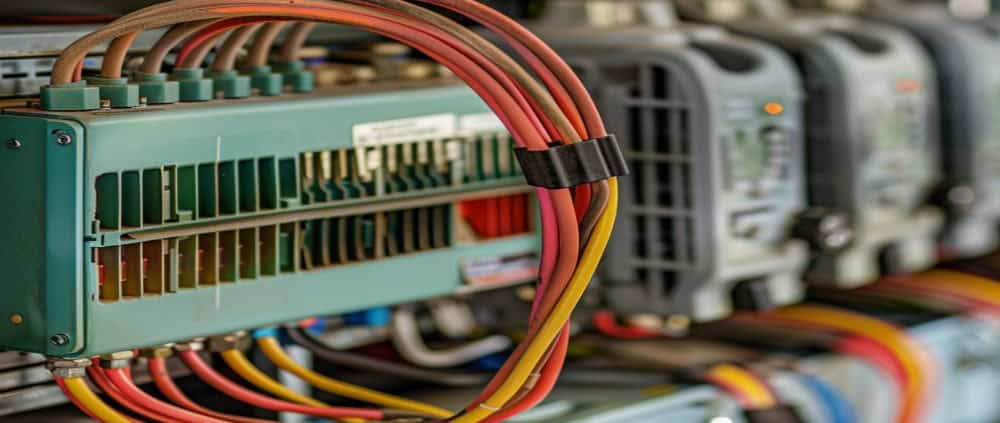
An AC capacitor is an essential component in an air conditioning system that stores electrical energy and releases it when needed to boost the starting torque of the compressor and the fan motors. It works by temporarily providing the extra voltage required to start these motors, enabling them to run smoothly throughout their operation. Without a functioning capacitor, your AC unit may struggle to start or fail to operate entirely.
Types of AC Capacitors
AC capacitors generally fall into two main categories:
Start Capacitors: These capacitors give the initial burst of power required to start the compressor motor. They are typically used only during startup and are disconnected once the system is running.
Run Capacitors: These capacitors provide continuous power to the motor during operation, helping it run efficiently without excessive wear. Run capacitors are designed for long-term use and typically have a longer lifespan than start capacitors.
Factors Affecting AC Capacitor Lifespan
Several factors can impact how long your AC capacitor will last. These include:
Frequency of Use: The more frequently your AC runs, the more wear and tear the capacitor endures. Units that run for extended periods or cycle frequently are more likely to experience capacitor failure.
Operating Conditions: Extreme temperatures—both high and low—can shorten the lifespan of an AC capacitor. High heat can degrade the internal components, while cold temperatures can affect its performance. Humidity can also be a contributing factor.
Capacitor Quality: Capacitors made from higher-quality materials and components typically last longer. Investing in a high-quality capacitor can save you money on replacements in the long run.
Environmental Factors: Exposure to dust, dirt, moisture, and other contaminants can degrade the capacitor’s efficiency. It’s important to ensure that your AC unit is kept in a clean environment, as excess dirt and dust can build up on the capacitor and cause it to fail prematurely.
Signs of a Failing AC Capacitor
Recognizing the early signs of a failing capacitor can help prevent sudden breakdowns. Here are some common symptoms to watch for:
Weak Airflow: If the capacitor is failing, the fan motor may struggle to run at full speed, resulting in weak or inconsistent airflow.
Warm Air: A malfunctioning capacitor might prevent the compressor from turning on properly, which means your AC won’t cool as effectively. If you feel warm air blowing through the vents instead of cool air, it could be a sign the capacitor is failing.
Unusual Noises: A capacitor that is on the brink of failure may cause unusual humming or buzzing sounds as the motor struggles to start or operate properly.
Average Lifespan of AC Capacitors
The lifespan of an AC capacitor varies based on its type and usage:
Start Capacitors: Typically, start capacitors last between 5 to 10 years. Their primary function is brief but critical, and they tend to wear out more quickly due to the heavy strain during startup cycles.
Run Capacitors: Run capacitors, on the other hand, have a longer lifespan, generally lasting 10 to 20 years. These capacitors work continuously, supporting the motor’s ongoing function, and are designed to endure over longer periods.
However, factors like climate, maintenance, and usage can either shorten or lengthen these estimates.
Extending the Lifespan of AC Capacitors
To prolong the lifespan of your AC capacitor and maintain overall efficiency, consider these maintenance tips:
Regular Maintenance: Schedule routine servicing of your AC unit, including cleaning and inspecting the capacitor. Dust and dirt buildup can hinder performance.
Proper Installation: Ensure your air conditioner is installed correctly and is not overburdened. Overworked systems are harder on components like the capacitor.
Environmental Controls: Ensure that the AC unit is installed in a clean, well-ventilated area. Avoid placing it near heat sources or in excessively humid environments, which can contribute to the degradation of the capacitor.
Replacing an AC Capacitor
If your AC capacitor begins to show signs of failure, timely replacement is crucial to prevent damage to the entire system. Capacitors are relatively inexpensive, but delaying replacement can result in more costly repairs, such as replacing the compressor or fan motor.
While replacing a capacitor is possible as a DIY project for some homeowners, it is generally safer and more effective to call a professional. AC systems involve electrical components that could pose safety risks if improperly handled.
Cost of AC Capacitor Replacement
The cost of replacing an AC capacitor can vary based on the type, brand, and labor fees. On average, you can expect to pay between $100 and $500 for a capacitor replacement. Factors influencing the price include:
- The type of capacitor (start or run).
- The brand and quality of the replacement capacitor.
- The labor cost of the technician performing the replacement.
Conclusion
Understanding how long an AC capacitor lasts and the factors that influence its lifespan can help you maintain your air conditioning system more effectively. Regular maintenance, early detection of problems, and proper care can help extend the life of your capacitor, ensuring your AC unit continues to operate smoothly. By replacing a failing capacitor promptly, you prevent potential damage to other components and keep your system in peak condition.
FAQs
How do I know if my AC capacitor is failing?
Signs of a failing AC capacitor include weak airflow, warm air from the vents, and strange noises like buzzing or humming from the unit.
Can I replace my AC capacitor myself?
While some homeowners may choose to replace the capacitor themselves, it’s safer to hire a professional HVAC technician to ensure proper handling and installation.
How often should AC capacitors be inspected?
It’s recommended to inspect your AC capacitor annually during routine maintenance. This helps identify any signs of wear or degradation before they lead to system failure.
Are there any warning signs before an AC capacitor fails?
Common warning signs include decreased cooling efficiency, strange noises from the unit, and fluctuating airflow from the vents.
What happens if I don’t replace a failing AC capacitor?
Ignoring a failing capacitor can lead to more serious issues, including motor failure or compressor damage, which could result in more expensive repairs or even the need for a new unit.
Does Cabin Air Filter Affect AC?
Introduction
Imagine driving on a sweltering summer day, only to find that your car’s air conditioning system isn’t delivering the cool relief you expect. One often-overlooked culprit for this issue could be a neglected cabin air filter. The cabin air filter, while primarily responsible for air quality inside the vehicle, directly impacts the efficiency and performance of your AC system. Understanding its role and keeping it in good condition is essential for optimal comfort and system longevity.
The Function of Cabin Air Filter
The cabin air filter serves as a protective barrier in your vehicle’s HVAC system (Heating, Ventilation, and Air Conditioning). Its primary function is to filter out airborne pollutants—such as dust, pollen, mold spores, and other contaminants—that enter the cabin through the air intake system. By removing these particles, the cabin air filter ensures that the air circulating inside the car is clean, breathable, and free from allergens. This contributes not only to comfort but also to the overall health of passengers, especially those with respiratory issues or allergies.
Impact of a Dirty Cabin Air Filter on AC Performance
While the cabin air filter is crucial for maintaining air quality, it also plays a vital role in your vehicle’s AC performance. Over time, dirt and debris accumulate on the filter, leading to clogging. This clogging restricts airflow, making it harder for air to pass through the system and into the cabin. As a result, the AC system has to work harder to achieve the desired temperature, leading to reduced cooling efficiency and increased wear on the components.
The reduced airflow also means the air coming out of the vents may not be as cool as it should be, and the system may struggle to maintain comfort, especially on hot days. Additionally, a clogged filter can cause excess strain on the AC components, such as the compressor and blower motor, potentially leading to more expensive repairs down the line.
Symptoms of a Clogged Cabin Air Filter
Recognizing the signs of a clogged cabin air filter is key to maintaining optimal AC performance. Here are the common symptoms that indicate a filter replacement may be needed:
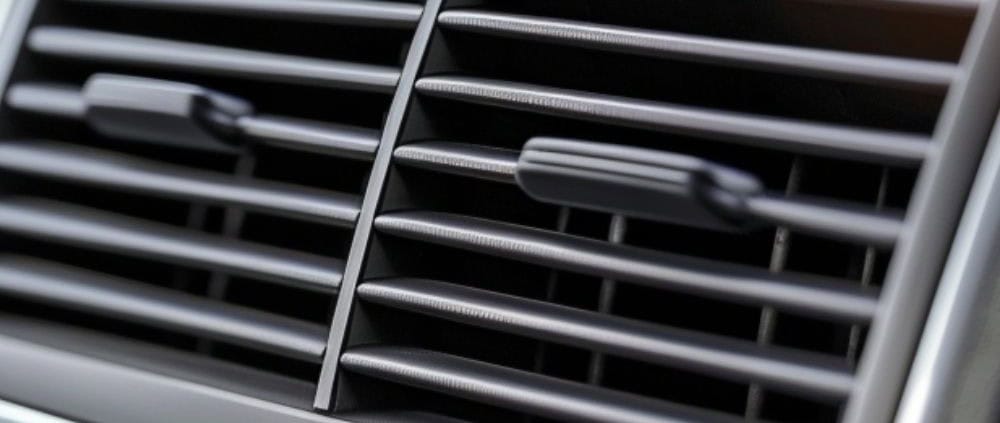
Weak Airflow: One of the most noticeable signs of a clogged cabin air filter is weak or inconsistent airflow from the vents. If you notice that the air coming through the vents is weaker than usual, it could be due to the restricted airflow caused by a dirty filter.
Unpleasant Odors: A musty or stale odor when you turn on the AC is a sign that mold or bacteria may be growing on the filter. This issue arises because a clogged filter can trap moisture, creating the perfect environment for mold growth.
Increased Allergies or Respiratory Issues: If passengers in the vehicle experience worsened allergies, coughing, or difficulty breathing, it could be a sign that the filter isn’t effectively trapping pollutants. A clogged cabin air filter will allow more allergens and particles to enter the cabin air, aggravating these symptoms.
Benefits of Regular Cabin Air Filter Replacement
Replacing the cabin air filter regularly is essential for several reasons:
Improved Air Quality: A clean cabin air filter ensures the air circulating inside your vehicle is free from dust, pollen, and pollutants, improving overall air quality and reducing allergens.
Enhanced AC Performance: By maintaining proper airflow, the AC system can cool the cabin more efficiently, reducing energy consumption and improving overall system performance.
Longer AC Lifespan: Regular filter replacements reduce strain on the AC components, helping to extend their lifespan by preventing unnecessary wear and tear.
Cost Savings: Preventing damage to key components like the compressor and blower motor through regular maintenance can save you money on costly repairs.
How Often Should You Replace Your Cabin Air Filter?
The frequency of cabin air filter replacement depends on several factors, including your driving habits and the environmental conditions you typically drive in. As a general guideline:
Every 12,000 to 15,000 miles: This is the typical replacement interval recommended by most manufacturers.
Severe Conditions: If you often drive in dusty or polluted environments, or if you live in an area with high levels of pollen, it may be necessary to replace the filter more frequently—around every 10,000 miles.
Check the Owner’s Manual: Always refer to the vehicle’s owner’s manual for specific recommendations tailored to your car’s make and model.
DIY vs. Professional Replacement
Replacing the cabin air filter is a relatively simple task that many car owners can handle themselves. Most vehicles have a compartment or slot for the filter that is easy to access, often behind the glove box or under the dashboard. However, if you are unfamiliar with car maintenance or prefer professional help, mechanics can replace the filter for you.
Here are the benefits of each option:
DIY Replacement: Saves money and allows you to personally inspect the condition of the filter. Many online tutorials and manuals provide easy-to-follow instructions.
Professional Replacement: Ensures the job is done correctly, with the added benefit of a thorough inspection of your car’s HVAC system to catch any other potential issues.
Choosing the Right Cabin Air Filter
Selecting the right cabin air filter is essential for maintaining your vehicle’s air quality and HVAC efficiency. When replacing the filter, consider the following:
OEM vs. Aftermarket: OEM (Original Equipment Manufacturer) filters are designed specifically for your vehicle, ensuring a perfect fit. Aftermarket filters may offer similar performance at a lower cost, but it’s important to choose a reputable brand for quality assurance.
Filtration Efficiency: Look for filters with a higher MERV (Minimum Efficiency Reporting Value) rating. This rating indicates the filter’s ability to capture particles, with higher values meaning better filtration efficiency.
Material: Cabin air filters are commonly made from materials like paper, activated carbon, or a combination of both. Filters with activated carbon can help absorb odors and pollutants more effectively.
Maintaining Your AC System
In addition to regular cabin air filter replacement, maintaining the overall AC system is crucial for performance and longevity. Regularly clean and inspect the AC coils and drainage lines, and check the refrigerant levels. Promptly address any unusual noises, leaks, or changes in performance to prevent further damage and ensure smooth operation.
Common Misconceptions About Cabin Air Filters
There are several myths about cabin air filters that could lead to confusion:
Myth 1: “The cabin air filter only affects air quality, not AC performance.”
Reality: A clogged filter not only impacts air quality but also significantly reduces the AC system’s performance by restricting airflow.
Myth 2: “I don’t need to replace my cabin air filter if I don’t notice any problems.”
Reality: Even if you don’t notice symptoms right away, a clogged filter can gradually reduce the efficiency of your AC system and harm components.
FAQs
What happens if I don’t replace my cabin air filter?
Neglecting to replace the cabin air filter can result in decreased airflow, reduced AC performance, unpleasant odors, and potential damage to AC components.
Can a dirty cabin air filter cause AC compressor failure?
Yes, a clogged filter can overwork the AC compressor by restricting airflow, which could lead to premature compressor failure or other expensive damage.
How do I know if my cabin air filter needs replacing?
Signs of a dirty cabin air filter include weak airflow, unpleasant smells, increased allergies, and difficulty achieving the desired cabin temperature.
Can I clean and reuse a cabin air filter?
Most cabin air filters are designed for single-use replacement. While some filters are washable, they generally lose their efficiency after cleaning and should be replaced instead.
Are expensive cabin air filters better than cheaper ones?
Not necessarily. The right filter for your vehicle depends on its filtration rating and material. Always choose a filter that meets your vehicle’s specific needs and performance standards.
Conclusion
The cabin air filter is an essential component of your vehicle’s HVAC system, playing a direct role in the performance of your AC. Regular maintenance, including timely filter replacement, is critical to ensure a clean, efficient, and long-lasting air conditioning system. By recognizing the symptoms of a clogged filter and adhering to a replacement schedule, you can maintain optimal air quality and AC performance for a more comfortable driving experience.