
How to Unfreeze Your AC: A Comprehensive Guide
A frozen air conditioner can quickly turn a sweltering summer day into an uncomfortable experience. Fortunately, unfreezing your AC doesn’t always require expensive repairs. Understanding the causes and taking appropriate steps can help restore your unit’s functionality while preventing future issues.
Introduction to AC Freezing Issues
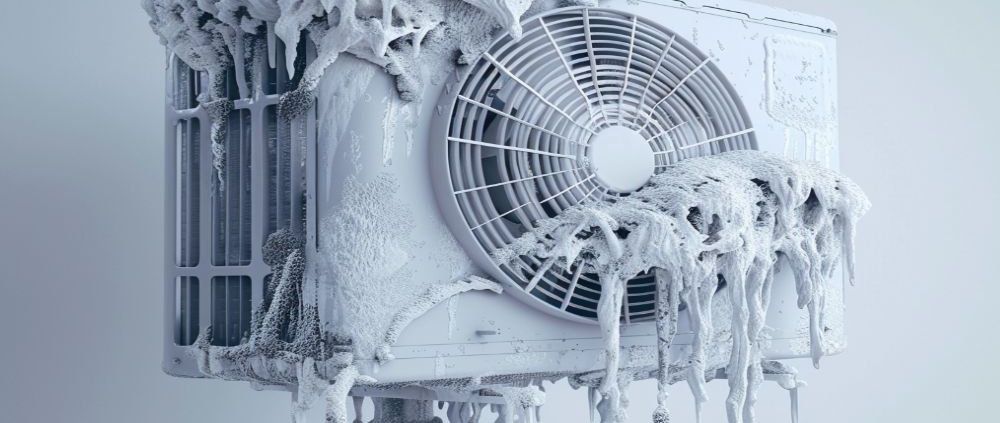
An AC unit freezes when moisture in the air collects on the evaporator coils and freezes into ice. This disrupts the cooling process, hindering airflow and reducing efficiency. Common causes of freezing include:
Restricted airflow due to dirty filters or blocked vents.
Low refrigerant levels caused by leaks.
Dirty evaporator coils that impede heat transfer.
Thermostat malfunctions that overwork the system.
Understanding the root cause is essential for unfreezing your AC and ensuring long-term performance.
Step 1: Check for Airflow Obstructions
Blocked airflow is one of the most common reasons for AC freezing. Start by inspecting and addressing these potential issues:
Inspect and Replace Air Filters
Dirty or clogged air filters reduce airflow, forcing your AC to work harder and causing ice buildup. Replace disposable filters or clean reusable ones every 1–3 months.
Unblock Vents and Registers
Ensure all vents and registers in your home are open and free from obstructions like furniture, curtains, or rugs. Proper airflow circulation prevents uneven cooling and ice formation.
Clean the Return Air Ducts
Dust and debris in the return air ducts can restrict airflow. Vacuum the ducts periodically to maintain optimal performance.
Step 2: Inspect Refrigerant Levels
Refrigerant is essential for heat transfer in your AC system. Low refrigerant levels can cause the evaporator coil to get too cold, leading to freezing.
Identify Signs of Low Refrigerant
Look for the following signs:
Reduced cooling efficiency or lukewarm air from vents.
Ice accumulation on the evaporator coil or refrigerant lines.
A hissing or bubbling sound near the AC unit, indicating a leak.
Seek Professional Assistance
Refrigerant handling requires specialized tools and expertise. Contact an HVAC technician to inspect, recharge, and address any leaks in your system.
Step 3: Clean the Evaporator Coil
The evaporator coil absorbs heat from your home’s air, enabling the cooling process. A dirty or clogged coil disrupts this process, causing freezing.
Turn Off the AC and Allow Ice to Melt
Before cleaning, switch off your AC and let the ice thaw completely. This may take several hours, depending on the severity of the freeze.
Clean with a Soft Brush and Mild Cleaner
Gently remove dirt and debris using a soft brush. For deeper cleaning, use a coil cleaner or a mild detergent solution. Rinse thoroughly and allow the coil to dry before restarting the system.
Step 4: Calibrate the Thermostat
A malfunctioning thermostat can cause your AC to overwork, leading to freezing. Ensuring your thermostat is accurate is vital.
Compare Thermostat Readings
Use a separate room thermometer to check if your thermostat is accurately displaying the room temperature.
Adjust or Upgrade Your Thermostat
If discrepancies are found, recalibrate your thermostat. For better efficiency, consider upgrading to a programmable or smart thermostat that prevents overcooling and optimizes usage.
Step 5: Maintain the Condenser Unit
The condenser unit outside your home dissipates heat absorbed by the refrigerant. Blockages or debris around this unit can lead to inefficiencies and freezing.
Clear Debris Around the Unit
Remove leaves, grass clippings, or dirt surrounding the condenser. Ensure at least two feet of clearance on all sides for proper airflow.
Clean the Fins and Coils
Hose down the condenser fins and coils gently to remove dirt and buildup. Use a fin comb to straighten any bent fins for optimal performance.
Step 6: Know When to Call a Professional
If your AC continues to freeze despite taking the above steps, it’s time to consult an HVAC professional.
Expert Diagnosis
Technicians can perform a detailed inspection to identify hidden issues, such as electrical problems, refrigerant leaks, or compressor malfunctions.
Preventive Maintenance
Schedule annual maintenance with a certified HVAC technician to clean, test, and fine-tune your system for optimal performance. Preventive maintenance reduces the risk of recurring freezing problems and extends the lifespan of your AC unit.
Preventing AC Freezing in the Future
Change Filters Regularly
Replace air filters every 1–3 months, especially during peak cooling seasons or in homes with pets or allergies.
Keep Coils Clean
Regularly clean evaporator and condenser coils to ensure efficient heat exchange and prevent ice formation.
Monitor Refrigerant Levels
Have a professional check your refrigerant levels annually to detect and resolve leaks early.
Insulate Your Home
Proper insulation reduces heat gain, lessening the strain on your AC and preventing overcooling.
Upgrade Old Systems
If your AC system is outdated, consider replacing it with a modern, energy-efficient model. Advanced units are less prone to freezing and offer better performance.
Conclusion
Unfreezing your AC doesn’t have to be overwhelming. By understanding the common causes of freezing and following the steps outlined above, you can resolve the issue and prevent it from recurring. Regular maintenance and professional check-ups are vital for ensuring your AC operates smoothly, providing reliable cooling when you need it most.
FAQs
How can I tell if my AC is frozen?
Signs include weak airflow, warm air from vents, ice on coils, or water puddles near the indoor unit.
Can I unfreeze my AC without professional help?
Yes, you can take basic steps like checking filters, cleaning coils, and unblocking vents. For persistent issues, consult an HVAC technician.
How long does it take to thaw a frozen AC?
Depending on the severity of the ice buildup, thawing may take several hours to overnight.
Why do refrigerant levels drop in an AC system?
Refrigerant levels usually drop due to leaks, which should be addressed by a certified professional.
How often should I maintain my AC?
Regular maintenance, including filter changes and professional inspections, should be performed annually or as needed.
How to Tell If AC Fuse Is Blown
AC fuses are small yet essential components of your air conditioning system. They act as protective barriers, preventing electrical overloads and short circuits that could otherwise damage your AC unit. Like any electrical component, fuses can fail over time, causing disruptions to your cooling system. In this guide, we’ll explore the signs of a blown AC fuse, how to diagnose and replace it, preventive measures, and when to seek professional help.
Introduction to AC Fuses
AC fuses are designed to protect your cooling system from damage caused by electrical surges, short circuits, or excessive current flow. When a fuse blows, it breaks the circuit, stopping the flow of electricity to the AC unit. This safety mechanism prevents overheating, potential fire hazards, and costly repairs. Understanding their function and knowing how to identify issues can save you time, discomfort, and money.
Common Signs of a Blown AC Fuse
A blown fuse can cause various symptoms that disrupt your AC’s performance. Here’s what to look for:
No Cool Air from the Vents
If your AC is running but not cooling, a blown fuse might be the reason. Without a working fuse, the system cannot deliver sufficient power to the cooling components.
AC Unit Fails to Turn On
When the fuse is blown, your air conditioner might not start at all. This is a common scenario where power is entirely cut off to the system.
Frequent Tripping of the Circuit Breaker
If your AC’s circuit breaker trips repeatedly, it could be due to an electrical overload, often linked to a blown fuse or other wiring issues.
Burning Smell or Scorch Marks
A burning smell near your AC unit or visible scorch marks on the fuse could indicate an electrical failure. Stop using the system immediately and investigate further.
Visible Damage to the Fuse
In some cases, inspecting the fuse directly can reveal discoloration, cracks, or a broken filament, all of which are signs of a blown fuse.
How to Diagnose a Blown AC Fuse
Diagnosing a blown AC fuse requires careful inspection and testing. Here’s a step-by-step process:
Inspect the Circuit Breaker
Locate the circuit breaker panel.
Check if the breaker linked to your AC is tripped.
Reset the breaker and observe whether the AC resumes normal operation. If it trips again, this could indicate a blown fuse or deeper electrical issue.
Examine the Fuse Box
Identify the fuse box for your AC, typically located near the outdoor condenser unit or in your home’s electrical panel.
Look for physical signs of damage, such as blackened areas or melted components.
Test the Fuse with a Multimeter
Set Up: Use a multimeter, setting it to measure continuity or resistance.
Test: Place the probes on each end of the fuse. Interpret Results: If the multimeter shows infinite resistance or no continuity, the fuse is blown and must be replaced.
Steps to Replace a Blown AC Fuse
Replacing a blown fuse is straightforward if done carefully. Follow these steps:
1. Gather Tools and Materials
A replacement fuse matching the original amperage rating.
Insulated gloves and fuse pullers for safety.
A multimeter to confirm the issue.
2. Turn Off Power to the Unit
Switch off the circuit breaker connected to your AC to eliminate any risk of electrical shock.
3. Locate and Remove the Blown Fuse
Open the fuse box and use insulated tools or gloves to safely remove the damaged fuse.
Inspect the socket for any visible damage or debris before inserting a new fuse.
4. Install the New Fuse
Insert the replacement fuse into the socket, ensuring it fits securely.
Avoid touching the metal ends of the fuse directly to prevent contamination or damage.
5. Restore Power
Turn the circuit breaker back on and check if the AC operates correctly.
Preventive Measures to Avoid Blown AC Fuses
Proactive maintenance can reduce the likelihood of blown fuses and improve your AC’s efficiency.
Regular Maintenance
Schedule professional AC maintenance at least once a year to inspect electrical components, clean the unit, and address any emerging issues.
Keep the Condenser Unit Clear
Debris like leaves, dirt, and grass can obstruct airflow and strain your AC, increasing the risk of electrical problems. Clean the area around the condenser regularly.
Monitor Electrical Connections
Inspect wiring and electrical connections for signs of corrosion, fraying, or loose connections. Address any issues promptly to prevent overloads.
Use the Correct Fuse Type
Always use a fuse with the same amperage rating as specified by the manufacturer. Using higher-rated fuses can damage your system and pose safety hazards.
When to Seek Professional Help
Some situations require the expertise of a licensed HVAC technician:
Persistent Electrical Issues
If replacing the fuse doesn’t solve the problem or the breaker keeps tripping, a professional can diagnose and fix underlying electrical issues.
Frequent Fuse Failures
Repeated fuse blowing indicates deeper problems, such as faulty wiring, malfunctioning components, or an overloaded circuit.
Safety Concerns
If you’re unsure about handling electrical components or feel unsafe, it’s best to call a professional to handle the repair.
Conclusion
A blown AC fuse can disrupt your cooling system but is often a simple issue to diagnose and resolve. By recognizing the signs, testing the fuse, and following proper replacement procedures, you can restore your AC’s functionality efficiently. Regular maintenance and proactive measures can further minimize the risk of future fuse failures, keeping your system running smoothly when you need it most.
FAQs
Can I replace an AC fuse myself?
Yes, but ensure you follow safety precautions and use the correct replacement fuse.
What causes AC fuses to blow?
Common causes include electrical overloads, short circuits, and wear and tear from prolonged use.
How often should I check my AC fuses?
Include fuse checks in your annual AC maintenance routine or whenever you experience cooling issues.
What if my AC fuse keeps blowing?
Persistent fuse failures indicate underlying issues that require professional diagnosis and repair.
Can I use a higher-amp fuse for my AC?
No, always use a fuse with the manufacturer-recommended amp rating to avoid damaging your system.

How to Remove Air from AC System Without Vacuum Pump
Maintaining your car’s air conditioning system is essential for a comfortable driving experience, especially in hot weather. One common problem is air becoming trapped in the AC system, which reduces cooling efficiency and may cause damage to vital components. While vacuum pumps are the standard tool for removing air, alternative methods can be equally effective when you don’t have one.
Understanding the Importance of Removing Air from the AC System
Air trapped in the AC system disrupts refrigerant flow, reducing efficiency and potentially causing long-term damage. Here’s why proper air removal is crucial:

Ensures Efficient Cooling
Air trapped in the AC system can hinder refrigerant circulation, reducing cooling performance. Removing air allows for proper refrigerant flow, ensuring optimal cooling efficiency.
Prevents Component Damage
Trapped air can cause pressure imbalances, leading to strain on the compressor and other components. Over time, this can result in expensive repairs or system failure.
Methods to Remove Air from AC System Without a Vacuum Pump
Although vacuum pumps are ideal for removing air, the following alternative methods can help you achieve similar results without specialized equipment:
Purging Method
This method uses the AC compressor to push air out of the system. It requires some patience but is effective when done correctly.
Gravity Bleeding Method
This approach relies on the natural flow of refrigerant to remove air. It’s a simple, hands-off technique that works well for minor air pockets.
Compressor Cycling Method
By turning the AC compressor on and off, pressure changes occur within the system, helping to dislodge trapped air. This method is easy to perform and doesn’t require additional tools.
Step-by-Step Guide: Removing Air from AC System Without a Vacuum Pump

Prevents Component Damage
Trapped air can cause pressure imbalances, leading to strain on the compressor and other components. Over time, this can result in expensive repairs or system failure.
Methods to Remove Air from AC System Without a Vacuum Pump
Although vacuum pumps are ideal for removing air, the following alternative methods can help you achieve similar results without specialized equipment:
Purging Method
This method uses the AC compressor to push air out of the system. It requires some patience but is effective when done correctly.
Gravity Bleeding Method
This approach relies on the natural flow of refrigerant to remove air. It’s a simple, hands-off technique that works well for minor air pockets.
Compressor Cycling Method
By turning the AC compressor on and off, pressure changes occur within the system, helping to dislodge trapped air. This method is easy to perform and doesn’t require additional tools.
Tips for Effective Air Removal

Be Patient
Removing air from the AC system can take time, especially with manual methods. Allow the process to work without rushing.
Use Pressure Gauges
Monitoring the system’s pressure ensures the process is proceeding correctly and prevents overcharging.
Avoid Overcharging
Be cautious when releasing refrigerant or adding new refrigerant. Overcharging can damage the system.
Inspect for Leaks
Check for refrigerant leaks after completing the process. Address any leaks immediately to maintain system efficiency.
Seek Professional Help When Needed
If the process seems overwhelming or you encounter issues, consult a certified mechanic to avoid further complications.
Contact us for AC Repair:

Conclusion
Removing air from your car’s AC system is essential for maintaining efficient cooling and protecting system components. While vacuum pumps are the gold standard, alternative methods like purging, gravity bleeding, and compressor cycling can be effective for DIYers without specialized tools.
By following the methods outlined here and taking the necessary precautions, you can restore your AC’s performance and enjoy a comfortable ride. However, if you face challenges or are unsure about the process, don’t hesitate to contact a professional for assistance.
If you are looking for ac Service and Repair then you have go here. There you will get your best amazing AC Service all Thing premier heating and cooling. You can call here: 818-274-1971
FAQs
Can I remove air from the AC system without specialized tools?
Yes, techniques like purging, gravity bleeding, and compressor cycling are effective and require no specialized equipment.
How long does it take to remove air from the AC system?
The duration depends on the method used and the extent of air trapped. It can take 15 minutes to over an hour.
What are the risks of not removing air from the AC system?
Trapped air can reduce cooling efficiency, strain the compressor, and lead to costly repairs over time.
Can I use these methods for severe air blockages?
For severe air blockages or recurring issues, consult a professional as these methods may not fully resolve complex problems.
What should I do if refrigerant leaks during the process?
Stop immediately and seal the system. Refrigerant leaks should be addressed by a certified mechanic to ensure proper repair.