
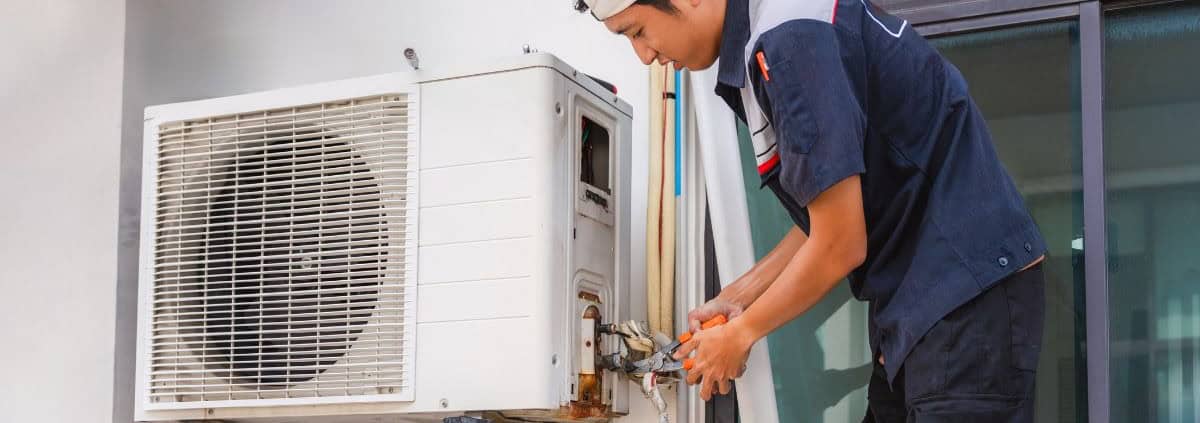
How Long Does It Take to Replace an AC Unit
Replacing an air conditioning unit is a major task that involves planning, preparation, and professional installation. Many homeowners want to know how much time it will take before their new system is ready to use. The installation timeline depends on several factors, including the type of unit, home size, ductwork condition, and the expertise of the HVAC technician.
Average Time for AC Unit Replacement
On average, replacing an AC unit takes between 4 to 8 hours. For a straightforward swap of an old unit with a new one of similar size and design, the process can often be completed in half a day. However, more complex replacements may extend to a full day or even two days.
Factors That Affect Installation Time
Type of AC Unit
Central air conditioning systems typically take longer to replace compared to smaller ductless mini-splits. A central system requires connecting to existing ductwork, electrical wiring, and refrigerant lines, while ductless units need less structural work.
Condition of Ductwork
If ductwork is in good condition, the installation is faster. However, damaged or outdated ducts may need repairs or replacement. This additional work can add 1 to 3 days depending on the extent of changes required.
Size of the Home
Larger homes often need bigger systems, which take more time to install. A small residential system may be installed within a few hours, while larger units designed for multi-level homes take longer.
Accessibility of the Unit Location
If the air conditioning system is located in an attic, crawl space, or tight area, technicians may need extra time for removal and installation. Easy-to-reach locations speed up the process.
Permits and Safety Checks
Some states and cities require permits for AC replacement. HVAC technicians may also need to perform safety checks and inspections, which can extend the total time.
Step-by-Step Timeline of AC Replacement
- Removal of the Old Unit – Disconnecting the refrigerant, electrical wiring, and removing the old system usually takes 1 to 2 hours.
- Preparation Work – This includes setting the new pad, adjusting duct connections, or preparing the site, which may take 1 to 3 hours.
- Installing the New Unit – Placing the system, connecting refrigerant lines, wiring, and attaching ductwork usually requires 2 to 4 hours.
- Testing and Inspection – After installation, the technician checks for leaks, measures airflow, tests electrical systems, and ensures the system runs efficiently. This step takes 1 to 2 hours.
Frequently Asked Questions
How long does it take to install a central AC system in a new home?
Installing a brand-new central AC system in a home without existing ductwork can take 3 to 5 days because technicians need to design and install the duct system.
Can AC replacement be done in one day?
Yes, most replacements where ductwork is already in place can be completed in a single day, usually within 6 to 8 hours.
Does replacing ductwork add more time?
Yes, replacing ductwork can add several days to the project, depending on the size and complexity of the home.
How soon can you use the AC after replacement?
Once installation and testing are complete, the system is ready to use immediately.
Is AC replacement faster for ductless systems?
Yes, ductless mini-split systems can be installed in 4 to 6 hours, making them quicker than central systems.
Conclusion
Replacing an AC unit generally takes 4 to 8 hours, though certain conditions may extend the process. The type of unit, condition of ductwork, and accessibility of the installation site all influence the timeline. For most homeowners, AC replacement is completed in a single day, allowing the new system to operate efficiently and restore comfort quickly. Professional installation ensures safe operation, energy efficiency, and compliance with local regulations.

How to Replace an AC Capacitor in 5 Easy Steps
Introduction
Replacing an AC capacitor is a crucial maintenance task that can help ensure your air conditioning system operates efficiently. The AC capacitor plays a key role in powering the compressor and fan motor, making it an essential component for cooling your home effectively. When it fails, your air conditioner may struggle to start or fail to function entirely, leading to discomfort and potentially higher energy costs.
Learning how to replace an AC capacitor can save you significant repair expenses and reduce
downtime during the hotter months. This step-by-step guide will walk you through the process in five easy steps, ensuring you complete the replacement safely and correctly.
Before beginning, it’s essential to prioritize safety by following proper precautions and using the right tools. With careful attention and the information in this guide, you can restore your AC’s performance and maintain a comfortable indoor environment.

What is an AC Capacitor, and Why Does It Fail?
Definition and Function
An AC capacitor is an essential electrical component within an air conditioning system. It stores and releases electrical energy to power the compressor, fan, and blower motor, enabling the system to start and maintain operation efficiently. Capacitors come in two main types: start capacitors and run capacitors. Start capacitors provide the extra energy needed to start the system, while run capacitors ensure steady energy flow during operation.
Common Reasons for Failure
Over time, AC capacitors may fail due to several factors. Excessive heat exposure can degrade their internal components, especially during prolonged use in high temperatures. Power surges, such as those caused by lightning or electrical issues, can damage the capacitor’s delicate circuits. Age is another significant factor; most capacitors have a lifespan of 10–20 years, depending on quality and usage.
Other causes include manufacturing defects, physical damage, or improper installation. When a capacitor fails, signs like a humming noise, failure of the AC to start, or warm air instead of cool air indicate a potential problem. Identifying these symptoms early can help prevent further damage to the system.

Tools and Materials You’ll Need
Essential Tools
Several tools are necessary to replace an AC capacitor safely and effectively. A screwdriver is required to remove the AC unit’s access panel, while needle-nose pliers are helpful for disconnecting and reconnecting wires securely. An insulated multimeter is crucial for testing the capacitor and ensuring the power is off before starting the replacement process. Insulated gloves are recommended to protect against accidental electrical contact during the procedure.
Replacement Capacitor
The new AC capacitor must match the specifications of the old one. This includes the capacitance value (measured in microfarads, µF), voltage rating, and type. These details are usually printed on the old capacitor’s label. Using a capacitor with incorrect specifications can lead to system malfunctions or damage.
Safety Gear
Safety should be prioritized during the replacement process. Protective gear, such as insulated gloves and safety goggles, minimizes the risk of electrical shocks and debris-related injuries. Ensuring proper lighting and ventilation further enhances safety while working on the unit.

Safety Precautions Before You Start
Turn Off Power to the AC Unit
Before starting any work, ensure the power to the AC unit is turned off at the main breaker box.
This step eliminates the risk of electric shock while handling the capacitor. Do not rely solely on the thermostat to turn off the system; always disconnect power directly from the breaker.
Verify Power is Off
After switching off the breaker, use a multimeter to confirm that no electrical current is running to the AC unit. Touch the multimeter’s probes to the terminals where the power connects to ensure the system is completely de-energized.
Discharge the Old Capacitor
Capacitors can hold a dangerous electrical charge even with the power turned off. Use an insulated screwdriver to carefully short the terminals of the old capacitor, discharging any residual electricity. This step is critical to avoid accidental shocks.
Prepare the Workspace
Work in a well-lit, ventilated area to improve visibility and reduce risks. Ensure the surrounding area is free of debris or obstructions that might cause accidents. If working outdoors, be cautious of weather conditions and avoid wet environments.
Wear Protective Gear
Always wear insulated gloves to protect your hands from accidental contact with electrical components. Safety goggles should shield your eyes from debris or sparks during the process. Proper protective gear is a non-negotiable safety measure for this task.

Step-by-Step Guide to Replacing an AC Capacitor
Step 1: Access the AC Unit Panel
Locate the service panel on the outdoor AC unit. Remove the screws securing the panel using a
screwdriver. Carefully set the screws aside to avoid losing them. Once open, identify the capacitor, a cylindrical or oval component typically attached to the motor with wires leading to its terminals. Take a picture or note the placement of the wires to ensure correct reassembly.
Step 2: Disconnect and Remove the Faulty Capacitor
Ensure the power is off and the capacitor has been discharged. Use insulated gloves and needle-nose pliers to carefully disconnect each wire from the capacitor capacitors. Label the wires if necessary to remember their positions. Remove the mounting bracket or clip holding the capacitor in place, and take out the old capacitor.
Step 3: Install the New Capacitor
Check that the new capacitor matches the old capacitance and voltage ratings. Place the new capacitor in the same position as the old one and secure it with the mounting bracket or clip. Reconnect the wires to their corresponding terminals per the labels or photographs taken earlier. Ensure all connections are tight and secure.
Step 4: Test the Installation
After securing the wires, a multimeter confirms proper installation by measuring the new capacitor’s voltage and capacitance. Double-check the wiring to ensure there are no loose connections. Once verified, turn the power back on at the breaker box and run the AC system to confirm it starts and operates as expected.
Step 5: Secure and Close the Panel
Turn the power off again and carefully replace the service panel. Tighten the screws to ensure the panel is securely closed, protecting the internal components. Clear the area of any tools or debris and confirm the system is functioning efficiently.
Troubleshooting Common Issues After Replacement
AC Unit Fails to Start
If the AC does not start after you replace the capacitor, recheck the wiring connections. Ensure that each wire is securely attached to the correct terminal as per the capacitor’s labelling or your reference image. Verify that the power is restored at the breaker box and that the thermostat is set correctly.
Unusual Noises or Vibrations
Humming, buzzing, or other unusual sounds may indicate an improperly installed or defective capacitor. A multimeter will test the new capacitor’s voltage and capacitance. If the readings do not match the specified ratings, consider replacing the capacitor again with a correctly rated unit.
AC Running Inefficiently
Check for loose or damaged wires if the system starts but does not cool effectively or struggles to maintain consistent airflow. Inspect the fan motor and compressor for signs of strain, as the initial capacitor failure may have affected these components.
Frequent Tripping of the Breaker
A breaker that trips repeatedly after capacitor replacement may indicate an electrical issue beyond the capacitor. Check for short circuits, damaged wiring, or mismatched capacitor specifications. If the problem persists, consult a professional HVAC technician for further diagnosis.
Overheating or Shutdowns
Overheating during operation can occur if the capacitor is installed in a location with poor
ventilation or high ambient temperatures. To prevent thermal stress on the components, ensure the AC unit is placed in a shaded, well-ventilated area.
Maintenance Tips to Extend the Life of Your AC Capacitor
Perform Regular Inspections
Inspect the AC capacitor and surrounding components periodically for signs of wear, corrosion, or swelling. Early detection of damage helps prevent failures and prolongs the capacitor’s lifespan.
Clean the Area Around the Unit
Ensure the area surrounding the outdoor AC unit is free from debris, leaves, and dirt. Blockages can restrict airflow, causing the system to overheat and placing additional strain on the capacitor.
Monitor Voltage Levels
Fluctuations in voltage can stress the capacitor and lead to premature failure. Use a surge protector or voltage regulator to safeguard the AC unit against power surges and electrical instability.
Maintain Proper Ventilation
Place the outdoor unit in a well-ventilated location, preferably shaded, to minimize exposure to excessive heat. High temperatures accelerate capacitor deterioration, so keeping the unit cool can significantly extend its service life.
Schedule Routine Professional Maintenance
Regular servicing by an HVAC professional ensures all components, including the capacitor, are functioning efficiently. Professionals can detect potential issues early and perform necessary adjustments or replacements as needed.
Conclusion
Replacing an AC capacitor is a manageable task that can significantly improve the performance and efficiency of your air conditioning system. By following the proper steps, using the right tools, and taking necessary safety precautions, you can successfully replace a faulty capacitor and restore your AC unit to full functionality.
Maintaining your AC system through regular inspections and proper care will help prevent capacitor failure and extend the lifespan of your unit. Should you encounter any difficulties or complications during the process, consulting a professional HVAC technician is always a wise option to ensure long-term reliability and safety.
FAQs
How do I know if my AC capacitor could be better?
Signs of a bad capacitor include the AC unit failing to start, making a humming or buzzing sound without cooling, or producing warm air instead of cold. You may also notice the system cycling on and off frequently or experiencing irregular cooling performance. A multimeter can be used to test the capacitor’s functionality, confirming if it needs replacement.
Can I replace an AC capacitor myself?
Replacing an AC capacitor is a doable DIY project if you have basic electrical knowledge and the proper tools. However, safety precautions must be followed strictly, including disconnecting the power, discharging the capacitor, and using insulated tools. If you are unsure or uncomfortable with electrical work, hiring a professional HVAC technician is recommended.
What happens if I install the wrong capacitor?
Installing the wrong capacitor can lead to several issues, such as system inefficiency, potential damage to the compressor or motor, and even complete failure of the AC unit. To ensure proper functioning, it is essential to match the new capacitor’s specifications, including voltage and capacitance, to those of the original one.
How often should I replace my AC capacitor?
AC capacitors typically last 10 to 20 years, depending on the usage and environmental factors. Regular inspections can help identify signs of wear or failure before a full replacement is necessary. However, it may need replacing sooner if your AC unit experiences frequent power surges, excessive heat, or shows signs of capacitor issues.

Your Premier Destination for AC Repair in Mission Hills
When the heat of summer hits Mission Hills, a functioning air conditioning system is essential for your comfort. At Mission Hills AC Repair, we understand the importance of keeping your AC unit in top condition, which is why we’re dedicated to providing efficient and reliable repair services to ensure your indoor comfort all year round.
Our Services
1. AC Repair: Our team of skilled technicians specializes in diagnosing and repairing a wide range of AC issues. Whether your AC unit is blowing warm air, leaking refrigerant, or experiencing electrical problems, we’ll promptly identify the issue and implement effective solutions to restore optimal cooling performance.
2. AC Maintenance: Regular maintenance is essential for preventing unexpected breakdowns and maximizing the lifespan of your AC system. Our comprehensive maintenance services include thorough inspections, cleaning of components, lubrication, and performance tuning. With our maintenance plans, you can enjoy peace of mind knowing that your AC is operating efficiently.
3. AC Installation: If it’s time for a new AC installation, we’ve got you covered. Our experts will assess your cooling needs, recommend the right system for your space, and handle the installation process with precision and care. Whether you need a central air system, ductless mini-split, or any other type of AC unit, we’ll ensure a seamless installation.
Why Choose Us?
1. Experienced Technicians: Our technicians are highly trained professionals with years of experience in the HVAC industry. They have the skills and expertise to tackle any AC repair or installation job efficiently and effectively.
2. Prompt Service: We understand the urgency of AC issues, especially during the hot summer months. That’s why we offer prompt and reliable service, with quick response times to address your AC emergencies.
3. Quality Workmanship: We take pride in our work and strive for excellence in everything we do. Whether it’s a minor repair or a major installation, you can trust us to deliver superior workmanship and long-lasting results.
4. Transparent Pricing: We believe in providing honest and transparent pricing for all our services. You can count on us for competitive rates and upfront pricing with no hidden fees or surprises.
Contact Us Today

Don’t let a malfunctioning AC system disrupt your comfort. Contact Mission Hills AC Repair today for reliable AC repair, maintenance, and installation services. Our friendly and knowledgeable team is ready to assist you and ensure your indoor comfort all year round.
FAQ:
Q1: What services do you offer? A1: We specialize in comprehensive AC repair, maintenance, and installation services. Our offerings include diagnostics, emergency repairs, regular maintenance plans, and new system installations.
Q2: Where are you located? A2: We are conveniently located in Mission Hills and serve the surrounding areas.
Q3: What brands do you service? A3: We service all major AC brands, including but not limited to Carrier, Trane, Lennox, Goodman, and Rheem.
Q4: What are your business hours? A4: We are open Monday through Friday from 8 AM to 6 PM, and Saturday from 9 AM to 3 PM. We also offer 24/7 emergency services.
Q5: How can I schedule an appointment? A5: You can schedule an appointment by calling us directly at [Phone Number], booking online through our website, or visiting our office in Mission Hills.