
How to Clean Air Conditioner Coils
Introduction
Air conditioners are crucial in maintaining indoor comfort, especially during scorching summers. However, regular maintenance is essential to ensure optimal performance and energy efficiency. One of the key maintenance tasks is cleaning the air conditioner coils. This comprehensive guide will explore the importance of clean coils and provide step-by-step instructions for effectively cleaning them.
What are Air Conditioner Coils?
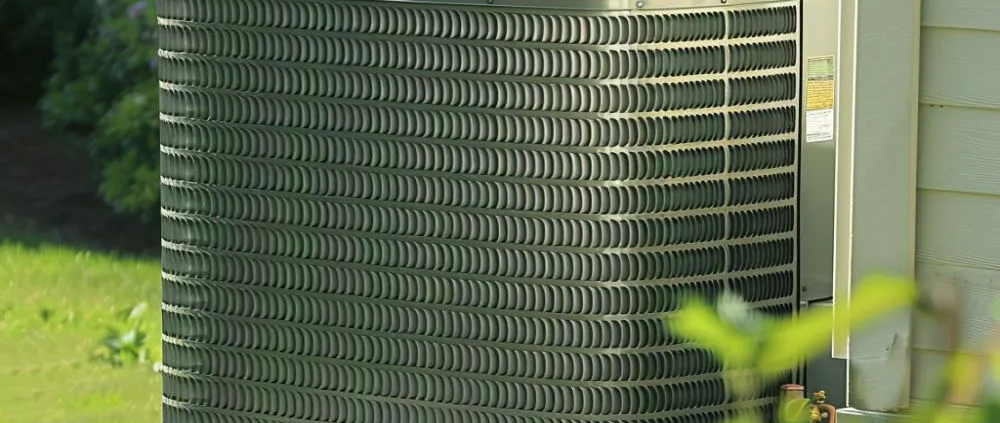
Air conditioner coils are integral components responsible for the heat exchange process in your HVAC system. There are two types of coils: evaporator coils and condenser coils. Evaporator coils are inside the indoor unit, while condenser coils are in the outdoor unit.
Why Cleaning Air Conditioner Coils is Essential
Over time, air conditioner coils accumulate dirt, dust, and other debris. This buildup restricts airflow and hampers the heat exchange process, decreasing efficiency and increasing energy consumption. Additionally, dirty coils can cause system malfunctions and compromise indoor air quality.
Signs that Your Air Conditioner Coils Need Cleaning
- Reduced Cooling Efficiency:
- Noticeable decrease in cooling performance despite regular use.
- Increased Energy Bills:
- Higher energy consumption due to decreased system efficiency.
- Ice Formation:
- Ice buildup on the indoor or outdoor unit may indicate restricted airflow.
Materials Needed for Cleaning
Before proceeding with coil cleaning, gather the following materials:
- A soft brush or vacuum cleaner
- Fin comb
- Coil cleaner solution
- Gloves and protective eyewear
- Water hose or spray bottle
How to Clean Air Conditioner Coils
Cleaning Evaporator Coils:
- Turn Off the Power:
- Switch off the power supply to the air conditioner to prevent accidents.
- Access the Coils:
- Remove the access panel to reach the evaporator coils.
- Remove Debris:
- Gently brush or vacuum away any accumulated dirt and debris.
- Apply Cleaner:
- Spray the coil cleaner solution evenly on the coils.
- Wait and Rinse:
- Allow the cleaner to penetrate for the recommended time before rinsing with water.
Cleaning Condenser Coils:
- Power Off:
- Shut off the power to the outdoor unit to ensure safety.
- Remove Debris:
- Clear away leaves, grass, and other debris from the surrounding area.
- Access the Coils:
- Unscrew the protective grille to access the condenser coils.
- Clean Coils:
- Use a soft brush or fin comb to clean the coils in an upward motion gently.
- Rinse Thoroughly:
- Spray water from the inside out to rinse off dirt and cleaner residue.
Precautions to Take During Cleaning
- Always wear protective gear, including gloves and eyewear.
- Use caution when working with coil cleaner solutions to avoid skin and eye irritation.
- Avoid bending or damaging the fragile coil fins during cleaning.
Frequency of Cleaning
Ideally, air conditioner coils should be cleaned at least once a year to maintain optimal performance. However, more frequent cleaning may be necessary in environments with heavy dust or pollution.
Benefits of Clean Air Conditioner Coils
- Improved Efficiency:
- Clean coils facilitate better heat exchange, increasing efficiency and lowering energy bills.
- Enhanced Air Quality:
- Removing dirt and debris prevents the circulation of contaminants, improving indoor air quality.
Professional Coil Cleaning Services
While DIY cleaning is feasible for many homeowners, there are instances where professional services may be preferred. Consider hiring professionals if:
- The coils are heavily soiled or difficult to access.
- You need to gain the necessary tools or expertise for thorough cleaning.
DIY vs. Professional Cleaning
DIY Cleaning:
- Cost-effective and relatively simple for routine maintenance.
- Requires basic cleaning supplies and safety precautions.
Professional Cleaning:
- Ensures thorough cleaning, especially for complex or inaccessible coils.
- Saves time and effort for homeowners without DIY experience.
Tips for Maintaining Clean Coils
- Regularly inspect and clean air filters to prevent debris buildup on coils.
- Trim vegetation around the outdoor unit to maintain proper airflow.
- Schedule annual maintenance checks with HVAC professionals for comprehensive cleaning and inspections.
Common Mistakes to Avoid
- Using Harsh Chemicals:
- Avoid using abrasive or acidic cleaners that may damage the coil surfaces.
- Neglecting Regular Maintenance:
- Skipping routine cleaning and maintenance can lead to costly repairs and reduced lifespan of the HVAC system.
Conclusion
Proper maintenance of air conditioner coils is essential for optimal performance and energy efficiency. Following the recommended cleaning procedures and precautions outlined in this guide, homeowners can ensure their HVAC systems operate smoothly and provide comfortable indoor environments year-round.
FAQs
- How often should I clean my air conditioner coils?
- It’s recommended to clean the coils at least once a year, preferably before the cooling season begins.
- Can I use homemade solutions for cleaning air conditioner coils?
- While homemade solutions like vinegar and water may work for mild cleaning, it’s advisable to use commercial coil cleaner solutions for thorough results.
- Is it necessary to clean both the evaporator and condenser coils?
- Yes, evaporator and condenser coils should be cleaned regularly to maintain optimal efficiency and performance.
- Can dirty coils affect indoor air quality?
- Yes, dirty coils can harbor contaminants and mold, negatively impacting indoor air quality.
- What should I do if I encounter difficulties during DIY coil cleaning?
- If you encounter challenges or concerns during DIY coil cleaning, it’s best to consult HVAC professionals for guidance and assistance.
How to Service Ducted Air Conditioning
If you have a ducted air conditioning system in your home or office, ensuring it receives regular maintenance is crucial to keep it running efficiently and prolong its lifespan. Servicing your ducted air conditioning system improves its performance and contributes to better indoor air quality. This article explores the importance of servicing ducted air conditioning systems and provides practical tips for keeping yours in top condition.
Introduction to Ducted Air Conditioning
Ducted air conditioning is a popular cooling solution for larger spaces, providing consistent temperature control throughout the area. These systems comprise various components working together to distribute cool air effectively. Regular servicing is essential to maintain optimal performance and prevent potential issues.
Understanding the Components
A ducted air conditioning system consists of several key components, including the indoor unit, outdoor unit, ductwork, and air vents. Each element is crucial in the cooling process, from producing cold air to distributing it evenly throughout the building.
Signs Your Ducted Air Conditioning Needs Servicing
It’s important to recognize the warning signs indicating that your ducted air conditioning system requires servicing. These signs may include reduced cooling efficiency, strange noises or odors emanating from the system, and a noticeable increase in energy bills. Addressing these issues promptly can prevent further damage and costly repairs.
DIY Maintenance Tips
While some maintenance tasks are best left to professionals, there are simple steps you can take to keep your ducted air conditioning system in good condition between servicing appointments. This includes regularly cleaning air filters, checking for duct leaks, and inspecting the outdoor unit for debris or obstructions.
Importance of Professional Servicing
Professional servicing by qualified technicians is essential for ensuring the longevity and efficiency of your ducted air conditioning system. Experienced professionals can conduct comprehensive inspections, identify potential issues, and perform necessary repairs or adjustments to optimize performance.
Frequency of Servicing
The frequency of servicing your ducted air conditioning system depends on several factors, including usage patterns, environmental conditions, and the age of the system. Generally, it’s recommended to schedule servicing at least once a year to keep the system running smoothly.
Choosing the Right Service Provider
When selecting a service provider for your ducted air conditioning system, choosing a reputable company with the necessary qualifications and certifications is essential. Reading customer reviews and seeking referrals can help you make an informed decision.
Process of Servicing Ducted Air Conditioning
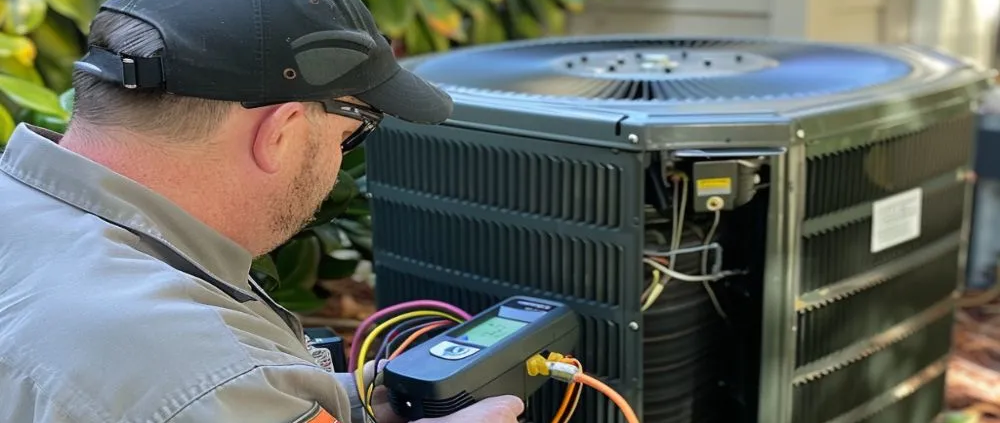
During a professional servicing appointment, technicians will thoroughly inspect your ducted air conditioning system. This may involve cleaning components, lubricating moving parts, checking refrigerant levels, and testing overall efficiency to ensure optimal performance.
Cost Considerations
The cost of servicing your ducted air conditioning system can vary depending on factors such as the size of the system, the extent of maintenance required, and any additional repairs needed. While professional servicing may incur upfront costs, it can ultimately save you money by preventing major breakdowns and extending the lifespan of your system.
Benefits of Regular Servicing
Regular servicing offers numerous benefits, including improved indoor air quality, enhanced energy efficiency, and reduced risk of system malfunctions. By investing in routine maintenance, you can enjoy greater comfort and peace of mind knowing that your ducted air conditioning system is operating at its best.
Conclusion
Servicing your ducted air conditioning system is essential for maintaining its efficiency, prolonging its lifespan, and ensuring optimal performance. Following the tips outlined in this article and scheduling regular servicing appointments with qualified professionals, you can keep your system running smoothly and enjoy cool, comfortable indoor environments year-round.
FAQs
- How often should I service my ducted air conditioning system?
- The frequency of servicing depends on factors such as usage, environment, and system age. As a general guideline, annual servicing is recommended.
- Can I perform maintenance tasks on my ducted air conditioning system myself?
- While some tasks, like cleaning air filters, can be done by homeowners, it’s advisable to leave more complex maintenance to trained professionals to avoid causing damage.
- What are the benefits of professional servicing?
- Professional servicing ensures thorough inspections, timely repairs, and optimal performance, ultimately saving you money on energy bills and preventing major breakdowns.
- How do I know if my ducted air conditioning system needs repairs?
- Signs such as reduced cooling efficiency, strange noises, or unusual odors indicate potential issues requiring professional attention.
- Is servicing my ducted air conditioning system worth the investment?
- Yes, regular servicing not only extends the lifespan of your system but also improves indoor air quality and energy efficiency, making it a worthwhile investment in the long run.
How much for Air Conditioning Service
Air conditioning is a necessity for many households and businesses, especially in regions with hot climates. However, like any other appliance, air conditioning units require regular maintenance and occasional repairs to ensure optimal performance and longevity. One common question among homeowners and businesses is, “How much does air conditioning service cost?” Let’s delve into the factors influencing the cost of air conditioning service and explore ways to minimize expenses while ensuring the efficiency of your AC system.
Introduction to Air Conditioning Service
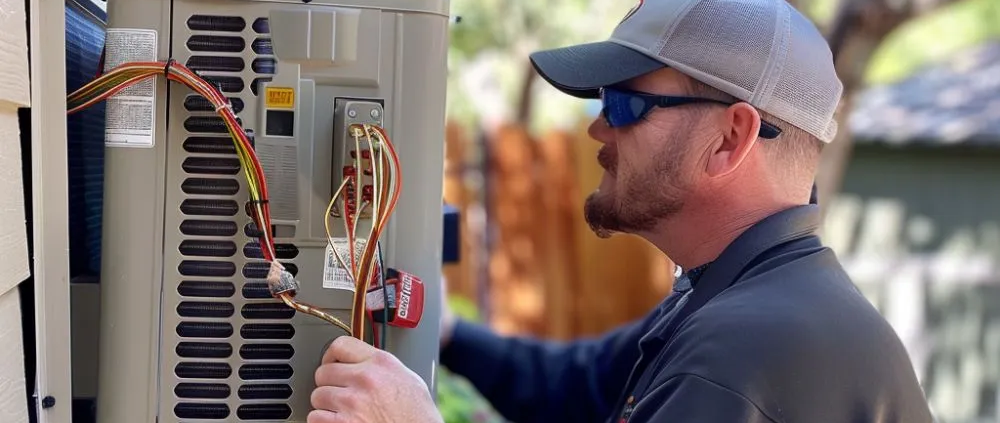
Before delving into the costs associated with air conditioning service, it’s essential to understand what this service entails. Air conditioning service encompasses a range of maintenance tasks and repairs aimed at keeping your AC unit running smoothly. This includes routine inspections, cleaning, and addressing any issues.
Regular air conditioning service is crucial for several reasons. Firstly, it helps ensure that your AC unit operates efficiently, leading to lower energy bills and an extended lifespan. Additionally, routine maintenance can help prevent costly breakdowns and repairs, saving you time and money in the long run.
Factors Influencing Air Conditioning Service Costs
Several factors influence the cost of air conditioning service, making it challenging to provide a one-size-fits-all estimate. Here are some key factors to consider:
Age and Type of the AC Unit
Older AC units or those with complex designs may require more extensive and costly repairs compared to newer, more straightforward models.
Extent of Damage or Issues
The severity of any issues affecting your AC unit will directly impact the service cost. Minor repairs or maintenance tasks are less expensive than major repairs or replacements.
Additional Services Required
In some cases, additional services such as duct cleaning or Freon recharge may be necessary, adding to the overall air conditioning service cost.
Location and Service Provider
The air conditioning service cost can vary significantly depending on your location and the service provider you choose. Urban areas with higher living costs may have higher service rates, while competition among service providers can lead to lower prices in some regions.
Average Cost of Air Conditioning Service
While providing an exact figure for air conditioning service costs is challenging due to the factors mentioned above, we can discuss some average costs for common services.
Breakdown of Costs for Common Services
- AC inspection and tune-up: $50 to $200
- Freon recharge: $100 to $350
- Coil cleaning: $100 to $400
- Duct cleaning: $300 to $1,000
- Compressor repair or replacement: $1,500 to $2,500
- Thermostat replacement: $100 to $300
National Averages vs. Regional Variances
National averages for air conditioning service costs may provide a general idea of what to expect. However, it’s essential to consider regional variances, as costs can vary significantly based on factors such as local labor rates and service demand.
Factors Affecting Cost Variations
Various factors can lead to cost variations for air conditioning service, including the job’s complexity, the service provider’s expertise, and the availability of parts and materials. Additionally, emergency or after-hours service calls may incur higher rates.
Cost of Common Air Conditioning Services

Let’s take a closer look at some common air conditioning services and their associated costs:
AC Inspection and Tune-Up
An AC inspection and tune-up typically involve:
- Checking the unit for any issues.
- Cleaning or replacing filters.
- Lubricating moving parts.
- Ensuring optimal performance.
Costs for this service can range from $50 to $200.
Freon Recharge
If your AC unit is low on refrigerant (Freon), recharging may be necessary to restore proper cooling capacity. Freon recharge costs range from $100 to $350, depending on the amount of refrigerant needed.
Coil Cleaning
Over time, the coils in your AC unit can become dirty or clogged, reducing efficiency and airflow. Coil cleaning services typically cost between $100 and $400, depending on the size and condition of the coils.
Duct Cleaning
Dirty or clogged air ducts can restrict airflow and reduce indoor air quality. Duct cleaning services range from $300 to $1,000, depending on the size of your home or building and the extent of cleaning required.
Compressor Repair or Replacement
The compressor is a critical component of your AC system, responsible for circulating refrigerant and cooling your home or building. Repairing or replacing a compressor can be a significant expense, ranging from $1,500 to $2,500.
Thermostat Replacement
Replacing your thermostat can improve energy efficiency and comfort if it is malfunctioning or outdated. Thermostat replacement typically costs between $100 and $300, depending on the type and features of the new thermostat.
DIY vs. Professional Service Costs
While some homeowners may attempt to perform air conditioning maintenance or repairs themselves to save money, several factors should be considered before taking the DIY route.
Pros and Cons of DIY Maintenance
DIY maintenance can save you money on service costs, but it requires time, effort, and knowledge of air conditioning systems. Also, proper training or experience is necessary to avoid further damage and costly repairs.
Risks Associated with DIY Repairs
Working with electrical components and refrigerants can be dangerous without the proper training and equipment. DIY repairs also void warranties and may not be covered by insurance if something goes wrong.
Cost Savings vs. Quality of Service
While DIY maintenance may save you money upfront, professional service providers have the expertise and specialized tools to ensure the job is done correctly. Investing in professional service can prevent costly mistakes and ensure the longevity of your AC unit.
Tips to Minimize Air Conditioning Service Costs
While air conditioning service is essential for maintaining the efficiency and lifespan of your AC unit, there are several steps you can take to minimize costs:
- Regular Maintenance: Schedule annual inspections and tune-ups to catch any issues early and keep your AC unit running smoothly.
- Timely Repairs: Address any issues promptly to prevent them from escalating into more extensive and costly repairs.
- Choosing the Right Service Provider: Research a reputable service provider with experience and positive reviews.
- Energy-Efficient Upgrades: Consider investing in energy-efficient upgrades or programmable thermostats to reduce energy consumption and lower cooling costs.
Conclusion
The air conditioning service cost can vary depending on several factors, including the type and age of your AC unit, the extent of repairs needed, and your location. While it’s essential to budget for routine maintenance and occasional repairs, there are ways to minimize costs without sacrificing the quality of service. By scheduling regular maintenance, addressing issues promptly, and choosing the right service provider, you can keep your AC unit running efficiently and affordably for years.
FAQs (Frequently Asked Questions)
- How often should I service my air conditioner?
- It’s recommended to have your air conditioner serviced at least once a year, ideally before the start of the cooling season.
- Can I perform air conditioning maintenance myself?
- While some maintenance tasks can be DIY-friendly, it’s best to leave complex repairs and inspections to trained professionals to avoid costly mistakes.
- What are signs that my air conditioner needs servicing?
- Signs of a malfunctioning air conditioner include reduced cooling efficiency, strange noises, unusual odors, and higher energy bills.
- Are there any DIY tips for improving air conditioner efficiency?
- Keeping air filters clean, clearing debris from outdoor units, and sealing duct leaks are simple tasks that can improve air conditioner efficiency.
- How can I find a reliable air conditioning service provider?
- Look for licensed and insured professionals with positive reviews and experience working with your specific type of air conditioner.