
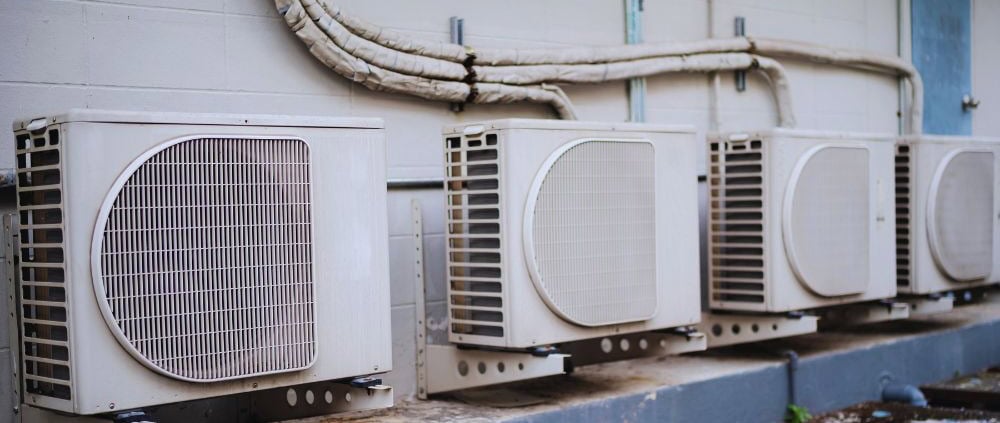
Where to Run AC Condensate Drain Line? You Should know
Air conditioning systems are vital for indoor comfort, especially during the scorching summer months. However, many homeowners need to pay more attention to proper drainage for their AC units. Neglecting the placement of the condensate drain line can lead to a host of issues, including water damage and compromised indoor air quality. This article delves into the significance of correct drain line placement and provides insights on where to run your AC condensate drain line for optimal performance.
Importance of Proper Drainage
Preventing Water Damage
One of the primary reasons for ensuring proper drainage of the AC condensate is to prevent water damage to your property. When the condensate drain line is improperly installed or clogged, excess water can accumulate around the unit, leading to leaks, mould growth, and structural damage.
Maintaining Indoor Air Quality
In addition to safeguarding your home from water damage, proper drainage also contributes to maintaining healthy indoor air quality. A clogged or stagnant drain line can become a breeding ground for bacteria, mould, and mildew, which can circulate throughout your home via the air conditioning system, posing health risks to occupants.
Common Issues with Drain Line Placement
Incorrect Installation Locations
One of the most common mistakes homeowners make is placing the condensate drain line in improper locations. This can include positioning it too close to the foundation, near electrical components, or in areas prone to flooding.
Blockages and Clogs
Another prevalent issue is the accumulation of debris, algae, and other contaminants within the drain line, leading to blockages and clogs. This can impede condensate flow, causing backups and potential water damage.
Where to Run AC Condensate Drain Line
Proper AC condensate drain line placement is crucial for efficient drainage and optimal system performance. Here are some guidelines for where to run your drain line:
Indoor Drain Line Placement
- Near the Evaporator Coil: Position the drain line near the evaporator coil to capture condensate effectively as it forms.
- Close to a Floor Drain or Sump Pump: Direct the drain line towards a floor or sump pump for easy condensate disposal.
Outdoor Drain Line Placement
- Away from the Foundation: Ensure the drain line is directed away from the foundation to prevent water pooling near the structure.
- Ensuring Proper Slope for Drainage: Maintain a slight downward slope along the length of the drain line to facilitate the smooth flow of condensate away from the unit.
Materials for Drain Line
When selecting materials for your AC condensate drain line, consider factors such as durability, ease of installation, and resistance to clogs. The two most common options are PVC piping and flexible tubing.
PVC vs. Flexible Tubing
- PVC Piping: Known for its durability and resistance to corrosion, PVC piping is a popular choice for drain lines.
- Flexible Tubing: Flexibility and ease of installation are the primary advantages of flexible tubing, although it may be more prone to clogs in certain conditions.
Maintenance Tips for AC Drain Line
To ensure the proper functioning of your AC condensate drain line, incorporate the following maintenance tips into your routine:
- Regular Inspections: Check the drain line periodically for signs of blockages, leaks, or deterioration.
- Clearing Blockages: If you notice reduced drainage or standing water around the unit, use a wet/dry vacuum or a pipe snake to clear any obstructions.
DIY vs. Professional Installation
While some homeowners may opt for a DIY approach to installing or maintaining their AC condensate drain line, others may prefer to enlist the services of a professional HVAC technician. Factors such as safety considerations, complexity of the installation, and warranty coverage should be considered when making this decision.
Cost Considerations
The cost of installing or repairing an AC condensate drain line can vary depending on factors such as the type of material used, the complexity of the installation, and labor costs in your area. It’s essential to obtain multiple quotes from reputable contractors and weigh the benefits of each option against your budgetary constraints.
Conclusion
Proper drainage is essential for efficiently operating your air conditioning system and protecting your home from water damage. Following the guidelines outlined in this article and ensuring the correct placement of your AC condensate drain line, you can safeguard your property and maintain a healthy indoor environment.
FAQs
- How often should I inspect my AC condensate drain line?
- It’s advisable to inspect your drain line at least once a year, preferably before the start of the cooling season.
- Can I use bleach to clean my drain line?
- While bleach can help kill mould and mildew within the drain line, it’s essential to dilute it properly and rinse thoroughly to prevent damage to the system.
- What are the signs of a clogged drain line?
- Common signs of a clogged drain line include water leaks around the unit, reduced cooling efficiency, and musty odours indoors.
- Can we relocate an existing drain line?
- It’s possible to relocate a drain line, but it’s best to consult a professional HVAC technician to ensure proper placement and installation.
- Are there any environmentally friendly options for drain line materials?
- Some eco-friendly alternatives to traditional PVC piping include recycled plastic or bio-based materials, although their availability and suitability may vary depending on your location.
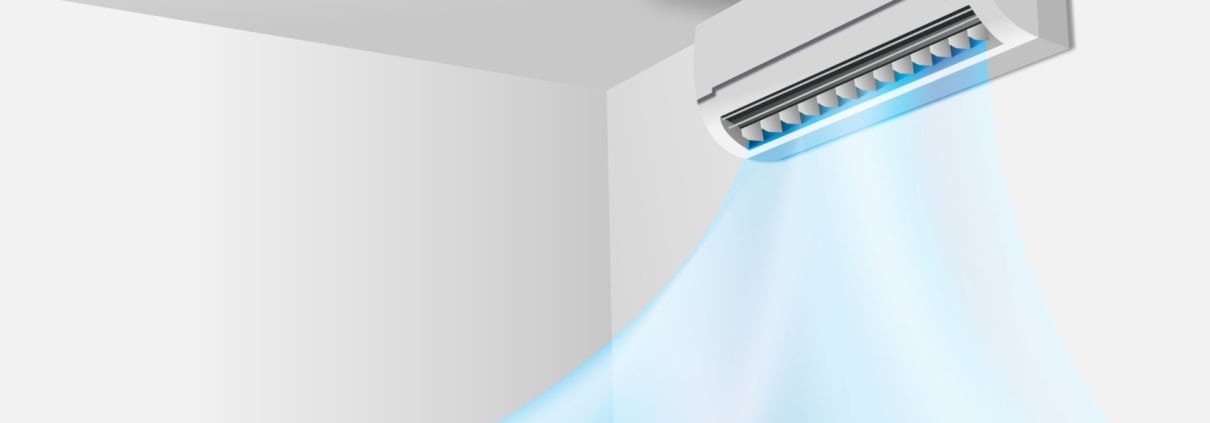
Common AC Problems and Solutions: A Complete Homeowner’s Guide
Introduction
An air conditioner (AC) keeps your home comfortable during hot weather, but like any appliance, it can develop problems over time. Some issues are easy to fix, while others require professional repair. Knowing the most common AC problems and their solutions can help you reduce repair costs, improve cooling performance, and extend the lifespan of your system.
This guide explains the most frequent AC issues, their causes, and practical solutions.
1. AC Is Not Cooling Properly
One of the most common air conditioner problems is poor cooling. If your AC runs but the room stays warm, several factors may be responsible.
Common causes:
- Dirty air filter
- Low refrigerant level
- Dirty condenser coil
- Incorrect thermostat setting
Solution:
Clean or replace the air filter every 1–3 months. Ensure the thermostat is set to “Cool” mode and at the desired temperature. If cooling remains poor, contact a qualified HVAC technician to inspect refrigerant levels and clean the condenser coil.
2. AC Won’t Turn On
If your air conditioner does not start, the problem may be electrical rather than mechanical.
Common causes:
- Tripped circuit breaker
- Power outage
- Dead remote batteries
- Faulty thermostat
Solution:
Check the circuit breaker, confirm the power supply is working, replace remote batteries, and verify thermostat settings. If the unit still won’t start, professional diagnosis may be required.
3. Weak Airflow
Weak airflow reduces comfort and forces the AC to work harder.
Common causes:
- Clogged air filter
- Blocked air vents
- Damaged blower fan
Solution:
Replace dirty filters, keep supply vents open, and schedule maintenance if the blower fan is not operating correctly.
4. Water Leaking from the Indoor Unit
Water leaking from an AC is usually caused by drainage problems.
Common causes:
- Blocked condensate drain line
- Frozen evaporator coil
- Dirty drain pan
Solution:
Clean the drain line regularly and ensure proper drainage. If ice forms on the evaporator coil, turn off the unit and have it inspected.
5. Strange Noises
Air conditioners should operate quietly. Unusual sounds often indicate internal problems.
Common noises:
- Banging
- Buzzing
- Clicking
- Grinding
Solution:
Loose components may need tightening, while worn motors or damaged fan blades should be repaired or replaced by an HVAC professional.
6. Bad Odors from the AC
Unpleasant smells usually indicate dirt, mold, or bacterial growth.
Common causes:
- Dirty air filter
- Mold inside the indoor unit
- Blocked drainage
Solution:
Clean or replace filters, disinfect the indoor unit during servicing, and keep the drainage system clean.
7. AC Freezing Up
Ice on the indoor coil is a sign that airflow or refrigerant levels are not correct.
Common causes:
- Dirty filter
- Low refrigerant
- Restricted airflow
Solution:
Turn off the system until the ice melts. Replace the filter and contact a technician if freezing continues.
How to Prevent Common AC Problems
Preventive maintenance is the best way to keep an air conditioner running efficiently.
Follow these maintenance tips:
- Clean or replace air filters every 1–3 months.
- Schedule professional servicing once a year.
- Keep the outdoor condenser free of leaves and dirt.
- Check the drain line regularly.
- Set the thermostat between 24°C and 26°C for efficient cooling.
- Repair minor issues before they become major problems.
Regular maintenance improves energy efficiency, lowers electricity bills, and extends the lifespan of your AC system.
Conclusion
Most air conditioner problems begin with simple maintenance issues such as dirty filters, blocked drain lines, or poor airflow. Addressing these problems early can prevent costly repairs and improve cooling performance. Regular servicing and timely inspections help ensure your AC operates efficiently throughout the year.
Frequently Asked Questions (FAQs)
How often should I clean my AC filter?
Most manufacturers recommend cleaning or replacing the filter every 1 to 3 months, depending on usage and indoor air quality.
Why is my AC running but not cooling?
The most common reasons include a dirty air filter, low refrigerant, dirty condenser coils, or incorrect thermostat settings.
Is water leaking from an AC normal?
No. Water leakage usually indicates a blocked drain line, frozen evaporator coil, or drainage issue that should be addressed promptly.
When should I call an AC technician?
Call a technician if your AC has refrigerant leaks, electrical problems, unusual noises, repeated freezing, or continues to cool poorly after basic maintenance.
How can I improve my AC’s efficiency?
Replace filters regularly, clean the outdoor unit, schedule annual maintenance, seal air leaks in your home, and maintain a thermostat setting of 24–26°C.
How to Repair Air Conditioning: 10 Easy Fixes That Work
Air conditioning systems control indoor temperature, humidity, and air quality. A standard residential AC unit operates with components such as a compressor, condenser coil, evaporator coil, refrigerant, thermostat, capacitor, and air filter. When one component fails, cooling performance drops. Understanding how to repair air conditioning systems requires identifying the cause, checking system parts, and applying correct fixes. This guide explains 10 effective repair solutions using clear steps, factual information, and technical details suitable for homeowners and property managers.
Understanding How Air Conditioning Systems Work
A central air conditioning system uses refrigerant to transfer heat. The compressor compresses refrigerant gas. The condenser coil releases heat outdoors. The expansion valve reduces pressure. The evaporator coil absorbs indoor heat. The thermostat controls temperature settings. Standard residential systems operate on 220–240 volts and use refrigerants such as R-410A or R-32. Proper airflow, correct refrigerant charge, and functional electrical components are required for efficient cooling.
When learning how to repair air conditioning systems, diagnosis is the first step. Cooling problems often relate to airflow restriction, refrigerant imbalance, electrical faults, or thermostat errors.
Replace a Dirty Air Filter
A clogged air filter restricts airflow. Restricted airflow reduces cooling efficiency by up to 15 percent. It can also cause evaporator coil freezing. Standard 1-inch filters should be replaced every 30 to 90 days. High-efficiency filters may last longer but require inspection monthly. This is one of the most common and effective steps in how to repair air conditioning performance issues.
Check the Thermostat Settings
Incorrect thermostat settings prevent the system from cooling properly. Ensure the thermostat is set to “Cool” mode and the temperature is at least 3 to 5 degrees below room temperature. Replace batteries if the display is blank. Smart thermostats may require Wi-Fi reconnection or recalibration. A malfunctioning thermostat can mimic major AC failure.
Clean the Condenser Coils
Outdoor condenser coils release heat. Dust, leaves, and debris reduce heat transfer efficiency. Dirty coils increase energy consumption by 20 percent or more. Turn off power at the breaker before cleaning. Use a soft brush or low-pressure water spray. Clean coils improve system efficiency and reduce compressor strain.
Inspect the Circuit Breaker and Power Supply
Air conditioning systems require a stable electrical supply. A tripped breaker stops operation. Locate the electrical panel and check for a tripped AC breaker. Reset once. If it trips again, there may be a short circuit, capacitor failure, or compressor issue. Electrical faults require professional inspection.
Unclog the Condensate Drain Line
The condensate drain line removes moisture from the evaporator coil. A blocked drain can trigger safety shutoff switches. Water leakage around the indoor unit is a common sign. Flush the drain line using a wet vacuum or mild cleaning solution. This restores proper drainage and prevents mold growth.
Check Refrigerant Levels
Low refrigerant reduces cooling capacity. Signs include warm air, ice on coils, and longer cooling cycles. Refrigerant levels must match manufacturer specifications. Only licensed HVAC technicians should handle refrigerant due to environmental regulations and safety standards. Correct refrigerant pressure ensures efficient heat transfer.
Replace a Faulty Capacitor
The capacitor helps start the compressor and fan motor. A failed capacitor prevents the outdoor unit from turning on. Symptoms include humming sounds or delayed startup. Capacitors are rated in microfarads (µF) and voltage. Replacement must match the exact rating printed on the component. Disconnect power before inspection.
Inspect the Evaporator Coil
The evaporator coil absorbs heat from indoor air. Dust buildup or ice formation reduces efficiency. Frozen coils may result from airflow restriction or refrigerant issues. Turn off the system and allow ice to melt. Cleaning coils improves airflow and cooling performance.
Examine the AC Fan Motor
The indoor blower motor circulates air. The outdoor fan motor expels heat. If fans stop working, cooling stops. Listen for unusual noise. Check for visible damage or overheating. Fan motor replacement may require voltage matching and correct horsepower rating.
Seal Air Leaks in Ductwork
Leaky ducts can reduce system efficiency by 20 to 30 percent. Air leaks waste cooled air and increase energy costs. Inspect duct joints and seal gaps with HVAC-approved foil tape or mastic sealant. Proper duct sealing improves airflow and comfort levels.
When to Call a Professional Technician
Some repairs involve high voltage, refrigerant handling, or compressor replacement. These tasks require certified HVAC professionals. Attempting complex repairs without proper tools can damage the system or void manufacturer warranties. Annual maintenance inspections reduce breakdown risk and extend system lifespan to 10–15 years.
Understanding how to repair air conditioning systems requires identifying small issues before they become major failures. Regular inspection improves system reliability and energy efficiency.
FAQ
What is the most common AC problem?
The most common issue is a dirty air filter. It restricts airflow and reduces cooling efficiency. Replacing the filter restores performance quickly.
How often should an AC system be serviced?
Professional servicing is recommended at least once per year. Systems in high-usage areas may require biannual inspections.
Can low refrigerant fix itself?
No. Refrigerant does not get used up. Low levels indicate a leak. A technician must locate and repair the leak before recharging.
Why is my AC running but not cooling?
Possible causes include thermostat error, clogged filter, dirty coils, or low refrigerant. Proper diagnosis determines the exact reason.
How long does a central AC unit last?
Most central air conditioning units last between 10 and 15 years with regular maintenance and proper installation.
Conclusion
Air conditioning systems rely on airflow, refrigerant pressure, electrical stability, and clean components. Many common problems have simple solutions. Replacing filters, cleaning coils, checking thermostats, and sealing ducts restore performance in most cases. More complex repairs require certified technicians. Learning how to repair air conditioning systems helps reduce downtime, improve efficiency, and extend equipment lifespan. Regular inspection and timely repair keep cooling systems operating within manufacturer specifications.