What to Do When Your AC Unit Freezes Up Inside

What to Do When Your AC Unit Freezes Up Inside

An air conditioner (AC) freezing up inside the home is a common issue that affects cooling efficiency and can damage the system if not addressed promptly. Ice formation on the evaporator coil, air handler, or ductwork reduces airflow and prevents proper cooling. Understanding the causes and corrective measures is crucial for maintaining indoor comfort and prolonging the lifespan of the AC unit.

Common Causes of Indoor AC Freezing

Freezing occurs when the evaporator coil temperature drops below the freezing point of water, causing condensation to turn into ice. One primary cause is restricted airflow. Dirty or clogged air filters, blocked vents, or closed registers reduce the volume of air passing over the coil. Without sufficient airflow, the coil becomes too cold, leading to ice buildup.

Low refrigerant levels are another significant cause. Insufficient refrigerant reduces pressure in the system, lowering the coil temperature below safe levels. Refrigerant leaks can also lead to uneven cooling and ice formation. Electrical issues, such as malfunctioning fans or blown capacitors, may prevent the blower from circulating air, causing the coil to freeze.

Environmental factors can contribute as well. Extremely low outdoor temperatures during winter can cause certain AC units, especially heat pumps, to accumulate ice inside. Additionally, operating the AC continuously without allowing sufficient cycling time may lead to freezing.

Steps to Take When Your AC Freezes

First, turn off the AC unit to prevent further damage. Continuing to operate a frozen system can harm the compressor and other components. Allow the ice to melt naturally. This may take several hours depending on the extent of the ice buildup.

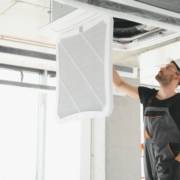
Check and replace the air filter if it is dirty or clogged. Ensure all vents and registers are open and unobstructed. Inspect the evaporator coil for dirt or debris and clean it if necessary. Cleaning improves airflow and heat exchange, reducing the likelihood of freezing.

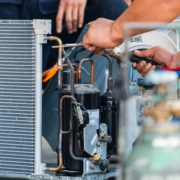
Examine the refrigerant levels. Low refrigerant requires professional attention to detect leaks and recharge the system to the proper specifications. Do not attempt to add refrigerant without proper training and certification, as this can cause environmental harm and damage the AC.

Ensure that the blower fan is functioning correctly. The fan should circulate air continuously when the system is operating. Repair or replace malfunctioning fans or capacitors as needed.

Preventive Measures

Regular maintenance helps prevent indoor freezing. Replace air filters every 1-3 months depending on usage and indoor air quality. Schedule professional inspections annually to check refrigerant levels, clean coils, and test electrical components. Avoid setting the thermostat too low in hot weather, as excessive cooling can contribute to ice formation. Ensure proper airflow by keeping furniture, curtains, and other objects away from vents.

Monitoring system performance, including airflow and cooling efficiency, allows early detection of issues. Timely attention to minor problems prevents ice buildup and extends the life of the AC unit.

FAQ

Why does my AC freeze inside?
Freezing occurs when the evaporator coil temperature drops below freezing, usually due to restricted airflow, low refrigerant, or electrical issues.

Can a dirty air filter cause freezing?
Yes. Restricted airflow from a clogged filter prevents warm air from reaching the coil, leading to ice formation.

Is it safe to run a frozen AC?
No. Operating a frozen AC can damage the compressor and reduce system efficiency. Turn the system off until ice melts.

Do I need a professional to fix frozen AC coils?
For refrigerant issues, electrical faults, or extensive ice buildup, a licensed HVAC technician should inspect and repair the system.

How can I prevent my AC from freezing again?
Maintain clean air filters, ensure proper airflow, monitor refrigerant levels, and schedule regular professional maintenance.

Conclusion

An AC unit freezing up inside is a sign of restricted airflow, low refrigerant, electrical problems, or improper usage. Immediate action involves turning off the system and allowing the ice to melt. Cleaning filters, ensuring unobstructed vents, inspecting the evaporator coil, and checking refrigerant levels are essential steps to restore normal operation. Regular maintenance, proper airflow, and timely professional inspections prevent recurrence, ensuring efficient cooling and prolonging the life of the AC unit.

Why Does My AC Compressor Shut Off After 2-3 Minutes

Why Does My AC Compressor Shut Off After 2-3 Minutes

An air conditioner (AC) compressor is a key component that circulates refrigerant and enables the system to cool indoor air. If the compressor shuts off after just 2-3 minutes, it indicates a problem that can affect cooling efficiency, energy consumption, and system lifespan. Understanding the causes helps prevent further damage and ensures proper operation.

Common Causes of Short Cycling

Short cycling occurs when an AC turns on and off rapidly, usually within a few minutes. This issue can be caused by electrical, mechanical, or environmental factors. One common reason is an incorrect refrigerant charge. Low refrigerant levels reduce pressure in the system, causing the compressor to shut off to prevent damage. Overcharging can also create high pressure, triggering a similar response.

A malfunctioning thermostat can cause short cycling. If the thermostat inaccurately reads indoor temperature or has faulty wiring, it may signal the compressor to turn off prematurely. Incorrect thermostat placement near heat sources like sunlight or electronics can also lead to this problem.

Dirty or blocked air filters restrict airflow, forcing the compressor to overheat and shut down. Similarly, clogged evaporator coils reduce heat exchange, causing the system to strain. In some cases, electrical issues such as a faulty capacitor, relay, or contactor can prevent the compressor from running continuously. The capacitor provides the necessary starting and running power, and failure can lead to rapid shutdowns.

Compressor short cycling may also result from an oversized AC unit. A unit larger than the cooling requirements of the home reaches the set temperature too quickly and turns off repeatedly. Environmental factors, such as extreme heat, can exacerbate the issue by causing the system to overheat.

How to Identify the Problem

Observing the AC’s behavior helps identify the underlying cause. Check the duration of each cooling cycle and note temperature fluctuations. Inspect the air filter for dirt or blockage. Listen for unusual noises from the compressor, which may indicate mechanical or electrical issues. Checking refrigerant pressure requires specialized gauges and is usually performed by a licensed HVAC technician.

Regular maintenance records, including coil cleaning and refrigerant checks, provide insight into recurring problems. Identifying patterns helps determine whether the issue is electrical, mechanical, or related to airflow and sizing.

Preventive Measures

Maintaining proper refrigerant levels ensures the compressor operates within safe pressure ranges. Replace or clean air filters every 1-3 months depending on usage and indoor conditions. Clean evaporator and condenser coils to improve heat exchange and airflow. Installing a correctly sized AC unit for the home’s square footage prevents rapid temperature cycling. Ensure the thermostat is calibrated and located away from heat sources. Professional inspection of capacitors, relays, and wiring helps prevent electrical failures.

FAQ

What is short cycling in an AC?
Short cycling occurs when the AC compressor turns on and off rapidly, usually within a few minutes, reducing efficiency and increasing wear.

Can low refrigerant cause the compressor to shut off quickly?
Yes, insufficient refrigerant reduces system pressure, triggering the compressor to shut down to prevent damage.

Can a dirty air filter cause short cycling?
Yes. Restricted airflow from a clogged filter can cause the compressor to overheat and turn off prematurely.

Is an oversized AC unit a problem?
Yes. An oversized unit cools the space too quickly, leading to frequent on-off cycles that stress the compressor.

When should I call a professional?
If the compressor short cycles repeatedly, produces unusual noises, or refrigerant levels and electrical components need checking, contact a licensed HVAC technician.

Conclusion

An AC compressor shutting off after 2-3 minutes signals short cycling, which can stem from low or high refrigerant levels, thermostat issues, dirty filters, electrical faults, or incorrect unit sizing. Short cycling decreases cooling efficiency, increases energy use, and may damage the compressor over time. Regular maintenance, including coil cleaning, filter replacement, and refrigerant checks, helps prevent premature shutdowns. Accurate thermostat placement and correct AC sizing are essential for stable operation. Timely professional inspection ensures the system operates efficiently and extends its lifespan.

How to Clean AC Evaporator Coils Inside House

How to Clean AC Evaporator Coils Inside House

Evaporator coils are a critical part of a home air conditioning system. They absorb heat from indoor air, enabling the system to cool your home efficiently. Over time, these coils accumulate dust, dirt, and mold, which reduces performance, increases energy consumption, and may lead to system damage. Cleaning the AC evaporator coils ensures efficient cooling, lower energy costs, and improved air quality.

Importance of Cleaning Evaporator Coils

The evaporator coils are typically made of copper tubing with aluminum fins. When air passes over the coils, the refrigerant inside absorbs heat. Dirt and debris on the coils act as insulation, reducing heat transfer. This forces the system to work harder, consuming more electricity and causing premature wear. Accumulated mold and mildew can lead to unpleasant odors and trigger respiratory issues. Regular cleaning of the coils keeps the system running smoothly and extends its lifespan.

Steps to Clean AC Evaporator Coils

Cleaning indoor evaporator coils requires care because they are delicate and located inside the air handler or furnace. Start by turning off the HVAC system at the breaker to prevent electrical hazards. Remove the access panel to reach the coils. Use a flashlight to inspect the coils for dust, dirt, and mold.

Use a soft brush or a coil cleaning brush to gently remove loose debris from the fins. Avoid bending the aluminum fins, as this can reduce airflow. Next, apply a no-rinse foaming coil cleaner specifically designed for evaporator coils. These cleaners are available in spray cans or pump bottles and are formulated to break down dirt, grease, and biological growth without damaging the metal.

Allow the cleaner to sit for 5 to 10 minutes to dissolve the buildup. The cleaner will foam and carry dirt to the drain pan below. After the foam settles, inspect the coils again to ensure debris has loosened. Wipe any remaining dirt gently with a soft cloth. For heavily soiled coils, a professional cleaning may be necessary to prevent damage.

Ensure the drain pan and condensate drain line are clear. Clogged drains can cause water buildup, leading to leaks and mold growth. Reassemble the access panel and restore power to the system. Run the AC to check that it operates correctly and airflow is unobstructed.

Frequency of Cleaning

Evaporator coils should be inspected and cleaned at least once a year. Homes with pets, smokers, or high dust levels may require more frequent cleaning. Scheduling coil maintenance before peak cooling season ensures the system operates efficiently during hot months.

Tools and Materials Needed

Soft brush or coil cleaning brush
No-rinse foaming coil cleaner
Flashlight
Soft cloth or microfiber cloth
Screwdriver for access panel removal
Gloves and safety glasses for protection

Using proper tools and cleaners prevents damage to the delicate fins and ensures thorough cleaning.

FAQ

Can I use water to clean evaporator coils?
Water can be used, but excessive moisture may lead to mold growth. No-rinse coil cleaners are safer and more effective.

How do I know if the coils are dirty?
Reduced cooling, higher energy bills, and visible dust or mold on the coils indicate the need for cleaning.

Is professional cleaning necessary?
For heavily clogged or moldy coils, professional cleaning ensures safe and complete maintenance.

Can cleaning coils improve airflow?
Yes. Removing debris restores efficient heat transfer and allows proper airflow, reducing strain on the system.

How often should coils be inspected?
Once a year is standard, but homes with pets, smokers, or high dust may require inspections every six months.

Conclusion

Cleaning AC evaporator coils inside the house is vital for efficient cooling, energy savings, and better indoor air quality. Dirt, dust, and mold on the coils reduce heat transfer and increase strain on the system. Using a soft brush and no-rinse coil cleaner ensures safe and effective maintenance. Regular inspection, proper cleaning, and attention to the drain system keep the air conditioner running efficiently and extend its lifespan. Consistent maintenance reduces energy costs and improves overall comfort in the home.

How Often to Change AC Filter

How Often to Change AC Filter

Air conditioning systems rely on clean filters to operate efficiently and maintain good indoor air quality. AC filters trap dust, pollen, pet dander, and other particles. Over time, these filters become clogged, reducing airflow, increasing energy consumption, and placing extra strain on the system. Knowing how often to change an AC filter is crucial for maintaining performance and longevity of the unit.

Importance of AC Filter Replacement

A clean AC filter allows air to flow freely through the system, helping the unit cool or heat the space efficiently. Dirty filters can cause the system to work harder, leading to higher electricity bills and potential component damage. They can also reduce indoor air quality, triggering allergies or respiratory issues. Most modern filters are designed to remove particles as small as 0.3 microns, including dust mites, pollen, and smoke, making timely replacement essential.

Recommended AC Filter Replacement Frequency

The frequency of changing an AC filter depends on the type of filter, system usage, household conditions, and environment. Standard recommendations are as follows:

Fiberglass Filters: These are the most basic type and typically need replacement every 30 days. They are less efficient at trapping smaller particles but are cost-effective for frequent replacement.

Pleated Filters: These have a larger surface area and higher efficiency. Replacement is usually every 60 to 90 days. Some high-efficiency pleated filters may last up to six months under moderate conditions.

High-Efficiency Filters: HEPA or electrostatic filters capture smaller particles and may last up to six months. However, in households with pets, smokers, or high dust levels, replacement every 60 to 90 days may be necessary.

Electronic Air Cleaners: These systems require periodic cleaning rather than full replacement. The recommended interval depends on the manufacturer’s instructions, generally every 3 to 6 months.

System usage affects filter life as well. Homes with AC running frequently, particularly during hot or cold seasons, may require more frequent replacement. In contrast, units used less often may maintain efficiency with less frequent changes.

Factors Influencing AC Filter Replacement

Several factors can shorten or lengthen the filter’s lifespan:

Pets: Homes with dogs, cats, or other animals generate more hair and dander, which clogs filters faster.

Air Quality: Areas with higher dust, pollen, or pollution levels may require more frequent changes.

Occupancy: Larger households produce more indoor particles and can necessitate more frequent replacement.

HVAC System Type: Central air systems, ductless mini-splits, and window units may have different filter types and capacities, influencing replacement frequency.

Signs a Filter Needs Replacement

Even if a filter has not reached the suggested replacement interval, certain signs indicate it may be time for a change:

Reduced airflow from vents
Unusual odors from the AC system
Increased dust accumulation on furniture
Frequent system cycling or longer cooling/heating times
Visible dirt or discoloration on the filter

Regular inspection every month can prevent the system from running with a clogged filter and maintain consistent performance.

FAQ

Can I clean an AC filter instead of replacing it?
Some reusable filters can be cleaned with water or a vacuum, but disposable filters must be replaced. Check the manufacturer’s guidelines.

Does changing the filter improve energy efficiency?
Yes. Clean filters reduce system strain, which can lower energy consumption by 5% to 15%.

Are all filters the same size?
No. Filters vary in dimensions and efficiency ratings. Always use the size recommended for the system.

Does one filter replacement schedule fit all homes?
No. Factors such as pets, occupancy, and environmental conditions require adjustments to the replacement schedule.

Can neglecting filter replacement damage the AC?
Yes. Clogged filters can cause coil freezing, compressor damage, and reduced system lifespan.

Conclusion

Replacing AC filters regularly is essential for maintaining system efficiency, reducing energy costs, and improving indoor air quality. Standard schedules range from 30 days for basic fiberglass filters to 90 days or more for pleated or high-efficiency filters, but environmental and household factors can require more frequent changes. Monitoring airflow, inspecting filters visually, and adhering to manufacturer recommendations ensures the air conditioning system operates effectively and lasts longer. Consistent maintenance not only protects the system but also supports a healthier indoor environment.

What Size AC Unit Do I Need

What Size AC Unit Do I Need

Choosing the correct size of an air conditioning (AC) unit is crucial for efficient cooling and energy savings. An improperly sized unit can lead to inadequate cooling, higher energy bills, and faster wear on the system. AC unit size is measured in British Thermal Units (BTU) per hour or tons, where one ton equals 12,000 BTU. Determining the right size depends on factors such as room size, insulation, ceiling height, and climate.

Understanding AC Unit Sizing

AC units work by removing heat from indoor air and transferring it outside. The unit’s capacity must match the cooling load of the space. If the unit is too small, it will struggle to reach the desired temperature, causing continuous operation and increased energy use. If the unit is too large, it will cool the space quickly but cycle on and off frequently, reducing humidity control and stressing the system.

Several key factors influence AC sizing:

Room Area: The floor space in square feet is the primary consideration. Larger areas require units with higher BTU ratings. For example, a 200-square-foot room may need around 6,000 BTU, while a 1,000-square-foot space may require approximately 24,000 BTU.

Insulation and Windows: Well-insulated rooms with energy-efficient windows retain cool air better, allowing for a slightly smaller unit. Rooms with poor insulation, large windows, or significant sun exposure may need higher capacity units to compensate for heat gain.

Ceiling Height: Standard calculations assume ceilings of 8 feet. Higher ceilings increase air volume and may require additional cooling capacity.

Climate: The local outdoor temperature and humidity levels affect cooling requirements. Warmer climates typically need units with higher BTU ratings.

Occupants and Equipment: Human bodies and electronic devices generate heat. Kitchens or rooms with multiple electronics may need additional capacity.

Calculating AC Unit Size

To estimate the correct AC unit size, multiply the square footage of the room by 25 to 30 BTU per square foot for moderate climates. For hotter regions, the requirement may rise to 30-35 BTU per square foot.

For example, a 500-square-foot room in a moderate climate would need an AC unit with a capacity between 12,500 and 15,000 BTU. It is also important to consider adjustments for insulation, windows, ceiling height, and heat-generating devices. A professional HVAC technician can perform a Manual J load calculation for precise sizing.

Common AC Unit Sizes

Residential AC units range from 5,000 BTU for small rooms to 36,000 BTU or 3 tons for large homes. Central AC systems are typically sized between 1.5 and 5 tons, depending on the square footage and building characteristics.

For reference:

  • 250–350 square feet: 6,000–8,000 BTU
  • 350–500 square feet: 9,000–12,000 BTU
  • 500–700 square feet: 12,000–18,000 BTU
  • 700–1,000 square feet: 18,000–24,000 BTU
  • 1,000–1,200 square feet: 24,000–30,000 BTU

These estimates assume average insulation and standard ceiling height.

Signs of Incorrect AC Sizing

A unit that is too small may run constantly, fail to reach the desired temperature, or struggle during peak heat. A unit that is too large may cool the air quickly but create excessive humidity and frequent on-off cycles, increasing wear and energy consumption.

Energy efficiency ratings, such as SEER (Seasonal Energy Efficiency Ratio), should also be considered. Higher SEER ratings indicate more efficient units, which may influence overall performance when selecting the correct size.

FAQ

Can I use a larger AC unit than needed?
While a larger unit cools faster, it can cause short cycling, poor humidity control, and increased energy costs.

How often should AC units be replaced?
Most AC units last between 10 and 15 years, depending on maintenance and usage.

Does insulation affect the required AC size?
Yes. Better insulation reduces cooling needs, potentially allowing a slightly smaller unit.

Can I install multiple smaller units instead of one large unit?
Yes, split systems or multiple units can provide better zoning and energy efficiency in larger homes.

Is professional assessment necessary?
Professional assessment ensures precise sizing, particularly for central AC systems, and helps avoid inefficiency.

Conclusion

Selecting the correct AC unit size ensures efficient cooling, optimal comfort, and energy savings. Consider room size, insulation, ceiling height, climate, and internal heat sources when determining capacity. Residential AC units range from 5,000 to 36,000 BTU, with central systems typically between 1.5 and 5 tons. Proper sizing avoids issues like short cycling, inadequate cooling, or high energy consumption. Consulting an HVAC professional for accurate calculations ensures the system matches the space’s cooling needs, providing reliable performance and longer lifespan.

How to Test AC Capacitor

How to Test AC Capacitor

An air conditioning (AC) capacitor is a crucial component that helps the compressor and fan motors start and run efficiently. Over time, capacitors can wear out or fail, causing the AC unit to malfunction. Testing the capacitor ensures it is functioning correctly and prevents further damage to the system.

Understanding AC Capacitors

AC capacitors store electrical energy and release it to help motors start and operate. There are two main types: the start capacitor and the run capacitor. Start capacitors provide a temporary boost to start motors, while run capacitors maintain a consistent voltage supply during operation. Capacitors are measured in microfarads (µF), and the correct rating is critical for system performance. Most residential AC units use 5 to 50 µF capacitors.

A faulty capacitor can cause the compressor or fan motor to fail, the unit to make humming noises, or the system to not start at all. Testing the capacitor periodically is part of regular AC maintenance.

Tools Needed for Testing

Testing an AC capacitor requires basic tools. A multimeter with a capacitance setting is essential. A screwdriver or insulated tool may be needed to discharge the capacitor safely before testing. Protective gloves and safety glasses are recommended due to the risk of electric shock.

Step-by-Step Testing Process

  1. Turn Off Power
    Ensure the AC unit is completely powered off. Switch off the breaker at the electrical panel to prevent accidental shock.
  2. Discharge the Capacitor
    Capacitors store electrical energy even when the power is off. Use an insulated screwdriver to bridge the terminals and safely discharge the stored charge. Touch only the insulated portion of the tool to avoid injury.
  3. Disconnect the Capacitor
    Carefully remove the wires connected to the capacitor terminals. Note the terminal configuration to reconnect them correctly after testing.
  4. Set the Multimeter
    Switch the multimeter to the capacitance measurement mode. If the meter does not have a capacitance setting, a standard multimeter can measure resistance, but capacitance testing is more accurate with a meter designed for it.
  5. Measure Capacitance
    Place the multimeter probes on the capacitor terminals. The reading should be within 6% of the rated microfarad value printed on the capacitor. For example, a 25 µF capacitor should measure between 23.5 and 26.5 µF. Significant deviation indicates a failing capacitor.
  6. Check for Physical Signs
    Inspect the capacitor for bulging, leaking, or corrosion. Any physical damage is a clear sign that replacement is necessary, regardless of multimeter readings.
  7. Reconnect or Replace
    If the capacitor tests within the acceptable range and shows no physical damage, reconnect the wires. If it fails, replace it with a capacitor of the same microfarad rating and voltage rating.

Safety Precautions

Testing an AC capacitor involves electrical hazards. Always ensure the power is off, and the capacitor is discharged before handling. Use insulated tools and wear safety equipment. Avoid touching the terminals directly.

FAQ

How often should AC capacitors be tested?
Capacitors should be checked during routine maintenance, usually once a year, or when the AC exhibits starting or performance issues.

Can a bad capacitor damage the AC unit?
Yes, a failing capacitor can prevent the compressor or fan motor from starting or running properly, potentially causing further damage.

What is the typical lifespan of an AC capacitor?
AC capacitors generally last between 10 and 20 years, depending on usage, voltage fluctuations, and environmental conditions.

Can I test a capacitor without a multimeter?
While a basic resistance test can indicate some faults, accurate capacitance measurement requires a multimeter with a capacitance setting.

Is it safe to replace a capacitor myself?
Replacement can be done safely if power is off and the capacitor is discharged. However, consulting a professional is recommended for inexperienced users.

Conclusion

Testing an AC capacitor is essential to ensure efficient operation of the compressor and fan motors. Capacitors are measured in microfarads, and readings outside the acceptable range indicate the need for replacement. Safety is paramount, including turning off power and discharging stored electricity. Regular testing prevents system failure, extends the AC unit’s lifespan, and ensures reliable cooling. Proper maintenance and timely capacitor replacement maintain optimal performance and reduce energy consumption.

AC Running Constantly Does Not Shut Off When Set Temperature Is Reached

AC Running Constantly Does Not Shut Off When Set Temperature Is Reached

An air conditioning system is designed to maintain indoor comfort by regulating temperature and humidity. Ideally, the AC should cycle on and off to maintain the temperature set on the thermostat. When an AC runs constantly without shutting off even after reaching the desired temperature, it indicates an issue within the system. Continuous operation not only increases energy consumption but can also lead to wear and potential damage to components.

Causes of AC Running Constantly

One common reason for an AC not shutting off is a malfunctioning thermostat. The thermostat is responsible for sensing the indoor temperature and signaling the compressor to turn on or off. If the thermostat is inaccurately reading the room temperature or has a faulty sensor, it may fail to detect that the set temperature has been reached, causing the AC to run continuously.

Another factor is a dirty or clogged air filter. Restricted airflow reduces the AC’s efficiency and prevents proper heat exchange. When air cannot circulate effectively, the system struggles to cool the space, which may lead the compressor to operate continuously in an attempt to reach the set temperature.

Refrigerant issues also play a role. Low refrigerant levels or leaks can reduce the cooling capacity of the system. Without sufficient refrigerant, the AC cannot remove heat from the indoor air efficiently, causing the unit to run longer or constantly to attempt cooling.

Additionally, problems with the compressor or other mechanical components may result in continuous operation. A stuck relay, malfunctioning capacitor, or other electrical faults can prevent the compressor from shutting off. These issues often require professional inspection and repair to avoid further damage.

Improperly sized AC units can also contribute to this problem. An AC that is too small for the space will struggle to reach the set temperature and run continuously, while an oversized system may cycle too quickly. Correct sizing based on square footage, insulation, and climate is crucial for optimal performance.

How to Address the Issue

The first step is to check the thermostat. Ensure it is set to the correct mode, such as cooling mode, and verify that the temperature is accurately set. Cleaning or replacing the thermostat sensor may resolve issues related to incorrect readings. In some cases, upgrading to a programmable or smart thermostat can improve system efficiency.

Inspecting and replacing dirty air filters is another critical step. Filters should be checked at least every three months and replaced if they appear clogged. Clean filters allow proper airflow, improve cooling efficiency, and help the AC cycle normally.

Checking refrigerant levels is essential if the system is not cooling effectively. Low refrigerant requires professional service, as handling refrigerants involves specific safety standards and environmental regulations. Certified technicians can locate leaks, repair them, and recharge the system to optimal levels.

For mechanical or electrical issues, such as a stuck compressor relay or faulty capacitor, professional intervention is necessary. Attempting to repair these components without proper knowledge can result in injury or permanent damage to the AC unit.

Proper maintenance and regular inspection of the entire HVAC system, including ductwork, electrical connections, and outdoor condenser coils, help prevent constant operation. Efficient heat exchange, clean components, and accurate temperature sensing ensure that the AC cycles correctly.

FAQ

Why does my AC run all the time even when it’s cold?
This usually indicates a thermostat malfunction, airflow restriction, or low refrigerant levels. The system is trying to reach the set temperature but cannot detect it properly or cannot cool effectively.

Can a dirty air filter cause the AC to run continuously?
Yes, a clogged air filter restricts airflow and reduces cooling efficiency, which can cause the compressor to operate without shutting off.

Is it safe to let the AC run constantly?
Continuous operation increases energy consumption and can lead to wear on the compressor, fan motors, and other components. It is not recommended.

How can I tell if refrigerant is low?
Signs of low refrigerant include weak airflow, warmer-than-usual air from vents, ice buildup on the evaporator coil, and continuous compressor operation. Professional evaluation is required to measure and recharge refrigerant safely.

Can a thermostat fix the problem?
Replacing or recalibrating a faulty thermostat can resolve issues where the AC does not shut off, especially if it is inaccurately sensing the indoor temperature.

Conclusion

An AC running constantly without shutting off when the set temperature is reached can result from several factors, including thermostat malfunctions, airflow restrictions, low refrigerant, mechanical failures, or improper system sizing. Identifying the underlying cause is crucial to restore proper operation, reduce energy consumption, and prevent damage to the unit. Regular maintenance, including checking filters, inspecting components, and monitoring refrigerant levels, ensures efficient AC performance. In many cases, professional service is required to address electrical or refrigerant-related issues safely and effectively. Ensuring that the AC cycles correctly improves comfort, energy efficiency, and system longevity.

How to Reset AC Compressor

How to Reset AC Compressor

An air conditioning (AC) compressor is a key component that circulates refrigerant through the system. If the compressor stops working, the AC will not cool properly. Resetting the AC compressor can resolve minor issues caused by electrical overloads, tripped circuits, or overheating. Understanding how to safely reset the unit is important for maintaining the efficiency and longevity of the system.

Steps to Reset an AC Compressor

The first step is to turn off the power supply to the AC unit. This can be done by switching off the circuit breaker or disconnecting the main power source. Ensuring that the unit is completely off prevents electrical shock or damage to the system during the reset process.

Next, locate the compressor reset button on the unit. Many AC compressors have a small red or black button, often found on the side or near the service panel. Consult the manufacturer’s manual if the location is unclear. Press the reset button firmly and hold it for approximately 30 seconds. This allows the internal overload protector to reset and clear any temporary faults.

After pressing the button, wait at least five minutes before restoring power. This waiting period ensures that the compressor has cooled down completely. Once the time has passed, turn the circuit breaker or power switch back on. The AC system should resume normal operation if the reset was successful.

In some cases, resetting the compressor may not resolve the issue. Persistent problems may be caused by low refrigerant levels, damaged electrical components, or a faulty compressor. If the AC fails to operate correctly after a reset, professional service is recommended. Certified technicians can perform detailed diagnostics, check refrigerant pressure, and replace any defective parts safely.

Safety Precautions

Resetting an AC compressor involves working with electrical components. Always wear insulated gloves and avoid touching exposed wiring. Ensure that all tools are dry and in good condition. Avoid attempting repairs if you are unfamiliar with electrical systems, as this can result in injury or damage to the AC unit.

It is also important to avoid repeated resets in a short period. Frequent tripping of the compressor indicates an underlying issue that must be addressed. Continuous resetting without identifying the root cause can lead to permanent damage to the compressor or the AC system.

FAQ

How often should an AC compressor be reset?
An AC compressor should only be reset when necessary, such as after an electrical overload or when the unit has overheated. Frequent resets suggest mechanical or electrical issues that require professional attention.

Can I reset the compressor without turning off the power?
No, always turn off the power before attempting a reset. Working on a live AC unit is dangerous and can cause electrical shock or further damage.

What if the reset button is not visible?
Some compressors do not have an accessible reset button. In these cases, turning the AC off for at least 10 minutes can allow the internal overload protector to reset automatically. Consult the user manual for specific instructions.

Will resetting the compressor fix low refrigerant?
No, a reset will not solve issues related to refrigerant levels. Low refrigerant can prevent the AC from cooling effectively and may damage the compressor over time. A certified technician should inspect and recharge the system if needed.

Is it safe to reset the compressor multiple times?
Repeated resets can strain the electrical components and may indicate a more serious problem. If the compressor trips frequently, a professional assessment is recommended to prevent permanent damage.

Conclusion

Resetting an AC compressor is a useful troubleshooting step when the unit stops working due to electrical overloads or temporary faults. The process involves turning off the power, pressing the reset button, and waiting for the system to cool before restoring electricity. Safety precautions, such as wearing insulated gloves and ensuring the power is off, are critical. While a reset can restore functionality in some cases, persistent problems often require professional inspection to address underlying mechanical or electrical issues. Regular maintenance and monitoring of refrigerant levels, electrical connections, and system performance can reduce the likelihood of compressor failures and extend the life of the AC unit.

Why Does My AC Smell

Why Does My AC Smell

A foul or unusual odor from an air conditioning (AC) unit is a common concern for homeowners. Understanding the sources and causes of AC smells is important for maintaining indoor air quality and ensuring the system functions efficiently. AC odors can range from musty or moldy to chemical or burning smells, each indicating a different issue within the system.

Common Causes of AC Smells

One of the most frequent causes of a bad odor from an AC unit is mold and mildew growth. Moisture collects in the evaporator coil, drip pan, and air ducts over time. When warm air passes through these damp areas, mold spores spread throughout the home, creating a musty smell. High humidity and infrequent filter changes can worsen the problem.

Clogged or dirty air filters also contribute to unpleasant odors. Filters trap dust, pollen, and debris, which can decompose and emit a foul scent if not replaced regularly. AC systems typically require filter changes every 30 to 90 days, depending on usage and air quality conditions.

Another cause is a dirty or blocked condensate drain line. The drain line removes water condensed from indoor air. If it becomes clogged, stagnant water accumulates, promoting bacterial and fungal growth. This often produces a sour or musty odor when the AC runs.

Electrical issues can generate burning smells. Faulty wiring, overheated motors, or failing components can create a distinctive odor similar to burning plastic. These issues require immediate attention to prevent fire hazards and costly repairs.

Gas or chemical odors may indicate refrigerant leaks. Refrigerants, such as R-410A or R-22, have a slight chemical smell when escaping from the system. Low refrigerant levels can also reduce cooling efficiency and strain the compressor, potentially causing further damage.

Dead animals in the ductwork or near the unit can produce strong, unpleasant odors. Rodents, birds, or insects sometimes enter the AC system and decompose, creating a noticeable smell. This requires removal of the animal and sanitizing the affected area to restore air quality.

Preventive Measures

Regular maintenance is key to preventing odors. Cleaning or replacing air filters every 30 to 90 days keeps airflow clear and reduces dust accumulation. Cleaning the evaporator coil and condensate drain line removes trapped moisture, inhibiting mold growth. Professional AC inspections once or twice a year can detect early issues with wiring, refrigerant levels, or duct contamination.

Maintaining proper humidity levels indoors also reduces the likelihood of mold-related odors. Using a dehumidifier or ensuring the AC unit has adequate drainage helps control moisture. Ensuring vents and ducts are sealed prevents outdoor debris and pests from entering the system.

Identifying the Type of Odor

Musty or moldy odors often indicate microbial growth within the system. Sour smells usually point to stagnant water in the condensate drain. Burning odors typically signal electrical problems or overheating components. Chemical or refrigerant odors may indicate a leak. Foul smells from decaying matter suggest animals or pests are present in the ducts. Identifying the specific type of smell can guide appropriate troubleshooting and repair actions.

FAQ

Why does my AC smell when I first turn it on?
When AC units remain off for extended periods, dust and moisture accumulate. Initial operation can release trapped odors.

How can I remove mold smell from my AC?
Cleaning the evaporator coil, drip pan, and air ducts, along with changing air filters, reduces mold-related odors. Professional cleaning may be necessary for severe cases.

Can electrical issues cause AC smells?
Yes, overheating motors, faulty wiring, or burned components can produce burning odors, requiring immediate attention.

Is a refrigerant leak dangerous?
Yes, leaking refrigerants reduce cooling efficiency and may pose health risks if inhaled. Certified technicians should handle leaks.

How often should I clean my AC to prevent odors?
Filters should be replaced every 30 to 90 days. Condensate lines, coils, and ducts should be inspected and cleaned annually.

Conclusion

AC odors can indicate a range of issues, including mold, clogged filters, electrical problems, refrigerant leaks, or pests. Identifying the source of the smell is critical to restoring proper function and maintaining indoor air quality. Regular maintenance, timely filter replacement, and professional inspections help prevent most odor problems. Addressing electrical or refrigerant issues promptly ensures safety and preserves the efficiency of the AC system. Understanding the causes and solutions for AC odors allows homeowners to maintain a clean, safe, and comfortable indoor environment.

Where to Buy Freon for Home AC Unit

Where to Buy Freon for Home AC Unit

Freon is a common refrigerant used in home air conditioning systems to transfer heat and keep indoor spaces cool. Understanding where to purchase Freon safely and legally is essential for homeowners who need to recharge or maintain their AC units.

Understanding Freon for Home AC

Freon is a brand name for several types of refrigerants, including R-22 and R-410A. R-22, also known as HCFC-22, has been phased out in many countries due to its ozone-depleting properties. Newer systems use R-410A, which is environmentally safer and compatible with modern AC units. Each refrigerant type has specific pressure and capacity requirements. Using the correct type is critical to ensure the AC unit operates efficiently and avoids damage.

Refrigerants work by absorbing heat from indoor air and releasing it outdoors. The AC compressor circulates the refrigerant through coils, allowing heat exchange. Maintaining proper refrigerant levels is important because low levels can reduce cooling efficiency, increase energy consumption, and potentially damage the compressor.

Authorized Dealers and HVAC Supply Stores

Freon and other refrigerants are typically sold through licensed HVAC supply stores. These stores require proof of certification for purchase because handling refrigerants involves environmental regulations. Technicians with EPA Section 608 certification can legally buy R-22 and R-410A refrigerants for servicing AC units. Homeowners should hire certified professionals for recharging or repairs rather than attempting to purchase refrigerant independently.

Some HVAC supply chains offer bulk refrigerants in cylinders ranging from 10 to 30 pounds. These cylinders have safety valves and pressure ratings specific to the refrigerant type. Proper handling, storage, and disposal are important due to the chemical’s high pressure and potential environmental impact.

Online Retailers and Authorized Distributors

Certain online platforms sell refrigerants through authorized distributors. These platforms often require proof of certification or professional credentials before completing the purchase. Homeowners can use online stores to locate local certified technicians who can service their AC units and provide the necessary Freon type. Online availability includes R-410A for newer AC systems, while R-22 is typically available in limited quantities due to its phase-out.

Home Improvement Stores

Large home improvement chains sometimes offer limited refrigerant products, such as R-410A recharge kits. These kits are intended for minor top-offs in small AC units and typically include instructions for safe use. However, many R-22 systems cannot be legally refilled without a certified professional. Homeowners must check the AC unit’s model and refrigerant requirements before purchasing any product from retail stores.

Retail kits generally include gauges, hoses, and valves to safely connect to the AC system. Safety precautions include wearing gloves, eye protection, and ensuring the system is not overcharged. Overcharging can lead to increased pressure, potential leaks, or compressor failure.

Safety and Legal Considerations

Refrigerants are classified as controlled substances in many countries. Unauthorized purchase or handling can result in fines or legal penalties. Environmental regulations require technicians to recover and recycle refrigerants to prevent emissions. Homeowners should never vent Freon into the atmosphere. Proper recycling involves recovery machines and certified containers.

Handling refrigerants also involves physical safety risks. Direct contact with the liquid or vapor can cause frostbite, eye damage, or respiratory issues. Certified technicians are trained to manage these risks and follow safe practices for charging and leak detection.

FAQ

Can I buy Freon for my home AC without certification?
No, most refrigerants, including R-22 and R-410A, require certified technicians for legal purchase and handling.

Where can I find R-410A refrigerant?
R-410A is available through HVAC supply stores, authorized distributors, and some online retailers that verify certification.

Is R-22 still available?
R-22 is limited due to environmental phase-out regulations. It is available only to certified professionals for servicing existing systems.

Can I recharge my AC unit myself?
Homeowners should not recharge AC systems independently. Certified technicians ensure proper levels, safety, and compliance with environmental laws.

What happens if I use the wrong refrigerant type?
Using the wrong refrigerant can reduce efficiency, damage the compressor, and potentially void warranties.

Conclusion

Purchasing Freon for a home AC unit requires careful consideration of type, legal restrictions, and safety. R-410A is commonly used in modern AC systems, while R-22 is being phased out and restricted to certified technicians. Homeowners should rely on licensed HVAC professionals and authorized supply channels to obtain refrigerants safely and legally. Understanding the proper handling, storage, and application ensures the AC unit operates efficiently and reduces environmental impact. Always prioritize professional service and compliance with regulations to maintain a safe and effective cooling system.