
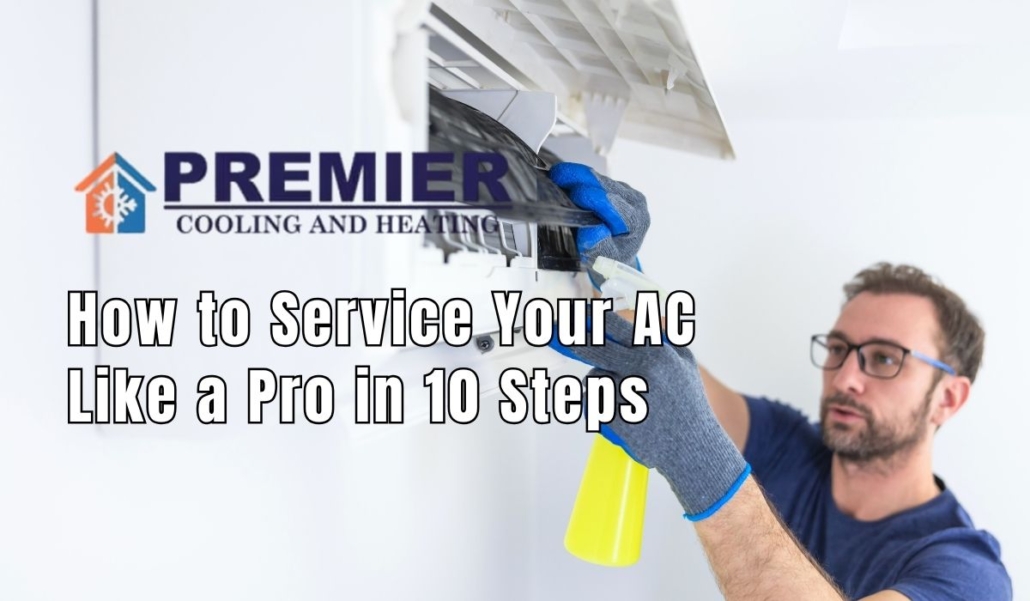
How to Service Your AC Like a Pro in 10 Steps
Introduction to AC Servicing
Air conditioner servicing is a structured process that maintains system performance, airflow quality, and cooling efficiency. Regular maintenance ensures that all components such as coils, filters, and fins operate within optimal conditions.
Importance of Regular Air Conditioner Maintenance
Air conditioners collect dust, debris, and moisture during operation. Dirty components reduce airflow and heat exchange efficiency. Clean systems maintain stable cooling output and reduce mechanical stress on parts.
Benefits of Regular Servicing
- Improved cooling efficiency by up to 15–20%
- Lower electricity consumption due to reduced load
- Extended system lifespan, often exceeding 10–15 years
- Better indoor air quality through clean filters and coils
DIY vs Professional AC Servicing
- DIY AC service includes cleaning filters, coils, and external units
- Professional servicing includes refrigerant checks, electrical inspection, and deep cleaning
- Basic maintenance can be done every 1–3 months at home
- Technical servicing should be done once every 6–12 months
Understanding Your Air Conditioner System
Key Components of an AC Unit
- Air Filters: Capture dust and particles. Clean filters improve airflow and indoor air quality
- Evaporator Coils: Absorb heat from indoor air. Located in the indoor unit
- Condenser Coils: Release heat outside. Located in the outdoor unit
- Fins: Help direct airflow across coils. Bent fins reduce efficiency
- Refrigerant: Transfers heat through pressure changes. Common types include R22 and R410A
- Thermostat: Controls temperature settings and system cycles
Types of Air Conditioners
- Split AC Systems: Separate indoor and outdoor units. Common in homes
- Window AC Units: Compact system in one unit. Suitable for small rooms
- Central Air Conditioning Systems: Used in large buildings with duct systems
- Performance Factors That Affect AC Efficiency
- Airflow restrictions due to dirty filters
- Incorrect refrigerant levels
- Coil contamination and dirt buildup
- High ambient temperature and humidity
Tools & Equipment Required for AC Servicing
Basic Tools
- Screwdrivers (flathead and Phillips)
- Soft brush and fin comb
- Vacuum cleaner
Advanced Tools
- Coil cleaner solution (alkaline or foaming type)
- Multimeter for electrical testing
- Refrigerant gauge (manifold gauge set)
Safety Equipment
- Protective gloves
- Safety goggles
- Face mask for dust protection
Safety Measures Before Servicing Your AC
- Turn off the power supply from the breaker or disconnect switch
- Avoid touching exposed electrical components
- Handle refrigerant carefully due to pressure and chemical properties
- Ensure proper ventilation during cleaning
- Use insulated tools to reduce electrical risk
How to Service Your AC Like a Pro in 10 Steps
Step 1 – Turn Off Power Supply
Disconnect the unit from the power source. This reduces the risk of electrical hazards and ensures safe servicing conditions.
Step 2 – Clean or Replace Air Filters
Remove filters and wash with clean water. Dry completely before reinstalling. Replace filters if damaged.
Service interval: every 1–3 months
Step 3 – Clean Evaporator Coils
Apply coil cleaner spray evenly. Let it sit for 5–10 minutes. Remove dirt and mold buildup using a soft brush.
Step 4 – Clean Condenser Coils
Remove debris such as leaves and dust from the outdoor unit. Use water spray at low pressure to clean coils. This improves heat dissipation.
Step 5 – Straighten and Clean Fins
Use a fin comb to align bent fins. Straight fins improve airflow and cooling efficiency.
Step 6 – Check Refrigerant Levels
Inspect for low refrigerant or leaks. Low levels reduce cooling capacity and increase compressor load.
Step 7 – Inspect and Clean Drain Line
Flush the drain line using water or vinegar solution. This prevents clogs and water leakage.
Step 8 – Check Thermostat Settings
Ensure correct calibration. Set temperature between 24–26°C for optimal performance. Smart thermostats can improve control accuracy.
Step 9 – Inspect Electrical Components
Check wiring, capacitors, and terminals. Tighten loose connections. Replace damaged parts if required.
Step 10 – Test the AC System
Restore power and run the system. Check airflow, cooling output, and noise levels. Ensure stable operation.
Common AC Servicing Mistakes to Avoid
Skipping regular maintenance cycles
Using incorrect or harsh cleaning chemicals
Ignoring refrigerant leaks or pressure issues
Over-cleaning delicate components like fins
Servicing without turning off the power supply
AC Maintenance Tips for Long-Term Performance
Recommended Service Intervals
Filters: every 1–3 months
Coils: every 6–12 months
Full system servicing: once per year
Energy Efficiency Tips
Maintain thermostat setting at 24–26°C
Seal air gaps in doors and windows
Use curtains or blinds to reduce heat gain
Seasonal Maintenance Checklist
Inspect system before summer season
Clean components after heavy usage
Maintain clearance around outdoor unit (minimum 2–3 feet)
Troubleshooting Common AC Problems
AC Not Cooling Properly
Dirty air filters
Low refrigerant levels
Faulty thermostat settings
Strange Noises from AC Unit
Loose internal components
Fan blade issues
Debris trapped inside unit
Water Leakage Issues
Blocked drain pipe
Frozen evaporator coils
AC Not Turning On
Power supply interruption
Faulty capacitor
Thermostat malfunction
When to Call a Professional Technician
Refrigerant leaks or pressure imbalance
Electrical faults or wiring damage
Compressor failure or unusual noise
Continuous performance issues after basic servicing
FAQs – Air Conditioner Servicing
How often should I service my AC?
Service the system every 6–12 months depending on usage and environment.
Can I service my AC myself?
Basic cleaning tasks such as filter and coil cleaning can be done at home. Technical repairs require trained technicians.
What happens if AC is not serviced regularly?
Efficiency decreases, energy consumption increases, and system components may fail earlier.
How long does AC servicing take?
Standard servicing takes 1–2 hours based on system condition.
Why is my AC running but not cooling?
Common causes include dirty coils, low refrigerant, and restricted airflow.
Conclusion
AC servicing includes cleaning filters, coils, fins, and inspecting system components. The 10-step process ensures stable cooling performance, improved airflow, and reduced energy usage.
Regular maintenance supports system efficiency and extends operational life. Scheduled servicing reduces the risk of major failures and costly repairs. Consistent inspection and cleaning keep the air conditioner operating within optimal parameters.

