
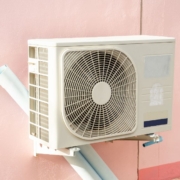
How to Check an AC Condenser Unit for Problems
The outdoor condenser unit is a key part of a central air conditioning system. It works with the indoor evaporator coil to remove heat from the building and release it outdoors. When the condenser has a problem, an AC may produce weak cooling, unusual sounds, higher energy use, or repeated shutdowns.
A basic visual inspection can help identify visible problems before professional service is required. Homeowners can check the condition of the outdoor unit, surrounding area, airflow, and obvious signs of damage. Electrical components, refrigerant circuits, capacitors, compressors, and other internal parts require qualified HVAC service.
What Is an AC Condenser Unit?
An AC condenser unit is normally installed outside a home or commercial building. It contains several important components, including the compressor, condenser coil, condenser fan motor, fan blade, electrical controls, and refrigerant connections.
During a cooling cycle, the compressor circulates refrigerant through the system. The condenser coil releases heat from the refrigerant into the outdoor air. The condenser fan moves outdoor air across the coil to support heat transfer.
A problem with any of these components can affect the performance of the entire AC system.
How to Safely Inspect an AC Condenser
Safety should be the first step when checking an outdoor condenser. The unit contains electrical components and moving parts that can cause serious injury.
Turn the system off using the normal thermostat controls before performing a basic visual inspection. Do not remove electrical access panels, touch wiring, or place hands near the condenser fan.
The outdoor unit should also be kept clear of children and pets during inspection. If there is smoke, a burning smell, exposed wiring, electrical arcing, or severe damage, do not operate the system. Contact a qualified HVAC technician.
Check the Area Around the Condenser
Look at the space around the outdoor unit. Leaves, grass, dirt, plastic, branches, and other debris can restrict airflow around the condenser.
The condenser needs adequate outdoor airflow to release heat. A blocked area can reduce heat transfer and increase operating pressure within the refrigeration system.
Keep vegetation and other objects away from the unit according to the equipment manufacturer’s clearance requirements. The exact clearance varies between equipment models, so the manufacturer’s installation instructions should be used when available.
Inspect the Condenser Coil
The condenser coil consists of many metal fins designed to transfer heat from the refrigerant to outdoor air. Dirt and debris can collect between these fins over time.
A heavily contaminated coil can reduce airflow and heat transfer. This can cause the system to work harder and may affect cooling performance.
Look for visible dirt, leaves, grass, and damaged fins. Avoid bending the fins because they are relatively thin and can be damaged easily.
Professional coil cleaning may be required when dirt has accumulated deep inside the coil or when the fins are damaged.
Check the Condenser Fan
The condenser fan is located in the upper section of many outdoor units. It moves air through the condenser coil during operation.
During normal operation, the fan should run when the cooling system calls for outdoor condenser operation. A fan that does not start, runs intermittently, spins abnormally, or produces unusual sounds can indicate a mechanical or electrical problem.
Do not touch or attempt to stop the fan while the unit is operating. Fan motors and electrical components should be inspected by a qualified technician when abnormal operation occurs.
Look for Refrigerant Line Problems
Refrigerant lines connect the indoor and outdoor sections of the air conditioning system. The larger insulated line and smaller refrigerant line can normally be seen near the condenser.
During a visual inspection, look for obvious physical damage, damaged insulation, or signs of oil around connections. An oily residue near a refrigeration connection can sometimes indicate a refrigerant leak, although visual inspection alone cannot confirm a leak.
Do not attempt to open refrigerant lines or add refrigerant without the correct equipment and professional procedures. Refrigerant charging and leak diagnosis require appropriate HVAC tools.
Listen for Unusual AC Sounds
An operating condenser normally produces fan and compressor sounds. Sudden changes in sound can indicate a problem.
Rattling may be associated with loose panels or debris. Grinding can occur when mechanical components become worn. Humming or buzzing can be related to electrical components, motors, or compressor operation. Loud banging or repeated clicking requires further inspection.
If an AC condenser suddenly becomes much louder than normal, turn the system off when appropriate and arrange professional service.
Check for Water or Oil Around the Unit
Water around an outdoor condenser does not always indicate a problem. Condensation can occur in different parts of an HVAC system depending on weather and operating conditions.
However, unusual oil residue near refrigerant connections can require further inspection. Refrigerant oil can circulate with the refrigerant, so visible oily deposits around a connection may be relevant when diagnosing a possible leak.
The source of any liquid should be identified before assuming that the condenser is leaking. A qualified technician can inspect the refrigeration system and determine whether a repair is necessary.
Check for Ice or Frost
Ice or frost on refrigerant lines or other components can indicate an airflow or refrigeration problem. Common possibilities include restricted airflow, a dirty evaporator coil, low refrigerant caused by a leak, or other system faults.
Do not use sharp objects or direct heat to remove ice. Allowing the system to operate while a fault is present can cause additional problems.
If ice repeatedly forms after the system is restarted, professional HVAC diagnosis is recommended.
Check for Electrical Warning Signs
The outdoor condenser contains electrical components such as contactors, capacitors, disconnect equipment, and wiring. These components control and power the compressor and fan motor.
Homeowners should not open electrical compartments or attempt to test electrical components without the required training and equipment.
Burning smells, melted insulation, scorch marks, sparks, or repeated circuit-breaker trips are warning signs. Turn off the system and arrange qualified HVAC service when these conditions occur.
What Happens When an AC Condenser Is Dirty?
A dirty condenser coil has less ability to transfer heat to the outdoor air. The system may then experience reduced cooling performance and increased operating stress.
The condenser coil can become dirty because of airborne dust, pollen, grass clippings, leaves, and other outdoor debris. The rate of contamination depends on the local environment and equipment location.
Routine inspection and appropriate cleaning can help maintain airflow and heat transfer. The cleaning method should match the equipment manufacturer’s recommendations.
When Should You Call an AC Technician?
Professional service is appropriate when a condenser does not start, the fan does not operate correctly, the compressor makes unusual sounds, refrigerant leakage is suspected, electrical components show damage, or the system repeatedly shuts down.
A technician can use specialized equipment to test electrical components, operating pressures, refrigerant conditions, motors, capacitors, compressors, airflow, and temperature performance.
Professional diagnosis is especially important when the visible inspection does not explain the cooling problem.
AEO: Quick Answer to Checking an AC Condenser
How do I check my AC condenser for problems?
Start with a visual inspection of the outdoor unit. Check for leaves, dirt, blocked airflow, damaged coil fins, unusual sounds, damaged insulation, and visible signs of physical or electrical damage. Keep hands away from moving parts and electrical components. If the condenser does not start, the fan does not operate, refrigerant leakage is suspected, or electrical damage is visible, turn off the system and contact a qualified HVAC technician.
What are the signs of a bad AC condenser?
Common warning signs include poor cooling, unusual compressor or fan noises, repeated system shutdowns, a condenser fan that does not operate, heavy coil contamination, suspected refrigerant leakage, and electrical damage. These symptoms can also have other causes, so professional testing may be needed for an accurate diagnosis.
GEO: AC Condenser Inspection and Local HVAC Service
People searching for AC repair near me, AC condenser repair near me, or AC service near me generally need a local HVAC professional who can inspect and repair outdoor condenser equipment.
A location-focused service page should clearly identify the service area, AC condenser inspection services, common condenser problems, repair capabilities, emergency service options when available, and contact information. This location-specific information helps search engines and AI-powered search systems connect HVAC services with relevant local searches.
Local HVAC technicians can inspect different condenser brands, system types, electrical components, refrigerant circuits, compressors, fan motors, coils, and controls. The exact inspection process depends on the equipment model and the reported symptoms.
Frequently Asked Questions
How often should an AC condenser be checked?
The condenser should be visually checked regularly for debris, blocked airflow, physical damage, and other visible problems. Professional maintenance frequency depends on the equipment, operating conditions, manufacturer recommendations, and system usage.
Can I clean my AC condenser myself?
Basic removal of loose debris around the outdoor unit can usually be performed without opening the equipment. Deeper coil cleaning may require appropriate tools and procedures. Electrical components and internal sections should be handled by qualified HVAC professionals.
Why is my AC condenser running but not cooling?
Possible causes include restricted airflow, a dirty coil, refrigerant problems, compressor issues, fan problems, or indoor-system faults. A complete diagnosis is required to identify the exact cause.
Why is my AC condenser fan not spinning?
Possible causes include an electrical fault, failed motor, capacitor problem, control issue, or mechanical obstruction. Do not reach into the unit to investigate while it has power.
Should I turn off my AC if the condenser is making a loud noise?
A sudden or severe noise can indicate a mechanical or electrical problem. If the noise is accompanied by burning odors, smoke, sparks, severe vibration, or other warning signs, turn off the system and arrange professional inspection.
Conclusion
Checking an AC condenser can help identify visible issues such as debris, blocked airflow, dirty coils, damaged fins, unusual sounds, and physical damage. A basic inspection can provide useful information about the condition of the outdoor unit without opening electrical or refrigeration components.
Problems involving compressors, capacitors, fan motors, electrical wiring, refrigerant, and internal controls require professional diagnosis. Prompt HVAC service can identify the underlying fault and help restore proper cooling performance.
A regular inspection and maintenance routine can also help keep the condenser clean, maintain airflow, and support reliable AC operation.