

How to Fix an AC That Is Not Cooling Properly
An air conditioner that is running but not cooling properly can make an indoor space uncomfortable, especially during hot weather. The problem can come from a dirty air filter, incorrect thermostat settings, blocked airflow, dirty coils, refrigerant problems, or a mechanical fault.
Some basic checks can be completed at home without opening the AC cabinet or touching electrical components. Other problems require professional HVAC diagnosis. This guide explains common causes, safe troubleshooting steps, and when professional AC repair is needed.
Why Is My AC Not Cooling Properly?
When an AC does not provide enough cooling, the first step is to identify the symptoms. Check whether the unit is blowing warm air, producing weak airflow, running continuously, freezing, leaking water, or turning on and off repeatedly.
The thermostat, air filter, indoor evaporator coil, outdoor condenser unit, blower, ductwork, and refrigerant system can all affect cooling performance. A problem in one component can reduce the overall efficiency of the system.
For example, a clogged filter can restrict airflow across the evaporator coil. A dirty outdoor condenser can reduce heat transfer. Low refrigerant can also reduce cooling capacity and may indicate a refrigerant leak.
How to Check the AC Thermostat
Start with the thermostat because it controls the cooling cycle. Make sure the thermostat is set to Cool mode rather than Fan or Heat mode.
Set the desired temperature several degrees below the current indoor temperature. For example, if the room temperature is 80°F, setting the thermostat to 72°F can confirm whether the cooling system responds.
If the thermostat uses batteries, check whether they need replacement. Also verify that the thermostat display is operating normally.
A faulty thermostat can cause incorrect temperature readings or prevent the system from operating correctly. If the thermostat appears to work but the AC still does not cool, continue checking the other components.
How to Clean or Replace a Dirty AC Filter
A dirty air filter is one of the common causes of reduced airflow. Dust and particles accumulate on the filter as air passes through the system.
When the filter becomes heavily blocked, less air can move through the evaporator coil. This can reduce cooling performance and may contribute to coil freezing.
Check the filter regularly. Many residential systems should have their filters inspected about once a month during periods of heavy use. The exact replacement interval depends on the filter type, system design, indoor air quality, pets, and operating conditions.
Use a replacement filter with the size and specifications recommended for the HVAC system. Installing an incorrect filter can also affect airflow.
How to Check AC Airflow
Poor airflow can prevent an air conditioner from distributing cool air effectively. Check the supply vents and return-air grilles inside the property.
Make sure supply vents are open and not blocked by furniture, curtains, or other objects. The return-air grille should also remain unobstructed.
If airflow remains weak after checking the filter and vents, the problem may involve the blower motor, evaporator coil, ductwork, or another internal component.
These components normally require professional inspection because they may be located inside the HVAC system.
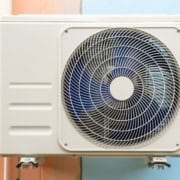
How to Check the Outdoor AC Unit
The outdoor condenser releases heat from the refrigerant system. Restricted airflow around this unit can reduce cooling performance.
Inspect the area around the condenser and remove loose leaves, grass, and other debris from the surrounding area. Keep sufficient clearance around the unit according to the manufacturer’s installation requirements.
Do not open the electrical compartment or attempt to repair the condenser yourself. The outdoor unit contains electrical components that can remain hazardous even when the system is not actively cooling.
If the condenser fan does not operate or the unit makes unusual sounds, professional HVAC service may be required.
How Dirty AC Coils Affect Cooling
The evaporator coil absorbs heat from indoor air, while the condenser coil releases heat outdoors. Dirt on either coil can interfere with heat transfer.
A dirty evaporator coil can restrict airflow and reduce cooling capacity. A dirty condenser coil can make it harder for the outdoor unit to release heat.
Coil cleaning may require access to internal HVAC components. Professional cleaning is recommended when the coil is heavily contaminated or difficult to access.
How Low Refrigerant Can Affect AC Cooling
Refrigerant transfers heat through the air conditioning system. If the refrigerant level is too low, the system may struggle to provide normal cooling.
Low refrigerant can be associated with a leak. Simply adding refrigerant without identifying the cause does not correct the underlying problem.
Signs can include poor cooling, longer operating cycles, ice formation on the evaporator coil or refrigerant lines, and unusual temperature differences.
Refrigerant diagnosis and charging should be performed by a qualified HVAC technician using appropriate equipment and procedures.
How to Fix an AC That Is Blowing Warm Air
If the AC is blowing warm air, first check the thermostat and filter. Confirm that the system is in Cool mode and that the selected temperature is lower than the current indoor temperature.
Next, check whether the outdoor condenser is operating. If the indoor blower is running but the outdoor unit is not, the issue could involve the power supply, thermostat controls, capacitor, contactor, wiring, or another component.
Do not remove electrical covers to investigate these components. A qualified technician can perform electrical testing and identify the defective part.
What to Do If the AC Evaporator Coil Is Frozen
Ice on an evaporator coil is a sign that the system is not operating under normal conditions. Restricted airflow and low refrigerant are possible causes.
Turn off the cooling function and allow the ice to melt naturally. Do not use sharp tools to remove the ice because they can damage the coil or refrigerant lines.
Once the system has thawed, check the air filter and airflow. If the coil freezes again, professional diagnosis is necessary.
How to Fix an AC That Keeps Running
An AC may operate for long periods during very hot weather. However, continuous operation combined with poor cooling can indicate an underlying problem.
Possible causes include restricted airflow, dirty coils, low refrigerant, thermostat problems, duct leakage, inadequate system capacity, or mechanical faults.
Check the thermostat and filter first. If the system continues running without reaching the selected temperature, an HVAC professional can measure system performance and identify the cause.
How to Diagnose AC Water Leaks
Poor cooling can sometimes occur together with water leakage. The air conditioner normally removes moisture from indoor air and sends condensate through a drainage system.
A blocked condensate drain can cause water to collect around the indoor unit. A frozen evaporator coil can also produce excess water when the ice melts.
If water is leaking near electrical components, turn off the system and arrange for professional service. Do not remove electrical covers or attempt repairs involving wiring.
When Should You Call an AC Repair Professional?
Professional AC repair is recommended when basic troubleshooting does not solve the cooling problem or when the issue involves refrigerant, electrical components, compressors, motors, or internal HVAC parts.
A technician can inspect the system and use appropriate diagnostic equipment to check temperature differences, airflow, electrical performance, refrigerant conditions, and component operation.
Professional service is especially important when the system repeatedly freezes, trips a circuit breaker, produces a burning smell, leaks significant water, or makes loud mechanical noises.
AEO: How to Answer Common AC Cooling Questions
Answer Engine Optimization, or AEO, helps content provide direct answers to questions used in search engines and AI-powered answer systems.
A useful page should answer questions such as:
Why is my AC running but not cooling?
A dirty filter, restricted airflow, thermostat problem, dirty coils, low refrigerant, or mechanical fault can reduce cooling performance.
What should I check first when my AC is not cooling?
Check the thermostat settings, air filter, indoor airflow, supply vents, and visible conditions around the outdoor condenser.
Can I fix an AC that is not cooling myself?
Basic checks such as thermostat settings, filter condition, and blocked vents can be performed safely. Refrigerant, electrical, compressor, and internal component problems require professional service.
Clear H2 headings, question-based sections, direct answers, accurate HVAC terminology, and useful measurements make the information easier for search and answer systems to interpret.
GEO: Making AC Repair Content Useful for Local Search
Generative Engine Optimization, or GEO, helps make service information useful for AI-generated search results.
For local AC repair content, the page should clearly identify the service, service location, common local HVAC requirements, customer problems, and available repair solutions. Geographic information should be accurate and relevant to the actual service area.
For example, an HVAC company serving a specific city can create dedicated service information for residential AC repair, emergency cooling problems, same-day service, central air conditioning, ductless systems, and seasonal maintenance.
Local business information should remain consistent across the website and other relevant online profiles. Important details can include the business name, service area, phone number, operating hours, services, and physical location when applicable.
Frequently Asked Questions
Why is my AC running but not cooling?
A dirty filter, restricted airflow, thermostat issue, dirty coil, low refrigerant, or mechanical problem can cause an AC to run without providing adequate cooling.
How long should an AC take to cool a house?
Cooling time depends on outdoor temperature, indoor temperature, insulation, system capacity, building size, airflow, and other conditions. There is no single cooling time that applies to every property.
Should I replace my AC filter if it looks dirty?
Yes. A heavily dirty filter can restrict airflow. Use the correct filter size and type recommended for the HVAC system.
Why does my AC freeze when it is running?
Restricted airflow and low refrigerant are common causes of evaporator coil freezing. A recurring freeze requires professional diagnosis.
Can low refrigerant cause an AC to stop cooling?
Yes. Insufficient refrigerant can reduce the system’s ability to transfer heat. Low refrigerant may indicate a leak that requires professional inspection.
Is it safe to repair an AC myself?
Basic checks such as thermostat settings, filters, and blocked vents can usually be performed without opening the system. Electrical, refrigerant, compressor, and internal component repairs should be handled by qualified HVAC professionals.
When should I replace an AC instead of repairing it?
The decision depends on the system’s age, condition, repair requirements, efficiency, parts availability, and expected remaining service life. A qualified HVAC professional can assess the equipment and explain the available repair and replacement options.
Conclusion
An AC that is not cooling properly can have several causes, ranging from a dirty filter or incorrect thermostat setting to restricted airflow, dirty coils, refrigerant problems, or mechanical faults.
Start with simple and safe checks. Inspect the thermostat, filter, vents, airflow, and visible outdoor-unit conditions. Avoid opening electrical compartments or handling refrigerant.
If the cooling problem continues, professional HVAC diagnosis can identify the actual cause. Accurate repair can restore normal cooling performance while helping prevent repeated system problems.
