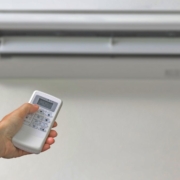

What Is Dry Mode on AC? 7 Key Benefits Explained
Introduction
Modern air conditioners include multiple operating modes such as cool, fan, auto, and dry. Each mode serves a specific function based on indoor conditions. Dry mode is designed to reduce excess moisture in the air while maintaining a stable temperature. It is commonly used in regions with high humidity levels.
Dry mode works by removing water vapor from indoor air without aggressive cooling. This helps maintain a comfortable environment when the air feels damp or sticky. In humid climates, indoor humidity can exceed 60%, which can reduce comfort and affect air quality.
This mode offers several practical benefits. It helps control humidity, improves comfort, reduces energy usage, and prevents moisture-related issues such as mold growth. It also supports better air quality and reduces strain on the air conditioning system. Understanding how dry mode works allows efficient use of the AC under different weather conditions.
What Is Dry Mode on an Air Conditioner?
Definition of Dry Mode
Dry mode is a function in air conditioners that focuses on reducing indoor humidity. It operates by removing moisture from the air while keeping temperature changes minimal. This mode is often represented by a water droplet symbol on the AC remote control.
The primary purpose is to maintain indoor relative humidity within the recommended range of 40% to 60%. This range supports human comfort and reduces the risk of damp-related problems.
Key Components Involved
Dry mode uses the same internal components as standard cooling, but it adjusts their operation. The compressor runs in short cycles instead of continuous operation. This limits excessive cooling while still removing moisture.
The fan operates at a lower speed. Slower airflow allows more contact time between air and the evaporator coil. The evaporator coil plays a key role by cooling the air enough to condense moisture. The collected water is then drained out through the system.
How Does Dry Mode Work?
Moisture Removal Process
Dry mode removes moisture through condensation. Warm indoor air enters the air conditioner and passes over cold evaporator coils. When air temperature drops below its dew point, water vapor turns into liquid.
This liquid water collects on the coil surface and flows into a drain pan. It is then discharged through a drainage pipe. This process continuously reduces indoor humidity without significantly lowering room temperature.
Temperature vs Humidity Control
Dry mode prioritizes humidity control rather than temperature reduction. In cool mode, the AC aims to reach a set temperature quickly. In dry mode, the system maintains moderate cooling while focusing on moisture removal.
The ideal indoor humidity range is between 40% and 60%. Dry mode helps maintain this level. Temperature reduction is usually limited to 1°C to 2°C, which prevents overcooling. This makes it suitable for days when the air feels humid but not excessively hot.
Dry Mode vs Cool Mode: 4 Key Differences
Cooling Function
Cool mode reduces room temperature rapidly. Dry mode provides mild cooling while removing moisture. The cooling effect in dry mode is less intense.
Energy Consumption
Cool mode typically uses higher power, often between 1000 to 2000 watts depending on AC capacity. Dry mode consumes less energy because the compressor cycles on and off. This can reduce energy use by 10% to 30% under suitable conditions.
Compressor Usage
In cool mode, the compressor runs continuously until the set temperature is reached. In dry mode, the compressor operates intermittently. This reduces workload and energy demand.
Ideal Weather Conditions
Cool mode is suitable for high temperatures above 32°C. Dry mode is effective when humidity is high and temperatures are moderate, typically between 24°C and 30°C.
7 Key Benefits of Dry Mode on AC
1. Reduces Indoor Humidity Levels
Dry mode lowers excess moisture in indoor air. It maintains humidity within the 40% to 60% range. This improves comfort and prevents a damp indoor environment.
2. Improves Comfort Without Overcooling
Dry mode prevents excessive cooling. It maintains a stable temperature while removing humidity. This reduces the feeling of cold air discomfort.
3. Saves Energy Compared to Cool Mode
The compressor runs less frequently in dry mode. This lowers electricity consumption. Energy savings can range from 10% to 30% depending on humidity levels and usage duration.
4. Prevents Mold and Mildew Growth
High humidity promotes mold growth on walls, furniture, and fabrics. Dry mode reduces moisture levels. This limits conditions that support mold and mildew development.
5. Enhances Air Quality
Lower humidity reduces airborne allergens such as dust mites and mold spores. This improves indoor air quality and supports better breathing conditions.
6. Ideal for Rainy and Humid Seasons
Dry mode is effective during monsoon or coastal weather. It removes the sticky feeling caused by high humidity without unnecessary cooling.
7. Extends AC Lifespan
Reduced compressor activity decreases mechanical wear. This can help extend the lifespan of the air conditioning system and reduce maintenance frequency.
When Should You Use Dry Mode?
Best Temperature Range (24°C–30°C)
Dry mode works best when indoor temperatures are moderate. It is suitable for conditions where cooling demand is low but humidity is high.
Ideal Humidity Conditions (>60%)
Use dry mode when indoor humidity exceeds 60%. This helps restore balance and improve comfort levels.
Seasonal Use Cases
Dry mode is useful during rainy seasons and in coastal regions. These conditions often involve high humidity with moderate temperatures.
When NOT to Use Dry Mode
Dry mode is not suitable for extremely hot weather above 32°C. In such cases, cool mode is required for effective temperature reduction. It is also not needed in low humidity environments below 40%, as air may become too dry. Dry mode is not designed for rapid cooling, so it should not be used when immediate temperature reduction is required.
Energy Consumption and Efficiency
Power Usage Comparison
Dry mode uses less power than cool mode due to reduced compressor operation. While cool mode may use 1000–2000 watts, dry mode can operate at lower average power levels depending on cycling patterns.
Impact on Electricity Bills
Lower energy usage results in reduced electricity costs. Estimated savings can range between 10% and 30% during humid conditions. Actual savings depend on room size, insulation, and usage time.
Common Mistakes to Avoid
Using dry mode in dry climates can reduce humidity below comfortable levels. Expecting strong cooling from dry mode leads to incorrect usage. Running dry mode continuously for long hours may not provide additional benefits once humidity is controlled.
Practical Tips for Best Results
Keep doors and windows closed to prevent moisture entry. Use dry mode when humidity is high instead of switching to cool mode immediately. Ensure regular maintenance of filters and drainage systems. Proper airflow and clean components improve efficiency.
FAQs
Does dry mode cool the room?
Dry mode provides limited cooling. It reduces temperature slightly while focusing on moisture removal.
Is dry mode better than cool mode?
Dry mode is suitable for high humidity conditions. Cool mode is required for high temperature conditions. Each mode serves a different purpose.
Does dry mode save electricity?
Dry mode can reduce energy usage due to intermittent compressor operation. Savings depend on environmental conditions.
Can I use dry mode all day?
Dry mode can be used for extended periods when humidity remains high. Continuous use is not necessary once humidity reaches a comfortable level.
What symbol represents dry mode on AC?
Dry mode is usually indicated by a water droplet symbol on the AC remote control.
Conclusion
Dry mode on an air conditioner is designed to control indoor humidity while maintaining moderate temperature levels. It operates through controlled compressor cycles and moisture removal using evaporator coils. This mode provides benefits such as improved comfort, reduced energy use, and better air quality. It is most effective in humid conditions between 24°C and 30°C with humidity above 60%. Proper use of dry mode supports efficient AC operation and helps maintain a balanced indoor environment.