

Why Does My AC Keep Freezing
Air conditioners are designed to cool indoor spaces efficiently. However, one common problem homeowners face is a freezing AC unit. When the evaporator coil or refrigerant lines freeze, the system stops cooling effectively and can cause damage if left untreated. Understanding the reasons behind AC freezing helps in preventing and resolving the issue.
Causes of AC Freezing
One of the main causes of AC freezing is restricted airflow. The evaporator coil requires a steady flow of air to maintain the proper temperature. If air filters are clogged or vents are blocked, airflow is reduced, causing the coil to become too cold and eventually freeze. Regular cleaning and maintenance of air filters and vents are crucial to prevent this problem.
Low refrigerant levels can also lead to freezing. Refrigerant absorbs heat from the indoor air, and when levels drop, the pressure in the system decreases. This causes the temperature of the evaporator coil to drop below freezing, resulting in ice buildup. Leaks in the refrigerant lines or improper charging during installation are common reasons for low refrigerant levels.
Dirty evaporator coils are another factor. Dust and debris accumulation on the coils reduces heat exchange efficiency. As a result, the coil gets excessively cold, causing the moisture in the air to freeze. Cleaning the coils regularly can prevent ice formation and maintain optimal cooling performance.
Thermostat settings and operation can contribute to freezing as well. Setting the thermostat too low in extremely hot conditions forces the AC to run continuously, reducing airflow and refrigerant pressure. This prolonged operation can cause the coil to freeze. Ensuring the thermostat is set to a reasonable temperature, typically between 72°F and 78°F, can help avoid freezing.
External factors such as low ambient temperatures can also cause the AC to freeze. Most air conditioners are designed to operate in temperatures above 60°F. Operating the system in cooler conditions can cause the refrigerant to overcool the coils and freeze.
Effects of a Freezing AC
A freezing AC reduces its cooling efficiency. Ice on the evaporator coil prevents proper heat absorption, making the air conditioner struggle to reach the desired indoor temperature. Running a frozen AC for extended periods can damage components like the compressor, leading to costly repairs. Water from melting ice can also drip into unintended areas, causing potential water damage.
Preventing AC Freezing
Maintaining proper airflow is essential. Clean or replace air filters every 1 to 3 months depending on usage and ensure vents are unobstructed. Monitoring refrigerant levels regularly and addressing leaks promptly prevents pressure drops that cause freezing. Scheduling annual professional AC maintenance ensures evaporator coils are clean and the system operates efficiently. Using a programmable thermostat helps regulate temperature and prevents the unit from overworking. Avoid setting the AC below recommended temperatures during hot weather.
FAQ
Can a dirty air filter cause my AC to freeze?
Yes. Reduced airflow from a clogged filter can make the evaporator coil too cold, leading to ice formation.
How do I know if my AC is low on refrigerant?
Signs include decreased cooling, hissing sounds near the refrigerant lines, and ice buildup on the evaporator coil.
Is it safe to run a frozen AC?
No. Operating a frozen unit can damage the compressor and other components, leading to costly repairs.
Can the outdoor temperature affect AC freezing?
Yes. Running an AC when the outdoor temperature is below 60°F can cause the refrigerant to overcool the coils and freeze.
How often should I maintain my AC to prevent freezing?
Professional maintenance once a year and regular filter cleaning every 1 to 3 months are recommended.
Conclusion
AC freezing is typically caused by restricted airflow, low refrigerant levels, dirty evaporator coils, improper thermostat settings, or low outdoor temperatures. Ice formation on the evaporator coil reduces cooling efficiency and can damage the system if ignored. Maintaining clean air filters, ensuring proper refrigerant levels, keeping coils clean, and monitoring thermostat settings are essential for preventing freezing. Regular professional maintenance further protects the system and ensures optimal performance. Understanding these factors allows homeowners to identify issues early and maintain a reliable and efficient air conditioning system.
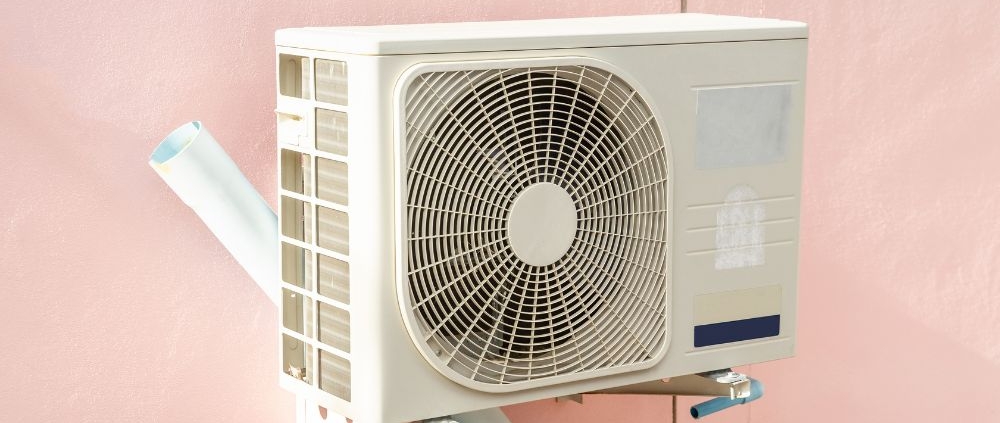
What is BTU in AC
BTU, or British Thermal Unit, is a standard measurement used to quantify the cooling or heating capacity of an air conditioner. Understanding BTU helps homeowners and businesses select the right AC unit for their space, ensuring efficient cooling and energy usage.
Understanding BTU in Air Conditioners
A British Thermal Unit represents the amount of energy needed to raise or lower the temperature of one pound of water by one degree Fahrenheit. In air conditioning, BTU measures how much heat the unit can remove from a room in one hour. Higher BTU ratings indicate a greater cooling capacity, suitable for larger rooms or spaces with higher heat loads.
The capacity of air conditioners is often matched to room size, insulation, and local climate. For instance, a small room of about 150 square feet may require an AC unit with 5,000 to 6,000 BTU per hour, while a larger living room of 400 square feet may need 10,000 to 12,000 BTU per hour. Selecting an appropriate BTU rating ensures the AC can maintain the desired temperature without overworking, which can increase energy costs and reduce the lifespan of the unit.
Factors like ceiling height, sunlight exposure, number of windows, and heat-generating appliances also affect the required BTU. A room with high ceilings or significant direct sunlight may need an AC unit with a 10–15% higher BTU rating to maintain comfort.
BTU and Energy Efficiency
BTU ratings also relate to energy efficiency. Air conditioners with high BTU output consume more electricity, so matching the BTU to the room size is essential for cost-effective operation. An oversized unit may cool the room too quickly without properly dehumidifying the air, leading to discomfort and increased energy use. Conversely, an undersized unit may run continuously, consuming more energy and reducing efficiency.
Modern AC units often include an Energy Efficiency Ratio (EER) or Seasonal Energy Efficiency Ratio (SEER) rating alongside the BTU. These values indicate how efficiently the unit uses electricity relative to its cooling capacity. A higher SEER or EER value means the air conditioner delivers more cooling per unit of energy consumed.
BTU Conversion and Measurement
BTU can also be converted into other units of energy. One BTU equals approximately 1,055 joules or 0.293 watt-hours. This conversion helps compare AC units or calculate energy costs using local electricity rates. Homeowners can estimate the electricity usage of an AC unit by multiplying its BTU rating by the hours of operation and adjusting for efficiency ratings.
Understanding BTU allows consumers to choose the correct air conditioner size and optimize comfort while minimizing electricity costs. It also aids in comparing different units, ensuring that the AC meets both cooling requirements and energy efficiency goals.
FAQ
How do I know what BTU AC I need?
Calculate your room size in square feet and match it to the recommended BTU range. Consider ceiling height, sunlight, and heat from appliances for more accuracy.
What happens if I choose an AC with too high BTU?
An oversized unit may cool too quickly, fail to dehumidify properly, increase electricity costs, and reduce comfort.
What if the AC BTU is too low?
An undersized unit will run continuously, struggle to maintain temperature, and consume more energy over time.
Is BTU the only factor for AC performance?
No. Energy efficiency ratings such as SEER and EER, airflow, and unit design also affect performance and electricity usage.
Can I convert BTU to watts for energy calculation?
Yes. One BTU equals approximately 0.293 watt-hours, allowing energy consumption estimation.
Conclusion
BTU in air conditioners measures the unit’s cooling capacity, helping determine the right size for a room or space. Selecting the correct BTU rating ensures comfort, energy efficiency, and proper AC operation. Factors like room size, sunlight, ceiling height, and heat sources influence the required BTU. Understanding BTU alongside efficiency ratings such as SEER or EER allows homeowners to make informed decisions, balance energy consumption, and achieve optimal cooling performance. Correctly matched AC units provide consistent comfort while reducing electricity costs and extending the unit’s lifespan.
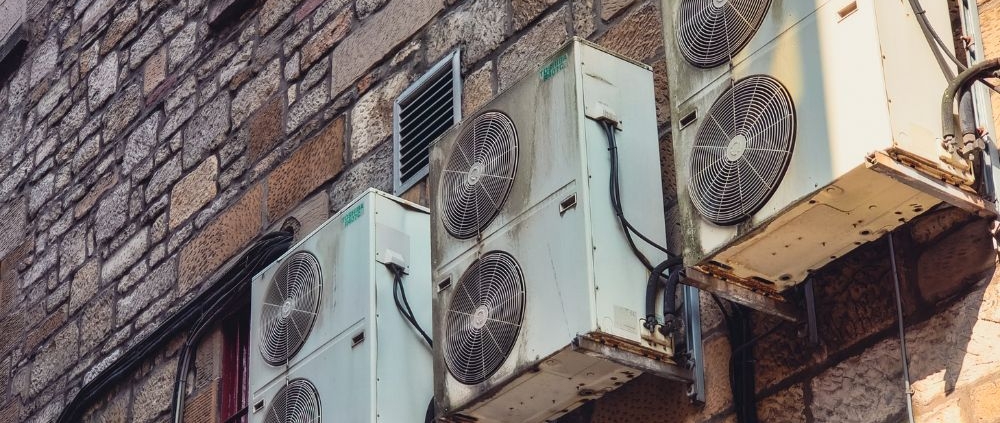
Lights Flicker When AC Turns On
Experiencing lights flickering when an air conditioner starts can indicate electrical issues or normal operational effects. Understanding the causes and solutions helps maintain home safety and ensures efficient AC performance.
Causes of Lights Flickering When AC Turns On
Air conditioners require a surge of power when the compressor starts. This sudden demand can cause a brief voltage drop in the home’s electrical system. Standard household circuits are designed to handle minor fluctuations, but noticeable flickering may occur if the AC draws a significant amount of electricity relative to the circuit’s capacity.
Another common cause is overloaded circuits. If multiple high-power appliances, such as refrigerators, water heaters, or electric ovens, are operating on the same circuit as the AC, the combined load can cause lights to dim or flicker temporarily. This is especially noticeable with older homes that have wiring designed for lower amperage.
Loose or faulty wiring is another potential factor. Connections in the breaker panel, outlets, or junction boxes that are not secure can create resistance, leading to flickering when high-demand appliances like AC units start. Corroded or damaged wires can amplify this issue, posing both performance and safety concerns.
How to Prevent Flickering
Proper electrical planning can reduce or eliminate flickering. Ensuring that the AC has a dedicated circuit with adequate amperage capacity is essential. Most residential central AC units require a 30–60 amp circuit, depending on their size and power rating. Window units typically require a 15–20 amp circuit.
Routine electrical maintenance is also important. Checking for loose connections in the breaker panel, outlets, and wiring can prevent voltage drops. Replacing old or damaged wires ensures consistent power delivery to the AC and other appliances.
Using a soft-start AC system can help reduce the initial power surge. These systems gradually ramp up the compressor motor, minimizing voltage drops and preventing lights from flickering. Additionally, ensuring that high-power appliances are spread across different circuits helps balance the load in the electrical system.
Potential Safety Concerns
Persistent flickering can indicate underlying electrical issues. Overloaded circuits, loose connections, or damaged wiring increase the risk of electrical fires. It is important to have a licensed electrician inspect the home’s electrical system if flickering occurs frequently or lasts longer than a few seconds when the AC starts.
Ignoring electrical problems can damage the AC unit and other sensitive electronics. Voltage fluctuations can shorten the lifespan of appliances and cause intermittent failures. Addressing flickering promptly helps maintain both safety and equipment reliability.
FAQ
Is it normal for lights to flicker when an AC starts?
A brief flicker lasting one or two seconds is often normal due to the compressor’s initial power draw.
What should I do if lights flicker constantly with AC use?
Constant flickering indicates potential electrical issues. Contact a licensed electrician to inspect wiring, breakers, and circuits.
Can flickering damage my electronics?
Frequent voltage fluctuations can reduce the lifespan of electronic devices and sensitive appliances. Surge protection can help mitigate damage.
Should my AC have a dedicated circuit?
Yes. Most central AC units require a dedicated 30–60 amp circuit to prevent voltage drops and ensure safe operation.
Can soft-start systems prevent flickering?
Yes. Soft-start AC systems reduce the initial power surge, minimizing flickering and protecting the electrical system.
Conclusion
Lights flickering when an AC turns on is often caused by the compressor’s high initial power demand, overloaded circuits, or loose wiring. Ensuring a dedicated circuit with sufficient amperage, maintaining secure electrical connections, and considering soft-start systems can reduce or eliminate flickering. Persistent issues should be addressed by a licensed electrician to maintain home safety and protect appliances. Correct electrical setup ensures consistent AC operation, prevents damage to electronics, and provides a safe and comfortable indoor environment.