
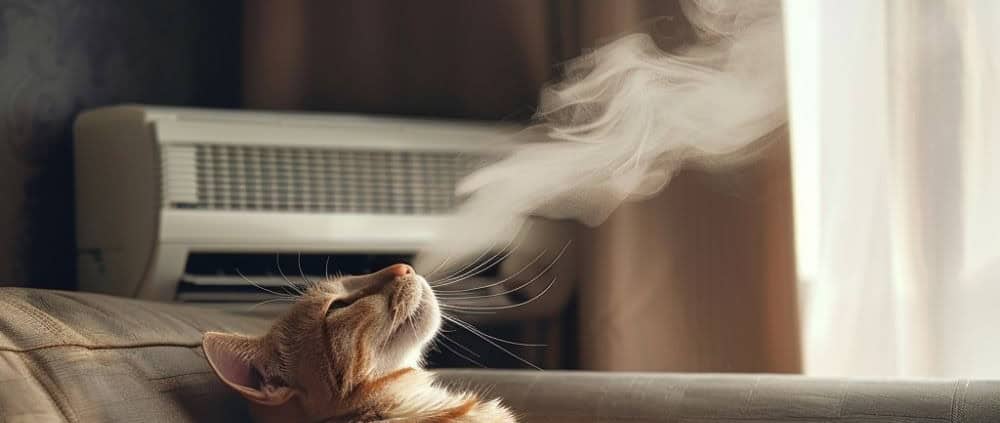
Why Is My AC Blowing Warm Air?
An air conditioner is designed to remove heat from indoor air and release it outside. When the system starts blowing warm air, it indicates a change in airflow, refrigerant level, electrical supply, or mechanical function. Warm airflow results from issues that affect heat transfer inside the evaporator coil or pressure control inside the refrigerant circuit.
Low Refrigerant Levels
Refrigerant absorbs heat inside the evaporator coil. Low refrigerant levels reduce heat absorption and cause the coil temperature to rise. A system that normally operates between 25 psi and 45 psi on the low-pressure side may fall below this range when refrigerant levels drop. Low pressure limits cooling capacity, and the air leaving the vents becomes warm.
Leaks often occur at service ports, coil surfaces, or line connections. Oil residue on fittings is a common sign of refrigerant loss. Correct diagnosis requires pressure testing and leak detection.
Dirty Air Filter
A clogged air filter restricts airflow. Reduced airflow lowers the volume of air passing over the evaporator coil. When the coil does not receive enough air, it cannot remove heat efficiently. This condition increases supply air temperature and may cause warm airflow. Filters need replacement when dust buildup reduces airflow rate.
Electrical or Thermostat Problems
Warm air may result from electrical interruptions that prevent the compressor from starting. A defective capacitor, relay failure, or loose wiring can stop compressor operation. When the compressor does not engage, the blower sends unconditioned air through the vents.
Incorrect thermostat settings also affect cooling. A thermostat that is set to “fan mode” instead of “cool mode” allows the fan to run without engaging the compressor. This pushes warm air into the room.
Dirty Condenser Coil
The condenser coil releases heat outdoors. When dirt covers the coil surface, heat transfer efficiency decreases. High-side pressure rises above normal levels, and the compressor may shut down due to increased load. This interruption leads to warm airflow until pressure returns to a safe range. Clean condenser coils help maintain stable heat rejection.
Restricted Airflow or Blocked Vents
Blocked vents reduce the amount of air returning to the AC system. A system with insufficient airflow cannot maintain correct evaporator temperature. This reduces overall cooling performance and increases the likelihood of warm air discharge. Furniture, dust buildup, or closed vents often cause airflow restrictions.
Compressor Problems
A failing compressor cannot circulate refrigerant through the system. This stops the cooling process entirely. Compressors may fail due to electrical issues, overheating, or internal mechanical damage. A damaged compressor often produces warm air even when the blower operates normally.
FAQ
Why is my AC blowing warm air suddenly?
Sudden warm airflow often results from refrigerant loss, a tripped breaker, thermostat misconfiguration, or compressor failure.
Can a dirty filter cause warm AC air?
Yes. A dirty air filter reduces airflow across the evaporator coil and decreases cooling performance.
Does low refrigerant always cause warm air?
Low refrigerant is a common cause. It reduces heat absorption and prevents the coil from producing cold air.
Can warm air come from a bad thermostat?
Yes. Incorrect settings or sensor faults can prevent the compressor from engaging.
Conclusion
Warm air from an AC system indicates a disruption in cooling performance. Low refrigerant levels, restricted airflow, thermostat issues, electrical interruptions, and compressor problems are common causes. Correct diagnosis requires checking airflow, refrigerant pressure, coil condition, and electrical components. Restoring normal operation depends on identifying the specific factor that limits heat removal. A system with clean components, correct refrigerant levels, and stable electrical supply maintains consistent cooling and reliable performance.
You can find your Best AC Repair Service

How to Repair AC Unit
Repairing an air conditioning (AC) unit requires understanding its components, common problems, and proper maintenance procedures. A malfunctioning AC unit can reduce comfort, increase energy costs, and lead to further damage if not addressed promptly. Knowing how to identify issues and perform basic repairs can help homeowners maintain efficient cooling.
Common Problems in AC Units
One of the most frequent issues is a dirty or clogged air filter. Filters trap dust, pollen, and debris, but over time they can block airflow and reduce cooling efficiency. Replacing or cleaning the filter is a simple step that restores airflow and improves performance.
Low refrigerant levels are another common problem. Refrigerant is essential for absorbing heat from indoor air. If the unit leaks or has insufficient refrigerant, it cannot cool effectively. Detecting leaks and recharging the system requires professional handling due to safety regulations.
Electrical problems, such as tripped breakers, faulty wiring, or damaged capacitors, can prevent the unit from operating. Identifying electrical faults involves checking the circuit breaker, inspecting wiring, and testing components with proper equipment.
Mechanical issues like a malfunctioning compressor or fan motor can also cause poor performance. These components circulate refrigerant and move air through the system. Repairing or replacing them often requires technical expertise and specialized tools.
Steps for Basic AC Unit Repair
Start by inspecting the air filter and replacing it if it is dirty or damaged. Next, check the thermostat settings to ensure the system is set to “cool” and the temperature is correct. Cleaning debris around the outdoor condenser unit helps maintain airflow and efficiency.
If the unit is not cooling properly, check for tripped circuit breakers or blown fuses. Resetting the breaker or replacing fuses may restore functionality. Ensure all electrical connections are secure and free from corrosion.
For minor refrigerant issues or leaks, a licensed HVAC technician should be contacted. Handling refrigerant without certification can be dangerous and is regulated by law. Similarly, compressor or fan motor replacement requires professional expertise.
Regular maintenance, such as cleaning coils, inspecting ducts, and lubricating moving parts, prevents problems and extends the unit’s lifespan. Maintenance checks also help identify potential issues before they require major repairs.
Tools and Safety Considerations
Repairing an AC unit requires basic tools like screwdrivers, wrenches, and a multimeter for electrical testing. Refrigerant handling, capacitor testing, and compressor replacement require specialized equipment. Safety is critical, as AC units operate with high voltage and pressurized refrigerants. Wearing protective gear and disconnecting power before repairs reduces the risk of injury.
When to Call a Professional
Homeowners can handle minor repairs such as filter replacement, cleaning coils, and resetting breakers. Complex repairs involving refrigerant, compressors, or electrical components should be performed by licensed HVAC technicians. Professional service ensures proper diagnosis, safe handling, and compliance with local regulations.
FAQ
Can I repair my AC unit myself?
Minor repairs like cleaning filters, checking thermostat settings, and removing debris can be done safely.
When should I call a professional?
Call a professional for refrigerant leaks, compressor or fan motor replacement, and major electrical issues.
How often should AC maintenance be performed?
Annual maintenance is recommended to ensure efficiency and prevent major repairs.
What tools are needed for basic AC repair?
Screwdrivers, wrenches, and a multimeter are sufficient for minor repairs. Specialized equipment is needed for refrigerant or compressor work.
Is it safe to handle refrigerant myself?
No, handling refrigerant without certification is dangerous and legally restricted.
Conclusion
Repairing an AC unit involves identifying common problems, performing basic maintenance, and knowing when to contact a professional. Issues like dirty filters, thermostat errors, and debris around the condenser can often be resolved by homeowners. More complex problems, including refrigerant leaks, compressor failures, and electrical faults, require professional service. Proper maintenance, safety precautions, and timely repairs ensure the AC unit operates efficiently, extends its lifespan, and maintains a comfortable indoor environment throughout the year.
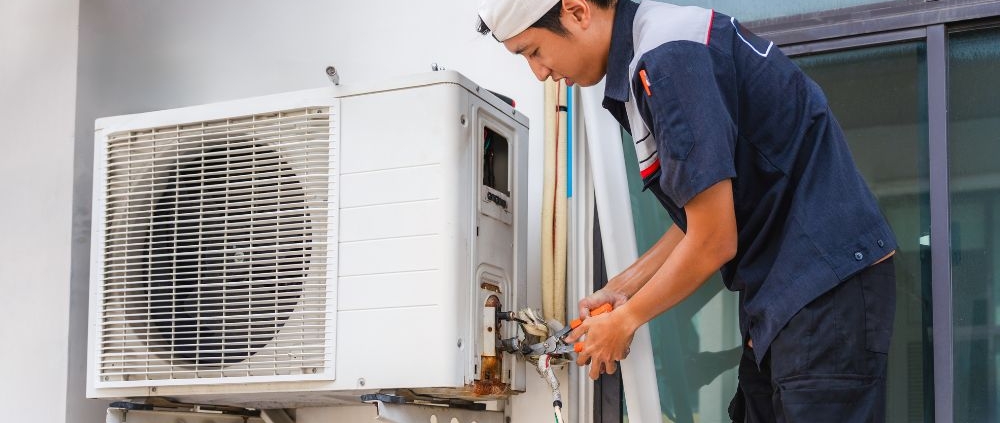
Do You Tip AC Repair Guy
Hiring an HVAC professional to repair or service an air conditioning unit is a common home maintenance activity. Many homeowners wonder whether it is appropriate to tip an AC repair technician. Understanding industry practices, service types, and expectations can help homeowners make informed decisions.
Standard Practices in the HVAC Industry
Tipping is not a mandatory requirement in the HVAC industry. Unlike restaurant or hospitality services, HVAC technicians typically earn a fixed hourly rate or salary. Their payment includes labor, service fees, and sometimes travel costs. Therefore, customers are not obligated to provide a tip for routine repairs or maintenance.
Many HVAC companies have policies regarding gratuity. Some explicitly request that customers do not tip, while others leave the decision to the homeowner. It is advisable to check with the company if unsure. Even without a tip, showing appreciation through polite acknowledgment or positive reviews is common and valued.
When Tipping May Be Appropriate
Tipping may be considered in certain situations. For example, if the technician goes above and beyond, such as completing emergency repairs outside of regular hours, providing extra service, or handling complex problems efficiently, a tip can be a way to show gratitude.
The amount of the tip varies depending on the service complexity, location, and duration. Typical tips range from $10 to $50 per service call. For extensive repair work that takes several hours, tipping may be adjusted proportionally. In some cases, homeowners offer beverages or snacks as a gesture of appreciation instead of cash.
Alternatives to Tipping
Homeowners can also show appreciation through non-monetary methods. Leaving a positive online review or providing a written recommendation benefits the technician’s professional reputation. Some companies offer referral programs or customer loyalty incentives, which can indirectly reward the technician’s service.
Expressing gratitude verbally is also effective. Clear communication, polite interaction, and acknowledgment of the technician’s efforts contribute to a positive customer-service relationship. Maintaining a good rapport can also ensure priority scheduling for future service needs.
Factors That Influence Tipping Decisions
Several factors influence whether homeowners choose to tip. The type of service, emergency versus scheduled maintenance, and quality of work all play a role. Regional practices and cultural norms may also affect expectations. For example, in some areas, tipping service technicians is more common, while in others, it is rare.
The complexity of the repair can also matter. Replacing a compressor or condenser may take several hours, require technical skill, and involve handling expensive components. In such cases, a tip may be considered appropriate as recognition for professional expertise.
FAQ
Is tipping an AC repair technician required?
No, tipping is not required. HVAC technicians are typically paid through service fees and hourly rates.
How much should I tip an AC repair guy?
If tipping, amounts usually range from $10 to $50 per service call, depending on complexity and service quality.
Should I tip for emergency repairs?
Tipping for emergency or after-hours service is common and appreciated but still optional.
Can I show appreciation without tipping?
Yes, positive reviews, verbal thanks, or small gestures like providing refreshments are effective alternatives.
Do HVAC companies allow tipping?
Policies vary. Some companies discourage tipping, while others leave it to the customer’s discretion.
Conclusion
Tipping an AC repair technician is not required, but it is a way to show appreciation for exceptional service. Standard service fees and hourly rates compensate most technicians, and gratuity is optional. When tipping, amounts typically range from $10 to $50 depending on service complexity and duration. Homeowners can also express gratitude through positive reviews, verbal thanks, or small gestures. Understanding industry norms and company policies helps homeowners decide when and how to tip, ensuring respectful and professional interactions with HVAC service providers.