

How to Keep Your AC Running Smoothly All Summer in 7 Tips
Keeping your air conditioner in top condition is essential for comfort and efficiency during hot months. Proper maintenance ensures consistent cooling, lower energy bills, and a longer lifespan for your system. This guide explains how to keep your AC running smoothly and avoid common issues.
You can find your best AC repair Expert.
Regular Filter Cleaning and Replacement
Air filters trap dust, pollen, and other particles. Dirty filters reduce airflow and strain the system. Replace standard filters every 30–60 days. High-efficiency filters may last up to 90 days. Cleaning or replacing filters improves airflow, maintains cooling efficiency, and reduces energy consumption. This is a fundamental step in learning how to keep your AC running smoothly all summer.
Inspect and Clean Coils
Evaporator and condenser coils collect dirt over time. Dirty coils reduce heat absorption and make the system work harder. Inspect coils at least once per season. Use a soft brush or coil cleaner to remove debris. This process maintains cooling capacity and efficiency. Regular coil maintenance is key to keeping your AC running smoothly all summer.
Maintain Proper Refrigerant Levels
Refrigerant absorbs heat and cools the air. Low refrigerant levels indicate leaks or undercharging. A certified technician should check and refill refrigerant annually. Correct refrigerant levels prevent compressor damage and ensure efficient cooling. Proper refrigerant management supports keeping your AC running smoothly all summer.
Keep the Area Around the AC Clear
Outdoor units need proper airflow to function efficiently. Remove leaves, debris, and any objects within two feet of the unit. Trim plants and shrubs to avoid airflow restriction. This simple step prevents overheating and improves system performance. Maintaining clear space helps in ensuring your AC runs smoothly throughout the summer.
Schedule Professional Maintenance
Annual professional inspections identify potential problems before they worsen. Technicians check electrical connections, refrigerant levels, and mechanical components. They also clean and lubricate moving parts. Regular service reduces breakdown risks and extends the lifespan of the AC. Professional attention is essential for learning how to keep your AC running smoothly all summer.
Monitor Thermostat Settings
Thermostat use affects energy consumption and system wear. Keep the temperature steady, ideally between 72–78°F. Avoid frequent adjustments. Smart thermostats can optimize cooling patterns based on your schedule. Consistent temperature management supports energy efficiency and system longevity.
Use Energy-Efficient Practices
Close windows and doors to prevent warm air entry. Use shades or blinds to limit heat gain. Ceiling fans can improve circulation, allowing higher thermostat settings. Energy-efficient habits reduce system workload and save electricity. Combining these practices contributes to keeping your AC running smoothly all summer.
FAQ
Q: How often should I replace my AC filter?
A: Standard filters should be replaced every 30–60 days. High-efficiency filters may last up to 90 days.
Q: Can I clean the coils myself?
A: Minor debris can be removed with a soft brush. For deep cleaning, a professional should handle coil maintenance.
Q: How do I know if my refrigerant is low?
A: Signs include weak cooling, ice on coils, or higher energy bills. A certified technician can test levels and refill if needed.
Q: Is professional maintenance necessary every year?
A: Yes. Annual inspections reduce the risk of breakdowns and extend AC lifespan.
Q: Can small habits really improve AC efficiency?
A: Yes. Keeping doors closed, using blinds, and using fans can significantly reduce system workload.
Conclusion
Ensuring your air conditioner operates efficiently requires consistent maintenance and careful monitoring. Cleaning filters, inspecting coils, maintaining refrigerant, clearing the area around the unit, scheduling professional service, managing thermostat settings, and practicing energy efficiency all play a critical role. Implementing these measures provides reliable cooling, reduces energy costs, and extends the lifespan of your system. Following these steps helps any homeowner understand how to keep your AC running smoothly all summer.
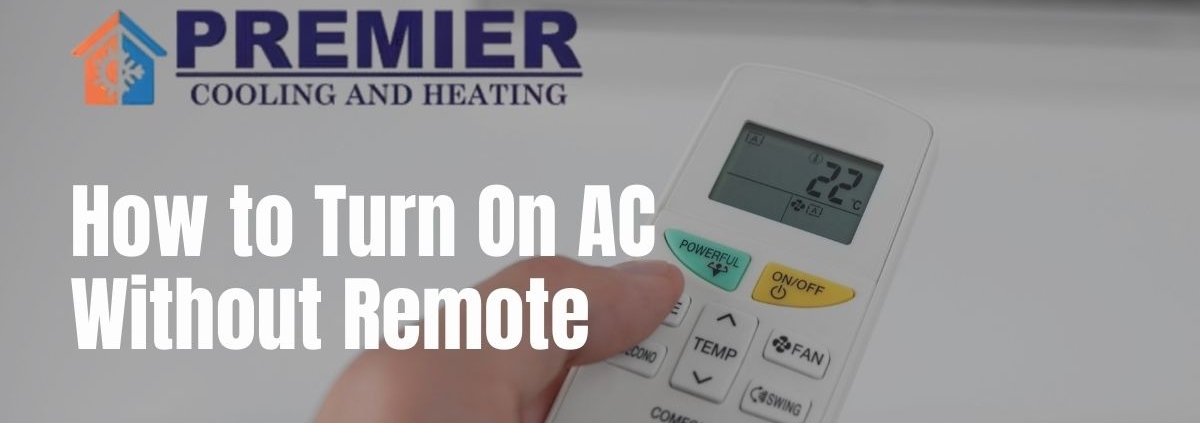
How to Turn On AC Without Remote: 5 Easy Methods
Air conditioners depend on remote controls for daily operation. When the remote is lost, damaged, or out of battery, the unit can still function. This guide explains how to ac on without remote using safe and practical methods. The information applies to split AC units, window AC units, and portable air conditioners from common brands such as LG, Samsung, Daikin, Voltas, and Panasonic. Each method is based on standard AC design and control systems.
Understanding AC Controls Without a Remote
Most air conditioners include built-in control options. These controls allow basic operations such as power on, mode change, and temperature adjustment. The internal control board receives signals from buttons, sensors, or external devices. Knowing these options helps users understand how to ac on without remote without damaging the unit.
Using the Manual Power Button on the AC Unit
Most split and window AC units include a manual power button. This button is usually located behind the front panel or near the air filter area. Pressing this button turns the AC on in default mode. The default setting is commonly cooling mode at 24°C. This method works when learning how to ac on without remote for immediate cooling needs.
Using a Smartphone With an IR Blaster
Many smartphones include an infrared blaster. Brands such as Xiaomi, Huawei, and older Samsung models support this feature. An IR blaster sends the same signal as a physical remote. Users can install an AC remote app and select the AC brand. This method allows temperature control and mode selection. It is a reliable solution for how to ac on without remote when manual control is limited.
Using a Universal AC Remote
Universal remotes are designed to work with multiple AC brands. These remotes are available online and in electronics stores. They operate by scanning compatible frequency codes. Once paired, they provide full control. Universal remotes support cooling, fan speed, and timer functions. This is a common long-term solution for how to ac on without remote.
Using the AC Timer or Auto-Restart Feature
Some air conditioners include an auto-restart or timer feature. After a power cut, the AC restarts with the last saved settings. This feature depends on the control board design. Timer settings can also turn the AC on at a fixed time. This method helps users understand how to ac on without remote without physical interaction.
Using a Smart Plug or Smart AC Controller
Smart plugs and Wi-Fi AC controllers connect to the power source or internal wiring. These devices allow control through a mobile app. Smart controllers support temperature settings, modes, and schedules. This solution is compatible with smart home systems such as Google Home and Alexa. It provides a modern approach to how to ac on without remote.
Safety and Usage Considerations
Manual and external control methods should not involve opening internal wiring. Electrical components operate at high voltage, typically 220–240 volts. Incorrect handling can cause damage or safety risks. Manufacturer guidelines should always be respected. Using approved accessories ensures stable operation.
FAQ
Can an AC work without a remote?
Yes. Most AC units can operate using manual buttons, smart controllers, or universal remotes.
Where is the manual button on an AC?
The manual button is usually behind the front panel or near the air filter area.
Does every smartphone support AC control?
No. Only phones with an IR blaster can control AC units directly.
Will the AC remember previous settings?
Many modern AC units include an auto-restart feature that restores the last settings after power is restored.
Is it safe to use a universal remote?
Yes. Universal remotes are designed to work within standard AC signal ranges.
Conclusion
Knowing how to ac on without remote helps maintain comfort during unexpected situations. Manual buttons, smartphones, universal remotes, timers, and smart controllers provide reliable alternatives. These methods work across most AC types and brands. Using safe and approved solutions ensures proper operation and long-term performance.
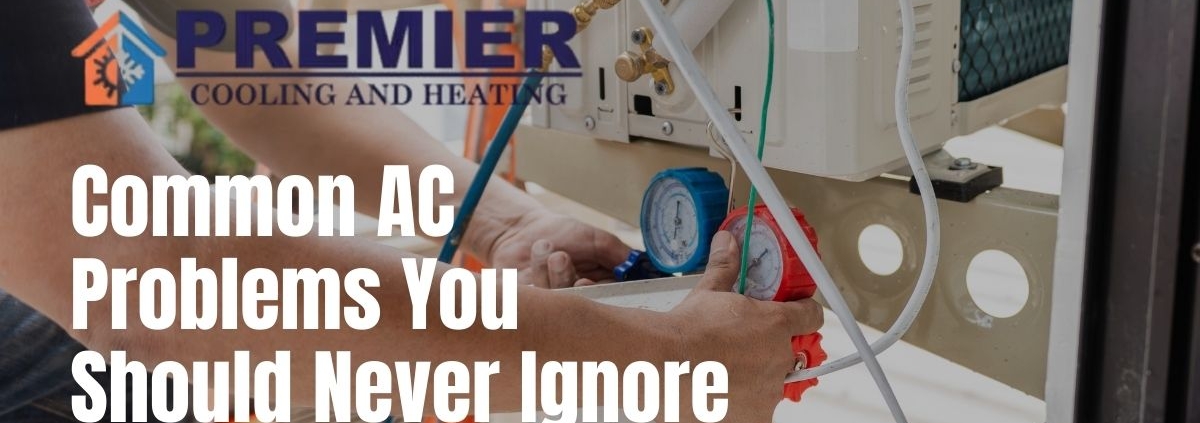
Common AC Problems You Should Never Ignore
Air conditioning systems are essential for maintaining comfortable indoor environments. Regular maintenance can extend their lifespan and improve efficiency. However, ignoring certain issues can lead to higher energy costs, system damage, or complete failure. Understanding common air conditioner problems helps homeowners take timely action and avoid costly repairs.
Inadequate Cooling
One of the most common AC problems is inadequate cooling. This occurs when the system fails to maintain the desired indoor temperature. Several factors can cause this issue. Low refrigerant levels, clogged air filters, or dirty coils reduce cooling efficiency. Additionally, improper thermostat settings or a malfunctioning compressor can prevent the AC from reaching the set temperature. Ignoring inadequate cooling can strain the system and increase electricity usage.
Unusual Noises
Strange noises from an air conditioner indicate mechanical issues. Common sounds include rattling, buzzing, or grinding. Loose parts, worn-out motors, or debris in the system can create these sounds. A grinding noise may suggest a failing compressor, while a rattling sound can indicate loose components in the ductwork. Ignoring unusual noises can result in severe mechanical failure and expensive repairs.
Water Leaks
Water leaks in air conditioning systems are often caused by blocked drainage lines or frozen evaporator coils. Leaks can damage walls, flooring, and furniture if left unattended. Condensation should normally drain through the system’s condensate line. If the line is clogged, water can accumulate and overflow. Detecting leaks early prevents structural damage and mold growth.
Frequent Cycling
AC units should run for consistent periods to maintain temperature efficiently. Frequent cycling, where the system turns on and off rapidly, indicates underlying problems. Causes may include thermostat issues, refrigerant leaks, or improper sizing of the unit. Rapid cycling increases wear on components and raises energy bills. Ignoring this issue reduces system longevity and efficiency.
Foul Odors
Air conditioners can produce unpleasant odors if bacteria, mold, or mildew develop inside the system. This commonly occurs in ducts, evaporator coils, or filters. A musty smell may indicate mold growth, while a burning odor could signal electrical issues. Foul odors not only affect indoor air quality but can also indicate a safety risk. Timely cleaning or part replacement is necessary to prevent further problems.
High Energy Bills
A sudden increase in energy costs can indicate AC problems. Reduced efficiency, blocked airflow, or mechanical wear can force the system to work harder. Units with low refrigerant levels or dirty coils consume up to 30% more electricity than normal. Monitoring energy consumption helps detect issues early and reduces unnecessary expenses.
Frozen Coils
Frozen evaporator coils prevent the system from cooling effectively. Causes include restricted airflow, low refrigerant, or dirty coils. Ice formation can damage the compressor and other components. Regular inspections and filter replacements prevent coil freezing and ensure optimal performance.
Frequent Breakdowns
Repeated AC breakdowns are a clear sign of serious underlying problems. Aging units, lack of maintenance, or mechanical failure contribute to frequent issues. Ignoring recurring breakdowns reduces efficiency and can result in complete system failure. Timely intervention or replacement ensures continuous cooling and safety.
FAQ
Q1: How often should I service my AC?
Regular servicing every 6 to 12 months keeps the system efficient and prevents common problems.
Q2: Can low refrigerant harm my AC?
Yes. Low refrigerant reduces cooling efficiency and strains the compressor, potentially causing failure.
Q3: Why does my AC leak water?
Leaks are usually caused by clogged drainage lines or frozen evaporator coils. Prompt cleaning prevents water damage.
Q4: Are strange noises dangerous for my AC?
Yes. Unusual noises often indicate mechanical issues that can lead to costly repairs if ignored.
Q5: How can I prevent frozen coils?
Maintaining clean filters, proper airflow, and correct refrigerant levels prevents coil freezing.
Conclusion
Air conditioning problems can affect comfort, safety, and energy costs. Issues such as inadequate cooling, water leaks, strange noises, and frequent cycling should never be ignored. Regular maintenance, timely inspections, and immediate repair of detected problems extend the lifespan of the system. Homeowners should monitor performance indicators such as energy consumption, airflow, and unusual odors to ensure the AC functions efficiently. Addressing problems early prevents damage, reduces repair costs, and maintains a healthy indoor environment.