
How Long Does AC Repair Take
Air conditioning repair is an essential service to restore comfort in homes and businesses. The time required for AC repair depends on several factors, including the type of problem, the system size, and the availability of parts. Understanding these factors helps homeowners plan and manage expectations during the repair process.
Factors Affecting AC Repair Time
The type of issue is the primary factor affecting repair duration. Simple problems, such as replacing air filters, cleaning coils, or fixing a thermostat, may take one to two hours. These repairs are straightforward and usually completed in a single visit by a licensed HVAC technician.
More complex issues, like refrigerant leaks or compressor failure, take longer to diagnose and repair. Detecting and repairing a refrigerant leak may require several hours, as the technician must locate the leak, repair it, and recharge the system with the correct refrigerant. The time can range from two to five hours depending on the leak’s location and severity.
Compressor or condenser problems may take an entire day. Replacing a compressor involves shutting down the system, removing the old unit, installing a new compressor, and testing the system. These repairs often require multiple technicians and specialized equipment.
Size and Type of AC System
The size of the property and type of AC system also affect repair time. Central air conditioning systems serving large homes or commercial buildings usually take longer to repair due to more extensive ductwork and larger components. Window units or ductless mini-split systems are smaller and simpler, often repaired within one to three hours.
Older units may also require more time. Components may be worn or obsolete, making diagnosis and replacement more challenging. Newer systems typically allow quicker access to parts and easier repairs.
Parts Availability
The availability of replacement parts can significantly impact repair duration. Standard parts such as filters, capacitors, and thermostats are usually in stock and allow immediate repair. Specialty parts, like specific compressors or circuit boards, may need to be ordered, adding several days or even a week to the repair process. Planning for parts availability ensures minimal disruption to cooling.
Scheduling and Technician Availability
Repair time can also depend on the scheduling and availability of HVAC professionals. Emergency repairs may be completed faster, while non-urgent repairs may be scheduled days in advance. Some HVAC companies offer same-day service for common issues, but complex repairs may require multiple visits.
Maintenance to Prevent Lengthy Repairs
Regular maintenance reduces the likelihood of extensive repairs. Annual inspections, cleaning coils, checking refrigerant levels, and replacing filters keep the system efficient and help identify small issues before they become major problems. Well-maintained systems are easier to repair and generally require less time.
FAQ
How long does a simple AC repair take?
Minor repairs, such as cleaning filters or fixing a thermostat, usually take one to two hours.
How long does it take to repair a refrigerant leak?
Repairing a refrigerant leak can take two to five hours depending on the leak’s location and severity.
Do large AC systems take longer to repair?
Yes, central AC systems serving large homes or commercial buildings often take longer due to more extensive components and ductwork.
What if the required parts are not in stock?
If specialty parts are needed, repair can be delayed by several days until parts arrive.
Can maintenance reduce repair time?
Yes, regular maintenance helps identify issues early and ensures components are in good condition, reducing repair duration.
Conclusion
The time required for AC repair varies depending on the type of problem, system size, parts availability, and technician scheduling. Simple repairs may be completed in one to two hours, while complex issues like refrigerant leaks or compressor replacement can take a full day or longer. Regular maintenance helps prevent extensive repairs and ensures faster resolution when problems occur. Understanding these factors allows homeowners to manage expectations, plan for downtime, and maintain a comfortable indoor environment during hot weather.
Why Is My AC Not Blowing Cold Air
An air conditioning unit not blowing cold air can be frustrating, especially during hot weather. There are several reasons why an AC may fail to cool properly. Understanding the causes helps homeowners identify problems and take corrective action.
Common Causes of AC Not Blowing Cold Air
One of the most common reasons is low refrigerant levels. Refrigerant is the chemical that absorbs heat from the indoor air and releases it outside. If the refrigerant leaks or is insufficient, the AC cannot cool effectively. Signs of low refrigerant include ice formation on the evaporator coil and reduced airflow.
Dirty or clogged filters can also reduce cooling performance. Air filters trap dust, dirt, and debris, preventing them from entering the system. Over time, a blocked filter restricts airflow and reduces the unit’s efficiency, causing warm air to blow instead of cold. Filters should be inspected and replaced every 1 to 3 months depending on usage.
Another possible cause is a malfunctioning compressor. The compressor circulates refrigerant through the system, and if it fails, the AC cannot cool the air. Compressor issues may result from electrical problems, mechanical failure, or wear and tear.
Problems with the condenser coil can also lead to warm air. The condenser releases heat from the refrigerant, and if it is dirty or blocked, heat cannot escape efficiently. This reduces the system’s ability to cool the indoor air.
Thermostat issues may prevent proper cooling. If the thermostat is not calibrated or is malfunctioning, the AC may not turn on or maintain the desired temperature. Checking the thermostat settings and batteries can resolve some of these problems.
Electrical issues, such as tripped breakers or faulty wiring, can also affect cooling. If the AC unit does not receive sufficient power, it may run but fail to cool the air effectively.
How to Troubleshoot AC Problems
Start by inspecting the air filter and replacing it if necessary. Clean debris around the condenser unit to ensure proper airflow. Check the thermostat settings and make sure it is set to “cool” mode with the desired temperature.
If the AC still does not blow cold air, low refrigerant levels or compressor issues may be the cause. These problems require professional inspection and repair. Attempting to handle refrigerant or electrical components without training can be dangerous.
Regular maintenance is essential to prevent cooling problems. Scheduling annual inspections with a licensed HVAC technician helps identify issues early and ensures the system operates efficiently.
Energy Efficiency Considerations
AC units with poor cooling performance may use more electricity, increasing utility bills. Ensuring the system is clean, properly charged with refrigerant, and functioning correctly improves efficiency. Higher SEER-rated units (Seasonal Energy Efficiency Ratio) consume less electricity while providing effective cooling.
Upgrading older systems can also help. Units older than 10-15 years may lose efficiency and struggle to cool adequately. Newer models offer improved energy performance and reliable cooling.
FAQ
Why is my AC blowing warm air?
Warm air can result from low refrigerant, dirty filters, faulty compressor, blocked condenser, or thermostat issues.
Can I fix low refrigerant myself?
No, refrigerant handling requires a licensed HVAC technician due to safety and environmental regulations.
How often should I replace my AC filter?
Filters should be replaced every 1 to 3 months depending on usage and air quality.
Can electrical issues cause warm air from AC?
Yes, tripped breakers or faulty wiring can prevent the AC from cooling properly.
Is it normal for an AC to lose cooling over time?
Older systems may become less efficient. Regular maintenance helps maintain performance, but units older than 10-15 years may require replacement.
Conclusion
An AC not blowing cold air can be caused by low refrigerant, dirty filters, compressor failure, blocked condenser coils, thermostat issues, or electrical problems. Inspecting filters, cleaning the unit, and checking thermostat settings can resolve minor issues. More complex problems require professional attention. Regular maintenance improves efficiency, reduces energy costs, and ensures consistent cooling. Understanding the causes of warm air helps homeowners take timely action and maintain a comfortable indoor environment.
Does AC Use Gas
Air conditioning systems are common in homes and businesses, providing cool air during hot weather. Many people wonder if an AC unit uses gas to operate. Understanding how air conditioners work and the types of energy they require can clarify this question.
How Air Conditioners Work
Most modern air conditioning units use electricity to function. The system removes heat from indoor air and releases it outside using a refrigerant. The refrigerant is a chemical that absorbs heat at low pressure and releases it at high pressure. Common refrigerants include R-410A and R-32.
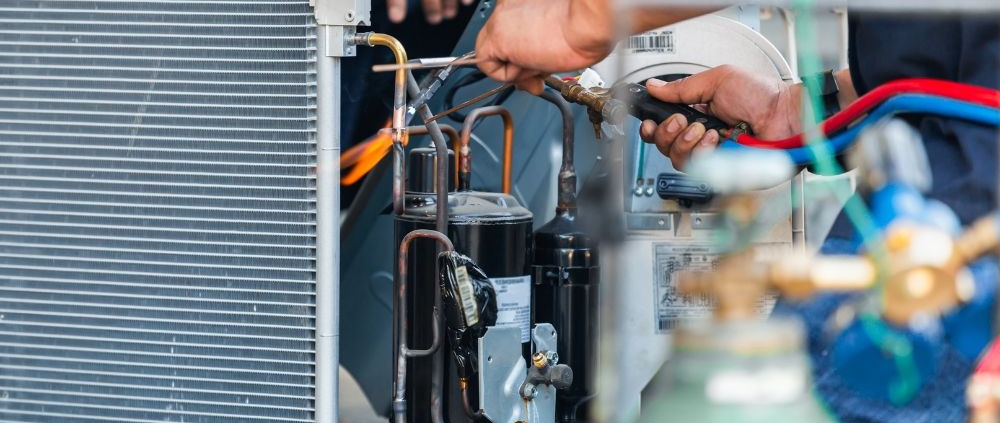
The main components of an AC unit include the compressor, condenser, evaporator coil, and expansion valve. The compressor compresses the refrigerant and circulates it through the system. The evaporator coil absorbs heat from indoor air, and the condenser releases the heat outside. The expansion valve regulates the flow of refrigerant. All of these processes are powered by electricity, not natural gas.
Types of AC Systems
Central air conditioning, window units, and ductless mini-split systems all primarily use electricity. However, some HVAC systems are combined with gas-powered furnaces. These systems use electricity for cooling but rely on natural gas for heating. This setup is common in homes with forced-air heating systems where one unit provides both heating and cooling functions.
Gas-powered air conditioners do exist but are less common. These systems, called absorption or gas engine AC units, use natural gas to power a generator or an absorption cycle that cools the air. They are typically used in large commercial or industrial applications where electricity supply is limited or where combined heat and power is desired. Residential AC units rarely use gas for cooling.
Energy Efficiency and Costs
Electric AC units are rated by their Seasonal Energy Efficiency Ratio (SEER), which measures cooling output compared to electricity usage. Higher SEER units are more efficient and reduce energy costs. Gas-powered AC systems are evaluated using different metrics, including Coefficient of Performance (COP) and overall energy consumption.
In residential settings, using electricity for air conditioning is more common due to accessibility, ease of installation, and cost-effectiveness. Gas-powered cooling units are usually more expensive upfront and require specialized installation and maintenance.
Environmental Considerations
Electric AC units do not directly burn fossil fuels, but the electricity they use may come from gas, coal, or renewable sources depending on the region. Gas-powered AC units release carbon dioxide and other emissions during operation, making them less environmentally friendly than electric systems in most cases.
Choosing a high-efficiency electric AC reduces energy consumption and lowers greenhouse gas emissions, especially if the electricity is sourced from renewable energy. Proper maintenance of refrigerant lines and insulation also improves efficiency and reduces environmental impact.
FAQ
Does a typical home AC use gas?
No, most residential air conditioners use electricity to power the compressor, fans, and other components.
Can AC run on natural gas?
Yes, gas-powered AC units exist, but they are rare and mainly used in commercial or industrial settings.
Do gas furnaces work with AC?
Homes with gas furnaces may have central AC units that use electricity for cooling while the furnace uses gas for heating.
Are gas-powered AC units efficient?
They can be efficient in certain applications, but they are generally more expensive and less common than electric units for homes.
What refrigerants do AC units use?
Common refrigerants include R-410A, R-32, and R-22 in older units, which absorb and release heat in the cooling process.
Conclusion
Most air conditioning units do not use gas to operate. They rely on electricity to power the compressor, fans, and refrigerant circulation. While gas-powered AC units exist, they are uncommon and typically reserved for industrial or commercial use. Residential systems may combine gas furnaces with electric cooling, using gas only for heating. Choosing energy-efficient electric AC units ensures effective cooling, lower costs, and reduced environmental impact. Understanding the energy source of your AC unit helps homeowners make informed decisions about installation, maintenance, and overall energy use.
Get your best AC Repair platform.