
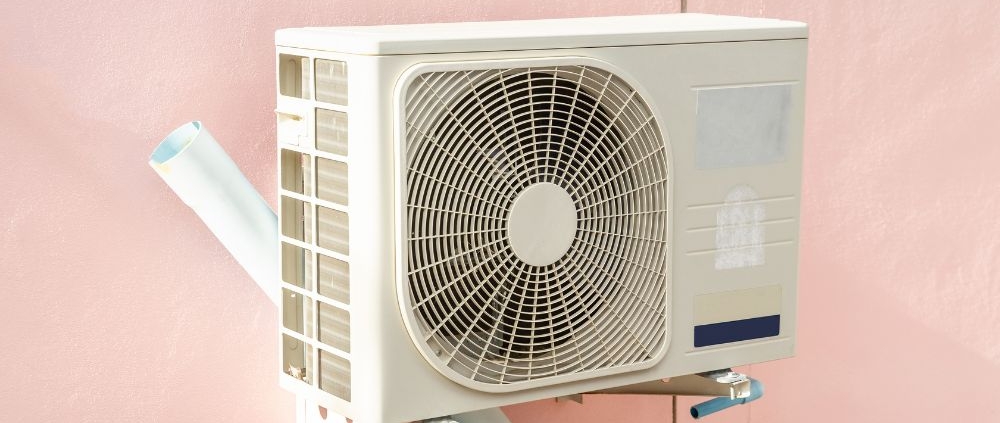
How to Reset AC Unit
Resetting an air conditioning unit can resolve minor operational issues, electrical glitches, or system errors. AC units have safety features that may shut down the system to prevent damage. Understanding the correct reset procedures ensures that the unit operates efficiently without causing harm to the electrical system or internal components.
Reasons to Reset an AC Unit
AC units may need a reset for several reasons. Power surges or outages can cause the system to stop functioning properly. Some units have internal circuits that shut down automatically when overheating or detecting irregular voltage.
Other causes include tripped circuit breakers, clogged filters, or frozen coils. In many cases, a reset restores normal operation without the need for professional repair. However, recurring issues may indicate a more serious problem that requires inspection by a certified technician.
How to Reset a Central AC Unit
For central air conditioning systems, resetting the unit involves several steps. First, turn off the thermostat and set it to the off position. Next, switch off the main power supply at the circuit breaker or disconnect the AC unit’s power switch.
Wait approximately 30 seconds to one minute before restoring power. This allows the system’s internal components to discharge and reset. Turn the power back on, and set the thermostat to the desired temperature. The AC should begin normal operation within a few minutes.
Some central AC systems have a reset button on the outdoor condenser unit. This button can be pressed after turning off the unit’s power supply. Hold it for a few seconds and release it. Once the system is powered back on, the AC should function normally if the issue was minor.
How to Reset a Window or Portable AC Unit
Window and portable AC units often include a reset button or power cycle procedure. Begin by turning off the unit and unplugging it from the electrical outlet. Wait at least five minutes to allow internal components to reset.
Press the reset button if available. Some models may require holding the button for three to ten seconds. Plug the unit back in and turn it on. Check for proper cooling operation and ensure that the fan and compressor are running smoothly.
Regular maintenance, such as cleaning the air filters and vents, can prevent the unit from requiring frequent resets. Clogged filters and blocked airflow can cause the system to overheat and trigger safety shutdowns.
Precautions When Resetting an AC Unit
Safety is critical when working with electrical systems. Always turn off the power supply before pressing reset buttons or unplugging the unit. Avoid touching internal components inside the AC, as capacitors may retain electrical charge even after power is disconnected.
Do not reset the unit repeatedly if it does not start. Recurrent shutdowns may indicate a mechanical or electrical fault, such as a failing compressor, low refrigerant levels, or a damaged thermostat. In such cases, professional inspection is necessary to prevent further damage.
FAQ
How long does it take for an AC unit to reset?
Typically, 30 seconds to five minutes is sufficient for the internal components to reset. Window units may require slightly longer waiting periods.
Can resetting my AC unit fix all problems?
No. Resetting addresses minor electrical glitches or tripped safety features. Mechanical failures or refrigerant issues require professional repair.
Is it safe to reset the AC during a power surge?
No. Wait until the power supply stabilizes. Frequent power fluctuations can damage electrical components.
Do all AC units have a reset button?
Not all. Many central AC systems rely on power cycling via the circuit breaker. Window and portable units often include a dedicated reset button.
Should I reset the thermostat as well?
Yes. Turning off the thermostat and setting it back to the desired temperature ensures that the unit receives proper operational signals after a reset.
Conclusion
Resetting an AC unit can resolve minor malfunctions, electrical errors, or tripped safety features, restoring normal operation. The process varies depending on whether the unit is central, window, or portable. Essential steps include turning off the power supply, pressing the reset button if available, and waiting for internal components to reset. Precautions such as disconnecting power and avoiding repeated resets prevent damage to the system. Regular maintenance, including cleaning filters and vents, reduces the need for frequent resets. Understanding the correct reset procedures ensures a safe, efficient, and effective cooling system, extending the life of the air conditioning unit and maintaining comfort inside the home.
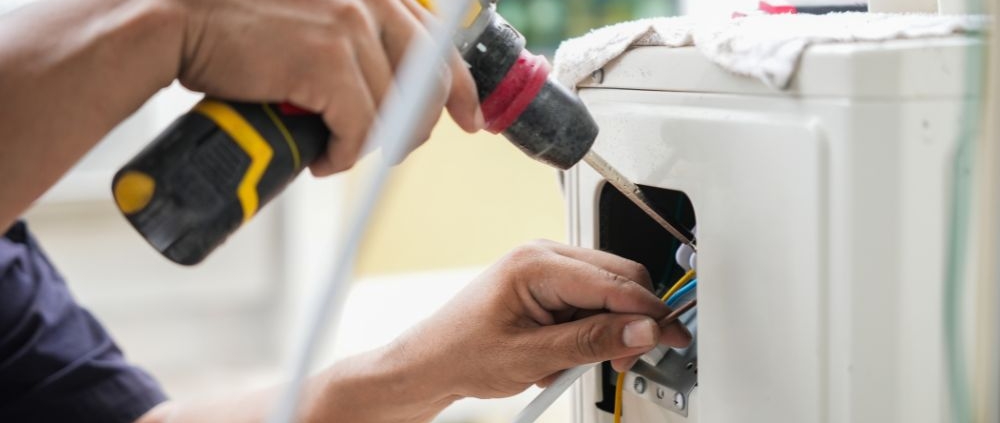
How to Remove Smell from Car AC
A smelly car air conditioning system can make driving uncomfortable and affect air quality inside the vehicle. Odors often originate from mold, mildew, bacteria, and accumulated debris in the AC system, especially on the evaporator coils and air ducts. Understanding the causes and proper cleaning methods ensures a fresh-smelling and hygienic environment inside the car.
Common Causes of Car AC Smell
The primary source of unpleasant odors in car AC systems is moisture accumulation. The evaporator coil inside the AC absorbs heat from the cabin, producing condensation. This moisture can become a breeding ground for mold and bacteria, which release a musty smell when air passes through the system.
Other causes include dust, pollen, leaves, and debris trapped in air vents, cabin filters, and ductwork. Spilled food, pet hair, or smoking inside the car can also contribute to persistent odors. Lack of regular maintenance allows these contaminants to accumulate, intensifying the smell over time.
Cleaning the Cabin Air Filter
The cabin air filter traps dust, pollen, and airborne particles before air enters the cabin. Over time, the filter can harbor bacteria and mold, producing foul odors. Replacing or cleaning the cabin air filter every 12,000 to 15,000 miles ensures that fresh air circulates inside the vehicle.
Filters are usually accessible behind the glove compartment or under the dashboard. Remove the old filter and inspect it for dirt, mold, or dampness. A replacement filter with anti-microbial properties can reduce the risk of odors returning.
Cleaning the AC Vents and Ducts
Cleaning the air vents and ducts eliminates residual dust and mold. Use a soft brush or compressed air to remove debris from vent openings. Special AC cleaning sprays or foams can be applied directly into the vents. These products often contain disinfectants that kill bacteria and neutralize odors.
Ensure the product reaches the evaporator coils, which are located inside the HVAC housing. Running the AC on high fan speed for a few minutes distributes the cleaner throughout the ductwork, helping eliminate trapped contaminants.
Using Disinfectants and Odor Neutralizers
Specialized AC disinfectant sprays are effective at removing bacteria and mold from the system. These sprays often contain chemical agents that eliminate microorganisms and deodorize the air. Use according to the manufacturer’s instructions, typically spraying into the intake vents or cabin filter area.
For persistent odors, placing activated charcoal bags or baking soda inside the car can absorb residual smells. These methods do not clean the system but reduce odor while additional maintenance is performed.
Regular Maintenance to Prevent Odors
Preventing AC odors requires routine maintenance. Running the AC on recirculation mode intermittently allows moisture to evaporate. Leaving the AC on fan-only mode for a few minutes before turning off the engine helps dry the evaporator coil, reducing mold growth.
Keep the car interior clean and free of food particles or trash. Regularly inspect and replace cabin air filters, and ensure drains in the HVAC system are not blocked. These preventive steps maintain a fresh and odor-free environment.
FAQ
Can I use household cleaners in my car AC?
No. Household cleaners may damage the evaporator or ductwork. Use products designed specifically for car AC systems.
Why does my car AC smell musty only when turned on?
This occurs because moisture on the evaporator coil fosters mold and bacteria growth. The smell is released when air passes through the wet coil.
How often should I replace the cabin air filter?
Typically every 12,000 to 15,000 miles, or according to the car manufacturer’s recommendation. High-pollen areas may require more frequent replacement.
Can odors return after cleaning?
Yes. If mold or debris remain inside the ducts or evaporator, odors can reappear. Thorough cleaning and regular maintenance prevent recurrence.
Is it necessary to visit a professional?
For persistent odors or blocked evaporator drains, a professional HVAC cleaning ensures deep cleaning and prevents damage to the system.
Conclusion
Removing smell from a car AC involves cleaning the cabin air filter, vents, and ducts, using disinfectants, and maintaining proper airflow. Moisture accumulation, mold growth, and trapped debris are the primary causes of unpleasant odors. Regular maintenance, including periodic filter replacement, using AC disinfectant sprays, and drying the evaporator coil, keeps the system fresh. Preventive measures such as keeping the interior clean, monitoring the AC drain, and running the fan after driving reduce the likelihood of odors returning. Following these steps ensures that your car’s AC system provides clean, fresh air for a comfortable driving experience.
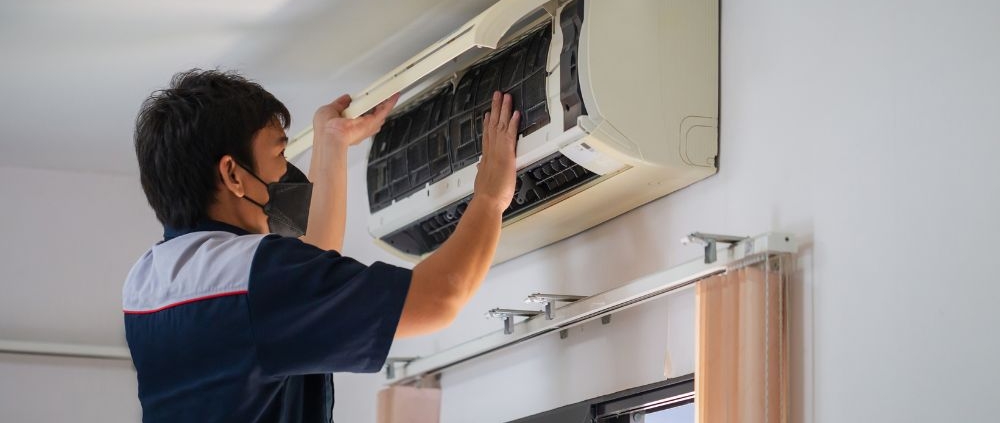
How to Cool House Without AC
Cooling a house without an air conditioner is possible using a combination of passive cooling, airflow management, and heat reduction strategies. Understanding the factors that contribute to indoor heat and applying practical methods can maintain a comfortable environment even during hot weather.
Use Natural Ventilation
Natural ventilation relies on air movement through windows, doors, and vents. Opening windows on opposite sides of the house creates cross-ventilation, allowing hot air to escape and cooler air to enter. Using vents near the floor and ceiling enhances airflow, as warm air rises and exits through higher openings while cooler air enters below.
Ceiling fans, floor fans, and window fans can amplify natural airflow. Fans create a wind-chill effect, making occupants feel cooler even if the indoor temperature remains the same. Strategically positioning fans near open windows can draw in cooler outdoor air at night or push hot indoor air outside during the day.
Block Heat From Entering
Preventing heat from entering the home reduces the need for active cooling. Curtains, blinds, and reflective window films can block direct sunlight. Using light-colored or heat-reflective shades minimizes solar heat gain through windows.
Insulating the attic, walls, and roof decreases heat transfer from the outside. Weatherstripping and sealing gaps around doors and windows prevent warm air infiltration. Planting shade trees or installing awnings outside windows further reduces direct sunlight and keeps the interior cooler.
Optimize Indoor Humidity
High indoor humidity increases the perception of heat. Using dehumidifiers lowers moisture levels, making the air feel cooler and more comfortable. Simple methods like placing buckets of ice in front of fans or using evaporative cooling trays can also reduce indoor heat through moisture evaporation.
Proper ventilation in kitchens and bathrooms removes excess humidity produced by cooking, showering, or laundry. Exhaust fans and open windows help expel warm, moist air quickly.
Create Cool Zones
Designating areas of the house as cool zones allows residents to stay comfortable without cooling the entire home. Lower floors are usually cooler because heat rises. Bedrooms and living areas can be prioritized by using fans or natural ventilation in these spaces.
Sleeping in lightweight, breathable fabrics such as cotton or linen enhances comfort. Using cooling mats or gel pillows provides localized relief from heat during hot nights.
Night Cooling
Outdoor temperatures are often lower at night. Opening windows and doors after sunset can flush out accumulated heat from the day. Closing windows early in the morning helps trap cooler air inside before the outdoor temperature rises.
Ceiling and floor fans can be used to circulate nighttime cool air throughout the house. Combining night ventilation with curtains or blinds during the day maintains cooler indoor temperatures for longer periods.
FAQ
Can I cool my house without electricity?
Yes. Natural ventilation, shading, insulation, and night cooling strategies can reduce indoor temperatures without using electricity.
Do fans really cool a house?
Fans do not lower temperature but increase airflow, creating a wind-chill effect that makes people feel cooler.
Are reflective window films effective?
Yes. Reflective films can block up to 80% of solar heat, reducing indoor temperatures significantly during peak sunlight hours.
Can plants help cool my house?
Yes. Trees, shrubs, and climbing plants provide shade and evapotranspiration, lowering outdoor and indoor temperatures.
Is it safe to sleep with windows open at night?
Yes, if security is considered. Using screens and limiting openings to upper floors or secured areas enhances safety while allowing airflow.
Conclusion
Cooling a house without air conditioning requires managing heat gain, enhancing airflow, and controlling indoor humidity. Using natural ventilation, fans, shading, insulation, and night cooling strategies can significantly reduce indoor temperatures. Creating cool zones, optimizing fabrics and bedding, and implementing simple evaporative methods provide additional comfort. Integrating multiple techniques ensures a cooler living environment while reducing energy consumption and maintaining indoor comfort even during hot weather. Proper planning, strategic airflow, and passive cooling methods make it possible to stay comfortable without relying on mechanical air conditioning.