
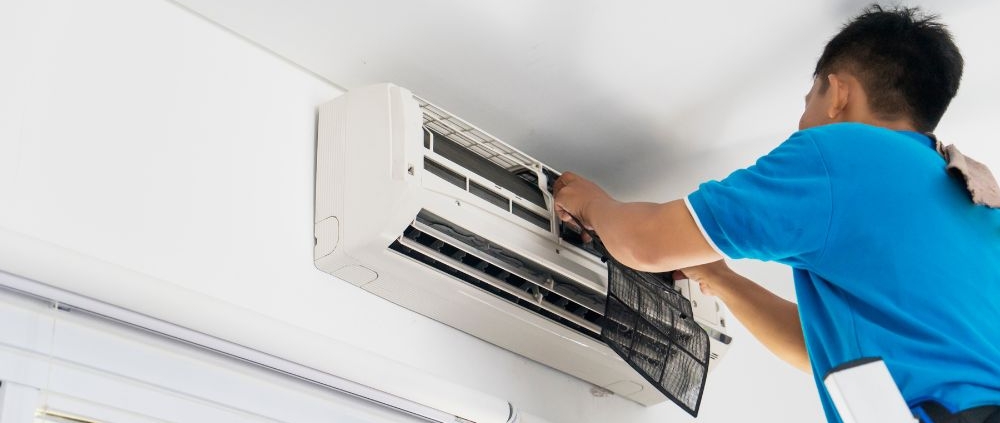
AC Running Constantly Does Not Shut Off When Set Temperature Is Reached
An air conditioning system is designed to maintain indoor comfort by regulating temperature and humidity. Ideally, the AC should cycle on and off to maintain the temperature set on the thermostat. When an AC runs constantly without shutting off even after reaching the desired temperature, it indicates an issue within the system. Continuous operation not only increases energy consumption but can also lead to wear and potential damage to components.
Causes of AC Running Constantly
One common reason for an AC not shutting off is a malfunctioning thermostat. The thermostat is responsible for sensing the indoor temperature and signaling the compressor to turn on or off. If the thermostat is inaccurately reading the room temperature or has a faulty sensor, it may fail to detect that the set temperature has been reached, causing the AC to run continuously.
Another factor is a dirty or clogged air filter. Restricted airflow reduces the AC’s efficiency and prevents proper heat exchange. When air cannot circulate effectively, the system struggles to cool the space, which may lead the compressor to operate continuously in an attempt to reach the set temperature.
Refrigerant issues also play a role. Low refrigerant levels or leaks can reduce the cooling capacity of the system. Without sufficient refrigerant, the AC cannot remove heat from the indoor air efficiently, causing the unit to run longer or constantly to attempt cooling.
Additionally, problems with the compressor or other mechanical components may result in continuous operation. A stuck relay, malfunctioning capacitor, or other electrical faults can prevent the compressor from shutting off. These issues often require professional inspection and repair to avoid further damage.
Improperly sized AC units can also contribute to this problem. An AC that is too small for the space will struggle to reach the set temperature and run continuously, while an oversized system may cycle too quickly. Correct sizing based on square footage, insulation, and climate is crucial for optimal performance.
How to Address the Issue
The first step is to check the thermostat. Ensure it is set to the correct mode, such as cooling mode, and verify that the temperature is accurately set. Cleaning or replacing the thermostat sensor may resolve issues related to incorrect readings. In some cases, upgrading to a programmable or smart thermostat can improve system efficiency.
Inspecting and replacing dirty air filters is another critical step. Filters should be checked at least every three months and replaced if they appear clogged. Clean filters allow proper airflow, improve cooling efficiency, and help the AC cycle normally.
Checking refrigerant levels is essential if the system is not cooling effectively. Low refrigerant requires professional service, as handling refrigerants involves specific safety standards and environmental regulations. Certified technicians can locate leaks, repair them, and recharge the system to optimal levels.
For mechanical or electrical issues, such as a stuck compressor relay or faulty capacitor, professional intervention is necessary. Attempting to repair these components without proper knowledge can result in injury or permanent damage to the AC unit.
Proper maintenance and regular inspection of the entire HVAC system, including ductwork, electrical connections, and outdoor condenser coils, help prevent constant operation. Efficient heat exchange, clean components, and accurate temperature sensing ensure that the AC cycles correctly.
FAQ
Why does my AC run all the time even when it’s cold?
This usually indicates a thermostat malfunction, airflow restriction, or low refrigerant levels. The system is trying to reach the set temperature but cannot detect it properly or cannot cool effectively.
Can a dirty air filter cause the AC to run continuously?
Yes, a clogged air filter restricts airflow and reduces cooling efficiency, which can cause the compressor to operate without shutting off.
Is it safe to let the AC run constantly?
Continuous operation increases energy consumption and can lead to wear on the compressor, fan motors, and other components. It is not recommended.
How can I tell if refrigerant is low?
Signs of low refrigerant include weak airflow, warmer-than-usual air from vents, ice buildup on the evaporator coil, and continuous compressor operation. Professional evaluation is required to measure and recharge refrigerant safely.
Can a thermostat fix the problem?
Replacing or recalibrating a faulty thermostat can resolve issues where the AC does not shut off, especially if it is inaccurately sensing the indoor temperature.
Conclusion
An AC running constantly without shutting off when the set temperature is reached can result from several factors, including thermostat malfunctions, airflow restrictions, low refrigerant, mechanical failures, or improper system sizing. Identifying the underlying cause is crucial to restore proper operation, reduce energy consumption, and prevent damage to the unit. Regular maintenance, including checking filters, inspecting components, and monitoring refrigerant levels, ensures efficient AC performance. In many cases, professional service is required to address electrical or refrigerant-related issues safely and effectively. Ensuring that the AC cycles correctly improves comfort, energy efficiency, and system longevity.

How to Reset AC Compressor
An air conditioning (AC) compressor is a key component that circulates refrigerant through the system. If the compressor stops working, the AC will not cool properly. Resetting the AC compressor can resolve minor issues caused by electrical overloads, tripped circuits, or overheating. Understanding how to safely reset the unit is important for maintaining the efficiency and longevity of the system.
Steps to Reset an AC Compressor
The first step is to turn off the power supply to the AC unit. This can be done by switching off the circuit breaker or disconnecting the main power source. Ensuring that the unit is completely off prevents electrical shock or damage to the system during the reset process.
Next, locate the compressor reset button on the unit. Many AC compressors have a small red or black button, often found on the side or near the service panel. Consult the manufacturer’s manual if the location is unclear. Press the reset button firmly and hold it for approximately 30 seconds. This allows the internal overload protector to reset and clear any temporary faults.
After pressing the button, wait at least five minutes before restoring power. This waiting period ensures that the compressor has cooled down completely. Once the time has passed, turn the circuit breaker or power switch back on. The AC system should resume normal operation if the reset was successful.
In some cases, resetting the compressor may not resolve the issue. Persistent problems may be caused by low refrigerant levels, damaged electrical components, or a faulty compressor. If the AC fails to operate correctly after a reset, professional service is recommended. Certified technicians can perform detailed diagnostics, check refrigerant pressure, and replace any defective parts safely.
Safety Precautions
Resetting an AC compressor involves working with electrical components. Always wear insulated gloves and avoid touching exposed wiring. Ensure that all tools are dry and in good condition. Avoid attempting repairs if you are unfamiliar with electrical systems, as this can result in injury or damage to the AC unit.
It is also important to avoid repeated resets in a short period. Frequent tripping of the compressor indicates an underlying issue that must be addressed. Continuous resetting without identifying the root cause can lead to permanent damage to the compressor or the AC system.
FAQ
How often should an AC compressor be reset?
An AC compressor should only be reset when necessary, such as after an electrical overload or when the unit has overheated. Frequent resets suggest mechanical or electrical issues that require professional attention.
Can I reset the compressor without turning off the power?
No, always turn off the power before attempting a reset. Working on a live AC unit is dangerous and can cause electrical shock or further damage.
What if the reset button is not visible?
Some compressors do not have an accessible reset button. In these cases, turning the AC off for at least 10 minutes can allow the internal overload protector to reset automatically. Consult the user manual for specific instructions.
Will resetting the compressor fix low refrigerant?
No, a reset will not solve issues related to refrigerant levels. Low refrigerant can prevent the AC from cooling effectively and may damage the compressor over time. A certified technician should inspect and recharge the system if needed.
Is it safe to reset the compressor multiple times?
Repeated resets can strain the electrical components and may indicate a more serious problem. If the compressor trips frequently, a professional assessment is recommended to prevent permanent damage.
Conclusion
Resetting an AC compressor is a useful troubleshooting step when the unit stops working due to electrical overloads or temporary faults. The process involves turning off the power, pressing the reset button, and waiting for the system to cool before restoring electricity. Safety precautions, such as wearing insulated gloves and ensuring the power is off, are critical. While a reset can restore functionality in some cases, persistent problems often require professional inspection to address underlying mechanical or electrical issues. Regular maintenance and monitoring of refrigerant levels, electrical connections, and system performance can reduce the likelihood of compressor failures and extend the life of the AC unit.

Why Does My AC Smell
A foul or unusual odor from an air conditioning (AC) unit is a common concern for homeowners. Understanding the sources and causes of AC smells is important for maintaining indoor air quality and ensuring the system functions efficiently. AC odors can range from musty or moldy to chemical or burning smells, each indicating a different issue within the system.
Common Causes of AC Smells
One of the most frequent causes of a bad odor from an AC unit is mold and mildew growth. Moisture collects in the evaporator coil, drip pan, and air ducts over time. When warm air passes through these damp areas, mold spores spread throughout the home, creating a musty smell. High humidity and infrequent filter changes can worsen the problem.
Clogged or dirty air filters also contribute to unpleasant odors. Filters trap dust, pollen, and debris, which can decompose and emit a foul scent if not replaced regularly. AC systems typically require filter changes every 30 to 90 days, depending on usage and air quality conditions.
Another cause is a dirty or blocked condensate drain line. The drain line removes water condensed from indoor air. If it becomes clogged, stagnant water accumulates, promoting bacterial and fungal growth. This often produces a sour or musty odor when the AC runs.
Electrical issues can generate burning smells. Faulty wiring, overheated motors, or failing components can create a distinctive odor similar to burning plastic. These issues require immediate attention to prevent fire hazards and costly repairs.
Gas or chemical odors may indicate refrigerant leaks. Refrigerants, such as R-410A or R-22, have a slight chemical smell when escaping from the system. Low refrigerant levels can also reduce cooling efficiency and strain the compressor, potentially causing further damage.
Dead animals in the ductwork or near the unit can produce strong, unpleasant odors. Rodents, birds, or insects sometimes enter the AC system and decompose, creating a noticeable smell. This requires removal of the animal and sanitizing the affected area to restore air quality.
Preventive Measures
Regular maintenance is key to preventing odors. Cleaning or replacing air filters every 30 to 90 days keeps airflow clear and reduces dust accumulation. Cleaning the evaporator coil and condensate drain line removes trapped moisture, inhibiting mold growth. Professional AC inspections once or twice a year can detect early issues with wiring, refrigerant levels, or duct contamination.
Maintaining proper humidity levels indoors also reduces the likelihood of mold-related odors. Using a dehumidifier or ensuring the AC unit has adequate drainage helps control moisture. Ensuring vents and ducts are sealed prevents outdoor debris and pests from entering the system.
Identifying the Type of Odor
Musty or moldy odors often indicate microbial growth within the system. Sour smells usually point to stagnant water in the condensate drain. Burning odors typically signal electrical problems or overheating components. Chemical or refrigerant odors may indicate a leak. Foul smells from decaying matter suggest animals or pests are present in the ducts. Identifying the specific type of smell can guide appropriate troubleshooting and repair actions.
FAQ
Why does my AC smell when I first turn it on?
When AC units remain off for extended periods, dust and moisture accumulate. Initial operation can release trapped odors.
How can I remove mold smell from my AC?
Cleaning the evaporator coil, drip pan, and air ducts, along with changing air filters, reduces mold-related odors. Professional cleaning may be necessary for severe cases.
Can electrical issues cause AC smells?
Yes, overheating motors, faulty wiring, or burned components can produce burning odors, requiring immediate attention.
Is a refrigerant leak dangerous?
Yes, leaking refrigerants reduce cooling efficiency and may pose health risks if inhaled. Certified technicians should handle leaks.
How often should I clean my AC to prevent odors?
Filters should be replaced every 30 to 90 days. Condensate lines, coils, and ducts should be inspected and cleaned annually.
Conclusion
AC odors can indicate a range of issues, including mold, clogged filters, electrical problems, refrigerant leaks, or pests. Identifying the source of the smell is critical to restoring proper function and maintaining indoor air quality. Regular maintenance, timely filter replacement, and professional inspections help prevent most odor problems. Addressing electrical or refrigerant issues promptly ensures safety and preserves the efficiency of the AC system. Understanding the causes and solutions for AC odors allows homeowners to maintain a clean, safe, and comfortable indoor environment.