
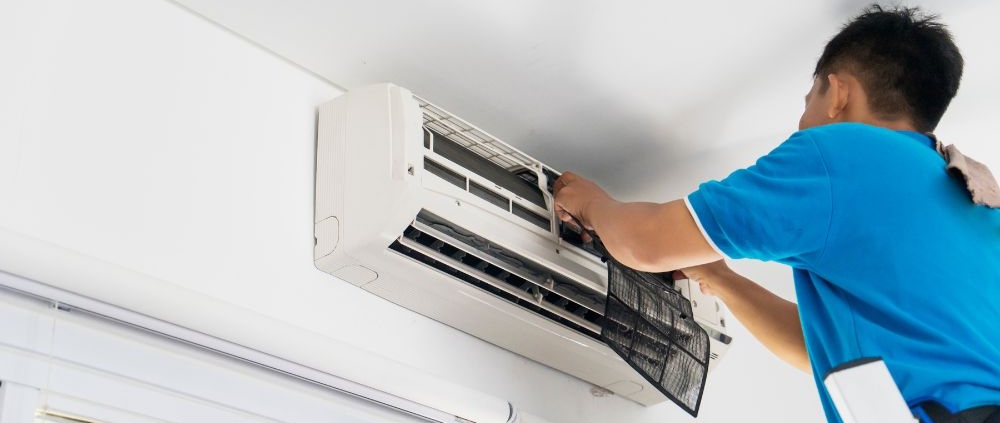
Why Is My AC Not Working
An air conditioning system that stops working can disrupt indoor comfort and indicate underlying issues that require attention. Understanding common causes, troubleshooting steps, and preventive measures helps homeowners restore cooling efficiently and maintain the AC unit’s longevity.
Common Reasons for AC Malfunction
One primary reason an AC may not work is electrical problems. Tripped circuit breakers, blown fuses, or faulty wiring can prevent the system from turning on. Inspecting the electrical panel and resetting breakers may resolve simple issues. Malfunctioning thermostats or disconnected power sources can also interrupt normal operation.
Restricted airflow is another frequent cause. Clogged air filters, blocked vents, or obstructed ductwork reduce air movement over the evaporator coil. Insufficient airflow causes the system to work harder, potentially leading to freezing or shutdown. Cleaning or replacing filters and ensuring vents are open restores proper airflow.
Refrigerant issues affect cooling efficiency. Low refrigerant levels, often caused by leaks, reduce the ability of the system to absorb heat, resulting in warm air output or total system failure. Refrigerant problems require professional service to detect leaks and recharge the system according to manufacturer specifications.
Mechanical or component failures may also lead to an AC not working. The compressor, fan motors, capacitors, or relays can fail due to wear, age, or electrical issues. Lack of proper maintenance accelerates component degradation, increasing the risk of system breakdown.
Environmental factors and user settings can influence AC performance. Extremely high outdoor temperatures, improper thermostat settings, or continuous operation without sufficient cycling may prevent the unit from cooling effectively. Ensuring the thermostat is set correctly and allowing cycling can restore normal function.
Steps to Troubleshoot a Non-Working AC
First, check the thermostat and power supply. Ensure the unit is plugged in, the thermostat is set to the correct mode and temperature, and the circuit breaker is not tripped. Inspect air filters for dirt or clogs and replace if necessary. Verify that vents and registers are open and unobstructed.
Listen for unusual noises from the indoor and outdoor units. Clicking, humming, or rattling sounds can indicate electrical or mechanical issues. Inspect visible components such as fans, capacitors, and wiring for signs of damage or wear. Avoid touching high-voltage components to prevent electrical hazards.
Check for refrigerant-related issues. Warm air blowing from the vents or ice on the evaporator coil may indicate low refrigerant. Only licensed HVAC technicians should handle refrigerant inspection, leak repair, and recharging. Attempting to add refrigerant without certification can cause equipment damage and violate environmental regulations.
Regular maintenance reduces the likelihood of unexpected failures. Cleaning coils, lubricating moving parts, and scheduling annual professional inspections ensure the system operates efficiently and safely. Monitoring energy consumption can also help detect anomalies that indicate system stress or malfunctions.
FAQ
Why is my AC not turning on?
Electrical issues such as tripped breakers, blown fuses, or disconnected power can prevent the unit from starting.
Why is my AC running but not cooling?
This may be caused by low refrigerant, dirty filters, blocked vents, or a malfunctioning compressor.
Can a dirty air filter stop my AC from working?
Yes. Reduced airflow from clogged filters can cause the system to overheat or freeze, leading to shutdown.
When should I call a professional?
Contact a licensed HVAC technician for refrigerant issues, component failures, or persistent problems that do not resolve with basic troubleshooting.
How often should an AC be maintained?
Annual professional inspections and periodic filter replacement every 1-3 months ensure optimal performance and longevity.
Conclusion
An AC not working can result from electrical faults, restricted airflow, low refrigerant, component failures, or improper usage. Initial troubleshooting includes checking power sources, thermostat settings, air filters, and vents. Mechanical or refrigerant-related issues require professional attention. Consistent maintenance, including cleaning, inspection, and timely repairs, prevents common failures and ensures efficient cooling, extending the life of the air conditioning system.
Find your Best AC Repair Service
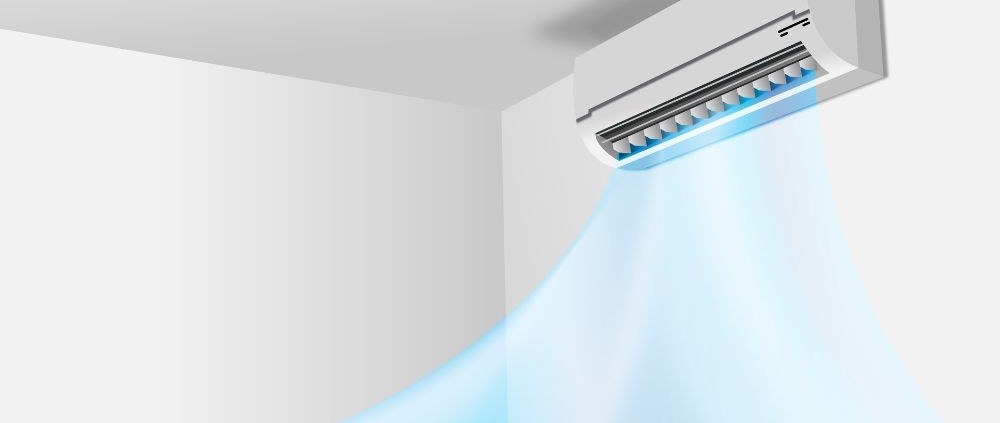
What to Do When Your AC Unit Freezes Up Inside
An air conditioner (AC) freezing up inside the home is a common issue that affects cooling efficiency and can damage the system if not addressed promptly. Ice formation on the evaporator coil, air handler, or ductwork reduces airflow and prevents proper cooling. Understanding the causes and corrective measures is crucial for maintaining indoor comfort and prolonging the lifespan of the AC unit.
Common Causes of Indoor AC Freezing
Freezing occurs when the evaporator coil temperature drops below the freezing point of water, causing condensation to turn into ice. One primary cause is restricted airflow. Dirty or clogged air filters, blocked vents, or closed registers reduce the volume of air passing over the coil. Without sufficient airflow, the coil becomes too cold, leading to ice buildup.
Low refrigerant levels are another significant cause. Insufficient refrigerant reduces pressure in the system, lowering the coil temperature below safe levels. Refrigerant leaks can also lead to uneven cooling and ice formation. Electrical issues, such as malfunctioning fans or blown capacitors, may prevent the blower from circulating air, causing the coil to freeze.
Environmental factors can contribute as well. Extremely low outdoor temperatures during winter can cause certain AC units, especially heat pumps, to accumulate ice inside. Additionally, operating the AC continuously without allowing sufficient cycling time may lead to freezing.
Steps to Take When Your AC Freezes
First, turn off the AC unit to prevent further damage. Continuing to operate a frozen system can harm the compressor and other components. Allow the ice to melt naturally. This may take several hours depending on the extent of the ice buildup.
Check and replace the air filter if it is dirty or clogged. Ensure all vents and registers are open and unobstructed. Inspect the evaporator coil for dirt or debris and clean it if necessary. Cleaning improves airflow and heat exchange, reducing the likelihood of freezing.
Examine the refrigerant levels. Low refrigerant requires professional attention to detect leaks and recharge the system to the proper specifications. Do not attempt to add refrigerant without proper training and certification, as this can cause environmental harm and damage the AC.
Ensure that the blower fan is functioning correctly. The fan should circulate air continuously when the system is operating. Repair or replace malfunctioning fans or capacitors as needed.
Preventive Measures
Regular maintenance helps prevent indoor freezing. Replace air filters every 1-3 months depending on usage and indoor air quality. Schedule professional inspections annually to check refrigerant levels, clean coils, and test electrical components. Avoid setting the thermostat too low in hot weather, as excessive cooling can contribute to ice formation. Ensure proper airflow by keeping furniture, curtains, and other objects away from vents.
Monitoring system performance, including airflow and cooling efficiency, allows early detection of issues. Timely attention to minor problems prevents ice buildup and extends the life of the AC unit.
FAQ
Why does my AC freeze inside?
Freezing occurs when the evaporator coil temperature drops below freezing, usually due to restricted airflow, low refrigerant, or electrical issues.
Can a dirty air filter cause freezing?
Yes. Restricted airflow from a clogged filter prevents warm air from reaching the coil, leading to ice formation.
Is it safe to run a frozen AC?
No. Operating a frozen AC can damage the compressor and reduce system efficiency. Turn the system off until ice melts.
Do I need a professional to fix frozen AC coils?
For refrigerant issues, electrical faults, or extensive ice buildup, a licensed HVAC technician should inspect and repair the system.
How can I prevent my AC from freezing again?
Maintain clean air filters, ensure proper airflow, monitor refrigerant levels, and schedule regular professional maintenance.
Conclusion
An AC unit freezing up inside is a sign of restricted airflow, low refrigerant, electrical problems, or improper usage. Immediate action involves turning off the system and allowing the ice to melt. Cleaning filters, ensuring unobstructed vents, inspecting the evaporator coil, and checking refrigerant levels are essential steps to restore normal operation. Regular maintenance, proper airflow, and timely professional inspections prevent recurrence, ensuring efficient cooling and prolonging the life of the AC unit.
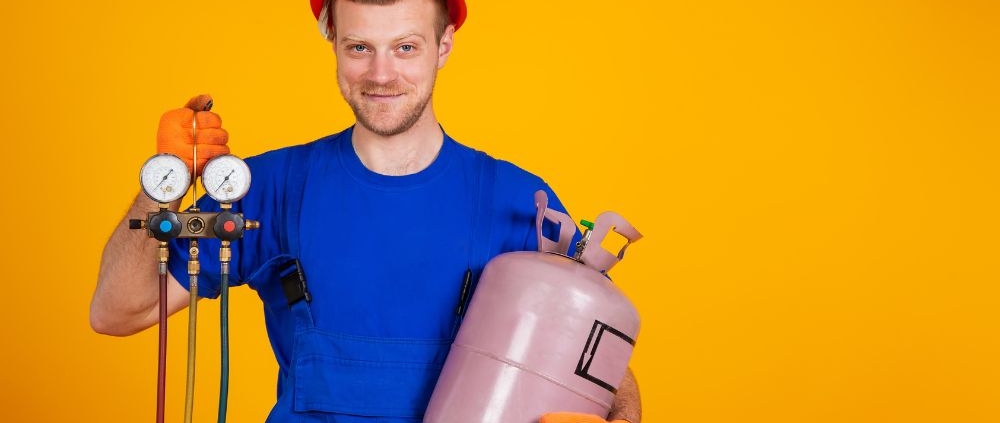
Why Does My AC Compressor Shut Off After 2-3 Minutes
An air conditioner (AC) compressor is a key component that circulates refrigerant and enables the system to cool indoor air. If the compressor shuts off after just 2-3 minutes, it indicates a problem that can affect cooling efficiency, energy consumption, and system lifespan. Understanding the causes helps prevent further damage and ensures proper operation.
Common Causes of Short Cycling
Short cycling occurs when an AC turns on and off rapidly, usually within a few minutes. This issue can be caused by electrical, mechanical, or environmental factors. One common reason is an incorrect refrigerant charge. Low refrigerant levels reduce pressure in the system, causing the compressor to shut off to prevent damage. Overcharging can also create high pressure, triggering a similar response.
A malfunctioning thermostat can cause short cycling. If the thermostat inaccurately reads indoor temperature or has faulty wiring, it may signal the compressor to turn off prematurely. Incorrect thermostat placement near heat sources like sunlight or electronics can also lead to this problem.
Dirty or blocked air filters restrict airflow, forcing the compressor to overheat and shut down. Similarly, clogged evaporator coils reduce heat exchange, causing the system to strain. In some cases, electrical issues such as a faulty capacitor, relay, or contactor can prevent the compressor from running continuously. The capacitor provides the necessary starting and running power, and failure can lead to rapid shutdowns.
Compressor short cycling may also result from an oversized AC unit. A unit larger than the cooling requirements of the home reaches the set temperature too quickly and turns off repeatedly. Environmental factors, such as extreme heat, can exacerbate the issue by causing the system to overheat.
How to Identify the Problem
Observing the AC’s behavior helps identify the underlying cause. Check the duration of each cooling cycle and note temperature fluctuations. Inspect the air filter for dirt or blockage. Listen for unusual noises from the compressor, which may indicate mechanical or electrical issues. Checking refrigerant pressure requires specialized gauges and is usually performed by a licensed HVAC technician.
Regular maintenance records, including coil cleaning and refrigerant checks, provide insight into recurring problems. Identifying patterns helps determine whether the issue is electrical, mechanical, or related to airflow and sizing.
Preventive Measures
Maintaining proper refrigerant levels ensures the compressor operates within safe pressure ranges. Replace or clean air filters every 1-3 months depending on usage and indoor conditions. Clean evaporator and condenser coils to improve heat exchange and airflow. Installing a correctly sized AC unit for the home’s square footage prevents rapid temperature cycling. Ensure the thermostat is calibrated and located away from heat sources. Professional inspection of capacitors, relays, and wiring helps prevent electrical failures.
FAQ
What is short cycling in an AC?
Short cycling occurs when the AC compressor turns on and off rapidly, usually within a few minutes, reducing efficiency and increasing wear.
Can low refrigerant cause the compressor to shut off quickly?
Yes, insufficient refrigerant reduces system pressure, triggering the compressor to shut down to prevent damage.
Can a dirty air filter cause short cycling?
Yes. Restricted airflow from a clogged filter can cause the compressor to overheat and turn off prematurely.
Is an oversized AC unit a problem?
Yes. An oversized unit cools the space too quickly, leading to frequent on-off cycles that stress the compressor.
When should I call a professional?
If the compressor short cycles repeatedly, produces unusual noises, or refrigerant levels and electrical components need checking, contact a licensed HVAC technician.
Conclusion
An AC compressor shutting off after 2-3 minutes signals short cycling, which can stem from low or high refrigerant levels, thermostat issues, dirty filters, electrical faults, or incorrect unit sizing. Short cycling decreases cooling efficiency, increases energy use, and may damage the compressor over time. Regular maintenance, including coil cleaning, filter replacement, and refrigerant checks, helps prevent premature shutdowns. Accurate thermostat placement and correct AC sizing are essential for stable operation. Timely professional inspection ensures the system operates efficiently and extends its lifespan.