
What Is an AC Adapter
An AC adapter is an essential device in modern electronics that allows electronic equipment to operate safely and efficiently. It serves as a bridge between a power source and an electronic device, converting electricity to the correct voltage and current required by the device.
Understanding AC Adapters
An AC adapter, also known as a power adapter or charger, converts alternating current (AC) from a wall outlet into direct current (DC) suitable for electronic devices. Most household electricity is supplied as AC, with standard voltages ranging from 110 to 120 volts in North America and 220 to 240 volts in Europe and Asia. Electronic devices such as laptops, smartphones, routers, and gaming consoles require DC at specific voltages, often between 5V and 20V.
AC adapters protect devices by regulating voltage and current. Without proper conversion, excess voltage can damage circuits or reduce the lifespan of components. Modern adapters also include safety features such as short-circuit protection, overcurrent protection, and thermal management.
Components of an AC Adapter
An AC adapter typically includes several key components. The input section connects to the wall outlet and receives AC power. Inside, a transformer adjusts voltage levels, and a rectifier converts AC to DC. Capacitors smooth the output, reducing voltage fluctuations, while regulators maintain a consistent output voltage. The output is delivered through a cable and plug designed to match the device’s power input requirements.
Adapters come in two main types: external and internal. External adapters, often called “wall warts,” attach directly to the outlet and provide a cable to the device. Internal adapters are built into devices and only require a simple connection to AC mains through a power cord.
Importance of AC Adapters
AC adapters are vital for both safety and functionality. They ensure that electronic devices receive stable power, preventing overheating, electrical damage, and performance issues. Adapters also allow devices to be used in regions with different AC voltages. Many adapters support input ranges from 100V to 240V, making them compatible with international power standards.
The efficiency of an AC adapter affects energy consumption. High-efficiency adapters convert more than 85% of input power to usable DC, minimizing heat loss and reducing electricity costs. Regulatory standards, such as Energy Star certification, set efficiency benchmarks to ensure environmental compliance and energy savings.
Common Uses of AC Adapters
AC adapters are widely used in consumer electronics and industrial equipment. Laptops, tablets, and smartphones rely on adapters for charging batteries. Printers, monitors, and networking devices also require stable DC power from adapters. In industrial applications, AC adapters supply precise voltages for sensors, controllers, and automation systems.
Adapters vary in voltage and current ratings, measured in volts (V) and amperes (A). Matching the adapter specifications with the device requirements is crucial to prevent malfunction or permanent damage. Universal adapters with selectable voltages and interchangeable tips provide flexibility for multiple devices.
FAQ
Can I use any AC adapter for my device?
No. The voltage and current must match the device’s requirements. Using an incorrect adapter can damage the device or pose safety risks.
What is the difference between AC adapter and battery charger?
An AC adapter provides DC power to operate a device or charge its battery. A battery charger specifically manages the charging process for rechargeable batteries.
How do I know if my AC adapter is compatible with international power outlets?
Check the input voltage range. Adapters with 100-240V input are compatible with most international outlets. A plug adapter may also be required.
Do AC adapters consume power when not connected to a device?
Yes, but modern high-efficiency adapters consume very little standby power, typically less than 0.5 watts.
Can an AC adapter fail?
Yes. Overheating, voltage spikes, or worn internal components can cause failure. Replacement with a compatible unit is necessary.
Conclusion
An AC adapter is a critical component for the safe and efficient operation of electronic devices. It converts AC from a wall outlet into the precise DC voltage and current required by devices, ensuring stable performance and protection. AC adapters vary in design, voltage, and current ratings, and selecting the correct adapter is essential for device longevity. From laptops to industrial equipment, AC adapters enable modern electronics to function reliably across different environments and power standards.

What Does AC Stand For
The abbreviation AC is commonly used in everyday language, electronics, and mechanical systems. Understanding its meaning is essential in fields such as electrical engineering, automotive systems, and home appliances.
Meaning of AC
AC stands for Alternating Current in electrical terminology. It describes the type of electrical current in which the flow of electrons periodically reverses direction. Unlike Direct Current (DC), where electrons flow in a single direction, AC changes direction at a specific frequency, typically 50 or 60 cycles per second, depending on the region.
In a broader context, AC can also refer to Air Conditioning in household and commercial applications. Air conditioning systems regulate temperature, humidity, and air quality inside buildings or vehicles, providing comfort and environmental control. In this context, AC is widely used in consumer products, service industries, and automotive systems.
Alternating Current in Detail
AC power is the standard for residential and commercial electricity distribution. It allows electricity to travel efficiently over long distances through power lines. The voltage in AC systems can be easily transformed using transformers, enabling safe and practical delivery to homes and businesses.
The frequency of AC, measured in Hertz (Hz), indicates how many times the current changes direction per second. In North America, the standard frequency is 60 Hz, while in most of Europe, it is 50 Hz. The alternating nature of AC minimizes energy loss and allows the use of electric motors, transformers, and other devices that require varying current directions.
AC is essential for many appliances and machines, including refrigerators, washing machines, and lighting systems. It also powers large industrial equipment that relies on high-voltage electricity. The ability to step up and step down voltage makes AC more practical than DC for wide-scale electricity distribution.
Air Conditioning in Detail
Air Conditioning (AC) systems operate using refrigeration cycles that transfer heat from indoor spaces to the outside environment. These systems can cool or dehumidify air to maintain comfortable conditions. Modern AC units include components such as compressors, evaporator coils, condenser coils, and refrigerant, which work together to regulate indoor climate.
AC systems vary in size and capacity, measured in British Thermal Units (BTUs) for cooling output. Residential units typically range from 5,000 to 25,000 BTUs, depending on room size. Central AC systems distribute cooled air through ductwork, while window or split units provide localized cooling.
Proper installation and maintenance of AC units ensure energy efficiency and prolonged service life. Regular filter replacement, coil cleaning, and refrigerant checks prevent malfunctions and reduce energy consumption.
FAQ
What is the difference between AC and DC?
AC (Alternating Current) periodically reverses direction, while DC (Direct Current) flows in a single direction. AC is used for electricity distribution, and DC is commonly used in batteries and electronic devices.
Does AC always mean electrical current?
No. In many contexts, AC also stands for Air Conditioning, which relates to cooling and climate control systems.
What frequency does AC electricity use?
In North America, the frequency is 60 Hertz. In most of Europe and Asia, it is 50 Hertz.
What is the main function of an AC unit?
An AC unit regulates temperature, humidity, and air quality in indoor environments.
Can AC electricity power household appliances?
Yes. AC electricity is standard for powering residential and commercial devices, including lights, fans, and refrigerators.
Conclusion
AC has dual significance depending on the context. In electrical systems, it stands for Alternating Current, which reverses direction periodically and enables efficient electricity distribution. In climate control, AC refers to Air Conditioning, which maintains comfortable indoor temperatures and air quality. Understanding both meanings is crucial for proper usage in electronics, home appliances, and building management systems. AC, whether in electricity or air conditioning, plays a vital role in modern life, supporting daily activities, industrial processes, and environmental comfort.
Why Is My AC Not Working
An air conditioning system that stops working can disrupt indoor comfort and indicate underlying issues that require attention. Understanding common causes, troubleshooting steps, and preventive measures helps homeowners restore cooling efficiently and maintain the AC unit’s longevity.
Common Reasons for AC Malfunction
One primary reason an AC may not work is electrical problems. Tripped circuit breakers, blown fuses, or faulty wiring can prevent the system from turning on. Inspecting the electrical panel and resetting breakers may resolve simple issues. Malfunctioning thermostats or disconnected power sources can also interrupt normal operation.
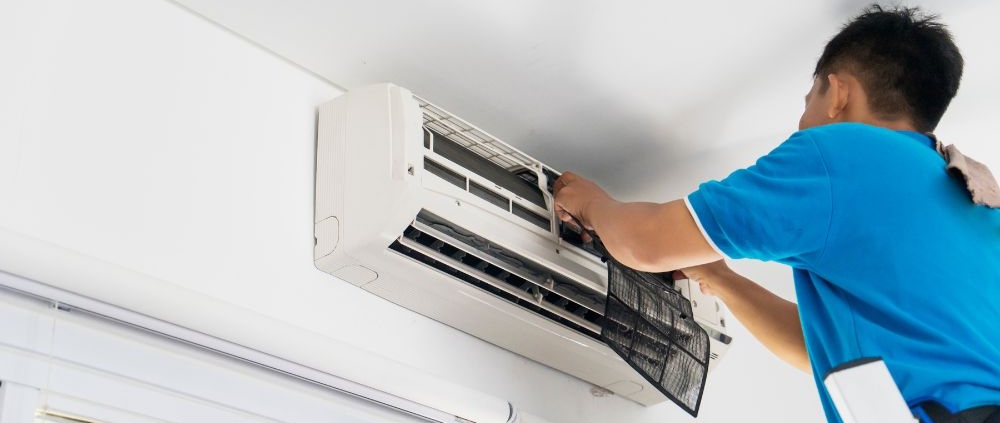
Restricted airflow is another frequent cause. Clogged air filters, blocked vents, or obstructed ductwork reduce air movement over the evaporator coil. Insufficient airflow causes the system to work harder, potentially leading to freezing or shutdown. Cleaning or replacing filters and ensuring vents are open restores proper airflow.
Refrigerant issues affect cooling efficiency. Low refrigerant levels, often caused by leaks, reduce the ability of the system to absorb heat, resulting in warm air output or total system failure. Refrigerant problems require professional service to detect leaks and recharge the system according to manufacturer specifications.
Mechanical or component failures may also lead to an AC not working. The compressor, fan motors, capacitors, or relays can fail due to wear, age, or electrical issues. Lack of proper maintenance accelerates component degradation, increasing the risk of system breakdown.
Environmental factors and user settings can influence AC performance. Extremely high outdoor temperatures, improper thermostat settings, or continuous operation without sufficient cycling may prevent the unit from cooling effectively. Ensuring the thermostat is set correctly and allowing cycling can restore normal function.
Steps to Troubleshoot a Non-Working AC
First, check the thermostat and power supply. Ensure the unit is plugged in, the thermostat is set to the correct mode and temperature, and the circuit breaker is not tripped. Inspect air filters for dirt or clogs and replace if necessary. Verify that vents and registers are open and unobstructed.
Listen for unusual noises from the indoor and outdoor units. Clicking, humming, or rattling sounds can indicate electrical or mechanical issues. Inspect visible components such as fans, capacitors, and wiring for signs of damage or wear. Avoid touching high-voltage components to prevent electrical hazards.
Check for refrigerant-related issues. Warm air blowing from the vents or ice on the evaporator coil may indicate low refrigerant. Only licensed HVAC technicians should handle refrigerant inspection, leak repair, and recharging. Attempting to add refrigerant without certification can cause equipment damage and violate environmental regulations.
Regular maintenance reduces the likelihood of unexpected failures. Cleaning coils, lubricating moving parts, and scheduling annual professional inspections ensure the system operates efficiently and safely. Monitoring energy consumption can also help detect anomalies that indicate system stress or malfunctions.
FAQ
Why is my AC not turning on?
Electrical issues such as tripped breakers, blown fuses, or disconnected power can prevent the unit from starting.
Why is my AC running but not cooling?
This may be caused by low refrigerant, dirty filters, blocked vents, or a malfunctioning compressor.
Can a dirty air filter stop my AC from working?
Yes. Reduced airflow from clogged filters can cause the system to overheat or freeze, leading to shutdown.
When should I call a professional?
Contact a licensed HVAC technician for refrigerant issues, component failures, or persistent problems that do not resolve with basic troubleshooting.
How often should an AC be maintained?
Annual professional inspections and periodic filter replacement every 1-3 months ensure optimal performance and longevity.
Conclusion
An AC not working can result from electrical faults, restricted airflow, low refrigerant, component failures, or improper usage. Initial troubleshooting includes checking power sources, thermostat settings, air filters, and vents. Mechanical or refrigerant-related issues require professional attention. Consistent maintenance, including cleaning, inspection, and timely repairs, prevents common failures and ensures efficient cooling, extending the life of the air conditioning system.
Find your Best AC Repair Service