
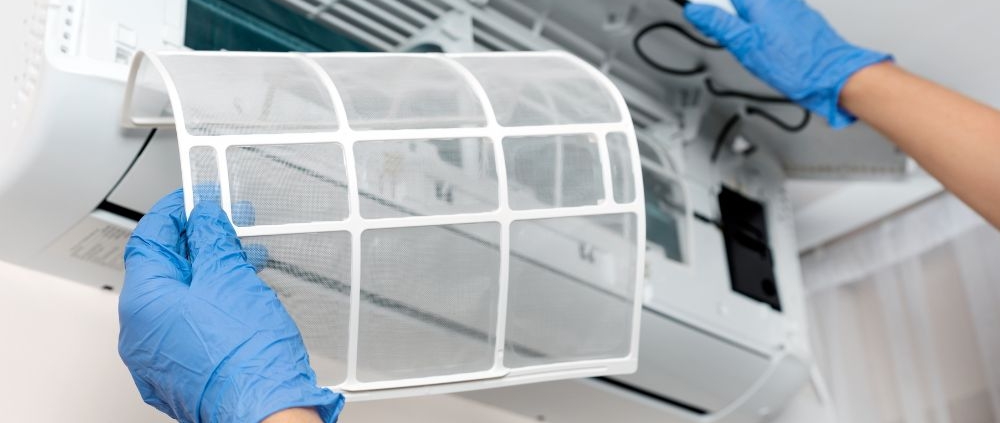
How Often to Change AC Filter
Air conditioning systems rely on clean filters to operate efficiently and maintain good indoor air quality. AC filters trap dust, pollen, pet dander, and other particles. Over time, these filters become clogged, reducing airflow, increasing energy consumption, and placing extra strain on the system. Knowing how often to change an AC filter is crucial for maintaining performance and longevity of the unit.
Importance of AC Filter Replacement
A clean AC filter allows air to flow freely through the system, helping the unit cool or heat the space efficiently. Dirty filters can cause the system to work harder, leading to higher electricity bills and potential component damage. They can also reduce indoor air quality, triggering allergies or respiratory issues. Most modern filters are designed to remove particles as small as 0.3 microns, including dust mites, pollen, and smoke, making timely replacement essential.
Recommended AC Filter Replacement Frequency
The frequency of changing an AC filter depends on the type of filter, system usage, household conditions, and environment. Standard recommendations are as follows:
Fiberglass Filters: These are the most basic type and typically need replacement every 30 days. They are less efficient at trapping smaller particles but are cost-effective for frequent replacement.
Pleated Filters: These have a larger surface area and higher efficiency. Replacement is usually every 60 to 90 days. Some high-efficiency pleated filters may last up to six months under moderate conditions.
High-Efficiency Filters: HEPA or electrostatic filters capture smaller particles and may last up to six months. However, in households with pets, smokers, or high dust levels, replacement every 60 to 90 days may be necessary.
Electronic Air Cleaners: These systems require periodic cleaning rather than full replacement. The recommended interval depends on the manufacturer’s instructions, generally every 3 to 6 months.
System usage affects filter life as well. Homes with AC running frequently, particularly during hot or cold seasons, may require more frequent replacement. In contrast, units used less often may maintain efficiency with less frequent changes.
Factors Influencing AC Filter Replacement
Several factors can shorten or lengthen the filter’s lifespan:
Pets: Homes with dogs, cats, or other animals generate more hair and dander, which clogs filters faster.
Air Quality: Areas with higher dust, pollen, or pollution levels may require more frequent changes.
Occupancy: Larger households produce more indoor particles and can necessitate more frequent replacement.
HVAC System Type: Central air systems, ductless mini-splits, and window units may have different filter types and capacities, influencing replacement frequency.
Signs a Filter Needs Replacement
Even if a filter has not reached the suggested replacement interval, certain signs indicate it may be time for a change:
Reduced airflow from vents
Unusual odors from the AC system
Increased dust accumulation on furniture
Frequent system cycling or longer cooling/heating times
Visible dirt or discoloration on the filter
Regular inspection every month can prevent the system from running with a clogged filter and maintain consistent performance.
FAQ
Can I clean an AC filter instead of replacing it?
Some reusable filters can be cleaned with water or a vacuum, but disposable filters must be replaced. Check the manufacturer’s guidelines.
Does changing the filter improve energy efficiency?
Yes. Clean filters reduce system strain, which can lower energy consumption by 5% to 15%.
Are all filters the same size?
No. Filters vary in dimensions and efficiency ratings. Always use the size recommended for the system.
Does one filter replacement schedule fit all homes?
No. Factors such as pets, occupancy, and environmental conditions require adjustments to the replacement schedule.
Can neglecting filter replacement damage the AC?
Yes. Clogged filters can cause coil freezing, compressor damage, and reduced system lifespan.
Conclusion
Replacing AC filters regularly is essential for maintaining system efficiency, reducing energy costs, and improving indoor air quality. Standard schedules range from 30 days for basic fiberglass filters to 90 days or more for pleated or high-efficiency filters, but environmental and household factors can require more frequent changes. Monitoring airflow, inspecting filters visually, and adhering to manufacturer recommendations ensures the air conditioning system operates effectively and lasts longer. Consistent maintenance not only protects the system but also supports a healthier indoor environment.
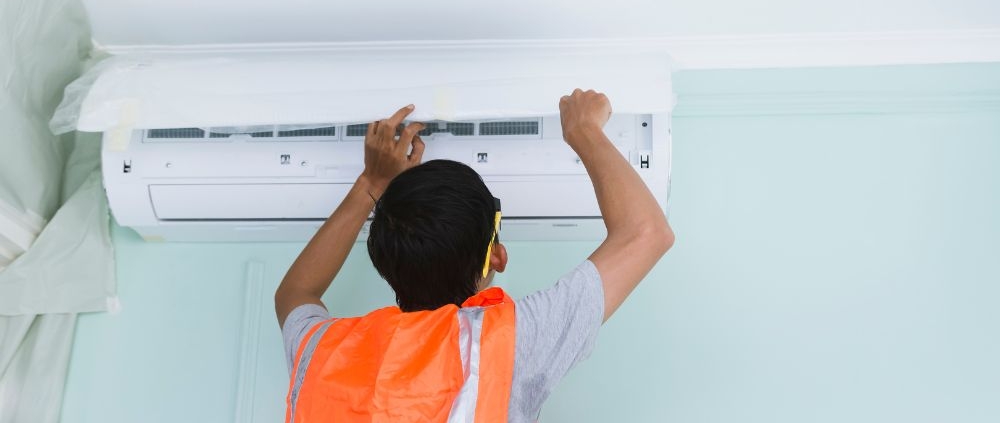
What Size AC Unit Do I Need
Choosing the correct size of an air conditioning (AC) unit is crucial for efficient cooling and energy savings. An improperly sized unit can lead to inadequate cooling, higher energy bills, and faster wear on the system. AC unit size is measured in British Thermal Units (BTU) per hour or tons, where one ton equals 12,000 BTU. Determining the right size depends on factors such as room size, insulation, ceiling height, and climate.
Understanding AC Unit Sizing
AC units work by removing heat from indoor air and transferring it outside. The unit’s capacity must match the cooling load of the space. If the unit is too small, it will struggle to reach the desired temperature, causing continuous operation and increased energy use. If the unit is too large, it will cool the space quickly but cycle on and off frequently, reducing humidity control and stressing the system.
Several key factors influence AC sizing:
Room Area: The floor space in square feet is the primary consideration. Larger areas require units with higher BTU ratings. For example, a 200-square-foot room may need around 6,000 BTU, while a 1,000-square-foot space may require approximately 24,000 BTU.
Insulation and Windows: Well-insulated rooms with energy-efficient windows retain cool air better, allowing for a slightly smaller unit. Rooms with poor insulation, large windows, or significant sun exposure may need higher capacity units to compensate for heat gain.
Ceiling Height: Standard calculations assume ceilings of 8 feet. Higher ceilings increase air volume and may require additional cooling capacity.
Climate: The local outdoor temperature and humidity levels affect cooling requirements. Warmer climates typically need units with higher BTU ratings.
Occupants and Equipment: Human bodies and electronic devices generate heat. Kitchens or rooms with multiple electronics may need additional capacity.
Calculating AC Unit Size
To estimate the correct AC unit size, multiply the square footage of the room by 25 to 30 BTU per square foot for moderate climates. For hotter regions, the requirement may rise to 30-35 BTU per square foot.
For example, a 500-square-foot room in a moderate climate would need an AC unit with a capacity between 12,500 and 15,000 BTU. It is also important to consider adjustments for insulation, windows, ceiling height, and heat-generating devices. A professional HVAC technician can perform a Manual J load calculation for precise sizing.
Common AC Unit Sizes
Residential AC units range from 5,000 BTU for small rooms to 36,000 BTU or 3 tons for large homes. Central AC systems are typically sized between 1.5 and 5 tons, depending on the square footage and building characteristics.
For reference:
- 250–350 square feet: 6,000–8,000 BTU
- 350–500 square feet: 9,000–12,000 BTU
- 500–700 square feet: 12,000–18,000 BTU
- 700–1,000 square feet: 18,000–24,000 BTU
- 1,000–1,200 square feet: 24,000–30,000 BTU
These estimates assume average insulation and standard ceiling height.
Signs of Incorrect AC Sizing
A unit that is too small may run constantly, fail to reach the desired temperature, or struggle during peak heat. A unit that is too large may cool the air quickly but create excessive humidity and frequent on-off cycles, increasing wear and energy consumption.
Energy efficiency ratings, such as SEER (Seasonal Energy Efficiency Ratio), should also be considered. Higher SEER ratings indicate more efficient units, which may influence overall performance when selecting the correct size.
FAQ
Can I use a larger AC unit than needed?
While a larger unit cools faster, it can cause short cycling, poor humidity control, and increased energy costs.
How often should AC units be replaced?
Most AC units last between 10 and 15 years, depending on maintenance and usage.
Does insulation affect the required AC size?
Yes. Better insulation reduces cooling needs, potentially allowing a slightly smaller unit.
Can I install multiple smaller units instead of one large unit?
Yes, split systems or multiple units can provide better zoning and energy efficiency in larger homes.
Is professional assessment necessary?
Professional assessment ensures precise sizing, particularly for central AC systems, and helps avoid inefficiency.
Conclusion
Selecting the correct AC unit size ensures efficient cooling, optimal comfort, and energy savings. Consider room size, insulation, ceiling height, climate, and internal heat sources when determining capacity. Residential AC units range from 5,000 to 36,000 BTU, with central systems typically between 1.5 and 5 tons. Proper sizing avoids issues like short cycling, inadequate cooling, or high energy consumption. Consulting an HVAC professional for accurate calculations ensures the system matches the space’s cooling needs, providing reliable performance and longer lifespan.
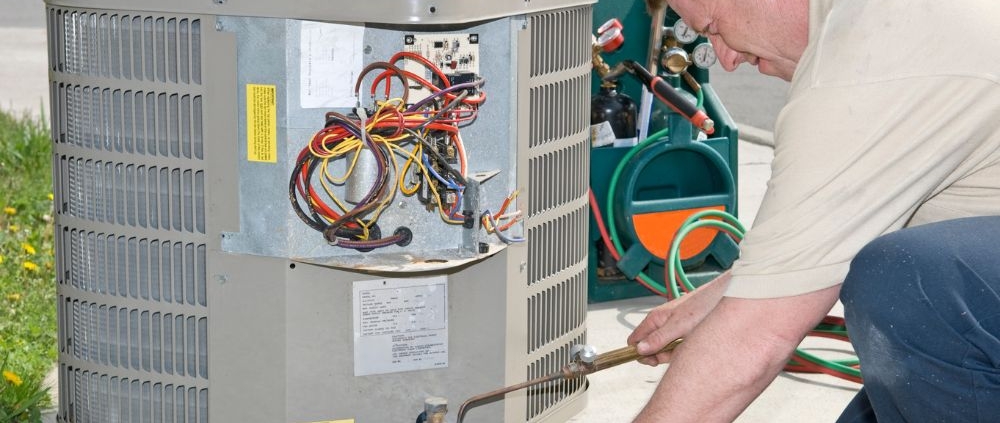
How to Test AC Capacitor
An air conditioning (AC) capacitor is a crucial component that helps the compressor and fan motors start and run efficiently. Over time, capacitors can wear out or fail, causing the AC unit to malfunction. Testing the capacitor ensures it is functioning correctly and prevents further damage to the system.
Understanding AC Capacitors
AC capacitors store electrical energy and release it to help motors start and operate. There are two main types: the start capacitor and the run capacitor. Start capacitors provide a temporary boost to start motors, while run capacitors maintain a consistent voltage supply during operation. Capacitors are measured in microfarads (µF), and the correct rating is critical for system performance. Most residential AC units use 5 to 50 µF capacitors.
A faulty capacitor can cause the compressor or fan motor to fail, the unit to make humming noises, or the system to not start at all. Testing the capacitor periodically is part of regular AC maintenance.
Tools Needed for Testing
Testing an AC capacitor requires basic tools. A multimeter with a capacitance setting is essential. A screwdriver or insulated tool may be needed to discharge the capacitor safely before testing. Protective gloves and safety glasses are recommended due to the risk of electric shock.
Step-by-Step Testing Process
- Turn Off Power
Ensure the AC unit is completely powered off. Switch off the breaker at the electrical panel to prevent accidental shock. - Discharge the Capacitor
Capacitors store electrical energy even when the power is off. Use an insulated screwdriver to bridge the terminals and safely discharge the stored charge. Touch only the insulated portion of the tool to avoid injury. - Disconnect the Capacitor
Carefully remove the wires connected to the capacitor terminals. Note the terminal configuration to reconnect them correctly after testing. - Set the Multimeter
Switch the multimeter to the capacitance measurement mode. If the meter does not have a capacitance setting, a standard multimeter can measure resistance, but capacitance testing is more accurate with a meter designed for it. - Measure Capacitance
Place the multimeter probes on the capacitor terminals. The reading should be within 6% of the rated microfarad value printed on the capacitor. For example, a 25 µF capacitor should measure between 23.5 and 26.5 µF. Significant deviation indicates a failing capacitor. - Check for Physical Signs
Inspect the capacitor for bulging, leaking, or corrosion. Any physical damage is a clear sign that replacement is necessary, regardless of multimeter readings. - Reconnect or Replace
If the capacitor tests within the acceptable range and shows no physical damage, reconnect the wires. If it fails, replace it with a capacitor of the same microfarad rating and voltage rating.
Safety Precautions
Testing an AC capacitor involves electrical hazards. Always ensure the power is off, and the capacitor is discharged before handling. Use insulated tools and wear safety equipment. Avoid touching the terminals directly.
FAQ
How often should AC capacitors be tested?
Capacitors should be checked during routine maintenance, usually once a year, or when the AC exhibits starting or performance issues.
Can a bad capacitor damage the AC unit?
Yes, a failing capacitor can prevent the compressor or fan motor from starting or running properly, potentially causing further damage.
What is the typical lifespan of an AC capacitor?
AC capacitors generally last between 10 and 20 years, depending on usage, voltage fluctuations, and environmental conditions.
Can I test a capacitor without a multimeter?
While a basic resistance test can indicate some faults, accurate capacitance measurement requires a multimeter with a capacitance setting.
Is it safe to replace a capacitor myself?
Replacement can be done safely if power is off and the capacitor is discharged. However, consulting a professional is recommended for inexperienced users.
Conclusion
Testing an AC capacitor is essential to ensure efficient operation of the compressor and fan motors. Capacitors are measured in microfarads, and readings outside the acceptable range indicate the need for replacement. Safety is paramount, including turning off power and discharging stored electricity. Regular testing prevents system failure, extends the AC unit’s lifespan, and ensures reliable cooling. Proper maintenance and timely capacitor replacement maintain optimal performance and reduce energy consumption.