
Why Does My Car AC Smell
A car air conditioning (AC) system provides comfort by cooling the cabin air. When a bad smell develops, it can make driving uncomfortable and indicate underlying issues. Understanding the causes of AC odors and how to address them helps maintain a healthy and efficient system.
Common Causes of Car AC Smell
One of the most frequent causes of car AC odors is mold and mildew growth in the system. Moisture accumulates on the evaporator coil, especially when the AC is used frequently. Warm, damp conditions create an ideal environment for fungi and bacteria, which produce a musty or moldy smell.
Another common source is clogged or dirty cabin air filters. These filters trap dust, pollen, and debris, but over time, they can become saturated with moisture and organic matter, leading to unpleasant odors. Cabin air filters typically need replacement every 12,000 to 15,000 miles, depending on driving conditions and air quality.
Debris in the AC system can also cause bad smells. Leaves, twigs, or dirt can enter the air intake vents, especially when parked under trees or in dusty areas. This material can trap moisture and decompose, producing a foul odor when the AC is running.
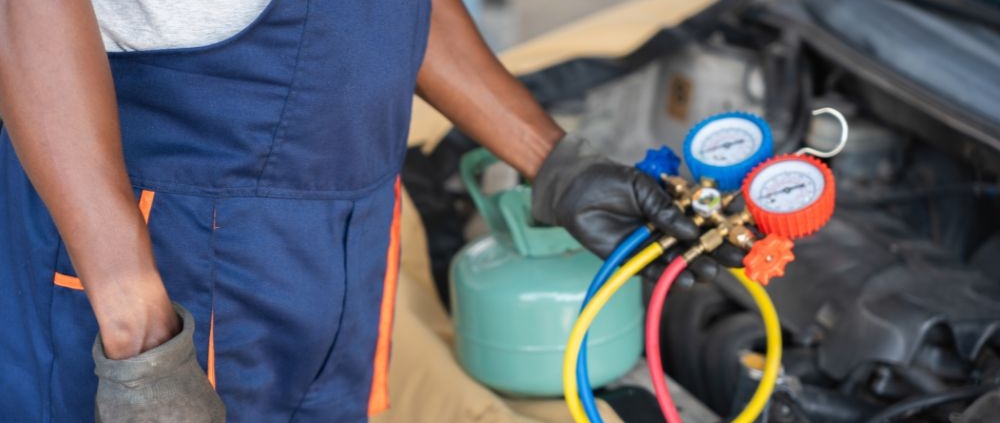
Refrigerant leaks are another possible reason. Low refrigerant can lead to insufficient cooling, causing moisture buildup and promoting bacterial growth. While refrigerant itself is odorless, the consequences of a leak may indirectly contribute to AC smells. A certified technician should handle refrigerant inspection and refill.
Bacterial growth in the condensate drain line can also cause odors. Condensate forms as the AC cools the air, and it is typically drained outside the vehicle. If the drain line is clogged, water can accumulate in the system, creating an environment for bacteria and producing a sour or damp smell.
How to Identify the Type of AC Smell
The type of odor can indicate the underlying issue. A musty or moldy smell usually points to mold on the evaporator coil or cabin filter. A sweet or chemical smell may indicate a refrigerant leak, while a burning smell can suggest electrical issues such as a worn-out blower motor or shorted wires. Identifying the smell type helps determine the appropriate corrective action.
Steps to Eliminate AC Smell
First, inspect and replace the cabin air filter if it appears dirty or damp. Cleaning or replacing the filter can significantly improve air quality.
Next, clean the evaporator coil and AC vents. Commercial AC cleaners are available to remove mold, bacteria, and debris safely. Some products are sprayed directly into the air intake vent to sanitize the system.
Ensure the condensate drain line is clear. A clogged drain can be cleaned with compressed air or a flexible wire to allow water to flow outside the vehicle. This reduces moisture buildup and prevents bacterial growth.
Running the AC with maximum fan speed for a few minutes before shutting off the vehicle can help dry the evaporator coil and minimize moisture accumulation. This simple practice reduces the likelihood of mold and mildew growth.
For suspected refrigerant leaks, it is essential to consult a certified automotive technician. The technician can inspect for leaks, recharge the refrigerant, and ensure the system operates efficiently.
Preventive Measures
Regular maintenance is key to preventing AC odors. Replace the cabin air filter every 12,000 to 15,000 miles or as recommended by the vehicle manufacturer. Clean the air intake vents periodically to remove debris, and keep the evaporator coil dry by running the fan for a few minutes before turning off the car.
Parking in sunny, dry areas can reduce moisture buildup in the system. Avoid leaving leaves and debris on the windshield and around the air intake, as these can enter the AC system and contribute to odor formation.
FAQ
Why does my car AC smell musty?
A musty smell usually results from mold or mildew on the evaporator coil or in the cabin filter. Moist conditions inside the system allow fungi to grow.
Can a dirty cabin air filter cause AC smell?
Yes. A clogged or damp filter traps dust, pollen, and moisture, leading to unpleasant odors.
Why does my AC smell sweet or chemical?
A sweet or chemical smell may indicate a refrigerant leak. This requires professional inspection to prevent system damage.
How often should I replace the cabin air filter?
Typically, every 12,000 to 15,000 miles, but this depends on driving conditions and air quality.
Can I clean the AC vents myself?
Yes, using commercial AC cleaning sprays or mild disinfectants, but care must be taken to avoid damaging components.
Conclusion
A car AC may emit unpleasant odors due to mold and mildew, dirty cabin filters, debris, refrigerant issues, or clogged drain lines. Identifying the type of smell helps determine the cause and corrective measures. Cleaning the evaporator coil, vents, and drain line, replacing the cabin filter, and consulting a technician for refrigerant concerns can restore air quality. Regular maintenance, such as filter replacement, vent cleaning, and drying the system, prevents odors and ensures the AC operates efficiently, providing clean, comfortable air inside the vehicle.

Why Isn’t My AC Working
An air conditioner (AC) is essential for maintaining comfortable indoor temperatures, especially during hot seasons. When the system fails, it can disrupt daily activities and create discomfort. Understanding the common causes of AC malfunction and how to address them helps identify problems quickly and maintain system efficiency.
Common Causes of AC Not Working
Several factors can prevent an AC unit from functioning properly. One of the most frequent issues is power supply problems. If the circuit breaker trips or a fuse blows, the AC may not receive electricity. Checking the breaker panel and ensuring the system is plugged in can resolve this issue in many cases.
Another common cause is a dirty or clogged air filter. Filters trap dust, pollen, and debris, but when they become clogged, airflow is restricted. Reduced airflow can prevent the unit from cooling effectively and may cause the system to shut down to avoid damage. Filters should be inspected monthly and replaced every 30 to 90 days, depending on usage.
Thermostat issues also affect AC performance. A malfunctioning thermostat or incorrect temperature settings can prevent the system from activating. Ensuring the thermostat is set to cool mode and the temperature is lower than the room temperature is essential. Calibration problems may require professional service.
The refrigerant level is another critical factor. Low refrigerant prevents the AC from removing heat efficiently. Signs of low refrigerant include warm air from vents, ice on the coils, or unusual hissing sounds. Only a licensed technician should recharge or repair refrigerant leaks, as improper handling can damage the system and violate regulations.
Frozen coils can also stop an AC from working. This usually occurs due to low refrigerant, restricted airflow, or dirty coils. Ice buildup blocks the transfer of heat, reducing cooling capacity. Turning off the system and allowing the coils to thaw often resolves the immediate problem, but the underlying cause should be corrected.
Mechanical issues such as a failed compressor, blower motor, or capacitor can also prevent operation. The compressor pumps refrigerant through the system, and the blower circulates cooled air. Malfunctions in these components require professional inspection and replacement.
Steps to Diagnose an AC Problem
Start by checking the power supply and circuit breakers. If the system has power, inspect the air filter for dirt or blockage. Clean or replace it as necessary. Ensure the thermostat is functioning correctly, and set it to cool mode with an appropriate temperature.
Listen for unusual noises, such as humming, rattling, or clicking, which may indicate mechanical problems. Check the outdoor unit for obstructions like leaves, debris, or blocked coils, which can impair airflow.
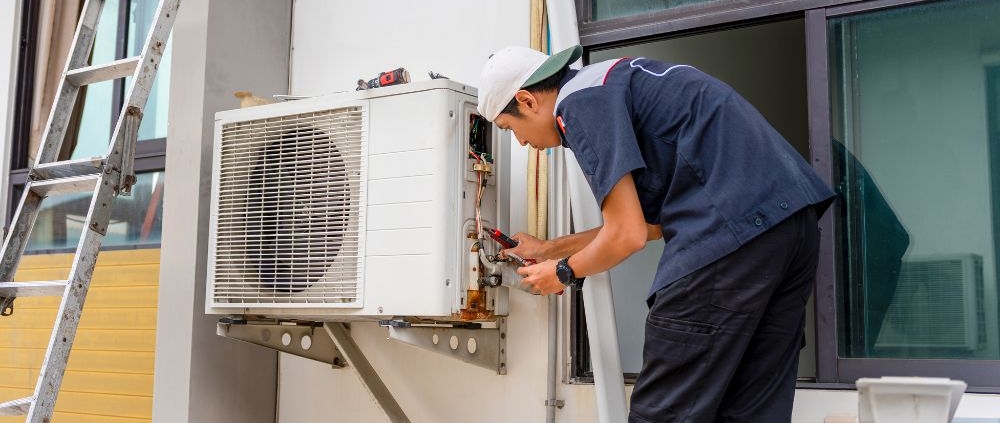
If the AC still does not work after these checks, it may be necessary to inspect the refrigerant lines, compressor, and electrical components. Handling refrigerants or electrical repairs should only be done by licensed technicians to prevent injury, system damage, or regulatory violations.
Preventive Maintenance
Regular maintenance can prevent many AC problems. Inspect and replace air filters every one to three months, clean evaporator and condenser coils annually, and ensure drain lines are clear. Schedule professional service at least once a year, typically before the cooling season, to check refrigerant levels, electrical connections, and mechanical components.
Maintaining proper airflow, keeping the system clean, and monitoring thermostat settings help prolong the life of the AC unit and maintain energy efficiency. Homes with pets or high dust levels may require more frequent maintenance.
FAQ
Why is my AC blowing warm air?
Warm air can result from low refrigerant, a frozen coil, or a malfunctioning compressor. Inspect airflow and temperature settings before calling a technician.
Can a dirty air filter stop my AC completely?
Yes. A heavily clogged filter restricts airflow, causing the system to overheat or shut down to prevent damage.
How do I know if the compressor is bad?
Signs include loud humming, lack of cooling, or the outdoor unit not running. Compressor issues require professional service.
Is low refrigerant dangerous?
Low refrigerant does not pose immediate health risks, but it can damage the AC system and reduce efficiency. Only licensed technicians should handle refrigerants.
How often should I schedule maintenance?
Annual professional maintenance is recommended, with air filter checks every 30 to 90 days depending on usage and environment.
Conclusion
An AC unit may stop working due to power issues, clogged filters, thermostat problems, low refrigerant, frozen coils, or mechanical failures. Initial troubleshooting includes checking the power supply, filter, and thermostat, and ensuring the outdoor unit is clear of debris. Persistent issues typically require professional inspection, especially for refrigerant and mechanical components. Regular preventive maintenance, including filter replacement, coil cleaning, and annual service, ensures efficient performance, prolonged system life, and consistent indoor comfort. Understanding the potential causes and maintenance requirements allows homeowners to address problems quickly and maintain a reliable cooling system.
How to Change AC Filter
The air conditioning (AC) filter is a vital component of any cooling system. It traps dust, pollen, and other airborne particles, preventing them from circulating through the air and accumulating in the system. A clogged or dirty filter can reduce airflow, decrease efficiency, and strain the AC system, leading to higher energy bills and potential mechanical issues. Changing the AC filter regularly ensures clean air, proper system performance, and energy efficiency.
Understanding AC Filters
AC filters are typically made from fiberglass, pleated paper, or synthetic materials. They are designed to capture particles of various sizes, including dust, pet dander, and mold spores. The filter’s MERV rating (Minimum Efficiency Reporting Value) indicates its effectiveness. Higher MERV ratings capture smaller particles but may restrict airflow more than lower-rated filters.
Residential AC systems commonly use filters sized 16×20 inches or 20×25 inches, but sizes vary depending on the unit. Filters can be disposable or reusable. Disposable filters are replaced entirely, while reusable filters require cleaning and reinstallation.
Signs That an AC Filter Needs Replacement
A filter should be replaced when it becomes visibly dirty, clogged, or dusty. Reduced airflow from vents, unusual odors, or increased energy consumption may also indicate a clogged filter. For most residential systems, replacing the filter every 30 to 90 days is recommended, but frequency may vary depending on system usage, household size, and presence of pets.
How to Change an AC Filter
Begin by turning off the AC system to prevent unfiltered air from circulating during the replacement process. Locate the filter compartment, usually in the return air duct or the air handler unit. Carefully remove the old filter, noting the direction of airflow indicated by an arrow on the filter frame.
Select a replacement filter that matches the size and MERV rating of the original. Insert the new filter with the airflow arrow pointing in the correct direction, usually toward the blower fan. Ensure the filter fits snugly without gaps around the edges. Close the filter compartment or door securely and turn the system back on.
For reusable filters, remove the filter and clean it with warm water or a vacuum according to the manufacturer’s instructions. Allow it to dry completely before reinstalling it. Regular cleaning prevents dust buildup and maintains system efficiency.
Safety and Maintenance Tips
Always ensure the AC system is powered off before removing or replacing the filter. Avoid forcing the filter into a compartment, as this can damage the frame or unit. Keeping spare filters on hand helps maintain a consistent replacement schedule.
Routine maintenance of the AC system, including checking coils, drains, and blower components, complements filter replacement. Inspecting the filter monthly during heavy use periods ensures optimal air quality and energy efficiency.
FAQ
How often should I change my AC filter?
Typically every 30 to 90 days, depending on usage, household environment, and presence of pets.
Can a dirty filter damage my AC system?
Yes. A clogged filter reduces airflow, causing the system to work harder, which can strain the compressor, blower motor, and other components.
Can I use a higher MERV filter than recommended?
Higher MERV filters capture smaller particles but may restrict airflow. Check your AC system specifications before upgrading.
Are reusable filters effective?
Yes, if cleaned regularly according to the manufacturer’s instructions. They provide long-term savings and reduce waste.
What should I do if my AC still blows weak air after changing the filter?
Check for blocked vents, dirty coils, or issues with the blower motor. Persistent problems may require a professional inspection.
Conclusion
Changing the AC filter is a simple yet crucial task for maintaining air quality, system efficiency, and energy savings. Filters capture dust, pollen, and other particles, preventing them from circulating and clogging the system. Regular replacement, typically every 30 to 90 days, helps maintain optimal airflow and cooling performance. Understanding filter types, sizes, and MERV ratings ensures the correct choice for your AC unit. Whether using disposable or reusable filters, proper installation and routine maintenance contribute to a longer-lasting and more efficient air conditioning system.