
Does Coolant Affect AC
Air conditioning (AC) systems in vehicles and buildings rely on multiple components to maintain effective cooling. One common question is whether coolant affects AC performance. Understanding the relationship between coolant and AC helps in proper maintenance and prevents system damage.
Role of Coolant in AC Systems
Coolant, also known as antifreeze, primarily regulates engine temperature. It circulates through the engine, absorbing heat and preventing overheating. While coolant is not directly part of the AC system, it indirectly affects AC efficiency in vehicles.
In vehicles, the AC relies on the compressor, which is powered by the engine. If the engine overheats due to low or degraded coolant, the AC compressor may struggle to operate, reducing cooling performance. Excessive engine heat can also trigger safety mechanisms, shutting off AC operation to prevent engine damage.
Coolant also maintains the radiator and condenser temperatures. The condenser releases heat absorbed from the cabin air. If the coolant system is compromised, the condenser may operate less efficiently, indirectly reducing AC cooling capacity.
How Coolant Problems Affect AC
Low Coolant Levels: Insufficient coolant can lead to engine overheating. As a result, the AC system may operate at reduced efficiency or shut off temporarily. Long-term low coolant levels can damage the compressor, hoses, and condenser.
Contaminated or Old Coolant: Over time, coolant can degrade or become contaminated with rust or debris. This reduces heat transfer efficiency, causing higher engine temperatures. A hotter engine places additional strain on the AC compressor, decreasing its performance.
Coolant Leaks: Leaks in the cooling system can create air pockets, leading to fluctuating engine temperatures. The AC system may respond to these fluctuations with inconsistent cooling or intermittent operation.
Thermostat or Water Pump Failure: Malfunctions in the thermostat or water pump disrupt coolant circulation. Engine temperature rises, causing the AC to become less effective. In severe cases, AC compressors may fail prematurely due to excessive heat exposure.
AC-Specific Coolants
It is important to differentiate between engine coolant and AC refrigerant. AC systems require refrigerants such as R134a, R1234yf, or R22 in older systems. These refrigerants are distinct from engine coolant and circulate within the AC system to absorb and release heat. Engine coolant does not replace refrigerant, nor can it cool the cabin air directly.
Using the correct refrigerant is essential for pressure regulation and optimal cooling. AC performance issues are often misattributed to engine coolant when the actual problem is low or contaminated refrigerant.
Maintaining Both Systems
Proper maintenance of both the engine cooling system and AC system ensures efficient performance. Regularly check coolant levels and quality using the dipstick or reservoir markings. Replace degraded coolant according to manufacturer recommendations, usually every 2 to 5 years or 30,000 to 50,000 miles.
Inspect hoses, radiator, and water pump for leaks or corrosion. Keep the AC condenser clean, especially if it is located near the radiator, to allow efficient heat exchange. Scheduled AC servicing includes refrigerant level checks and compressor inspection, preventing indirect effects from engine overheating.
Maintaining correct engine temperature improves fuel efficiency, reduces wear on engine components, and allows the AC compressor to operate under optimal conditions.
FAQ
Does low coolant reduce AC performance?
Yes. Low coolant can cause engine overheating, which may reduce AC efficiency or trigger safety shutdowns.
Can AC work without coolant?
Technically, the AC can operate, but engine overheating due to lack of coolant can damage the compressor and reduce cooling capacity.
Is engine coolant the same as AC refrigerant?
No. Engine coolant regulates engine temperature, while AC refrigerant absorbs and releases heat to cool the cabin air.
How often should coolant be replaced?
Coolant typically needs replacement every 2 to 5 years or after 30,000 to 50,000 miles, depending on vehicle specifications.
Can a coolant leak damage the AC system?
Yes. Leaks can cause engine overheating, placing stress on the AC compressor and potentially reducing AC lifespan.
Conclusion
Coolant plays an indirect but important role in AC performance, particularly in vehicles. Engine coolant regulates temperature, ensuring the AC compressor operates efficiently. Low or degraded coolant can cause engine overheating, which reduces cooling capacity and may lead to premature AC component failure.
While engine coolant is not a substitute for AC refrigerant, maintaining proper coolant levels and quality supports both engine health and AC performance. Regular inspection of coolant, hoses, and the radiator, combined with routine AC maintenance, ensures reliable cooling, protects critical components, and extends the life of the AC system. Proper care of both systems allows the vehicle or building to maintain optimal temperature control efficiently and safely.
How Long Does an AC Unit Last
Air conditioning (AC) units are essential for maintaining comfortable indoor temperatures, particularly during hot months. Knowing how long an AC unit lasts helps homeowners plan for maintenance, replacements, and budgeting. The lifespan of an AC unit depends on factors such as unit type, usage frequency, maintenance, and environmental conditions.
Average Lifespan of AC Units
Most residential AC units have a lifespan ranging from 10 to 20 years. Central air conditioning systems typically last 12 to 15 years, while window or portable units may last 8 to 12 years depending on usage. High-efficiency units and properly maintained systems can sometimes exceed 20 years.
The lifespan is influenced by operational hours, climate, and maintenance practices. Units in regions with extreme heat often operate longer hours, which may reduce their lifespan. Frequent on-and-off cycling can also place stress on components, shortening durability.
Factors Affecting AC Longevity
Maintenance: Regular maintenance extends the life of an AC unit. Tasks include filter cleaning or replacement, coil cleaning, refrigerant level checks, and inspecting electrical connections. Units that receive annual professional servicing often last longer than neglected systems.
Usage Patterns: Units that operate continuously or are oversized for the home may experience more wear and tear. Correct sizing, usually measured in BTUs (British Thermal Units) per square foot, ensures the unit runs efficiently without overworking.
Environmental Conditions: Dusty or humid environments can shorten an AC’s lifespan. Debris accumulation on coils, excessive moisture, or corrosive elements can damage internal components. Units installed in shaded or protected locations may experience less stress.
Quality of the Unit: Brand, model, and build quality significantly affect durability. Higher-end units may feature more robust compressors and motors, which can last longer. Cheaper units might require earlier replacement.
Signs an AC Unit is Nearing the End of Its Life
Certain indicators suggest that an AC unit may need replacement soon. Reduced cooling capacity, unusual noises, frequent breakdowns, and rising energy bills often indicate declining efficiency. Older units may use R22 refrigerant, which is being phased out and can be costly to recharge.
Leaks, rusted components, or frequent repairs may also signal that the system is beyond economical repair. In many cases, replacing an older unit is more cost-effective than continuous repairs.
Maintenance Tips to Extend AC Life
Regular cleaning of filters and coils prevents dust buildup, maintaining airflow and cooling efficiency. Checking refrigerant levels ensures proper operation of the compressor. Electrical inspections prevent short circuits and motor damage.
Keeping the outdoor condenser unit free of debris and shaded reduces stress on the system. Scheduling annual professional servicing can catch minor issues early, preventing major failures.
Energy-efficient use also prolongs lifespan. Setting the thermostat to maintain moderate temperatures reduces continuous cycling, while using ceiling fans can distribute cooled air efficiently.
FAQ
How long do central AC units usually last?
Central AC units typically last 12 to 15 years, depending on maintenance, usage, and environmental conditions.
Do window AC units last as long as central units?
No. Window or portable units usually last 8 to 12 years due to smaller components and continuous operation.
Can regular maintenance increase lifespan?
Yes. Routine cleaning, inspections, and professional servicing can extend an AC unit’s life by several years.
What affects an AC unit’s longevity the most?
Key factors include maintenance frequency, operational hours, environmental conditions, and build quality.
When should I consider replacing an old AC unit?
Consider replacement if the unit is older than 12-15 years, requires frequent repairs, or uses obsolete refrigerant like R22.
Conclusion
Understanding how long an AC unit lasts helps homeowners plan for maintenance and replacement costs. Most units function efficiently for 10 to 20 years, depending on type, usage, maintenance, and environment. Central systems generally last longer than window units, and higher-quality units often surpass the average lifespan.
Regular care, including cleaning filters, checking refrigerant levels, and professional servicing, extends the life of the system while maintaining efficiency. Recognizing signs of wear such as reduced cooling, unusual noises, and rising energy bills can prevent sudden breakdowns. Proper maintenance and timely replacement decisions ensure consistent comfort and energy savings over the life of the AC unit.
How to Clean Window AC Unit Without Removing
Maintaining a window air conditioner (AC) is essential to ensure efficient cooling, energy savings, and indoor air quality. Cleaning the unit without removing it from the window is possible if proper steps and precautions are followed. Regular cleaning prevents dust buildup, mold growth, and reduced airflow, which can affect performance.
Understanding the Importance of Cleaning
A window AC unit draws air from outside, passing it over coils and filters before circulating it indoors. Over time, dust, pollen, and debris accumulate on the filter, evaporator coil, and condenser. This buildup reduces airflow, increases energy consumption, and can lead to unpleasant odors. Mold and mildew may form if moisture collects in the unit, potentially causing respiratory issues.
Cleaning without removing the AC helps maintain performance and reduces the risk of damaging the unit or disrupting the installation. Homeowners should plan quarterly or biannual cleaning, especially before and after the cooling season.
Step-by-Step Cleaning Process
Start by turning off the AC unit and unplugging it from the electrical outlet. Safety is critical to avoid electric shock while cleaning internal components.
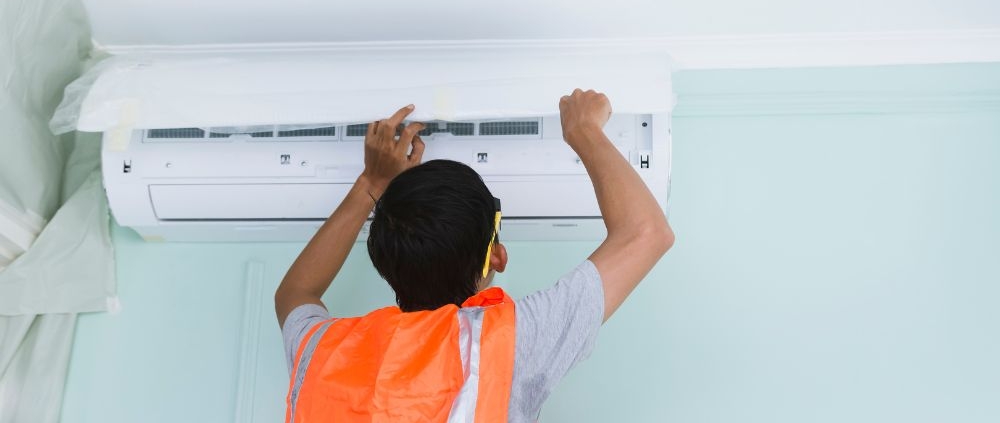
Begin with the front grille and filter. Many window AC units have a removable grille that allows access to the filter. If the filter cannot be removed, use a vacuum cleaner with a brush attachment to remove dust and debris. For washable filters, rinse under lukewarm water and let them dry completely before reinstalling.
Next, address the evaporator coil located behind the filter. A soft brush or compressed air can remove dust without dislodging the coil fins. Avoid using excessive water directly on the coil, as it may damage electrical components. Some homeowners use coil cleaning sprays designed for AC units. Follow the manufacturer instructions and allow time for the cleaner to work.
The condenser coil on the exterior part of the unit can also accumulate dust and dirt. Clean it with a soft brush or a vacuum while the AC is off. Ensure that the fins are not bent or damaged during cleaning. If accessible, a gentle spray from a garden hose can rinse debris, but avoid high water pressure to protect delicate components.
For general maintenance, wipe the outer casing with a damp cloth. Remove any dirt, leaves, or debris blocking the vents. This improves airflow and prevents the AC from overheating.
After cleaning, allow all components to dry completely before turning the unit back on. Inspect for loose screws or connections, and tighten them if necessary. Regular cleaning improves cooling efficiency and prolongs the AC’s lifespan.
Common Issues Addressed by Cleaning
Cleaning a window AC unit without removing it can resolve several common problems. Dust and debris in the filter and coils often cause reduced cooling efficiency, high energy consumption, and unusual noises. Mold growth in the evaporator coil may lead to musty odors.
Clogged condenser fins reduce heat dissipation, causing the unit to overheat or cycle frequently. Cleaning ensures unobstructed airflow, maintaining the manufacturer-rated cooling capacity, typically measured in BTUs per hour.
Regular cleaning also prevents water leakage inside the home due to blocked drainage channels. Moisture trapped in the unit can damage walls and window frames if not addressed.
FAQ
How often should I clean my window AC unit without removing it?
Cleaning should be done at least every three months during heavy usage, with a thorough seasonal cleaning before and after summer.
Can I use water to clean the coils without removing the unit?
Use minimal water or a light spray to avoid damaging electrical components. Prefer coil cleaning sprays or compressed air when possible.
What tools do I need for cleaning?
Basic tools include a vacuum cleaner with brush attachment, soft brush, damp cloth, coil cleaning spray, and compressed air. No specialized tools are required.
Will cleaning improve energy efficiency?
Yes. Removing dust and debris ensures the unit runs efficiently, which can reduce electricity consumption by 5 to 15 percent.
Can mold grow if I don’t clean the unit?
Yes. Moisture accumulation combined with dust encourages mold and mildew growth, leading to unpleasant odors and potential health issues.
Conclusion
Cleaning a window AC unit without removing it is a practical method to maintain cooling efficiency, reduce energy costs, and prevent odors. Regular maintenance includes vacuuming filters, brushing coils, cleaning the casing, and ensuring proper airflow. Homeowners should schedule cleaning at least quarterly and inspect for signs of dust, mold, or debris. Proper care enhances the lifespan and performance of the AC unit, ensuring a comfortable indoor environment throughout the cooling season.