

What is the Difference Between Pepcid and Pepcid AC
Pepcid and Pepcid AC are widely used medications for managing acid-related digestive conditions. Both contain the active ingredient famotidine, which belongs to the class of H2 receptor antagonists. These medications reduce the production of stomach acid, helping relieve symptoms such as heartburn, acid reflux, and indigestion. While they share similarities, there are key differences in dosage, strength, and recommended use.
Understanding Pepcid
Pepcid is available in various forms, including tablets, chewable tablets, and oral suspension. It is typically prescribed to treat gastroesophageal reflux disease (GERD), Zollinger-Ellison syndrome, and peptic ulcers. The standard adult dosage for treating heartburn is usually 20 mg taken once or twice daily, depending on the severity of symptoms.
Pepcid works by blocking histamine H2 receptors in the stomach lining. This action decreases acid production, which helps prevent irritation of the esophagus and stomach lining. It can take 30 to 60 minutes to start relieving symptoms, and the effects may last up to 12 hours depending on the dose.
Understanding Pepcid AC
Pepcid AC is primarily marketed as an over-the-counter (OTC) option for treating occasional heartburn. The “AC” stands for “acid control”. It is generally available in 10 mg or 20 mg tablets and is intended for short-term relief of heartburn associated with acid ingestion.
Pepcid AC works similarly to prescription Pepcid by blocking H2 receptors and reducing stomach acid production. However, it is often recommended for mild, intermittent symptoms rather than chronic conditions. It can provide relief within an hour and is suitable for use up to twice daily, with a maximum daily dose of 40 mg for adults.
Key Differences Between Pepcid and Pepcid AC
The main difference lies in strength, intended use, and availability. Prescription Pepcid may be prescribed in higher doses for chronic conditions such as GERD or ulcers, while Pepcid AC is designed for occasional, mild heartburn.
Pepcid can be obtained only with a doctor’s prescription when used for serious gastrointestinal conditions, whereas Pepcid AC is available OTC, making it more convenient for quick relief. Additionally, Pepcid AC tablets are often chewable, allowing faster absorption, whereas prescription Pepcid may come in standard tablets or liquid forms for precise dosing.
The duration of use also differs. Pepcid AC is generally intended for short-term, occasional use, while prescription Pepcid may be taken daily for several weeks or longer under medical supervision. The dosing schedule may also vary based on the condition being treated and the patient’s response.
Safety and Precautions
Both Pepcid and Pepcid AC are generally well-tolerated. Common side effects include headache, dizziness, and mild gastrointestinal disturbances. Patients with kidney impairment may require dosage adjustments.
It is important to consult a healthcare provider before using Pepcid or Pepcid AC if you have a history of liver disease, kidney disease, or gastrointestinal bleeding. Avoid exceeding the recommended dosage, as excessive use may lead to side effects or reduced effectiveness.
Pregnant or breastfeeding individuals should consult a healthcare professional before use. Both medications may interact with certain drugs, including antifungals, HIV medications, and warfarin, so monitoring is advised.
FAQ
Can Pepcid and Pepcid AC be used interchangeably?
They contain the same active ingredient, but Pepcid AC is intended for occasional use, while prescription Pepcid may be used for chronic conditions at higher doses.
How long does it take for Pepcid AC to work?
Typically, it takes 30 to 60 minutes to relieve heartburn symptoms.
Is Pepcid AC safe for daily use?
Occasional use is safe, but daily or long-term use should be supervised by a healthcare provider.
Can children use Pepcid or Pepcid AC?
Dosage and safety vary by age. Always consult a pediatrician before giving these medications to children.
Are there any major side effects?
Most side effects are mild, including headache or dizziness. Severe allergic reactions are rare but require immediate medical attention.
Conclusion
Pepcid and Pepcid AC are effective for managing acid-related digestive issues by reducing stomach acid through H2 receptor blockade. The primary differences include strength, duration of use, and intended purpose. Pepcid AC is suitable for short-term, occasional heartburn, while prescription Pepcid is designed for chronic conditions like GERD, ulcers, or Zollinger-Ellison syndrome. Both medications are generally safe when used as directed, but consulting a healthcare provider ensures proper dosage, safety, and effective symptom relief. Understanding these differences helps patients choose the appropriate medication for their specific digestive health needs.

How to Test AC Compressor
The air conditioning (AC) compressor is a critical component of any cooling system. It pressurizes the refrigerant and circulates it through the system, enabling the AC to cool the interior effectively. A malfunctioning compressor can result in reduced cooling performance, strange noises, or complete system failure. Testing the AC compressor ensures the system operates efficiently and helps identify potential issues before they cause damage.
Understanding the AC Compressor
The AC compressor is typically located in the engine bay for car systems or near the condenser unit for home or commercial systems. It has electrical and mechanical components, including a clutch, pulley, and internal valves. The compressor relies on proper refrigerant levels and electrical signals to function correctly.
Common signs of a failing compressor include warm air from vents, strange noises, tripped circuit breakers, and visible leaks around the unit. Testing the compressor can help confirm whether these symptoms are caused by the compressor itself or other components in the system.
Preparing to Test the AC Compressor
Before testing, ensure the system is powered off and safe to access. For automotive compressors, disconnect the battery to prevent accidental electrical shocks. For home AC systems, switch off the main power supply at the circuit breaker.
Gather the necessary tools, including a multimeter, manifold gauge set, and protective gloves. Ensure refrigerant pressures are within recommended levels, as low refrigerant can give false readings during testing.
Testing the AC Compressor with a Multimeter
A multimeter helps test the electrical continuity and resistance of the compressor. Locate the compressor clutch terminals or electrical connector. Set the multimeter to the ohms setting and measure the resistance across the terminals.
A typical reading for most compressors ranges between 3 and 5 ohms. Readings significantly higher or lower indicate a damaged coil or internal fault. Additionally, check for continuity between the terminals and the compressor housing. If continuity exists, this signals a short circuit, and the compressor may need replacement.
Checking Compressor Operation
After verifying electrical integrity, test the compressor operation. Reconnect the system and power it on. For automotive systems, engage the AC and observe if the compressor clutch engages. The clutch should spin smoothly without hesitation or unusual noise.
For home AC units, monitor the compressor while the system runs. Ensure the high and low-side pressures measured with a manifold gauge are within manufacturer specifications. A compressor that runs but does not achieve proper pressures may have internal mechanical issues.
Safety Precautions During Testing
Testing an AC compressor involves both electrical and high-pressure components. Always wear protective gloves and eyewear. Never attempt to test or disassemble a running compressor without proper training, as moving parts and refrigerant can cause injury. Avoid using incorrect refrigerants or overcharging the system, which may damage the compressor or other components.
Maintenance Tips to Avoid Compressor Failure
Regular maintenance can extend the life of an AC compressor. Inspect refrigerant levels, electrical connections, and condenser coils periodically. Clean air filters and remove debris around the compressor to prevent overheating and mechanical strain. Detecting leaks early and maintaining proper system pressure helps avoid costly compressor replacement.
FAQ
Can I test the AC compressor myself?
Yes, basic electrical testing using a multimeter and observing clutch operation can be done by a knowledgeable person. High-pressure tests or repairs should be handled by a professional.
What are normal resistance readings for an AC compressor?
Typical resistance ranges between 3 and 5 ohms. Readings outside this range may indicate an internal fault.
Why does the compressor run but the AC doesn’t cool?
This may occur due to low refrigerant levels, blocked coils, or internal compressor issues. Testing pressure levels helps identify the cause.
How often should AC compressors be tested?
Compressor testing is recommended when cooling issues arise or during routine system maintenance every 12 to 24 months.
Can a faulty compressor damage other AC components?
Yes. A malfunctioning compressor can increase system pressure, damage valves, expanders, or the condenser, and may contaminate the system with metal debris.
Conclusion
Testing an AC compressor is essential for ensuring efficient cooling and identifying potential failures. Use a multimeter to check electrical resistance, observe clutch engagement, and monitor system pressures to evaluate compressor performance. Proper precautions, including disconnecting power and wearing protective gear, prevent injuries during testing. Regular maintenance, such as checking refrigerant levels, cleaning coils, and inspecting electrical connections, reduces the risk of compressor failure. Understanding how to test an AC compressor ensures a reliable, safe, and effective air conditioning system, whether for vehicles or home cooling systems.
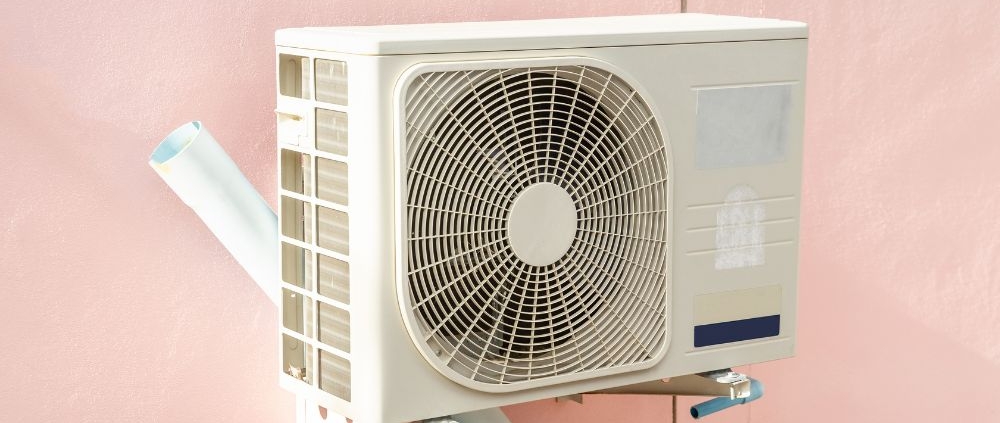
How to Reset AC Unit
Resetting an air conditioning unit can resolve minor operational issues, electrical glitches, or system errors. AC units have safety features that may shut down the system to prevent damage. Understanding the correct reset procedures ensures that the unit operates efficiently without causing harm to the electrical system or internal components.
Reasons to Reset an AC Unit
AC units may need a reset for several reasons. Power surges or outages can cause the system to stop functioning properly. Some units have internal circuits that shut down automatically when overheating or detecting irregular voltage.
Other causes include tripped circuit breakers, clogged filters, or frozen coils. In many cases, a reset restores normal operation without the need for professional repair. However, recurring issues may indicate a more serious problem that requires inspection by a certified technician.
How to Reset a Central AC Unit
For central air conditioning systems, resetting the unit involves several steps. First, turn off the thermostat and set it to the off position. Next, switch off the main power supply at the circuit breaker or disconnect the AC unit’s power switch.
Wait approximately 30 seconds to one minute before restoring power. This allows the system’s internal components to discharge and reset. Turn the power back on, and set the thermostat to the desired temperature. The AC should begin normal operation within a few minutes.
Some central AC systems have a reset button on the outdoor condenser unit. This button can be pressed after turning off the unit’s power supply. Hold it for a few seconds and release it. Once the system is powered back on, the AC should function normally if the issue was minor.
How to Reset a Window or Portable AC Unit
Window and portable AC units often include a reset button or power cycle procedure. Begin by turning off the unit and unplugging it from the electrical outlet. Wait at least five minutes to allow internal components to reset.
Press the reset button if available. Some models may require holding the button for three to ten seconds. Plug the unit back in and turn it on. Check for proper cooling operation and ensure that the fan and compressor are running smoothly.
Regular maintenance, such as cleaning the air filters and vents, can prevent the unit from requiring frequent resets. Clogged filters and blocked airflow can cause the system to overheat and trigger safety shutdowns.
Precautions When Resetting an AC Unit
Safety is critical when working with electrical systems. Always turn off the power supply before pressing reset buttons or unplugging the unit. Avoid touching internal components inside the AC, as capacitors may retain electrical charge even after power is disconnected.
Do not reset the unit repeatedly if it does not start. Recurrent shutdowns may indicate a mechanical or electrical fault, such as a failing compressor, low refrigerant levels, or a damaged thermostat. In such cases, professional inspection is necessary to prevent further damage.
FAQ
How long does it take for an AC unit to reset?
Typically, 30 seconds to five minutes is sufficient for the internal components to reset. Window units may require slightly longer waiting periods.
Can resetting my AC unit fix all problems?
No. Resetting addresses minor electrical glitches or tripped safety features. Mechanical failures or refrigerant issues require professional repair.
Is it safe to reset the AC during a power surge?
No. Wait until the power supply stabilizes. Frequent power fluctuations can damage electrical components.
Do all AC units have a reset button?
Not all. Many central AC systems rely on power cycling via the circuit breaker. Window and portable units often include a dedicated reset button.
Should I reset the thermostat as well?
Yes. Turning off the thermostat and setting it back to the desired temperature ensures that the unit receives proper operational signals after a reset.
Conclusion
Resetting an AC unit can resolve minor malfunctions, electrical errors, or tripped safety features, restoring normal operation. The process varies depending on whether the unit is central, window, or portable. Essential steps include turning off the power supply, pressing the reset button if available, and waiting for internal components to reset. Precautions such as disconnecting power and avoiding repeated resets prevent damage to the system. Regular maintenance, including cleaning filters and vents, reduces the need for frequent resets. Understanding the correct reset procedures ensures a safe, efficient, and effective cooling system, extending the life of the air conditioning unit and maintaining comfort inside the home.