
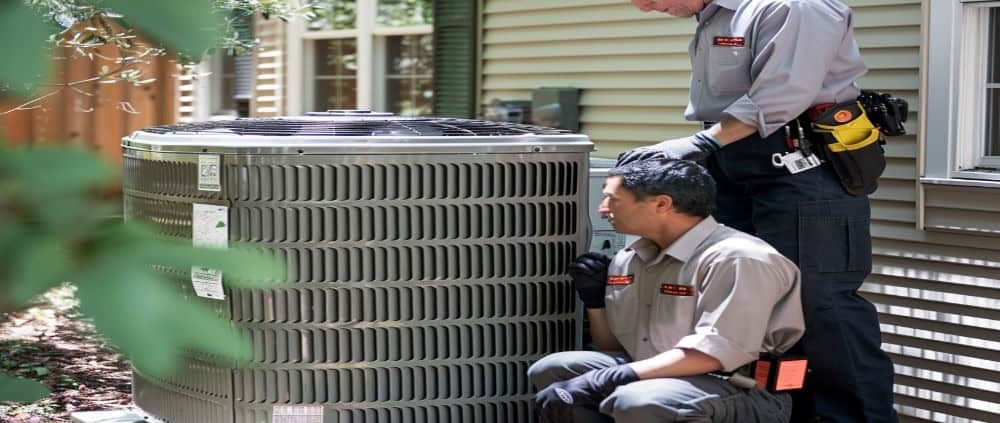
Why Does My AC Smell Musty?
Introduction
You’re not alone if you’ve ever walked into a room and been greeted by a musty odour emanating from your air conditioner (AC). A musty smell in an AC can be bothersome and even alarming, indicating potential issues with the unit. In this article, we’ll explore the reasons behind this unpleasant smell and how to address it effectively.
Common Causes of Musty Smells in ACs
Musty odours in ACs can stem from various sources, including:
- Mould and Mildew Buildup: Moisture accumulation in the AC unit provides an ideal breeding ground for mould and mildew, leading to foul odours.
- Clogged Drain Line: A clogged drain line prevents proper condensation drainage, resulting in stagnant water that fosters mould growth and emits a musty smell.
- Dirty Air Filters: Over time, dust, dirt, and debris can accumulate in the air filters, promoting microbial growth and emitting unpleasant odours.
- Moisture Buildup: Excessive humidity or water leakage within the AC system can create conditions conducive to mould and mildew proliferation, causing musty smells to permeate the air.
Health Risks Associated with Musty Smells
Beyond being a nuisance, musty odours in ACs pose potential health hazards, including:
- Respiratory Issues: Inhaling airborne mould spores and mildew particles can trigger respiratory problems such as coughing, wheezing, and throat irritation.
- Allergic Reactions: Individuals sensitive to mould and mildew may experience allergic reactions, including sneezing, congestion, and skin irritation.
- Aggravation of Existing Conditions: People with asthma or other respiratory conditions may find their symptoms exacerbated by exposure to musty odours, leading to discomfort and health complications.
Preventive Measures
To prevent musty smells in your AC, consider implementing the following preventive measures:
- Regular Maintenance: Schedule routine maintenance checks to clean the AC unit, inspect for mould growth, and ensure optimal performance.
- Proper Ventilation: Enhance ventilation in your home to minimize moisture buildup and inhibit mould proliferation within the AC system.
- Use of Air Purifiers: Install air purifiers equipped with HEPA filters to capture airborne contaminants and neutralize odours, improving indoor air quality.
- Monitoring Humidity Levels: Keep humidity levels in check, ideally between 30% and 50%, to discourage mould and mildew growth and prevent musty odours.
DIY Solutions to Eliminate Musty Smells
If you detect a musty odour in your AC, consider the following DIY solutions:
- Cleaning the AC Unit: Thoroughly clean the evaporator coils, drip pan, and other components of the AC unit to remove mould, mildew, and debris.
- Changing Air Filters: Replace dirty or clogged air filters with fresh ones to improve airflow and eliminate trapped odours.
- Using Homemade Solutions: Prepare homemade cleaning solutions using vinegar, baking soda, or essential oils to disinfect and deodorize the AC unit naturally.
When to Call a Professional
If musty odours persist despite DIY efforts or if you notice any of the following signs, it’s time to seek professional assistance:
- Persistent mold growth.
- Frequent water leakage.
- Reduced cooling efficiency.
- Unusual noises or vibrations.
Conclusion
Addressing musty smells in your AC is crucial for eliminating unpleasant odours, safeguarding your health, and maintaining indoor air quality. By understanding the common causes of musty odours and implementing preventive measures and DIY solutions, you can ensure a clean, fresh-smelling environment in your home.
FAQs
- Q: Can a musty smell in my AC make me sick?
- A: Yes, inhaling mould and mildew particles from a musty AC can trigger respiratory issues and allergic reactions in susceptible individuals.
- Q: How often should I clean my AC unit to prevent musty odours?
- A: It’s advisable to schedule professional maintenance at least once a year and perform regular cleaning every few months to keep your AC odor-free.
- Q: Is it safe to use homemade cleaning solutions in my AC?
- A: Yes, homemade solutions using vinegar, baking soda, or essential oils can effectively clean and deodorize your AC without harsh chemicals.
- Q: Can a clogged drain line cause a musty smell in my AC?
- A: Yes, a clogged drain line prevents proper drainage, leading to stagnant water accumulation and fostering mould growth and musty odours.
- Q: What should I do if I detect mould growth in my AC?
- A: Contact a professional HVAC technician to assess the extent of mould contamination and recommend appropriate remediation measures.
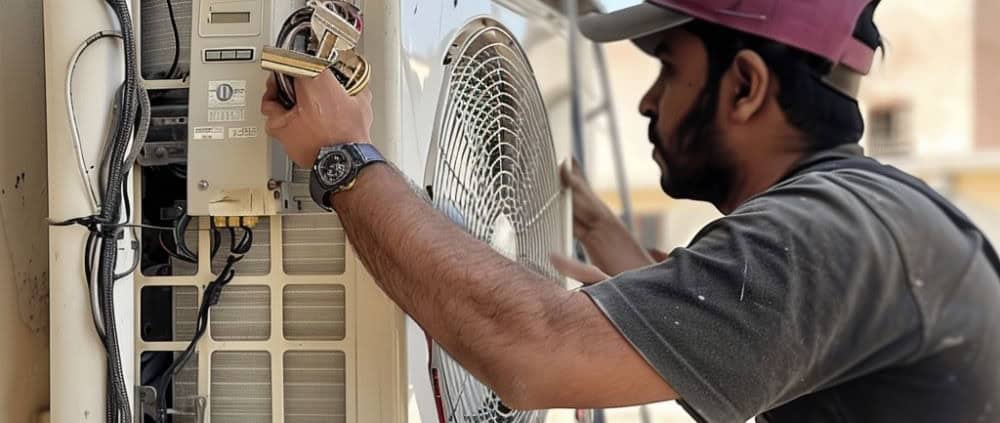
Why Does My AC Keep Turning Off
Introduction to the Problem
Are you tired of your air conditioner constantly turning off, leaving you in discomfort during the scorching heat? Many homeowners experience this frustrating issue, but the good news is that it’s usually fixable. Let’s delve into why your AC might be shutting off unexpectedly.
Thermostat Problems
One of the primary culprits behind your AC turning off could be thermostat issues. Sometimes, the thermostat settings might be incorrect, causing the AC to reach the desired temperature too quickly and shut off prematurely. Alternatively, a malfunctioning thermostat could send inaccurate signals to the AC unit, leading to irregular cycling.
Electrical Issues
Electrical problems can also disrupt the functioning of your AC. If the circuit breaker keeps tripping, it could indicate an overload or short circuit. Loose wiring connections are another common electrical issue that can cause the AC to turn off unexpectedly.
Refrigerant Leaks
Refrigerant is essential for the proper functioning of your air conditioner. When there’s a leak in the refrigerant lines, it affects the cooling efficiency and causes the AC to shut off frequently. Identifying and fixing these leaks promptly is crucial to prevent further damage to the system.
Dirty Air Filters
Clogged or dirty air filters can restrict airflow, leading to various issues, including the AC turning off frequently. Replacing or cleaning the air filters regularly is essential to ensure optimal performance and energy efficiency.
Condensate Drain Line Issues
The condensate drain line removes excess moisture from the AC unit. However, if it becomes clogged, water can go back into the system, triggering the AC to shut off as a safety measure. Regular maintenance of the condensate drain line is necessary to prevent such issues.
Frozen Evaporator Coils
Frozen evaporator coils are another common issue that can cause the AC to turn off unexpectedly. This often occurs due to restricted airflow or low refrigerant levels. Thawing the coils and addressing the underlying cause can help prevent this problem from recurring.
Sensor Problems
The temperature sensor, also known as the thermistor, plays a crucial role in regulating the air conditioner’s temperature. If the sensor is malfunctioning or out of calibration, it can cause the AC to cycle irregularly or turn off prematurely.
Outdoor Unit Problems
The outdoor unit of your AC can also experience issues that lead to frequent shutdowns. Debris buildup around the unit can obstruct airflow, causing it to overheat and shut off. Ensuring proper ventilation and keeping the area around the outdoor unit clean can help prevent such problems.
Overload on the System
Sometimes, the AC might turn off due to an overload in the system. This can occur if the unit is too small for the cooling space or if other appliances are drawing too much power on the same circuit. Distributing the load evenly and avoiding overworking the AC can prevent frequent shutdowns.
Conclusion
In conclusion, there are various reasons why your AC might be turning off unexpectedly. From thermostat issues to electrical problems and refrigerant leaks, identifying the root cause is essential for effective troubleshooting. Regular maintenance and timely repairs can prevent these issues and ensure your AC operates efficiently.
FAQs
- How often should I change my air filter?
- Changing your air filter every 1 to 3 months is recommended, depending on factors like indoor air quality and usage.
- Can I fix refrigerant leaks myself?
- HVAC professionals should address refrigerant leaks, as handling refrigerant requires specialized training and equipment.
- Why is my AC leaking water?
- AC leaks can occur due to clogged drain lines, frozen evaporator coils, or improper installation. A professional inspection is necessary to determine the exact cause.
- What should I do if my AC keeps tripping the circuit breaker?
- If your AC trips the circuit breaker, it could indicate electrical issues or overload. Contact an electrician to diagnose and fix the problem.
- Is it normal for my AC to cycle frequently?
- Frequent cycling can indicate underlying issues with your AC, such as improper sizing, refrigerant leaks, or thermostat problems. It’s best to have it inspected by a professional.

What is the Length of AC?
Introduction
The length of an air conditioner (AC) refers to how long it operates to cool a space efficiently. Understanding the optimal size of AC operation is crucial for maintaining comfort, energy efficiency, and cost-effectiveness in any indoor environment.
Importance of AC Length
Efficiency of AC System
The length of time an AC operates directly impacts its efficiency. An AC that runs too long or too short a period may not effectively cool the space, leading to discomfort and potentially higher energy bills.
Impact on Energy Consumption
The length of AC operation significantly affects energy consumption. Overly long runtimes can result in unnecessary energy usage, while short cycles may cause the system to work harder, increasing energy consumption and wear and tear on the equipment.
Factors Affecting AC Length
Room Size
The size of the room plays a crucial role in determining the optimal length of AC operation. Larger spaces require more time for the air conditioner to cool adequately, while smaller rooms may reach the desired temperature more quickly.
Insulation
The level of insulation in a building affects how quickly it gains or loses heat. Well-insulated spaces retain cool air more effectively, reducing the need for prolonged AC operation.
Climate
The climate of the region also influences the length of AC operation. Hotter climates typically require longer cooling cycles, while milder climates may allow shorter runtimes.
Optimal AC Length
Determining the Right Size
Selecting the appropriate size of AC unit for space is essential for achieving optimal operation length. Oversized units may cool the space too quickly, leading to short cycles and uneven cooling, while undersized units may need to help maintain the desired temperature.
Calculating Cooling Load
Calculating the cooling load of a space helps determine the optimal AC size and runtime. Factors such as room size, insulation, occupancy, and heat-generating appliances contribute to the cooling load calculation.
Consequences of Incorrect AC Length
Overcooling
Excessive AC operation can lead to overcooling, causing discomfort and wasting energy. Overcooling also increases humidity levels, potentially leading to mould growth and indoor air quality issues.
Undercooling
Insufficient AC operation results in undercooling, leaving the space uncomfortably warm and increasing the workload on the system. Undercooling may also lead to moisture buildup and mould growth in humid climates.
Methods to Adjust AC Length
Programmable Thermostats
Programmable thermostats allow users to set specific temperature preferences and schedules, optimising AC operation for comfort and energy efficiency. By programming the thermostat to adjust temperature settings based on occupancy and time of day, users can reduce unnecessary AC runtime.
Zoning Systems
Zoning systems divide a building into separate zones, each with its thermostat and dampers to control airflow. This allows for more precise temperature control and reduces the need for the entire AC system to operate continuously.
Conclusion
The length of AC operation plays a critical role in maintaining indoor comfort, energy efficiency, and cost-effectiveness. Users can ensure efficient cooling while minimising energy consumption and costs by understanding the factors influencing AC length and implementing strategies to optimise operation.
FAQs
- How can I determine the right size of AC unit for my space?
- The right size of an AC unit depends on factors such as room size, insulation, climate, and cooling load. Consulting with a professional HVAC technician can help determine the appropriate size for your space.
- What is the ideal temperature setting for an AC unit?
- The ideal temperature setting varies depending on personal preference and external factors such as climate and humidity. Generally, setting the thermostat between 72-78°F (22-25°C) provides a comfortable balance between cooling and energy efficiency.
- What are some signs that my AC unit is running for too long?
- Signs that your AC unit may be running for too long include excessive cycling, uneven cooling, high humidity levels, and increased energy bills. If you notice any of these signs, it’s essential to have your AC system inspected by a professional.
- How can I improve the efficiency of my AC unit?
- Improving the efficiency of your AC unit involves regular maintenance, such as cleaning or replacing air filters, sealing ducts, and scheduling professional tune-ups. Additionally, using programmable thermostats and implementing energy-saving practices can help reduce energy consumption.
- Can I install an AC unit myself?
- While it’s possible to install a window AC unit yourself, installing a central AC system typically requires professional installation to ensure proper sizing, placement, and functionality.