
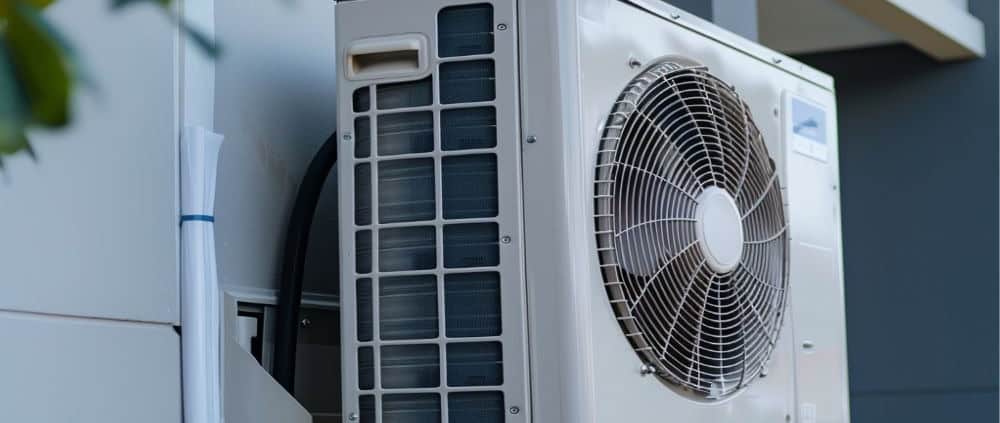
When to Use Fan Mode in AC
Air conditioning units have various modes to suit different needs and weather conditions. One such mode is the fan mode, often overlooked but highly beneficial in certain situations. Understanding when to use the fan mode in your AC can enhance comfort, energy efficiency, and indoor air quality.
Introduction to Fan Mode
Fan mode in an air conditioner operates the unit’s fan without activating the cooling function. It circulates air within the room, providing a gentle breeze without altering the temperature. Unlike the cooling mode, which lowers the room temperature, the fan mode moves air around.
When to Use Fan Mode in AC
During Mild Weather Conditions
In moderate climates or during transitional seasons like spring and fall, when the temperature is pleasant, but air circulation is desired, fan mode can be the perfect solution. It helps maintain a comfortable indoor environment without the need for active cooling.
To Circulate Air Evenly
Fan mode is particularly useful for ensuring uniform air distribution throughout the room. Running the fan helps eliminate hot spots and cold drafts, creating a more balanced and comfortable atmosphere.
When the AC Is Not Cooling Efficiently
Switching to fan mode can provide temporary relief if your air conditioner struggles to cool the room effectively. It allows the fan to run continuously, promoting better airflow and improving cooling performance until the underlying issue is addressed.
To Reduce Humidity Indoors
Running the AC in cooling mode may only sometimes be necessary in humid conditions. Fan mode can help alleviate humidity by circulating air and promoting moisture evaporation from surfaces, making the indoor environment more comfortable.
To Save Energy and Reduce Electricity Bills
During periods of mild weather when cooling is not required, using fan mode alone can significantly reduce energy consumption. Since the compressor remains off in fan mode, it consumes less power, leading to cost savings on your utility bills.
Benefits of Using Fan Mode
Energy Efficiency
Fan mode consumes less energy than cooling mode since it only operates the fan without engaging the compressor. By using fan mode strategically, you can reduce your overall energy consumption and contribute to lower electricity bills.
Improved Air Circulation
Running the fan helps distribute air evenly throughout the room, preventing stagnant air pockets and promoting better ventilation. This can lead to a fresher, more comfortable indoor environment, especially in rooms with poor air circulation.
Cost-Saving Benefits
By utilizing fan mode when cooling is not necessary, you can extend the lifespan of your air conditioner and reduce the frequency of maintenance and repairs. Additionally, lower energy consumption translates to long-term cost savings for homeowners.
How to Use Fan Mode Correctly
To maximize the benefits of fan mode and ensure optimal performance, follow these tips:
Adjusting Fan Speed
Most air conditioners offer multiple fan speed settings. Experiment with different speeds to find the optimal balance between air circulation and noise level, depending on your preferences and room size.
Setting Appropriate Temperature
While fan mode does not alter the room temperature, you can still adjust the thermostat to maintain a comfortable indoor environment. Setting the temperature slightly higher or lower can complement the airflow from the fan, enhancing comfort without excessive energy consumption.
Using in Conjunction with Other AC Modes
Fan mode can be combined with other AC modes, such as cooling or dehumidifying, to achieve customized comfort settings. For example, you can use fan mode during the day and switch to cooling mode in the evening for maximum comfort.
Precautions and Considerations
Monitoring Humidity Levels
While fan mode can help reduce humidity indoors, excessive moisture can still pose a problem, especially in humid climates. Monitor indoor humidity levels and consider using a separate dehumidifier to maintain optimal indoor air quality.
Ensuring Proper Ventilation
Proper ventilation is essential when using fan mode to prevent the buildup of stale air and indoor pollutants. Open windows and doors periodically to allow fresh air to circulate, especially in poorly ventilated areas.
Avoiding Overuse of Fan Mode
While fan mode is energy-efficient, excessive use can still lead to wear and tear on your air conditioner’s fan motor. Use fan mode strategically when needed, but avoid running it continuously for extended periods unless necessary.
Comparison with Other AC Modes
Fan Mode vs. Cool Mode
While both modes involve running the AC fan, the cool mode also activates the compressor to lower the room temperature. On the other hand, fan mode only circulates air without altering the temperature. Choose the appropriate mode based on your comfort preferences and weather conditions.
Fan Mode vs. Auto Mode
Auto mode allows the AC to automatically switch between cooling and fan mode based on the room temperature and thermostat settings. While convenient, auto mode may only sometimes provide the desired comfort level, especially during mild weather when fan mode alone may suffice.
Common Misconceptions about Fan Mode
Myth: Fan Mode Cools the Room
Contrary to popular belief, fan mode does not cool the room. It simply circulates air without lowering the temperature. If cooling is required, you’ll need to use the cooling mode instead.
Myth: Fan Mode Consumes More Energy
In reality, fan mode consumes less energy than cooling mode since it only operates the fan. Using fan mode strategically reduces your overall energy consumption and saves money on your electricity bills.
Conclusion
Fan mode in air conditioners offers a cost-effective and energy-efficient way to enhance indoor comfort and air quality. By correctly understanding when and how to use fan mode, homeowners can enjoy the benefits of improved air circulation, reduced energy consumption, and lower utility bills.
FAQs about Fan Mode in AC
- What is the difference between fan mode and cool mode?
- Fan mode circulates air without altering the temperature, while cool mode activates the compressor to lower the room temperature.
- Can I use fan mode all day long?
- While fan mode is energy-efficient, it’s advisable to use it selectively and not continuously for extended periods to avoid excessive wear on the fan motor.
- Will using fan mode reduce the lifespan of my AC unit?
- When used appropriately, fan mode should not significantly impact the lifespan of your AC unit. However, overuse or improper maintenance can lead to premature wear and tear.
- Is fan mode suitable for every type of AC?
- Fan mode is a standard feature in most air conditioners and is suitable for use in all types of AC units, including window units, split systems, and central air conditioning systems.
- Can I use fan mode to save energy during the winter?
- Fan mode can still be beneficial during winter for promoting air circulation and reducing humidity indoors. However, it may provide little energy savings compared to other heating options.
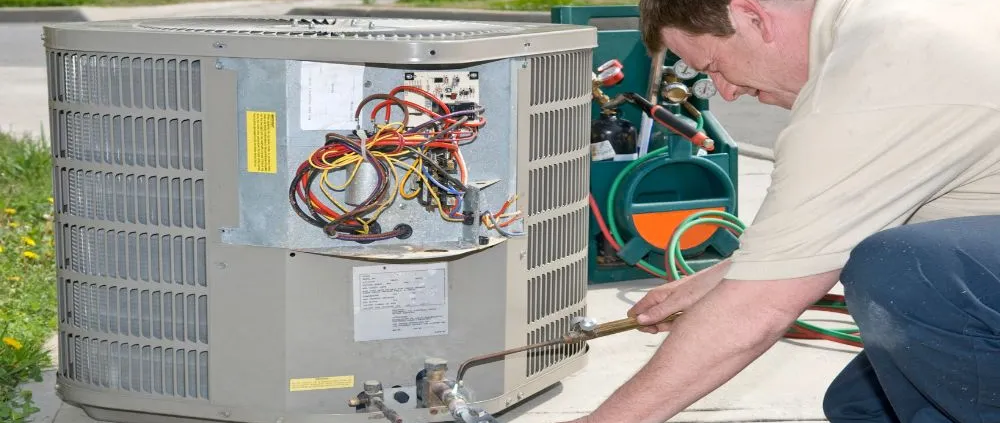
what is dry mode on ac
Introduction to Dry Mode on AC
In this section, we’ll introduce readers to the concept of Dry Mode on air conditioners, explaining its purpose and functionality.
How Does Dry Mode Work?
Here, we’ll delve into the technical aspects of Dry Mode, explaining how it differs from other modes and how it functions to reduce humidity levels.
Benefits of Using Dry Mode
This section will explore the advantages of utilizing Dry Mode on AC units, including its impact on humidity control, energy efficiency, and air quality enhancement.
When to Use Dry Mode?
Readers will learn about the optimal conditions for using Dry Mode on their air conditioners, including the most beneficial scenarios.
How to Activate Dry Mode on Your AC?
Here, we’ll provide step-by-step instructions on activating Dry Mode on different air conditioning units, ensuring ease of use for readers.
Common Misconceptions About Dry Mode
This section will address misconceptions about Dry Mode, debunking myths and clarifying its functionality.
Comparison with Other AC Modes
Readers will learn how Dry Mode compares with other commonly used modes on air conditioners, such as Cool and Fan modes.
Tips for Using Dry Mode Effectively
In this section, we’ll offer practical tips and strategies for maximizing the effectiveness of Dry Mode while using air conditioners.
Maintenance and Care for AC Dry Mode
Here, readers will find guidelines on proper maintenance and care practices to ensure the longevity and efficiency of Dry Mode on their AC units.
Conclusion
In the concluding section, we’ll summarize the key points discussed in the article and reinforce the significance of utilizing Dry Mode for optimal comfort and efficiency.
What is Dry Mode on AC?
Air conditioners come with various modes to cater to different needs and preferences. One such Mode is Dry Mode, specifically designed to reduce indoor humidity levels without significantly lowering the temperature. In regions with high humidity levels, such as coastal areas or during the rainy season, Dry Mode can be particularly useful in creating a more comfortable indoor environment.
How Does Dry Mode Work?
Unlike the Cool Mode, which primarily focuses on lowering the temperature, Dry Mode prioritizes dehumidification. When activated, the AC’s compressor runs at a lower speed, allowing it to remove moisture from the air effectively. As a result, the indoor air feels less sticky and more comfortable, even at slightly higher temperatures.
Benefits of Using Dry Mode
- Reduced Humidity: The primary benefit of Dry Mode is its ability to reduce indoor humidity levels, which can help prevent mould growth, improve indoor air quality, and enhance overall comfort.
- Energy Efficiency: Since Dry Mode doesn’t require the AC to operate at full capacity, it consumes less energy than Cool Mode, leading to potential energy savings.
- Air Quality Improvement: Dry Mode can help alleviate poor indoor air quality issues, such as musty odours and respiratory discomfort, by removing excess moisture.
When to Use Dry Mode?
Dry Mode is most effective when the indoor humidity levels are high, and the temperature is not excessively hot. It’s ideal for use during muggy weather or in areas where humidity tends to be high throughout the year.
How to Activate Dry Mode on Your AC?
Activating Dry Mode on your AC is simple. Depending on the model of your air conditioner, you can typically find the Dry Mode option on the remote control or the unit’s control panel. Select the Dry Mode setting, and the AC will begin dehumidifying the air.
Common Misconceptions About Dry Mode
There are some misconceptions surrounding Dry Mode, one of which is that it’s only suitable for humid climates. In reality, Dry Mode can benefit any environment with excess moisture in the air, regardless of the overall climate.
Comparison with Other AC Modes
While Cool Mode is commonly used to lower both temperature and humidity, it may be less effective in areas with extremely high humidity levels. In such cases, Dry Mode offers a more targeted approach to dehumidification without excessively cooling the air.
Tips for Using Dry Mode Effectively
To make the most of Dry Mode, consider the following tips:
- Use oscillating fans to help circulate the dehumidified air throughout the room.
- Keep doors and windows closed to prevent outside humidity from entering the indoor space.
- Regularly clean or replace the air filters to ensure optimal airflow and efficiency.
- Schedule routine maintenance checks to keep your AC system running smoothly.
Maintenance and Care for AC Dry Mode
Proper maintenance is essential to ensure the effectiveness and longevity of Dry Mode on your air conditioner. Be sure to:
- Clean or replace the air filters regularly to prevent dust and debris from obstructing airflow.
- Check the condensate drain for any blockages and clear them if necessary to prevent water buildup.
- Schedule professional maintenance checks at least once a year to inspect and tune up your AC system.
Conclusion
Read this: Unlocking the Secrets of Libido Supplements: A Comprehensive Guide
Dry Mode on air conditioners offers an effective solution for reducing indoor humidity levels and improving comfort. By understanding how Dry Mode works and when to use it, you can create a healthier and more pleasant indoor environment, regardless of outside weather conditions.
FAQs (Frequently Asked Questions)
- Is Dry Mode suitable for all types of air conditioners?
- Dry Mode is a standard feature found in most modern air conditioning units, including window ACs, split ACs, and central AC systems.
- Can I use Dry Mode instead of a dehumidifier?
- While Dry Mode can help reduce indoor humidity levels, it may not be as effective as a dedicated dehumidifier, especially in extremely humid conditions.
- Will using Dry Mode save me money on my energy bills?
- Dry Mode typically consumes less energy than Cool Mode, resulting in potential energy savings over time.
- Can I use Dry Mode while sleeping?
- Dry Mode can be used at any time, including while sleeping, to maintain a comfortable indoor environment.
- Is it normal for the AC to produce less cooling in Dry Mode?
- Since Dry Mode prioritizes dehumidification over cooling, you may notice slightly less cooling than Cool Mode. However, the temperature difference should be minimal.
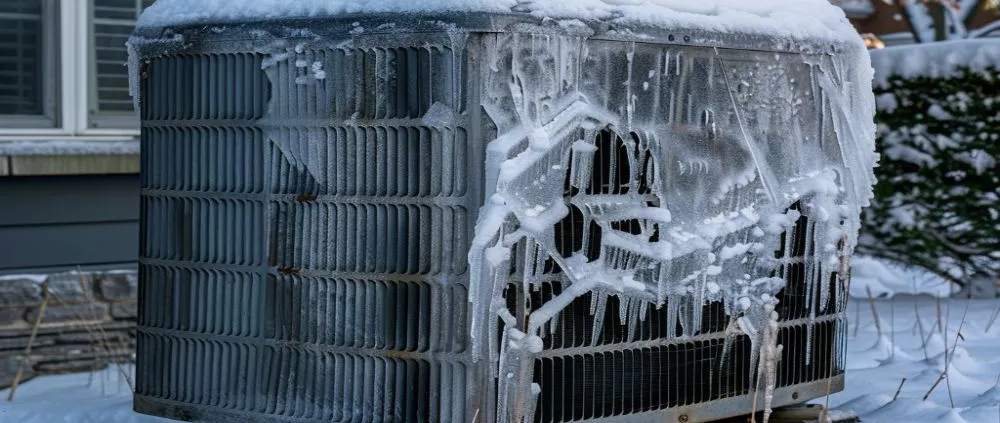
How to Unfreeze Your AC Unit
Introduction
You’re not alone if you’re sweating through a scorching summer day only to find that your air conditioning unit has frozen over. It’s a common issue many homeowners face during the peak of summer. However, knowing how to tackle this problem can save you both discomfort and costly repairs. This guide will walk you through the steps to unfreeze your AC unit efficiently and discuss preventive measures to avoid future freezing.
Understanding the Issue: Why Your AC Unit is Frozen
What Causes an AC Unit to Freeze Up?
Several factors can lead to the freezing of your AC unit. One primary cause is restricted airflow, often due to clogged air filters or blocked vents. Another common culprit is low refrigerant levels, which can cause the coils to freeze over.
Signs of a Frozen AC Unit
Identifying a frozen AC unit is crucial for prompt action. Look out for ice buildup on the evaporator coils, reduced airflow, or warm air blowing from the vents despite the unit being on.
Steps to Unfreeze Your AC Unit
Turn Off the AC
The first step is to turn off your air conditioning system immediately. Continuing to run the unit while it’s frozen can cause damage to the compressor.
Check for Airflow Restrictions
Inspect your air filters and vents for any blockages. Replace or clean dirty filters, and ensure all vents are open and unobstructed to facilitate proper airflow.
Allow the Ice to Melt
Once the unit is turned off and airflow restrictions are addressed, allow the ice to melt naturally. This process may take several hours, depending on the extent of the freezing.
Clean the Air Filter
Regularly clean or replace your air filters to prevent future freezing. Clogged filters restrict airflow, leading to inefficient cooling and potential freezing of the unit.
Inspect the Coils
After the ice has melted, inspect the evaporator and condenser coils for any dirt or debris buildup. Clean the coils using a soft brush or vacuum to ensure optimal performance.
Preventative Measures to Avoid Future Freezing
Regular Maintenance
Schedule routine maintenance checks for your AC unit, including cleaning coils, replacing filters, and checking refrigerant levels. Regular upkeep can prevent issues that lead to freezing.
Proper Insulation
Ensure that your home is adequately insulated to maintain consistent temperatures and reduce the workload on your AC unit, minimizing the risk of freezing.
Adjust Thermostat Settings
Avoid setting your thermostat too low, as this can cause the system to overwork and potentially freeze. Optimal temperature settings help maintain a balance between comfort and efficiency.
When to Call a Professional
Persistent Issues
If your AC unit continues to freeze despite regular maintenance and troubleshooting, it’s time to seek professional assistance. Persistent issues may indicate underlying problems that require expert diagnosis and repair.
Electrical Problems
If you suspect electrical issues with your AC unit, such as faulty wiring or malfunctioning components, refrain from attempting DIY repairs and consult a licensed technician for safety.
Conclusion
Dealing with a frozen AC unit can be a hassle, but you can address the issue effectively with the right knowledge and proactive measures. Following the steps outlined in this guide and prioritizing preventative maintenance, you can keep your air conditioning system running smoothly throughout the summer months.
FAQs
How often should I check my AC unit for freezing?
Regularly inspect your AC unit for signs of freezing, especially during periods of heavy usage, such as summer. Monthly checks are recommended to catch any potential issues early on.
Can low refrigerant cause my AC unit to freeze?
Yes, low refrigerant levels can lead to freezing of the coils. If you suspect a refrigerant leak, it’s essential to have it addressed promptly by a professional HVAC technician.
Should I continue to run my AC if it’s frozen?
Running your AC while it’s frozen can cause further damage to the system, particularly to the compressor. Please turn off the unit and allow it to thaw before attempting any repairs.
Is it safe to use a hairdryer to unfreeze my AC unit?
It’s not recommended to use a hairdryer or any other heat source to expedite the thawing process, as it can cause damage to the unit. Allow the ice to melt naturally for safe and effective results.
How long does it take for an AC unit to thaw?
The thawing process can vary depending on factors such as the extent of freezing and ambient temperature. It typically takes several hours for the ice to melt completely.