
How to Know If Your AC Compressor Is Bad
If you’re experiencing discomfort in your vehicle due to the lack of cool air circulation, it might be a sign of a faulty AC compressor. Your car’s AC compressor plays a crucial role in cooling the interior by compressing and circulating refrigerant gas. However, like any other mechanical component, it can malfunction over time. Here’s how you can tell if your AC compressor is bad and what steps you can take to address the issue.
Understanding the AC Compressor
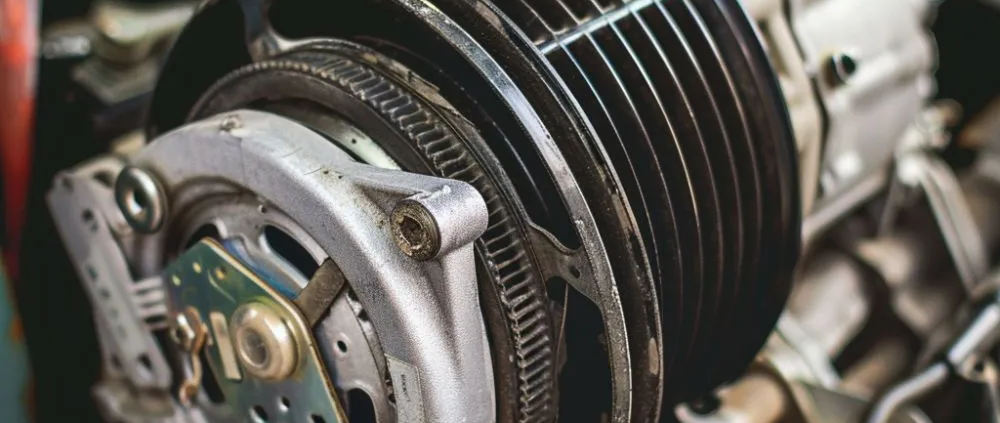
The AC compressor is vital to your vehicle’s air conditioning system. It’s responsible for pressurizing and circulating refrigerant gas, which absorbs heat from the cabin and releases it outside, resulting in cool air inside the vehicle. Comprising various components such as the clutch, pulley, and compressor body, the AC compressor works with other parts to regulate the temperature effectively.
Common Symptoms of a Bad AC Compressor
Several signs can indicate a malfunctioning AC compressor. If you notice any of the following symptoms, it’s essential to address the issue promptly:
- Lack of Cool Air
One of the most obvious signs of a bad AC compressor is a noticeable decrease in cool air output. If your vehicle’s interior is not cooling down, the compressor may fail to compress the refrigerant adequately.
- Loud Noises During Operation
Unusual noises such as grinding, squealing, or rattling from the AC compressor or engine compartment can indicate underlying issues. These noises may result from worn-out bearings, a loose belt, or internal compressor damage.
- Leaking Refrigerant
Leaking refrigerant is another common symptom of a faulty AC compressor. If you notice puddles of refrigerant beneath your vehicle or a sudden drop in cooling performance, there may be a leak in the compressor or other AC system components.
- Strange Smells
When the AC runs, a foul odour emanating from the air vents can signal mould or bacteria growth within the System. This could be due to a malfunctioning compressor failing to regulate temperature and humidity effectively.
Diagnosing a Faulty AC Compressor
Before confirming that your AC compressor is bad, it’s essential to conduct a thorough diagnosis. Here are some steps you can take to assess the condition of your compressor:
Visual Inspection
Inspect the AC compressor and surrounding components for any visible signs of damage, such as leaks, corrosion, or worn-out belts.
Listening for Abnormal Sounds
Start the vehicle and turn on the AC. Listen carefully for any unusual noises from the compressor or engine compartment, which could indicate internal damage or mechanical issues.
Checking Refrigerant Levels
Using a refrigerant pressure gauge, check the pressure levels in the AC system. Low pressure may indicate a refrigerant leak or compressor failure.
Steps to Confirm a Bad AC Compressor
If you suspect that your AC compressor is faulty based on the symptoms and diagnosis, here are some additional steps you can take to confirm the issue:
Using Pressure Gauges
Connect pressure gauges to the AC system to measure high and low-side pressure readings. Abnormal pressure levels may indicate compressor failure or other system issues.
Performing Electrical Tests
Test the electrical connections and components associated with the AC compressor, such as the clutch and relay, to ensure proper functionality.
Consulting a Professional Mechanic
If you’re unable to diagnose the problem yourself or are uncertain about the extent of the damage, it’s advisable to seek assistance from a qualified mechanic. They can perform a comprehensive inspection and recommend the necessary repairs or replacements.
Importance of Prompt Repairs
Addressing AC compressor issues promptly is crucial to avoid further damage to the System and ensure optimal comfort and safety while driving. Delaying repairs can lead to more extensive and costly maintenance, affecting the performance and longevity of your vehicle’s air conditioning system.
Costs Associated with AC Compressor Replacement
The cost of replacing an AC compressor can vary depending on various factors, including the vehicle’s make and model, the damage’s extent, and labor costs. It’s essential to obtain multiple quotes from reputable mechanics or auto repair shops to ensure you get a fair replacement price.
Tips for Preventing AC Compressor Issues
To minimize the risk of AC compressor failure and prolong the lifespan of your vehicle’s air conditioning system, consider implementing the following preventive measures:
- Regular Maintenance: Schedule regular inspections and maintenance checks for your vehicle’s AC system, including cleaning or replacing air filters, checking refrigerant levels, and lubricating moving parts.
- Keeping the System Clean: Keep the exterior of the AC compressor and surrounding components free from dirt, debris, and contaminants that could interfere with its operation.
- Promptly Addressing Any Issues: If you notice any unusual symptoms or performance issues with your vehicle’s AC system, don’t hesitate to address them promptly to prevent further damage and ensure optimal functionality.
Conclusion
In conclusion, identifying the signs of a bad AC compressor is essential for maintaining the comfort and functionality of your vehicle’s air conditioning system. By understanding the common symptoms, conducting a thorough diagnosis, and taking prompt action, you can address compressor issues effectively and avoid costly repairs or replacements in the future.
FAQs
- How long does an AC compressor last?
- The lifespan of an AC compressor can vary depending on factors such as usage, maintenance, and environmental conditions. On average, a well-maintained compressor lasts 8 to 15 years.
- Can a bad AC compressor cause other problems in the vehicle?
- Yes, a malfunctioning AC compressor can lead to issues such as decreased fuel efficiency, engine overheating, and damage to other AC system components.
- Is it safe to drive with a faulty AC compressor?
- While it may be possible to drive with a faulty AC compressor, it’s not recommended. Continued operation could further damage the compressor or other components, compromising safety and comfort.
- Can I replace the AC compressor myself?
- While technically possible, replacing an AC compressor requires specialized tools and expertise. It’s best to leave this task to trained professionals to ensure proper installation and functionality.
- What should I do if I suspect my AC compressor is bad?
- If you suspect your AC compressor is bad based on the symptoms, it’s essential to have it inspected by a qualified mechanic as soon as possible. They can diagnose the issue accurately and recommend the necessary repairs or replacements.
How Many Watts Does a Window AC Use?
Introduction to Window Air Conditioners
Window air conditioners (ACs) are popular for cooling individual rooms or small spaces. They are compact, affordable, and relatively easy to install. Understanding the power consumption of a window AC is crucial for budgeting energy costs and ensuring optimal performance.
Factors Influencing AC Power Consumption
The wattage of a window AC unit depends on several factors:
Size and Capacity
The size and cooling capacity of the AC unit significantly impacts its power consumption. Larger rooms require higher-capacity AC units, which typically consume more electricity.
Energy Efficiency Rating
Modern window AC units have an Energy Efficiency Ratio (EER) or Seasonal Energy Efficiency Ratio (SEER) rating. Higher EER or SEER ratings indicate better energy efficiency, resulting in lower electricity consumption.
Usage Patterns
The frequency and duration of AC usage also affect power consumption. Continuous operation at lower temperatures consumes more electricity than intermittent or higher-temperature settings.
Calculating Power Consumption
BTU to Watts Conversion
AC units are often rated in British Thermal Units (BTUs) for cooling capacity. To convert BTUs to watts, divide the BTU rating by 3.412. For example, a 10,000 BTU window AC consumes approximately 2,930 watts.
Typical Wattage Range
Window AC units average consume between 500 to 1,500 watts per hour during operation. However, this can vary based on size, efficiency, and usage patterns.
Comparison with Other Cooling Options
Window AC vs. Central AC
Window AC units are typically more energy-efficient than central AC systems, especially when cooling specific zones or individual rooms. Central AC systems require more power to cool an entire house.
Window AC vs. Portable AC
Portable AC units offer flexibility but consume more energy than window AC units of similar capacity. Window AC units are more efficient because they exhaust hot air directly outside.
Tips for Reducing Energy Consumption
Proper Sizing
Choosing the right size AC unit for your space ensures efficient cooling without unnecessary energy consumption. Oversized units may cycle on and off frequently, wasting energy.
Regular Maintenance
Keeping the AC unit clean and well-maintained improves its efficiency and reduces power consumption. Clean or replace filters regularly and ensure proper insulation around the unit.
Smart Usage Habits
Adjusting the thermostat settings based on occupancy and outside temperatures can lower energy consumption. Using programmable thermostats or smart controls helps optimize cooling efficiency.
Environmental Impact
Energy Efficiency and Emissions
High energy consumption from air conditioning contributes to greenhouse gas emissions and environmental degradation. Investing in energy-efficient AC units and adopting sustainable cooling practices can mitigate ecological impact.
Sustainable Cooling Alternatives
Exploring alternative cooling methods such as natural ventilation, evaporative coolers, or passive cooling techniques can reduce reliance on energy-intensive air conditioning systems.
Conclusion
Understanding the power consumption of a window AC unit is essential for managing energy costs and minimizing environmental impact. By considering size, efficiency, and usage patterns, homeowners can make informed decisions to optimize cooling efficiency and reduce electricity consumption.
FAQs
- How does a window AC’s wattage affect my electricity bill?
- Higher-wattage AC units consume more electricity, leading to higher utility bills. Choosing an energy-efficient model can lower operating costs.
- Can I use a window AC with solar panels?
- Yes, window AC units can be powered by solar panels, reducing reliance on grid electricity and lowering carbon footprint.
- Is it better to buy a higher-wattage window AC for faster cooling?
- Not necessarily. Proper sizing and efficiency ratings are more important for effective cooling and energy savings.
- Can a window AC be used in all climates?
- Window AC units are suitable for moderate to hot climates. In extremely cold temperatures, they may not provide sufficient heating capabilities.
- Are newer window AC models more energy-efficient?
- Generally, yes. Newer models often feature advanced technologies and higher energy efficiency ratings, resulting in lower electricity consumption.
How Much Gas Does AC Use
Introduction to Air Conditioning and its Gas Usage
Air conditioning has become indispensable to modern life, relieving the scorching heat during summer months and maintaining comfortable indoor environments year-round. However, the convenience of air conditioning comes with a cost, particularly in terms of energy consumption and environmental impact. One crucial aspect of air conditioning systems is their reliance on refrigerants, commonly called “gas,” which play a vital role in cooling the air. Understanding the factors influencing gas usage in air conditioners is essential for optimizing efficiency and reducing environmental footprint.
Factors Affecting Gas Consumption in Air Conditioners
The amount of gas an air conditioner consumes depends on various factors, including the size and efficiency of the unit, usage patterns, environmental conditions, and maintenance practices. Larger and less efficient AC units tend to consume more gas to achieve the desired cooling effect, especially in hot and humid climates. Additionally, irregular maintenance and neglecting servicing can lead to inefficiencies and higher gas consumption over time.
Types of Refrigerants and Their Impact on Gas Usage
Refrigerants are chemical compounds used in air conditioners to absorb and release heat, enabling cooling. Over the years, several types of refrigerants have been developed, each with its properties and environmental considerations. Traditional refrigerants such as hydrochlorofluorocarbons (HCFCs) and hydrofluorocarbons (HFCs) have been phased out or are being phased out due to their contribution to ozone depletion and global warming. In contrast, newer refrigerants like hydrofluoroolefins (HFOs) and natural refrigerants offer improved energy efficiency and lower environmental impact.
Estimating Gas Usage in Air Conditioners
Determining the gas consumption of an air conditioner involves various factors, including the unit’s cooling capacity, runtime, temperature differentials, and insulation levels. While precise calculations may require professional expertise, homeowners can estimate gas usage based on their AC unit’s specifications and typical usage patterns. Energy-efficient models with higher Seasonal Energy Efficiency Ratio (SEER) ratings tend to consume less gas while providing optimal cooling performance.
Tips for Reducing Gas Consumption in Air Conditioners
To minimize gas usage and enhance overall efficiency, homeowners can adopt several strategies:
- Ensure proper sizing and installation of AC units to match the cooling load of the space.
- Schedule regular maintenance and cleaning to keep the system operating at peak performance.
- Utilize programmable thermostats to adjust temperature settings based on occupancy and time of day.
- Enhance insulation and seal air leaks to reduce heat gain and loss, thus lowering the workload on the air conditioner.
Eco-Friendly Alternatives to Traditional Air Conditioning
In addition to optimizing existing air conditioning systems, exploring alternative cooling solutions can further reduce gas usage and environmental impact. Evaporative coolers, also known as swamp coolers, use water evaporation to cool the air, consuming significantly less energy than traditional AC units. Passive cooling techniques, such as shading, natural ventilation, and thermal mass, leverage architectural design and natural elements to maintain comfortable indoor temperatures without mechanical cooling. Furthermore, advancements in renewable energy technologies offer opportunities to power air conditioning systems using solar, wind, or geothermal energy, thereby minimizing reliance on fossil fuels and reducing greenhouse gas emissions.
The Future of Air Conditioning and Gas Usage
As concerns about climate change and energy sustainability continue to grow, the HVAC industry is witnessing a shift towards more environmentally friendly practices and technologies. Innovations such as variable refrigerant flow (VRF) systems, smart HVAC controls, and heat pump technology are paving the way for greater energy efficiency and reduced gas usage in air conditioning. Moreover, consumer awareness and demand for eco-friendly products drive manufacturers to develop greener alternatives and adopt circular economy principles, emphasizing product durability, repairability, and recyclability.
Conclusion
Various factors, including equipment efficiency, maintenance practices, and environmental considerations, influence air conditioners’ gas usage. By understanding these factors and implementing energy-saving measures, homeowners can reduce their reliance on traditional air conditioning systems and minimize their environmental footprint. As the HVAC industry evolves, embracing sustainable practices and innovative technologies will be essential for creating a cooler, greener future.
FAQs
- How much gas does a typical residential air conditioner use?
The gas consumption of a residential air conditioner can vary depending on factors such as unit size, efficiency, and usage patterns. On average, a well-maintained AC unit may consume several pounds of refrigerant annually.
- Are newer air conditioning units more energy-efficient?
Yes, newer air conditioning units tend to be more energy-efficient due to technological advancements and regulatory standards. High-efficiency models with Energy Star ratings offer superior performance and lower operating costs than older units.
- Can I retrofit my existing AC unit to use a more eco-friendly refrigerant?
Retrofitting an existing AC unit with a more eco-friendly refrigerant may require professional assistance. Consult with HVAC experts to determine compatibility and feasibility based on your equipment.
- What are some signs that my air conditioner may be leaking gas?
Signs of a refrigerant leak in an air conditioner include reduced cooling performance, ice buildup on refrigerant lines or coils, hissing or bubbling sounds near the indoor or outdoor unit, and higher energy bills. If you suspect a leak, contact a qualified technician for inspection and repair.
- How often should I service my air conditioner to maintain optimal gas usage?
It’s recommended to service your air conditioner at least once a year, ideally before the start of the cooling season. Regular maintenance tasks include cleaning or replacing air filters, inspecting ductwork for leaks, checking refrigerant levels, and lubricating moving parts.