
How Many Watts Does an AC Use

How Many Watts Does an AC Use?

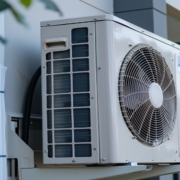
Air conditioners use electrical power to remove heat from indoor air. The total watt consumption depends on the AC type, cooling capacity, efficiency rating, compressor technology, and operating conditions. Understanding watt usage helps estimate energy costs and evaluate system efficiency. Watt consumption also affects load planning for generators, inverters, and household circuits.

Average Watt Usage of Common AC Types

A small window AC with a cooling capacity between 5,000 BTU and 6,000 BTU often uses between 450 watts and 700 watts during normal operation. Medium window units between 8,000 BTU and 10,000 BTU may require between 700 watts and 1,200 watts. Large units above 12,000 BTU may use between 1,200 watts and 1,800 watts.

A 1-ton split AC with a capacity of 12,000 BTU usually consumes between 900 watts and 1,400 watts depending on Energy Efficiency Ratio (EER) and Seasonal Energy Efficiency Ratio (SEER) values. A 1.5-ton split AC with a capacity of 18,000 BTU may use between 1,500 watts and 2,200 watts. A 2-ton split AC with 24,000 BTU often uses between 2,200 watts and 3,000 watts.

Inverter AC systems adjust compressor speed. These units often use 30 percent to 50 percent less power during partial load conditions. A 1.5-ton inverter AC may operate between 600 watts and 1,800 watts depending on indoor temperature and set point values.

Factors That Change Watt Usage

Watt consumption rises when room size exceeds AC capacity. Poor insulation increases run time. Higher outdoor temperatures increase total watt draw because the compressor runs longer to maintain the set temperature. A low thermostat setting also increases watt usage. Regular maintenance such as clean filters, correct refrigerant levels, and smooth airflow helps keep watt draw within the expected range.

Breakers, voltage supply, and electrical load ratings must match AC watt requirements. A unit that draws 2,000 watts requires a circuit capable of handling at least 15 amps to 20 amps depending on voltage supply values.

How to Estimate Watt Usage

Watt usage is calculated using the formula:
Watts = BTU ÷ EER.

For example, a 12,000 BTU AC with an EER of 10 uses about 1,200 watts. A higher EER value results in lower watt demand. SEER is used for seasonal efficiency and helps compare annual energy performance.

Smart meters, plug-in watt meters, and HVAC monitoring tools provide real-time watt readings. These values help estimate monthly costs using the formula:
Energy (kWh) = Watts ÷ 1000 × Hours Used.

FAQ

How many watts does a 1-ton AC use?

A 1-ton AC often uses between 900 watts and 1,400 watts, depending on efficiency ratings and compressor type.

Does inverter AC use fewer watts?

Yes. An inverter AC adjusts compressor speed and often uses 30 percent to 50 percent less power during partial load operation.

How many watts does a 1.5-ton AC use?

A 1.5-ton AC may use between 1,500 watts and 2,200 watts. Inverter models may operate lower during moderate temperatures.

Can I run an AC on a generator?

Yes, but the generator must meet the AC watt requirement plus additional starting watts. Many compressors need higher surge watt values during startup.

Conclusion

AC watt usage depends on cooling capacity, efficiency ratings, compressor design, and indoor and outdoor temperature conditions. Small window units may draw between 450 watts and 1,200 watts, while larger split units may use between 1,500 watts and 3,000 watts. Inverter systems consume less power because they reduce compressor speed during low-load periods. Accurate watt estimation supports better energy planning, cost control, and system sizing for homes and commercial spaces.
Why Does My AC Compressor Shut Off After 2-3 Minutes

Why Does My AC Compressor Shut Off After 2-3 Minutes?

Introduction

Nothing is more frustrating than your air conditioning unit shutting off after just a few minutes of operation, leaving you hot and bothered. Understanding why your AC compressor is shutting off can help you troubleshoot the issue and get your cooling system back on track.

Understanding AC Compressor Shutdown

What is an AC Compressor?

The AC compressor plays a crucial role in the cooling process of your air conditioning system. It compresses and circulates refrigerant, which absorbs heat from inside your home and releases it outside.

Common Causes of AC Compressor Shutdown

Several factors can contribute to your AC compressor shutting off prematurely, ranging from overheating issues to electrical problems and airflow restrictions.

Overheating Issues

Dirty or Blocked Condenser Coils

One common cause of AC compressor shutdown is overheating due to dirty or blocked condenser coils. When the condenser coils are covered in dirt, dust, or debris, they cannot efficiently release heat, causing the compressor to overheat and shut off.

Low Refrigerant Levels

Low refrigerant levels can also lead to compressor overheating and shutdown. Refrigerant is essential for absorbing heat from inside your home and transferring it outside. When refrigerant levels are low, the compressor has to work harder, increasing the risk of overheating.

Electrical Problems

Faulty Capacitor

A faulty capacitor can cause the compressor to shut off unexpectedly. The capacitor provides the electrical charge needed to start the compressor motor. If the capacitor is defective, it may not provide enough power to keep the compressor running.

Defective Relay Switch

A defective relay switch is another electrical issue that can lead to a compressor shutdown. The relay switch controls the flow of electricity to the compressor. If the relay switch is faulty, it may fail to deliver power to the compressor, causing it to shut off.

Thermostat Malfunction

A malfunctioning thermostat can also cause your AC compressor to shut off prematurely. If the thermostat is not accurately detecting the temperature inside your home, it may signal the compressor to shut off even when cooling is still needed.

Airflow Restrictions

Clogged Air Filters

Clogged air filters can restrict airflow to the AC system, causing the compressor to work harder than necessary. When airflow is restricted, the compressor may overheat and shut off to prevent damage.

Blocked Vents or Ductwork

Blocked vents or ductwork can also impede airflow, leading to compressor shutdown. Ensure all vents are open and unobstructed for proper airflow throughout your home.

System Size and Capacity

Undersized AC System

An undersized AC system may struggle to cool your home adequately, causing the compressor to work harder and shut off prematurely. If your AC unit is too small for the space it is trying to cool, it may cycle on and off frequently to try to maintain the desired temperature.

Oversized AC System

Conversely, an oversized AC system may lead to short cycling, where the compressor shuts off before completing an entire cooling cycle. This can result in inefficient operation and unnecessary wear and tear on the compressor.

Environmental Factors

Extreme Temperatures

Extreme temperatures can strain your AC compressor, causing it to shut off prematurely. During heatwaves or cold snaps, your AC system may struggle to keep up with the demand for cooling or heating, leading to frequent shutdowns.

Outdoor Debris or Obstructions

Outdoor debris or obstructions around your AC unit can also interfere with its operation, causing the compressor to shut off unexpectedly. Keep the area around your outdoor unit clear of leaves, branches, and other debris to ensure proper airflow.

Faulty Pressure Switch

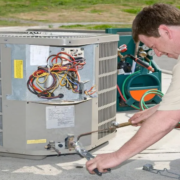
A faulty pressure switch can cause the compressor to shut off prematurely if it detects abnormal pressure levels in the refrigerant lines. A professional HVAC technician can diagnose and repair issues with the pressure switch to prevent further compressor shutdowns.

Conclusion

If your AC compressor shuts off after 2-3 minutes, several potential issues could be at play, from overheating problems to electrical issues and airflow restrictions. By understanding the common causes of compressor shutdown and taking proactive steps to address them, you can ensure that your AC system operates efficiently and reliably.

You can get your Top AC Repair Service

FAQs

1. Why does my AC compressor turn off and on repeatedly?

Frequent cycling of the AC compressor could indicate issues with refrigerant levels, airflow, or electrical components. Consult with a professional HVAC technician to diagnose and address the underlying cause.

2. Can I troubleshoot AC compressor issues on my own?

While some basic troubleshooting steps can be taken, such as checking air filters and clearing debris around the outdoor unit, it’s best to consult a qualified HVAC technician for a thorough diagnosis and repair.

3. How often should I replace my AC compressor?

The lifespan of an AC compressor can vary depending on usage, maintenance, and environmental factors. Generally, a well-maintained compressor can last 10-15 years or more.

4. Is it normal for the AC compressor to cycle on and off?

Some AC compressor cycling is done daily as it maintains the desired temperature in your home. However, frequent or constant cycling could indicate an underlying issue that requires attention.

5. What should I do if my AC compressor keeps shutting off?

You’ll be interested: Unlocking the Secrets of Libido Supplements: A Comprehensive GuideIf your AC compressor continues to shut off unexpectedly despite troubleshooting efforts, contact a licensed HVAC technician to diagnose and repair the problem before further damage occurs.

Where to Run AC Condensate Drain Line

Where to Run AC Condensate Drain Line

Air conditioning systems are vital for indoor comfort, especially during the scorching summer months. However, many homeowners need to pay more attention to proper drainage for their AC units. Neglecting the placement of the condensate drain line can lead to a host of issues, including water damage and compromised indoor air quality. This article delves into the significance of correct drain line placement and provides insights on where to run your AC condensate drain line for optimal performance.

Importance of Proper Drainage

Preventing Water Damage

One of the primary reasons for ensuring proper drainage of the AC condensate is to prevent water damage to your property. When the condensate drain line is improperly installed or clogged, excess water can accumulate around the unit, leading to leaks, mould growth, and structural damage.

Maintaining Indoor Air Quality

In addition to safeguarding your home from water damage, proper drainage also contributes to maintaining healthy indoor air quality. A clogged or stagnant drain line can become a breeding ground for bacteria, mould, and mildew, which can circulate throughout your home via the air conditioning system, posing health risks to occupants.

Common Issues with Drain Line Placement

Incorrect Installation Locations

One of the most common mistakes homeowners make is placing the condensate drain line in improper locations. This can include positioning it too close to the foundation, near electrical components, or in areas prone to flooding.

Blockages and Clogs

Another prevalent issue is the accumulation of debris, algae, and other contaminants within the drain line, leading to blockages and clogs. This can impede condensate flow, causing backups and potential water damage.

Where to Run AC Condensate Drain Line

Proper AC condensate drain line placement is crucial for efficient drainage and optimal system performance. Here are some guidelines for where to run your drain line:

Indoor Drain Line Placement

  • Near the Evaporator Coil: Position the drain line near the evaporator coil to capture condensate effectively as it forms.
  • Close to a Floor Drain or Sump Pump: Direct the drain line towards a floor or sump pump for easy condensate disposal.

Outdoor Drain Line Placement

  • Away from the Foundation: Ensure the drain line is directed away from the foundation to prevent water pooling near the structure.
  • Ensuring Proper Slope for Drainage: Maintain a slight downward slope along the length of the drain line to facilitate the smooth flow of condensate away from the unit.

Materials for Drain Line

When selecting materials for your AC condensate drain line, consider factors such as durability, ease of installation, and resistance to clogs. The two most common options are PVC piping and flexible tubing.

PVC vs. Flexible Tubing

  • PVC Piping: Known for its durability and resistance to corrosion, PVC piping is a popular choice for drain lines.
  • Flexible Tubing: Flexibility and ease of installation are the primary advantages of flexible tubing, although it may be more prone to clogs in certain conditions.

Maintenance Tips for AC Drain Line

To ensure the proper functioning of your AC condensate drain line, incorporate the following maintenance tips into your routine:

  • Regular Inspections: Check the drain line periodically for signs of blockages, leaks, or deterioration.
  • Clearing Blockages: If you notice reduced drainage or standing water around the unit, use a wet/dry vacuum or a pipe snake to clear any obstructions.

DIY vs. Professional Installation

While some homeowners may opt for a DIY approach to installing or maintaining their AC condensate drain line, others may prefer to enlist the services of a professional HVAC technician. Factors such as safety considerations, complexity of the installation, and warranty coverage should be considered when making this decision.

Cost Considerations

The cost of installing or repairing an AC condensate drain line can vary depending on factors such as the type of material used, the complexity of the installation, and labor costs in your area. It’s essential to obtain multiple quotes from reputable contractors and weigh the benefits of each option against your budgetary constraints.

Conclusion

Proper drainage is essential for efficiently operating your air conditioning system and protecting your home from water damage. Following the guidelines outlined in this article and ensuring the correct placement of your AC condensate drain line, you can safeguard your property and maintain a healthy indoor environment.

FAQs

  1. How often should I inspect my AC condensate drain line?
  • It’s advisable to inspect your drain line at least once a year, preferably before the start of the cooling season.
  1. Can I use bleach to clean my drain line?
  • While bleach can help kill mould and mildew within the drain line, it’s essential to dilute it properly and rinse thoroughly to prevent damage to the system.
  1. What are the signs of a clogged drain line?
  • Common signs of a clogged drain line include water leaks around the unit, reduced cooling efficiency, and musty odours indoors.
  1. Can we relocate an existing drain line?
  • It’s possible to relocate a drain line, but it’s best to consult a professional HVAC technician to ensure proper placement and installation.
  1. Are there any environmentally friendly options for drain line materials?
  • Some eco-friendly alternatives to traditional PVC piping include recycled plastic or bio-based materials, although their availability and suitability may vary depending on your location.
When to Use Fan Mode in AC

When to Use Fan Mode in AC

Air conditioning units have various modes to suit different needs and weather conditions. One such mode is the fan mode, often overlooked but highly beneficial in certain situations. Understanding when to use the fan mode in your AC can enhance comfort, energy efficiency, and indoor air quality.

Introduction to Fan Mode

Fan mode in an air conditioner operates the unit’s fan without activating the cooling function. It circulates air within the room, providing a gentle breeze without altering the temperature. Unlike the cooling mode, which lowers the room temperature, the fan mode moves air around.

When to Use Fan Mode in AC

During Mild Weather Conditions

In moderate climates or during transitional seasons like spring and fall, when the temperature is pleasant, but air circulation is desired, fan mode can be the perfect solution. It helps maintain a comfortable indoor environment without the need for active cooling.

To Circulate Air Evenly

Fan mode is particularly useful for ensuring uniform air distribution throughout the room. Running the fan helps eliminate hot spots and cold drafts, creating a more balanced and comfortable atmosphere.

When the AC Is Not Cooling Efficiently

Switching to fan mode can provide temporary relief if your air conditioner struggles to cool the room effectively. It allows the fan to run continuously, promoting better airflow and improving cooling performance until the underlying issue is addressed.

To Reduce Humidity Indoors

Running the AC in cooling mode may only sometimes be necessary in humid conditions. Fan mode can help alleviate humidity by circulating air and promoting moisture evaporation from surfaces, making the indoor environment more comfortable.

To Save Energy and Reduce Electricity Bills

During periods of mild weather when cooling is not required, using fan mode alone can significantly reduce energy consumption. Since the compressor remains off in fan mode, it consumes less power, leading to cost savings on your utility bills.

Benefits of Using Fan Mode

Energy Efficiency

Fan mode consumes less energy than cooling mode since it only operates the fan without engaging the compressor. By using fan mode strategically, you can reduce your overall energy consumption and contribute to lower electricity bills.

Improved Air Circulation

Running the fan helps distribute air evenly throughout the room, preventing stagnant air pockets and promoting better ventilation. This can lead to a fresher, more comfortable indoor environment, especially in rooms with poor air circulation.

Cost-Saving Benefits

By utilizing fan mode when cooling is not necessary, you can extend the lifespan of your air conditioner and reduce the frequency of maintenance and repairs. Additionally, lower energy consumption translates to long-term cost savings for homeowners.

How to Use Fan Mode Correctly

To maximize the benefits of fan mode and ensure optimal performance, follow these tips:

Adjusting Fan Speed

Most air conditioners offer multiple fan speed settings. Experiment with different speeds to find the optimal balance between air circulation and noise level, depending on your preferences and room size.

Setting Appropriate Temperature

While fan mode does not alter the room temperature, you can still adjust the thermostat to maintain a comfortable indoor environment. Setting the temperature slightly higher or lower can complement the airflow from the fan, enhancing comfort without excessive energy consumption.

Using in Conjunction with Other AC Modes

Fan mode can be combined with other AC modes, such as cooling or dehumidifying, to achieve customized comfort settings. For example, you can use fan mode during the day and switch to cooling mode in the evening for maximum comfort.

Precautions and Considerations

Monitoring Humidity Levels

While fan mode can help reduce humidity indoors, excessive moisture can still pose a problem, especially in humid climates. Monitor indoor humidity levels and consider using a separate dehumidifier to maintain optimal indoor air quality.

Ensuring Proper Ventilation

Proper ventilation is essential when using fan mode to prevent the buildup of stale air and indoor pollutants. Open windows and doors periodically to allow fresh air to circulate, especially in poorly ventilated areas.

Avoiding Overuse of Fan Mode

While fan mode is energy-efficient, excessive use can still lead to wear and tear on your air conditioner’s fan motor. Use fan mode strategically when needed, but avoid running it continuously for extended periods unless necessary.

Comparison with Other AC Modes

Fan Mode vs. Cool Mode

While both modes involve running the AC fan, the cool mode also activates the compressor to lower the room temperature. On the other hand, fan mode only circulates air without altering the temperature. Choose the appropriate mode based on your comfort preferences and weather conditions.

Fan Mode vs. Auto Mode

Auto mode allows the AC to automatically switch between cooling and fan mode based on the room temperature and thermostat settings. While convenient, auto mode may only sometimes provide the desired comfort level, especially during mild weather when fan mode alone may suffice.

Common Misconceptions about Fan Mode

Myth: Fan Mode Cools the Room

Contrary to popular belief, fan mode does not cool the room. It simply circulates air without lowering the temperature. If cooling is required, you’ll need to use the cooling mode instead.

Myth: Fan Mode Consumes More Energy

In reality, fan mode consumes less energy than cooling mode since it only operates the fan. Using fan mode strategically reduces your overall energy consumption and saves money on your electricity bills.

Conclusion

Fan mode in air conditioners offers a cost-effective and energy-efficient way to enhance indoor comfort and air quality. By correctly understanding when and how to use fan mode, homeowners can enjoy the benefits of improved air circulation, reduced energy consumption, and lower utility bills.

FAQs about Fan Mode in AC

  1. What is the difference between fan mode and cool mode?
  • Fan mode circulates air without altering the temperature, while cool mode activates the compressor to lower the room temperature.
  1. Can I use fan mode all day long?
  • While fan mode is energy-efficient, it’s advisable to use it selectively and not continuously for extended periods to avoid excessive wear on the fan motor.
  1. Will using fan mode reduce the lifespan of my AC unit?
  • When used appropriately, fan mode should not significantly impact the lifespan of your AC unit. However, overuse or improper maintenance can lead to premature wear and tear.
  1. Is fan mode suitable for every type of AC?
  • Fan mode is a standard feature in most air conditioners and is suitable for use in all types of AC units, including window units, split systems, and central air conditioning systems.
  1. Can I use fan mode to save energy during the winter?
  • Fan mode can still be beneficial during winter for promoting air circulation and reducing humidity indoors. However, it may provide little energy savings compared to other heating options.
what is dry mode on ac

what is dry mode on ac

Introduction to Dry Mode on AC

In this section, we’ll introduce readers to the concept of Dry Mode on air conditioners, explaining its purpose and functionality.

How Does Dry Mode Work?

Here, we’ll delve into the technical aspects of Dry Mode, explaining how it differs from other modes and how it functions to reduce humidity levels.

Benefits of Using Dry Mode

This section will explore the advantages of utilizing Dry Mode on AC units, including its impact on humidity control, energy efficiency, and air quality enhancement.

When to Use Dry Mode?

Readers will learn about the optimal conditions for using Dry Mode on their air conditioners, including the most beneficial scenarios.

How to Activate Dry Mode on Your AC?

Here, we’ll provide step-by-step instructions on activating Dry Mode on different air conditioning units, ensuring ease of use for readers.

Common Misconceptions About Dry Mode

This section will address misconceptions about Dry Mode, debunking myths and clarifying its functionality.

Comparison with Other AC Modes

Readers will learn how Dry Mode compares with other commonly used modes on air conditioners, such as Cool and Fan modes.

Tips for Using Dry Mode Effectively

In this section, we’ll offer practical tips and strategies for maximizing the effectiveness of Dry Mode while using air conditioners.

Maintenance and Care for AC Dry Mode

Here, readers will find guidelines on proper maintenance and care practices to ensure the longevity and efficiency of Dry Mode on their AC units.

Conclusion

In the concluding section, we’ll summarize the key points discussed in the article and reinforce the significance of utilizing Dry Mode for optimal comfort and efficiency.

What is Dry Mode on AC?

Air conditioners come with various modes to cater to different needs and preferences. One such Mode is Dry Mode, specifically designed to reduce indoor humidity levels without significantly lowering the temperature. In regions with high humidity levels, such as coastal areas or during the rainy season, Dry Mode can be particularly useful in creating a more comfortable indoor environment.

How Does Dry Mode Work?

Unlike the Cool Mode, which primarily focuses on lowering the temperature, Dry Mode prioritizes dehumidification. When activated, the AC’s compressor runs at a lower speed, allowing it to remove moisture from the air effectively. As a result, the indoor air feels less sticky and more comfortable, even at slightly higher temperatures.

Benefits of Using Dry Mode

  1. Reduced Humidity: The primary benefit of Dry Mode is its ability to reduce indoor humidity levels, which can help prevent mould growth, improve indoor air quality, and enhance overall comfort.
  2. Energy Efficiency: Since Dry Mode doesn’t require the AC to operate at full capacity, it consumes less energy than Cool Mode, leading to potential energy savings.
  3. Air Quality Improvement: Dry Mode can help alleviate poor indoor air quality issues, such as musty odours and respiratory discomfort, by removing excess moisture.

When to Use Dry Mode?

Dry Mode is most effective when the indoor humidity levels are high, and the temperature is not excessively hot. It’s ideal for use during muggy weather or in areas where humidity tends to be high throughout the year.

How to Activate Dry Mode on Your AC?

Activating Dry Mode on your AC is simple. Depending on the model of your air conditioner, you can typically find the Dry Mode option on the remote control or the unit’s control panel. Select the Dry Mode setting, and the AC will begin dehumidifying the air.

Common Misconceptions About Dry Mode

There are some misconceptions surrounding Dry Mode, one of which is that it’s only suitable for humid climates. In reality, Dry Mode can benefit any environment with excess moisture in the air, regardless of the overall climate.

Comparison with Other AC Modes

While Cool Mode is commonly used to lower both temperature and humidity, it may be less effective in areas with extremely high humidity levels. In such cases, Dry Mode offers a more targeted approach to dehumidification without excessively cooling the air.

Tips for Using Dry Mode Effectively

To make the most of Dry Mode, consider the following tips:

  • Use oscillating fans to help circulate the dehumidified air throughout the room.
  • Keep doors and windows closed to prevent outside humidity from entering the indoor space.
  • Regularly clean or replace the air filters to ensure optimal airflow and efficiency.
  • Schedule routine maintenance checks to keep your AC system running smoothly.

Maintenance and Care for AC Dry Mode

Proper maintenance is essential to ensure the effectiveness and longevity of Dry Mode on your air conditioner. Be sure to:

  • Clean or replace the air filters regularly to prevent dust and debris from obstructing airflow.
  • Check the condensate drain for any blockages and clear them if necessary to prevent water buildup.
  • Schedule professional maintenance checks at least once a year to inspect and tune up your AC system.

Conclusion

Read this: Unlocking the Secrets of Libido Supplements: A Comprehensive Guide

Dry Mode on air conditioners offers an effective solution for reducing indoor humidity levels and improving comfort. By understanding how Dry Mode works and when to use it, you can create a healthier and more pleasant indoor environment, regardless of outside weather conditions.

FAQs (Frequently Asked Questions)

  1. Is Dry Mode suitable for all types of air conditioners?
  • Dry Mode is a standard feature found in most modern air conditioning units, including window ACs, split ACs, and central AC systems.
  1. Can I use Dry Mode instead of a dehumidifier?
  • While Dry Mode can help reduce indoor humidity levels, it may not be as effective as a dedicated dehumidifier, especially in extremely humid conditions.
  1. Will using Dry Mode save me money on my energy bills?
  • Dry Mode typically consumes less energy than Cool Mode, resulting in potential energy savings over time.
  1. Can I use Dry Mode while sleeping?
  • Dry Mode can be used at any time, including while sleeping, to maintain a comfortable indoor environment.
  1. Is it normal for the AC to produce less cooling in Dry Mode?
  • Since Dry Mode prioritizes dehumidification over cooling, you may notice slightly less cooling than Cool Mode. However, the temperature difference should be minimal.
How to Unfreeze Your AC Unit 

How to Unfreeze Your AC Unit 

Introduction

You’re not alone if you’re sweating through a scorching summer day only to find that your air conditioning unit has frozen over. It’s a common issue many homeowners face during the peak of summer. However, knowing how to tackle this problem can save you both discomfort and costly repairs. This guide will walk you through the steps to unfreeze your AC unit efficiently and discuss preventive measures to avoid future freezing.

Understanding the Issue: Why Your AC Unit is Frozen

What Causes an AC Unit to Freeze Up?

Several factors can lead to the freezing of your AC unit. One primary cause is restricted airflow, often due to clogged air filters or blocked vents. Another common culprit is low refrigerant levels, which can cause the coils to freeze over.

Signs of a Frozen AC Unit

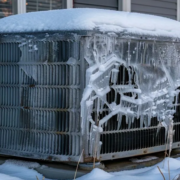
Identifying a frozen AC unit is crucial for prompt action. Look out for ice buildup on the evaporator coils, reduced airflow, or warm air blowing from the vents despite the unit being on.

Steps to Unfreeze Your AC Unit

Turn Off the AC

The first step is to turn off your air conditioning system immediately. Continuing to run the unit while it’s frozen can cause damage to the compressor.

Check for Airflow Restrictions

Inspect your air filters and vents for any blockages. Replace or clean dirty filters, and ensure all vents are open and unobstructed to facilitate proper airflow.

Allow the Ice to Melt

Once the unit is turned off and airflow restrictions are addressed, allow the ice to melt naturally. This process may take several hours, depending on the extent of the freezing.

Clean the Air Filter

Regularly clean or replace your air filters to prevent future freezing. Clogged filters restrict airflow, leading to inefficient cooling and potential freezing of the unit.

Inspect the Coils

After the ice has melted, inspect the evaporator and condenser coils for any dirt or debris buildup. Clean the coils using a soft brush or vacuum to ensure optimal performance.

Preventative Measures to Avoid Future Freezing

Regular Maintenance

Schedule routine maintenance checks for your AC unit, including cleaning coils, replacing filters, and checking refrigerant levels. Regular upkeep can prevent issues that lead to freezing.

Proper Insulation

Ensure that your home is adequately insulated to maintain consistent temperatures and reduce the workload on your AC unit, minimizing the risk of freezing.

Adjust Thermostat Settings

Avoid setting your thermostat too low, as this can cause the system to overwork and potentially freeze. Optimal temperature settings help maintain a balance between comfort and efficiency.

When to Call a Professional

Persistent Issues

If your AC unit continues to freeze despite regular maintenance and troubleshooting, it’s time to seek professional assistance. Persistent issues may indicate underlying problems that require expert diagnosis and repair.

Electrical Problems

If you suspect electrical issues with your AC unit, such as faulty wiring or malfunctioning components, refrain from attempting DIY repairs and consult a licensed technician for safety.

Conclusion

Dealing with a frozen AC unit can be a hassle, but you can address the issue effectively with the right knowledge and proactive measures. Following the steps outlined in this guide and prioritizing preventative maintenance, you can keep your air conditioning system running smoothly throughout the summer months.

FAQs

How often should I check my AC unit for freezing?

Regularly inspect your AC unit for signs of freezing, especially during periods of heavy usage, such as summer. Monthly checks are recommended to catch any potential issues early on.

Can low refrigerant cause my AC unit to freeze?

Yes, low refrigerant levels can lead to freezing of the coils. If you suspect a refrigerant leak, it’s essential to have it addressed promptly by a professional HVAC technician.

Should I continue to run my AC if it’s frozen?

Running your AC while it’s frozen can cause further damage to the system, particularly to the compressor. Please turn off the unit and allow it to thaw before attempting any repairs.

Is it safe to use a hairdryer to unfreeze my AC unit?

It’s not recommended to use a hairdryer or any other heat source to expedite the thawing process, as it can cause damage to the unit. Allow the ice to melt naturally for safe and effective results.

How long does it take for an AC unit to thaw?

The thawing process can vary depending on factors such as the extent of freezing and ambient temperature. It typically takes several hours for the ice to melt completely.

How to Know If Your AC Compressor Is Bad

How to Know If Your AC Compressor Is Bad

If you’re experiencing discomfort in your vehicle due to the lack of cool air circulation, it might be a sign of a faulty AC compressor. Your car’s AC compressor plays a crucial role in cooling the interior by compressing and circulating refrigerant gas. However, like any other mechanical component, it can malfunction over time. Here’s how you can tell if your AC compressor is bad and what steps you can take to address the issue.

Understanding the AC Compressor

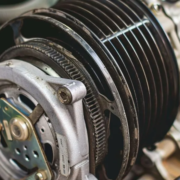
The AC compressor is vital to your vehicle’s air conditioning system. It’s responsible for pressurizing and circulating refrigerant gas, which absorbs heat from the cabin and releases it outside, resulting in cool air inside the vehicle. Comprising various components such as the clutch, pulley, and compressor body, the AC compressor works with other parts to regulate the temperature effectively.

Common Symptoms of a Bad AC Compressor

Several signs can indicate a malfunctioning AC compressor. If you notice any of the following symptoms, it’s essential to address the issue promptly:

  1. Lack of Cool Air

One of the most obvious signs of a bad AC compressor is a noticeable decrease in cool air output. If your vehicle’s interior is not cooling down, the compressor may fail to compress the refrigerant adequately.

  1. Loud Noises During Operation

Unusual noises such as grinding, squealing, or rattling from the AC compressor or engine compartment can indicate underlying issues. These noises may result from worn-out bearings, a loose belt, or internal compressor damage.

  1. Leaking Refrigerant

Leaking refrigerant is another common symptom of a faulty AC compressor. If you notice puddles of refrigerant beneath your vehicle or a sudden drop in cooling performance, there may be a leak in the compressor or other AC system components.

  1. Strange Smells

When the AC runs, a foul odour emanating from the air vents can signal mould or bacteria growth within the System. This could be due to a malfunctioning compressor failing to regulate temperature and humidity effectively.

Diagnosing a Faulty AC Compressor

Before confirming that your AC compressor is bad, it’s essential to conduct a thorough diagnosis. Here are some steps you can take to assess the condition of your compressor:

Visual Inspection

Inspect the AC compressor and surrounding components for any visible signs of damage, such as leaks, corrosion, or worn-out belts.

Listening for Abnormal Sounds

Start the vehicle and turn on the AC. Listen carefully for any unusual noises from the compressor or engine compartment, which could indicate internal damage or mechanical issues.

Checking Refrigerant Levels

Using a refrigerant pressure gauge, check the pressure levels in the AC system. Low pressure may indicate a refrigerant leak or compressor failure.

Steps to Confirm a Bad AC Compressor

If you suspect that your AC compressor is faulty based on the symptoms and diagnosis, here are some additional steps you can take to confirm the issue:

Using Pressure Gauges

Connect pressure gauges to the AC system to measure high and low-side pressure readings. Abnormal pressure levels may indicate compressor failure or other system issues.

Performing Electrical Tests

Test the electrical connections and components associated with the AC compressor, such as the clutch and relay, to ensure proper functionality.

Consulting a Professional Mechanic

If you’re unable to diagnose the problem yourself or are uncertain about the extent of the damage, it’s advisable to seek assistance from a qualified mechanic. They can perform a comprehensive inspection and recommend the necessary repairs or replacements.

Importance of Prompt Repairs

Addressing AC compressor issues promptly is crucial to avoid further damage to the System and ensure optimal comfort and safety while driving. Delaying repairs can lead to more extensive and costly maintenance, affecting the performance and longevity of your vehicle’s air conditioning system.

Costs Associated with AC Compressor Replacement

The cost of replacing an AC compressor can vary depending on various factors, including the vehicle’s make and model, the damage’s extent, and labor costs. It’s essential to obtain multiple quotes from reputable mechanics or auto repair shops to ensure you get a fair replacement price.

Tips for Preventing AC Compressor Issues

To minimize the risk of AC compressor failure and prolong the lifespan of your vehicle’s air conditioning system, consider implementing the following preventive measures:

  • Regular Maintenance: Schedule regular inspections and maintenance checks for your vehicle’s AC system, including cleaning or replacing air filters, checking refrigerant levels, and lubricating moving parts.
  • Keeping the System Clean: Keep the exterior of the AC compressor and surrounding components free from dirt, debris, and contaminants that could interfere with its operation.
  • Promptly Addressing Any Issues: If you notice any unusual symptoms or performance issues with your vehicle’s AC system, don’t hesitate to address them promptly to prevent further damage and ensure optimal functionality.

Conclusion

In conclusion, identifying the signs of a bad AC compressor is essential for maintaining the comfort and functionality of your vehicle’s air conditioning system. By understanding the common symptoms, conducting a thorough diagnosis, and taking prompt action, you can address compressor issues effectively and avoid costly repairs or replacements in the future.

FAQs

  1. How long does an AC compressor last?
  • The lifespan of an AC compressor can vary depending on factors such as usage, maintenance, and environmental conditions. On average, a well-maintained compressor lasts 8 to 15 years.
  1. Can a bad AC compressor cause other problems in the vehicle?
  • Yes, a malfunctioning AC compressor can lead to issues such as decreased fuel efficiency, engine overheating, and damage to other AC system components.
  1. Is it safe to drive with a faulty AC compressor?
  • While it may be possible to drive with a faulty AC compressor, it’s not recommended. Continued operation could further damage the compressor or other components, compromising safety and comfort.
  1. Can I replace the AC compressor myself?
  • While technically possible, replacing an AC compressor requires specialized tools and expertise. It’s best to leave this task to trained professionals to ensure proper installation and functionality.
  1. What should I do if I suspect my AC compressor is bad?
  • If you suspect your AC compressor is bad based on the symptoms, it’s essential to have it inspected by a qualified mechanic as soon as possible. They can diagnose the issue accurately and recommend the necessary repairs or replacements.
How Many Watts Does a Window AC Use

How Many Watts Does a Window AC Use?

Introduction to Window Air Conditioners

Window air conditioners (ACs) are popular for cooling individual rooms or small spaces. They are compact, affordable, and relatively easy to install. Understanding the power consumption of a window AC is crucial for budgeting energy costs and ensuring optimal performance.

Factors Influencing AC Power Consumption

The wattage of a window AC unit depends on several factors:

Size and Capacity

The size and cooling capacity of the AC unit significantly impacts its power consumption. Larger rooms require higher-capacity AC units, which typically consume more electricity.

Energy Efficiency Rating

Modern window AC units have an Energy Efficiency Ratio (EER) or Seasonal Energy Efficiency Ratio (SEER) rating. Higher EER or SEER ratings indicate better energy efficiency, resulting in lower electricity consumption.

Usage Patterns

The frequency and duration of AC usage also affect power consumption. Continuous operation at lower temperatures consumes more electricity than intermittent or higher-temperature settings.

Calculating Power Consumption

BTU to Watts Conversion

AC units are often rated in British Thermal Units (BTUs) for cooling capacity. To convert BTUs to watts, divide the BTU rating by 3.412. For example, a 10,000 BTU window AC consumes approximately 2,930 watts.

Typical Wattage Range

Window AC units average consume between 500 to 1,500 watts per hour during operation. However, this can vary based on size, efficiency, and usage patterns.

Comparison with Other Cooling Options

Window AC vs. Central AC

Window AC units are typically more energy-efficient than central AC systems, especially when cooling specific zones or individual rooms. Central AC systems require more power to cool an entire house.

Window AC vs. Portable AC

Portable AC units offer flexibility but consume more energy than window AC units of similar capacity. Window AC units are more efficient because they exhaust hot air directly outside.

Tips for Reducing Energy Consumption

Proper Sizing

Choosing the right size AC unit for your space ensures efficient cooling without unnecessary energy consumption. Oversized units may cycle on and off frequently, wasting energy.

Regular Maintenance

Keeping the AC unit clean and well-maintained improves its efficiency and reduces power consumption. Clean or replace filters regularly and ensure proper insulation around the unit.

Smart Usage Habits

Adjusting the thermostat settings based on occupancy and outside temperatures can lower energy consumption. Using programmable thermostats or smart controls helps optimize cooling efficiency.

Environmental Impact

Energy Efficiency and Emissions

High energy consumption from air conditioning contributes to greenhouse gas emissions and environmental degradation. Investing in energy-efficient AC units and adopting sustainable cooling practices can mitigate ecological impact.

Sustainable Cooling Alternatives

Exploring alternative cooling methods such as natural ventilation, evaporative coolers, or passive cooling techniques can reduce reliance on energy-intensive air conditioning systems.

Conclusion

Understanding the power consumption of a window AC unit is essential for managing energy costs and minimizing environmental impact. By considering size, efficiency, and usage patterns, homeowners can make informed decisions to optimize cooling efficiency and reduce electricity consumption.

FAQs

  1. How does a window AC’s wattage affect my electricity bill?
  • Higher-wattage AC units consume more electricity, leading to higher utility bills. Choosing an energy-efficient model can lower operating costs.
  1. Can I use a window AC with solar panels?
  • Yes, window AC units can be powered by solar panels, reducing reliance on grid electricity and lowering carbon footprint.
  1. Is it better to buy a higher-wattage window AC for faster cooling?
  • Not necessarily. Proper sizing and efficiency ratings are more important for effective cooling and energy savings.
  1. Can a window AC be used in all climates?
  • Window AC units are suitable for moderate to hot climates. In extremely cold temperatures, they may not provide sufficient heating capabilities.
  1. Are newer window AC models more energy-efficient?
  • Generally, yes. Newer models often feature advanced technologies and higher energy efficiency ratings, resulting in lower electricity consumption.
How Much Gas Does AC Use

How Much Gas Does AC Use

Introduction to Air Conditioning and its Gas Usage

Air conditioning has become indispensable to modern life, relieving the scorching heat during summer months and maintaining comfortable indoor environments year-round. However, the convenience of air conditioning comes with a cost, particularly in terms of energy consumption and environmental impact. One crucial aspect of air conditioning systems is their reliance on refrigerants, commonly called “gas,” which play a vital role in cooling the air. Understanding the factors influencing gas usage in air conditioners is essential for optimizing efficiency and reducing environmental footprint.

Factors Affecting Gas Consumption in Air Conditioners

The amount of gas an air conditioner consumes depends on various factors, including the size and efficiency of the unit, usage patterns, environmental conditions, and maintenance practices. Larger and less efficient AC units tend to consume more gas to achieve the desired cooling effect, especially in hot and humid climates. Additionally, irregular maintenance and neglecting servicing can lead to inefficiencies and higher gas consumption over time.

Types of Refrigerants and Their Impact on Gas Usage

Refrigerants are chemical compounds used in air conditioners to absorb and release heat, enabling cooling. Over the years, several types of refrigerants have been developed, each with its properties and environmental considerations. Traditional refrigerants such as hydrochlorofluorocarbons (HCFCs) and hydrofluorocarbons (HFCs) have been phased out or are being phased out due to their contribution to ozone depletion and global warming. In contrast, newer refrigerants like hydrofluoroolefins (HFOs) and natural refrigerants offer improved energy efficiency and lower environmental impact.

Estimating Gas Usage in Air Conditioners

Determining the gas consumption of an air conditioner involves various factors, including the unit’s cooling capacity, runtime, temperature differentials, and insulation levels. While precise calculations may require professional expertise, homeowners can estimate gas usage based on their AC unit’s specifications and typical usage patterns. Energy-efficient models with higher Seasonal Energy Efficiency Ratio (SEER) ratings tend to consume less gas while providing optimal cooling performance.

Tips for Reducing Gas Consumption in Air Conditioners

To minimize gas usage and enhance overall efficiency, homeowners can adopt several strategies:

  • Ensure proper sizing and installation of AC units to match the cooling load of the space.
  • Schedule regular maintenance and cleaning to keep the system operating at peak performance.
  • Utilize programmable thermostats to adjust temperature settings based on occupancy and time of day.
  • Enhance insulation and seal air leaks to reduce heat gain and loss, thus lowering the workload on the air conditioner.

Eco-Friendly Alternatives to Traditional Air Conditioning

In addition to optimizing existing air conditioning systems, exploring alternative cooling solutions can further reduce gas usage and environmental impact. Evaporative coolers, also known as swamp coolers, use water evaporation to cool the air, consuming significantly less energy than traditional AC units. Passive cooling techniques, such as shading, natural ventilation, and thermal mass, leverage architectural design and natural elements to maintain comfortable indoor temperatures without mechanical cooling. Furthermore, advancements in renewable energy technologies offer opportunities to power air conditioning systems using solar, wind, or geothermal energy, thereby minimizing reliance on fossil fuels and reducing greenhouse gas emissions.

The Future of Air Conditioning and Gas Usage

As concerns about climate change and energy sustainability continue to grow, the HVAC industry is witnessing a shift towards more environmentally friendly practices and technologies. Innovations such as variable refrigerant flow (VRF) systems, smart HVAC controls, and heat pump technology are paving the way for greater energy efficiency and reduced gas usage in air conditioning. Moreover, consumer awareness and demand for eco-friendly products drive manufacturers to develop greener alternatives and adopt circular economy principles, emphasizing product durability, repairability, and recyclability.

Conclusion

Various factors, including equipment efficiency, maintenance practices, and environmental considerations, influence air conditioners’ gas usage. By understanding these factors and implementing energy-saving measures, homeowners can reduce their reliance on traditional air conditioning systems and minimize their environmental footprint. As the HVAC industry evolves, embracing sustainable practices and innovative technologies will be essential for creating a cooler, greener future.

FAQs

  1. How much gas does a typical residential air conditioner use?

The gas consumption of a residential air conditioner can vary depending on factors such as unit size, efficiency, and usage patterns. On average, a well-maintained AC unit may consume several pounds of refrigerant annually.

  1. Are newer air conditioning units more energy-efficient?

Yes, newer air conditioning units tend to be more energy-efficient due to technological advancements and regulatory standards. High-efficiency models with Energy Star ratings offer superior performance and lower operating costs than older units.

  1. Can I retrofit my existing AC unit to use a more eco-friendly refrigerant?

Retrofitting an existing AC unit with a more eco-friendly refrigerant may require professional assistance. Consult with HVAC experts to determine compatibility and feasibility based on your equipment.

  1. What are some signs that my air conditioner may be leaking gas?

Signs of a refrigerant leak in an air conditioner include reduced cooling performance, ice buildup on refrigerant lines or coils, hissing or bubbling sounds near the indoor or outdoor unit, and higher energy bills. If you suspect a leak, contact a qualified technician for inspection and repair.

  1. How often should I service my air conditioner to maintain optimal gas usage?

It’s recommended to service your air conditioner at least once a year, ideally before the start of the cooling season. Regular maintenance tasks include cleaning or replacing air filters, inspecting ductwork for leaks, checking refrigerant levels, and lubricating moving parts.

How to Tell If Your AC Compressor Is Bad

How to Tell If Your AC Compressor Is Bad

Introduction

Your car’s air conditioning system is crucial for maintaining comfort during hot weather. At the heart of this system lies the AC compressor, responsible for pressurizing and circulating refrigerant to cool the air inside your vehicle. However, like any mechanical part, the AC compressor is prone to wear and tear, eventually leading to malfunctions. Identifying signs of a failing AC compressor can save you from discomfort and costly repairs.

Signs of a Faulty AC Compressor

No Cool Air

One of the most apparent signs of a failing AC compressor is the inability to produce cold air. If your car’s interior remains warm despite turning on the air conditioning, it could indicate a problem with the compressor.

Strange Noises

Unusual sounds emanating from the air conditioning system, such as grinding, squealing, or rattling, often point to compressor issues. These noises may indicate worn-out bearings, loose components, or internal damage within the compressor.

Leaking Refrigerant

A leaking AC compressor can result in a gradual loss of refrigerant, leading to diminished cooling performance. If you observe puddles of refrigerant beneath your vehicle or notice a decrease in cooling efficiency over time, it’s essential to inspect the compressor for leaks.

Electrical Issues

Electrical problems, such as a malfunctioning clutch or faulty wiring, can prevent the AC compressor from engaging properly. If your air conditioning system fails to activate or shuts off intermittently, it could indicate an underlying electrical issue with the compressor.

Visual Inspection

Rust or Corrosion

Inspecting the exterior of the AC compressor for signs of rust or corrosion can provide valuable insights into its condition. Corrosion can weaken the compressor’s housing, leading to cracks or leaks that compromise its functionality.

Physical Damage

Visible signs of physical damage, such as dents, cracks, or bent components, suggest significant wear and tear on the AC compressor. Physical damage can impede the compressor’s ability to operate efficiently and may necessitate immediate replacement.

Testing the Compressor

Using a Multimeter

Testing the electrical continuity of the AC compressor using a multimeter can help diagnose potential issues with its electrical components. You can determine whether the compressor’s clutch or wiring is faulty by measuring the resistance across various terminals.

Pressure Testing

Performing a pressure test on the AC system can reveal abnormalities in refrigerant levels and identify potential leaks within the compressor. A technician can use specialized equipment to accurately assess the system’s pressure readings and diagnose compressor-related issues.

Common Misconceptions

Misdiagnosing the Problem

Misinterpreting the symptoms of a failing AC compressor can lead to misdiagnosis and unnecessary repairs. Consulting with a qualified technician and conducting thorough diagnostics can ensure that the root cause of the problem is identified correctly.

Ignoring Regular Maintenance

Neglecting routine maintenance, such as replacing the AC compressor’s refrigerant or lubricating its moving parts, can accelerate wear and lead to premature failure. Regular inspections and servicing can prolong the lifespan of your AC compressor and prevent costly repairs.

DIY vs. Professional Repair

Safety Concerns

Attempting to repair or replace a faulty AC compressor without the necessary expertise and equipment can pose safety risks. Compressor components operate under high pressure and voltage, requiring careful handling to avoid accidents or injuries.

Cost Considerations

While DIY repairs may seem cost-effective initially, improper installation or diagnosis can result in further damage and additional expenses. Consulting with a professional technician can provide accurate assessments and cost-effective solutions tailored to your specific needs.

Conclusion

Recognizing the warning signs of a failing AC compressor is crucial for maintaining optimal comfort and functionality in your vehicle. By addressing issues promptly and seeking professional assistance when needed, you can ensure efficient operation and prolong the lifespan of your air conditioning system.

FAQs

  1. Can I drive with a bad AC compressor?
  • Driving with a faulty AC compressor can lead to discomfort and potential damage to other components in the air conditioning system. It’s advisable to address compressor issues promptly to prevent further complications.
  1. How long does an AC compressor last?
  • The lifespan of an AC compressor varies depending on factors such as usage, maintenance, and environmental conditions. On average, a well-maintained compressor can last between 8 to 12 years.
  1. What causes an AC compressor to fail?
  • Common causes of AC compressor failure include wear and tear, electrical issues, refrigerant leaks, and lack of lubrication. Regular maintenance and prompt repairs can mitigate these risks and prolong the compressor’s lifespan.
  1. Is it possible to repair a bad AC compressor?
  • In some cases, minor issues with an AC compressor can be repaired, such as replacing a faulty clutch or fixing electrical connections. However, extensive damage may require compressor replacement for optimal performance.
  1. How much does it cost to replace an AC compressor?
  • The cost of replacing an AC compressor varies depending on factors such as the vehicle make and model, labour charges, and the type of compressor required. On average, replacement costs range from $500 to $1500, including parts and labour.