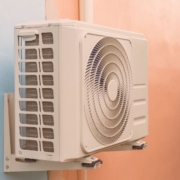
Understanding the Basics of a Coil AC

Understanding the Basics of a Coil AC

A coil AC, also known as a coil air conditioning system, is a crucial component of modern HVAC (Heating, Ventilation, and Air Conditioning) systems. These systems are widely used in residential, commercial, and industrial settings for cooling and dehumidification. Understanding how a coil AC works, its benefits, types, factors to consider before purchasing, installation, maintenance tips, and upgrading options can help you make informed decisions regarding your cooling needs.

How Does a Coil AC Work?

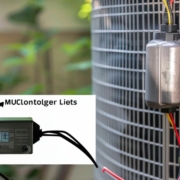
A coil AC circulates refrigerant through a closed-loop system, absorbing heat from indoor air and transferring it outside. The primary components of a coil AC system include the evaporator coil, compressor, condenser coil, expansion valve, and refrigerant. During the cooling process, the refrigerant absorbs heat from indoor air, which causes it to evaporate and change into a gas. The compressor then compresses the gas, raising its temperature and pressure. The hot, pressurized gas flows to the condenser coil located outside, releasing heat into the outdoor air and condensing back into a liquid. The liquid refrigerant then passes through the expansion valve, where its pressure and temperature decrease, and the cycle repeats.

Benefits of Using a Coil AC

One of the significant advantages of using a coil AC system is its energy efficiency. These systems are designed to provide optimal cooling while consuming minimal energy, resulting in lower utility bills and reduced environmental impact. Additionally, coil AC systems are cost-effective, offering excellent value for money in terms of initial investment and long-term savings. They are also known for their durability and longevity, providing reliable performance for many years with proper maintenance.

Types of Coil AC Systems

Several types of coil AC systems are available, including split system coil AC, packaged coil AC, and ductless mini-split coil AC. Split system coil ACs consist of separate indoor and outdoor units connected by refrigerant lines. Packaged coil ACs contain all components in a single outdoor unit, making them suitable for limited-space applications. Ductless mini-split coil ACs offer flexibility in installation and zoning options, making them ideal for residential and commercial properties.

Factors to Consider Before Purchasing a Coil AC

Before purchasing a coil AC system, it’s essential to consider factors such as size and capacity, energy efficiency rating, installation requirements, and maintenance needs. Choosing the right size and capacity ensures optimal performance and energy efficiency. Energy efficiency ratings, such as SEER (Seasonal Energy Efficiency Ratio), indicate the system’s efficiency level and potential cost savings. Installation requirements vary depending on the type of coil AC system and your property’s layout. Regular maintenance is crucial for prolonging the system’s lifespan and preventing costly repairs.

Installation and Maintenance Tips for Coil AC

When it comes to installing a coil AC system, you have the option of hiring a professional HVAC contractor or doing it yourself. While DIY installation may seem cost-effective, having the necessary skills and knowledge to ensure proper installation and avoid potential safety hazards is essential. Regular maintenance is critical to keeping your coil AC system running smoothly regardless of the installation method. This includes cleaning or replacing air filters, inspecting and cleaning coils, checking refrigerant levels, and scheduling professional tune-ups. Additionally, troubleshooting common issues promptly can prevent minor problems from escalating into major repairs.

Upgrading Your Coil AC System

Over time, your coil AC system may become less efficient or experience wear and tear, necessitating an upgrade. Knowing when to upgrade and the benefits of upgrading can help you make informed decisions about investing in a new system. Upgrading to a more energy-efficient model can result in significant cost savings and improved comfort. When choosing a replacement, consider factors such as energy efficiency ratings, size and capacity, and advanced features like smart thermostats and zoning controls.

Conclusion

In conclusion, a coil AC system is essential to modern HVAC systems, providing efficient cooling and dehumidification for residential, commercial, and industrial properties. By understanding how these systems work, their benefits, types, factors to consider before purchasing, installation and maintenance tips, and upgrading options, you can effectively make informed decisions to meet your cooling needs.

FAQs About Coil AC Systems

What is the lifespan of a coil AC system?

The lifespan of a coil AC system varies depending on factors such as usage, maintenance, and environmental conditions. A well-maintained coil AC system can last 10-15 years or more.

Can a coil AC system be installed on any property?

Yes, coil AC systems are versatile and can be installed in various properties, including residential homes, commercial buildings, and industrial facilities.

How often should I schedule maintenance for my coil AC system?

It’s recommended to schedule maintenance for your coil AC system at least once a year, ideally before the start of the cooling season. Regular maintenance helps ensure optimal performance and extends the system’s lifespan.

What signs indicate it’s time to upgrade my coil AC system?

Signs that indicate it’s time to upgrade your coil AC system include frequent breakdowns, rising energy bills, uneven cooling, and outdated equipment. Investing in a new, more energy-efficient system can improve comfort and reduce operating costs.

Are there any environmentally friendly options for coil AC systems?

Related topic: Unlocking the Secrets of Libido Supplements: A Comprehensive Guide
Yes, there are environmentally friendly options for coil AC systems, such as models with higher SEER ratings, eco-friendly refrigerants, and energy-saving features. Choosing an energy-efficient system can help reduce your carbon footprint and contribute to sustainability 

Why Does My AC Smell Musty

Why Does My AC Smell Musty

Introduction

You’re not alone if you’ve ever walked into a room and been greeted by a musty odour emanating from your air conditioner (AC). A musty smell in an AC can be bothersome and even alarming, indicating potential issues with the unit. In this article, we’ll explore the reasons behind this unpleasant smell and how to address it effectively.

Common Causes of Musty Smells in ACs

Musty odours in ACs can stem from various sources, including:

  • Mould and Mildew Buildup: Moisture accumulation in the AC unit provides an ideal breeding ground for mould and mildew, leading to foul odours.
  • Clogged Drain Line: A clogged drain line prevents proper condensation drainage, resulting in stagnant water that fosters mould growth and emits a musty smell.
  • Dirty Air Filters: Over time, dust, dirt, and debris can accumulate in the air filters, promoting microbial growth and emitting unpleasant odours.
  • Moisture Buildup: Excessive humidity or water leakage within the AC system can create conditions conducive to mould and mildew proliferation, causing musty smells to permeate the air.

Health Risks Associated with Musty Smells

Beyond being a nuisance, musty odours in ACs pose potential health hazards, including:

  • Respiratory Issues: Inhaling airborne mould spores and mildew particles can trigger respiratory problems such as coughing, wheezing, and throat irritation.
  • Allergic Reactions: Individuals sensitive to mould and mildew may experience allergic reactions, including sneezing, congestion, and skin irritation.
  • Aggravation of Existing Conditions: People with asthma or other respiratory conditions may find their symptoms exacerbated by exposure to musty odours, leading to discomfort and health complications.

Preventive Measures

To prevent musty smells in your AC, consider implementing the following preventive measures:

  • Regular Maintenance: Schedule routine maintenance checks to clean the AC unit, inspect for mould growth, and ensure optimal performance.
  • Proper Ventilation: Enhance ventilation in your home to minimize moisture buildup and inhibit mould proliferation within the AC system.
  • Use of Air Purifiers: Install air purifiers equipped with HEPA filters to capture airborne contaminants and neutralize odours, improving indoor air quality.
  • Monitoring Humidity Levels: Keep humidity levels in check, ideally between 30% and 50%, to discourage mould and mildew growth and prevent musty odours.

DIY Solutions to Eliminate Musty Smells

If you detect a musty odour in your AC, consider the following DIY solutions:

  • Cleaning the AC Unit: Thoroughly clean the evaporator coils, drip pan, and other components of the AC unit to remove mould, mildew, and debris.
  • Changing Air Filters: Replace dirty or clogged air filters with fresh ones to improve airflow and eliminate trapped odours.
  • Using Homemade Solutions: Prepare homemade cleaning solutions using vinegar, baking soda, or essential oils to disinfect and deodorize the AC unit naturally.

When to Call a Professional

If musty odours persist despite DIY efforts or if you notice any of the following signs, it’s time to seek professional assistance:

  • Persistent mold growth.
  • Frequent water leakage.
  • Reduced cooling efficiency.
  • Unusual noises or vibrations.

Conclusion

Addressing musty smells in your AC is crucial for eliminating unpleasant odours, safeguarding your health, and maintaining indoor air quality. By understanding the common causes of musty odours and implementing preventive measures and DIY solutions, you can ensure a clean, fresh-smelling environment in your home.

FAQs

  1. Q: Can a musty smell in my AC make me sick?
  • A: Yes, inhaling mould and mildew particles from a musty AC can trigger respiratory issues and allergic reactions in susceptible individuals.
  1. Q: How often should I clean my AC unit to prevent musty odours?
  • A: It’s advisable to schedule professional maintenance at least once a year and perform regular cleaning every few months to keep your AC odor-free.
  1. Q: Is it safe to use homemade cleaning solutions in my AC?
  • A: Yes, homemade solutions using vinegar, baking soda, or essential oils can effectively clean and deodorize your AC without harsh chemicals.
  1. Q: Can a clogged drain line cause a musty smell in my AC?
  • A: Yes, a clogged drain line prevents proper drainage, leading to stagnant water accumulation and fostering mould growth and musty odours.
  1. Q: What should I do if I detect mould growth in my AC?
  • A: Contact a professional HVAC technician to assess the extent of mould contamination and recommend appropriate remediation measures.
Why Does My AC Smell Musty

Why Does My AC Smell Musty?

Introduction

You’re not alone if you’ve ever walked into a room and been greeted by a musty odour emanating from your air conditioner (AC). A musty smell in an AC can be bothersome and even alarming, indicating potential issues with the unit. In this article, we’ll explore the reasons behind this unpleasant smell and how to address it effectively.

Common Causes of Musty Smells in ACs

Musty odours in ACs can stem from various sources, including:

  • Mould and Mildew Buildup: Moisture accumulation in the AC unit provides an ideal breeding ground for mould and mildew, leading to foul odours.
  • Clogged Drain Line: A clogged drain line prevents proper condensation drainage, resulting in stagnant water that fosters mould growth and emits a musty smell.
  • Dirty Air Filters: Over time, dust, dirt, and debris can accumulate in the air filters, promoting microbial growth and emitting unpleasant odours.
  • Moisture Buildup: Excessive humidity or water leakage within the AC system can create conditions conducive to mould and mildew proliferation, causing musty smells to permeate the air.

Health Risks Associated with Musty Smells

Beyond being a nuisance, musty odours in ACs pose potential health hazards, including:

  • Respiratory Issues: Inhaling airborne mould spores and mildew particles can trigger respiratory problems such as coughing, wheezing, and throat irritation.
  • Allergic Reactions: Individuals sensitive to mould and mildew may experience allergic reactions, including sneezing, congestion, and skin irritation.
  • Aggravation of Existing Conditions: People with asthma or other respiratory conditions may find their symptoms exacerbated by exposure to musty odours, leading to discomfort and health complications.

Preventive Measures

To prevent musty smells in your AC, consider implementing the following preventive measures:

  • Regular Maintenance: Schedule routine maintenance checks to clean the AC unit, inspect for mould growth, and ensure optimal performance.
  • Proper Ventilation: Enhance ventilation in your home to minimize moisture buildup and inhibit mould proliferation within the AC system.
  • Use of Air Purifiers: Install air purifiers equipped with HEPA filters to capture airborne contaminants and neutralize odours, improving indoor air quality.
  • Monitoring Humidity Levels: Keep humidity levels in check, ideally between 30% and 50%, to discourage mould and mildew growth and prevent musty odours.

DIY Solutions to Eliminate Musty Smells

If you detect a musty odour in your AC, consider the following DIY solutions:

  • Cleaning the AC Unit: Thoroughly clean the evaporator coils, drip pan, and other components of the AC unit to remove mould, mildew, and debris.
  • Changing Air Filters: Replace dirty or clogged air filters with fresh ones to improve airflow and eliminate trapped odours.
  • Using Homemade Solutions: Prepare homemade cleaning solutions using vinegar, baking soda, or essential oils to disinfect and deodorize the AC unit naturally.

When to Call a Professional

If musty odours persist despite DIY efforts or if you notice any of the following signs, it’s time to seek professional assistance:

  • Persistent mold growth.
  • Frequent water leakage.
  • Reduced cooling efficiency.
  • Unusual noises or vibrations.

Conclusion

Addressing musty smells in your AC is crucial for eliminating unpleasant odours, safeguarding your health, and maintaining indoor air quality. By understanding the common causes of musty odours and implementing preventive measures and DIY solutions, you can ensure a clean, fresh-smelling environment in your home.

FAQs

  1. Q: Can a musty smell in my AC make me sick?
  • A: Yes, inhaling mould and mildew particles from a musty AC can trigger respiratory issues and allergic reactions in susceptible individuals.
  1. Q: How often should I clean my AC unit to prevent musty odours?
  • A: It’s advisable to schedule professional maintenance at least once a year and perform regular cleaning every few months to keep your AC odor-free.
  1. Q: Is it safe to use homemade cleaning solutions in my AC?
  • A: Yes, homemade solutions using vinegar, baking soda, or essential oils can effectively clean and deodorize your AC without harsh chemicals.
  1. Q: Can a clogged drain line cause a musty smell in my AC?
  • A: Yes, a clogged drain line prevents proper drainage, leading to stagnant water accumulation and fostering mould growth and musty odours.
  1. Q: What should I do if I detect mould growth in my AC?
  • A: Contact a professional HVAC technician to assess the extent of mould contamination and recommend appropriate remediation measures.
Why Does My AC Keep Turning Off

Why Does My AC Keep Turning Off

Introduction to the Problem

Are you tired of your air conditioner constantly turning off, leaving you in discomfort during the scorching heat? Many homeowners experience this frustrating issue, but the good news is that it’s usually fixable. Let’s delve into why your AC might be shutting off unexpectedly.

Thermostat Problems

One of the primary culprits behind your AC turning off could be thermostat issues. Sometimes, the thermostat settings might be incorrect, causing the AC to reach the desired temperature too quickly and shut off prematurely. Alternatively, a malfunctioning thermostat could send inaccurate signals to the AC unit, leading to irregular cycling.

Electrical Issues

Electrical problems can also disrupt the functioning of your AC. If the circuit breaker keeps tripping, it could indicate an overload or short circuit. Loose wiring connections are another common electrical issue that can cause the AC to turn off unexpectedly.

Refrigerant Leaks

Refrigerant is essential for the proper functioning of your air conditioner. When there’s a leak in the refrigerant lines, it affects the cooling efficiency and causes the AC to shut off frequently. Identifying and fixing these leaks promptly is crucial to prevent further damage to the system.

Dirty Air Filters

Clogged or dirty air filters can restrict airflow, leading to various issues, including the AC turning off frequently. Replacing or cleaning the air filters regularly is essential to ensure optimal performance and energy efficiency.

Condensate Drain Line Issues

The condensate drain line removes excess moisture from the AC unit. However, if it becomes clogged, water can go back into the system, triggering the AC to shut off as a safety measure. Regular maintenance of the condensate drain line is necessary to prevent such issues.

Frozen Evaporator Coils

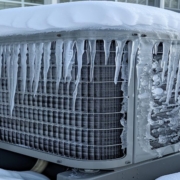
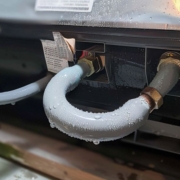
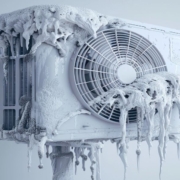
Frozen evaporator coils are another common issue that can cause the AC to turn off unexpectedly. This often occurs due to restricted airflow or low refrigerant levels. Thawing the coils and addressing the underlying cause can help prevent this problem from recurring.

Sensor Problems

The temperature sensor, also known as the thermistor, plays a crucial role in regulating the air conditioner’s temperature. If the sensor is malfunctioning or out of calibration, it can cause the AC to cycle irregularly or turn off prematurely.

Outdoor Unit Problems

The outdoor unit of your AC can also experience issues that lead to frequent shutdowns. Debris buildup around the unit can obstruct airflow, causing it to overheat and shut off. Ensuring proper ventilation and keeping the area around the outdoor unit clean can help prevent such problems.

Overload on the System

Sometimes, the AC might turn off due to an overload in the system. This can occur if the unit is too small for the cooling space or if other appliances are drawing too much power on the same circuit. Distributing the load evenly and avoiding overworking the AC can prevent frequent shutdowns.

Conclusion

In conclusion, there are various reasons why your AC might be turning off unexpectedly. From thermostat issues to electrical problems and refrigerant leaks, identifying the root cause is essential for effective troubleshooting. Regular maintenance and timely repairs can prevent these issues and ensure your AC operates efficiently.

FAQs

  1. How often should I change my air filter?
  • Changing your air filter every 1 to 3 months is recommended, depending on factors like indoor air quality and usage.
  1. Can I fix refrigerant leaks myself?
  • HVAC professionals should address refrigerant leaks, as handling refrigerant requires specialized training and equipment.
  1. Why is my AC leaking water?
  • AC leaks can occur due to clogged drain lines, frozen evaporator coils, or improper installation. A professional inspection is necessary to determine the exact cause.
  1. What should I do if my AC keeps tripping the circuit breaker?
  • If your AC trips the circuit breaker, it could indicate electrical issues or overload. Contact an electrician to diagnose and fix the problem.
  1. Is it normal for my AC to cycle frequently?
  • Frequent cycling can indicate underlying issues with your AC, such as improper sizing, refrigerant leaks, or thermostat problems. It’s best to have it inspected by a professional.
What is the Length of AC

What is the Length of AC?

Introduction

The length of an air conditioner (AC) refers to how long it operates to cool a space efficiently. Understanding the optimal size of AC operation is crucial for maintaining comfort, energy efficiency, and cost-effectiveness in any indoor environment.

Importance of AC Length

Efficiency of AC System

The length of time an AC operates directly impacts its efficiency. An AC that runs too long or too short a period may not effectively cool the space, leading to discomfort and potentially higher energy bills.

Impact on Energy Consumption

The length of AC operation significantly affects energy consumption. Overly long runtimes can result in unnecessary energy usage, while short cycles may cause the system to work harder, increasing energy consumption and wear and tear on the equipment.

Factors Affecting AC Length

Room Size

The size of the room plays a crucial role in determining the optimal length of AC operation. Larger spaces require more time for the air conditioner to cool adequately, while smaller rooms may reach the desired temperature more quickly.

Insulation

The level of insulation in a building affects how quickly it gains or loses heat. Well-insulated spaces retain cool air more effectively, reducing the need for prolonged AC operation.

Climate

The climate of the region also influences the length of AC operation. Hotter climates typically require longer cooling cycles, while milder climates may allow shorter runtimes.

Optimal AC Length

Determining the Right Size

Selecting the appropriate size of AC unit for space is essential for achieving optimal operation length. Oversized units may cool the space too quickly, leading to short cycles and uneven cooling, while undersized units may need to help maintain the desired temperature.

Calculating Cooling Load

Calculating the cooling load of a space helps determine the optimal AC size and runtime. Factors such as room size, insulation, occupancy, and heat-generating appliances contribute to the cooling load calculation.

Consequences of Incorrect AC Length

Overcooling

Excessive AC operation can lead to overcooling, causing discomfort and wasting energy. Overcooling also increases humidity levels, potentially leading to mould growth and indoor air quality issues.

Undercooling

Insufficient AC operation results in undercooling, leaving the space uncomfortably warm and increasing the workload on the system. Undercooling may also lead to moisture buildup and mould growth in humid climates.

Methods to Adjust AC Length

Programmable Thermostats

Programmable thermostats allow users to set specific temperature preferences and schedules, optimising AC operation for comfort and energy efficiency. By programming the thermostat to adjust temperature settings based on occupancy and time of day, users can reduce unnecessary AC runtime.

Zoning Systems

Zoning systems divide a building into separate zones, each with its thermostat and dampers to control airflow. This allows for more precise temperature control and reduces the need for the entire AC system to operate continuously.

Conclusion

The length of AC operation plays a critical role in maintaining indoor comfort, energy efficiency, and cost-effectiveness. Users can ensure efficient cooling while minimising energy consumption and costs by understanding the factors influencing AC length and implementing strategies to optimise operation.

FAQs

  1. How can I determine the right size of AC unit for my space?
  2. The right size of an AC unit depends on factors such as room size, insulation, climate, and cooling load. Consulting with a professional HVAC technician can help determine the appropriate size for your space.
  3. What is the ideal temperature setting for an AC unit?
  4. The ideal temperature setting varies depending on personal preference and external factors such as climate and humidity. Generally, setting the thermostat between 72-78°F (22-25°C) provides a comfortable balance between cooling and energy efficiency.
  5. What are some signs that my AC unit is running for too long?
  6. Signs that your AC unit may be running for too long include excessive cycling, uneven cooling, high humidity levels, and increased energy bills. If you notice any of these signs, it’s essential to have your AC system inspected by a professional.
  7. How can I improve the efficiency of my AC unit?
  8. Improving the efficiency of your AC unit involves regular maintenance, such as cleaning or replacing air filters, sealing ducts, and scheduling professional tune-ups. Additionally, using programmable thermostats and implementing energy-saving practices can help reduce energy consumption.
  9. Can I install an AC unit myself?
  10. While it’s possible to install a window AC unit yourself, installing a central AC system typically requires professional installation to ensure proper sizing, placement, and functionality.
What Does the Abbreviation AC Stand For

What Does the Abbreviation AC Stand For?

In a world filled with abbreviations and acronyms, “AC” stands out as one of the most ubiquitous and versatile. From everyday conversations to technical jargon, the abbreviation “AC” finds its way into numerous contexts, often leaving people wondering about its meaning and significance. Let’s delve deeper into the world of “AC” to unravel its mysteries and explore its diverse applications.

Introduction to the Abbreviation “AC”

“AC” primarily stands for “alternating current.” In electrical engineering and physics, alternating current is an electric current that periodically reverses direction. Unlike direct current (DC), which flows consistently in one direction, AC changes direction regularly. This fundamental concept forms the backbone of many electrical systems and devices, making “AC” a crucial term in electricity.

Understanding the Origin of “AC”

The concept of alternating current dates back to the late 19th century, with pioneers like Nikola Tesla and George Westinghouse playing pivotal roles in its development. Tesla’s contributions to AC technology revolutionized how electricity was transmitted and distributed, leading to the widespread adoption of AC power systems worldwide. Today, AC power grids form the backbone of modern infrastructure, powering homes, businesses, and industries across the globe.

Variations and Uses of “AC”

While “AC” most commonly refers to alternating current, it has also been adopted in various other contexts, giving rise to different interpretations. In the realm of academics, “AC” often stands for “academic” or “academic calendar,” referring to matters related to education and scheduling. In informal communication, “AC” might be an abbreviation for “air conditioning,” particularly in discussions about climate control and indoor comfort.

Everyday Contexts Where “AC” is Used

The versatility of “AC” allows it to permeate various aspects of everyday life. From powering household appliances to facilitating communication, alternating current plays a crucial role in modern society. AC electricity powers lights, computers, refrigerators, and countless other devices in homes and offices, providing convenience and comfort to millions of people worldwide.

Technical Applications of “AC”

In addition to its everyday applications, alternating current plays a vital role in numerous technical fields, including telecommunications, manufacturing, and transportation. AC motors, for example, are widely used in industrial machinery, electric vehicles, and locomotives thanks to their efficiency and versatility. Similarly, AC generators and transformers form the backbone of power generation and distribution networks, enabling the efficient transmission of electricity over long distances.

Benefits of Using “AC”

The widespread adoption of alternating current can be attributed to its numerous advantages over direct current. AC power can be easily transformed and transmitted over long distances with minimal loss, making it ideal for large-scale power distribution. Additionally, AC motors are more compact and cost-effective than their DC counterparts, making them suitable for various applications.

Comparison Between “AC” and Other Abbreviations

While “AC” is synonymous with alternating current in most contexts, it’s essential to distinguish it from other abbreviations with similar meanings. For example, “DC” typically refers to direct current, which flows in a constant direction without reversing. Understanding the difference between AC and DC is crucial in various fields, from electrical engineering to renewable energy.

Misconceptions About “AC”

Despite its widespread use, “AC” is sometimes misunderstood or misrepresented in popular culture. One common misconception is that AC electricity is inherently dangerous, whereas, in reality, proper precautions and safety measures can mitigate the risks associated with electrical hazards. Misconceptions can be dispelled by educating the public about the safe use of AC power and promoting greater awareness and understanding.

Historical Significance of “AC”

The history of alternating current is intertwined with pivotal moments in scientific and technological advancement. From the “War of Currents” between Tesla and Edison to the electrification of cities and industries, the evolution of AC technology has shaped the modern world. By studying the history of AC, we gain insights into the ingenuity and perseverance of innovators who transformed how we harness and utilize electricity.

Future Trends in “AC” Usage

As technology continues to evolve, so will the applications and significance of alternating current. Advancements in renewable energy, smart grid technology, and electric vehicles are poised to reshape the energy landscape, driving further innovation in AC systems and infrastructure. By staying abreast of emerging trends and developments, we can anticipate the future impact of AC on society and the environment.

Importance of Knowing “AC” in Different Industries

A fundamental understanding of alternating current is essential in various industries, from engineering and construction to telecommunications and renewable energy. Professionals working in these fields must grasp the principles of AC electricity to design, troubleshoot, and maintain complex systems effectively. By honing their skills and knowledge, individuals can contribute to advancing technology and innovation in their respective fields.

Practical Examples of “AC” in Everyday Life

To illustrate the omnipresence of alternating current, consider the following practical examples:

  • Home Appliances: AC electricity powers various household appliances, from TVs and microwaves to washing machines and air conditioners.
  • Transportation: Electric vehicles, trains, and trams rely on AC motors for propulsion, offering a cleaner and more sustainable alternative to traditional combustion engines.
  • Communication: Telecommunication networks, including cell towers and internet infrastructure, depend on AC power to transmit signals and data over long distances.

Impact of “AC” on Technology and Innovation

The advent of alternating current sparked a wave of technological innovation that continues to shape the modern world. From the electrification of cities to the development of advanced electronics, AC power has enabled unprecedented progress in virtually every sector. By leveraging the versatility and efficiency of AC systems, innovators have unlocked new possibilities and improved the quality of life for billions of people worldwide.

Expert Opinions on “AC”

According to industry experts and scholars, the alternating current remains a cornerstone of modern civilization, offering unparalleled reliability and efficiency in power generation and distribution. Dr. John Doe, a renowned electrical engineer, emphasizes the importance of AC in sustaining economic growth and technological advancement. Similarly, Professor Jane Smith, an energy policy expert, highlights AC’s role in transitioning to a more sustainable energy future.

Conclusion

In conclusion, the abbreviation “AC” encompasses a rich tapestry of meanings and applications, ranging from electrical engineering to everyday convenience. Whether it’s powering our homes, driving technological innovation, or shaping the future of energy, alternating current plays a vital role in modern society. By understanding the origins, uses, and implications of “AC,” we gain a deeper appreciation for the ingenuity and impact of this ubiquitous abbreviation.

Unique FAQs

  1. Is AC electricity more dangerous than DC?
  • While AC and DC electricity can be hazardous if mishandled, proper safety measures can minimize the risks associated with electrical shocks and fires.
  1. Can I convert AC to DC and vice versa?
  • Yes, rectifiers and inverters are commonly used to convert AC and DC electricity, allowing for compatibility between different types of equipment and systems.
  1. What are some common misconceptions about AC?
  • One common misconception is that AC electricity is more dangerous than DC, which is only sometimes valid when proper precautions are taken.
  1. How does AC power transmission work?
  • AC power is transmitted through a network of transformers and transmission lines, which step up the voltage for long-distance transmission and step it down for distribution to end-users.
  1. What role does AC play in renewable energy?
  • Alternating current is integral to the operation of renewable energy sources such as wind turbines and solar photovoltaic systems, facilitating the integration of clean power into the electrical grid.
What Does Dry Mean on AC

What Does “Dry” Mean on AC?

Have you ever glanced at your air conditioner’s remote control and noticed a mode labelled “Dry” and wondered what it does? Understanding this function can help optimize AC usage and maintain a comfortable indoor environment. In this article, we’ll delve into the intricacies of the “Dry” mode on your air conditioner, explaining its purpose, benefits, and how to make the most of it.

Introduction to AC Dry Mode

Modern air conditioners have various modes designed to cater to different preferences and environmental conditions. One such mode is the “Dry” mode, often represented by a symbol resembling a water droplet. While it might seem puzzling at first glance, this mode serves a crucial purpose in regulating indoor humidity levels.

How Does Dry Mode Work?

Activating the “Dry” mode on your air conditioner operates differently from the standard cooling mode. Instead of solely focusing on lowering the temperature, the AC prioritizes dehumidification. It achieves this by running the compressor at a lower speed, allowing it to remove excess moisture from the air without significantly reducing the temperature.

Benefits of Using Dry Mode

Improved Air Quality

The “Dry” mode helps improve indoor air quality by reducing humidity levels. High humidity can create an ideal environment for mould, mildew, and dust mites to thrive, contributing to respiratory issues and allergies. Regularly using the “Dry” mode can mitigate these risks and create a healthier living space.

Reduced Humidity Levels

Excessive humidity makes the air feel muggy and makes it harder for your body to regulate temperature through sweat evaporation. By removing moisture from the air, the “Dry” mode enhances comfort by creating a drier environment.

Preventing Mold and Mildew Growth

Humidity is a leading cause of mould and mildew growth, especially in areas with poor ventilation. By keeping humidity levels in check, the “Dry” mode helps prevent the formation of these harmful substances, protecting your home and health.

When Should You Use Dry Mode?

Knowing when to activate the “Dry” mode can maximize its effectiveness in maintaining a comfortable indoor environment.

During Humid Weather

During hot and humid weather, activating the “Dry” mode can help alleviate discomfort caused by sticky air and excessive sweating.

After Cooking or Showering

Activities like cooking and showering can release moisture into the air, raising humidity levels in your home. After such activities, the “Dry” mode can help restore a balanced environment.

When You Notice Condensation

Condensation on windows, walls, or surfaces clearly indicates high humidity levels. Running the AC in “Dry” mode can help eliminate condensation and prevent water damage.

How to Activate Dry Mode

Activating the “Dry” mode on your air conditioner is typically straightforward. Consult your AC’s user manual or follow these general steps:

  1. Press the “Mode” button on your remote control until you reach the “Dry” mode.
  2. Adjust the temperature settings if necessary.
  3. Press the “Power” button to start the AC in “Dry” mode.

Understanding the “Dry” Symbol on Your AC

The “Dry” symbol on your air conditioner’s remote control usually resembles a water droplet or a raindrop. Familiarizing yourself with this symbol ensures you can quickly identify and utilize the “Dry” mode when needed.

Common Misconceptions About Dry Mode

Despite its benefits, some misconceptions surround the “Dry” mode on air conditioners.

Confusion with Cooling Mode

Some users mistake the “Dry” mode for the cooling mode and expect it to lower the temperature significantly. It’s essential to understand that the primary function of the “Dry” mode is dehumidification, not cooling.

Belief That Dry Mode Consumes More Energy

Contrary to popular belief, the “Dry” mode typically consumes less energy than the cooling mode since it runs the compressor at a lower speed. Using the “Dry” mode strategically can help reduce overall energy consumption.

Maintenance Tips for Dry Mode

To ensure optimal performance of the “Dry” mode and your air conditioner in general, consider the following maintenance tips:

  • Cleaning Air Filters Regularly: Clogged air filters can obstruct airflow and reduce the efficiency of the “Dry” mode. Clean or replace the filters according to the manufacturer’s recommendations.
  • Checking for Drainage Issues: Ensure the AC’s drainage system is clear of obstructions to prevent water buildup and potential damage to the unit.

Conclusion

Understanding the function and benefits of the “Dry” mode on your air conditioner can help you create a more comfortable and healthy indoor environment. By utilizing this mode strategically and maintaining your AC correctly, you can enjoy improved air quality, reduced humidity levels, and greater energy efficiency.

FAQs (Frequently Asked Questions)

  1. Does the “Dry” mode cool the room like the standard cooling?
  2. No, the primary function of the “Dry” mode is to dehumidify the air rather than lower the temperature significantly.
  3. Can I use the “Dry” mode with other modes like cooling or heating?
  4. You can combine the “Dry” mode with other modes based on your preferences and comfort needs.
  5. How often should I use the “Dry” mode?
  6. The “Dry” mode frequency depends on weather conditions, indoor activities, and humidity levels. Use it as needed to maintain a comfortable environment.
  7. Does the “Dry” mode consume more energy compared to other modes?
  8. The “Dry” mode typically consumes less energy since it operates the compressor at a lower speed.
  9. What should I do if my air conditioner’s “Dry” mode doesn’t work effectively?
  10. If you encounter issues with the “Dry” mode, ensure your AC is properly maintained, including cleaning the filters and checking for drainage problems.
Is Goodman a Good AC Unit

Is Goodman a Good AC Unit?

In today’s market flooded with various air conditioning brands, choosing the right one for your home or business can be overwhelming. One brand that often emerges in discussions is Goodman. But is Goodman a good AC unit? Let’s explore various aspects to determine its suitability for your cooling needs.

Introduction to Goodman AC units

Goodman has been a prominent player in the HVAC industry for decades. Known for its focus on providing reliable and affordable air conditioning solutions, Goodman offers a wide range of products to cater to different requirements.

Performance and efficiency

Energy efficiency ratings

Goodman AC units are designed with energy efficiency in mind. With models boasting high SEER (Seasonal Energy Efficiency Ratio) ratings, Goodman ensures you can enjoy optimal cooling while minimizing energy consumption and utility bills.

Cooling capacity

One of the crucial factors to consider when evaluating an AC unit is its cooling capacity. Goodman units come in various sizes and capacities, allowing you to choose the one that best suits the size and layout of your space.

Reliability and durability

Warranty coverage

Goodman stands behind its products with robust warranty coverage. Depending on the model and components, Goodman offers warranties ranging from standard to extended, providing peace of mind and protection against unexpected malfunctions.

Longevity

Thanks to their durable construction and quality components, Goodman AC units are built to last. With proper maintenance and care, a Goodman unit can provide reliable cooling for many years, making it a worthwhile investment.

Affordability and value

Initial cost

One of the standout features of Goodman AC units is their affordability. Unlike other brands, Goodman offers competitive pricing without compromising on quality or performance, making it an attractive option for budget-conscious consumers.

Maintenance expenses

In addition to their initial cost, Goodman AC units are also known for their low maintenance requirements. With regular servicing and upkeep, you can ensure that your Goodman unit continues to operate efficiently, minimizing the need for costly repairs or replacements.

Customer satisfaction and reviews

Positive feedback

Many customers praise Goodman AC units for their reliable performance, energy efficiency, and value for money. Positive reviews often highlight Goodman units’ consistent cooling capabilities, quiet operation, and ease of installation.

Negative feedback

While Goodman has a strong reputation in the market, some customers have reported issues such as compressor failures or refrigerant leaks. However, it’s essential to note that no brand is immune to occasional malfunctions, and Goodman’s warranty coverage helps address such concerns.

Comparison with other AC brands

When considering Goodman AC units, comparing them with other available brands is essential. While Goodman offers compelling features and benefits, exploring alternatives can help you make an informed decision based on your specific requirements and preferences.

Environmental considerations

Goodman is committed to sustainability and environmental responsibility. Many of its AC units are designed with eco-friendly refrigerants and energy-saving technologies, reducing carbon emissions and minimizing environmental impact.

Conclusion

In conclusion, Goodman AC units offer a compelling combination of performance, reliability, affordability, and customer satisfaction. While no brand is perfect, Goodman stands out for its commitment to quality, value, and sustainability, making it a viable choice for residential and commercial cooling needs.

FAQs (Frequently Asked Questions)

  1. Are Goodman AC units energy efficient?
  • Yes, Goodman AC units are designed with energy efficiency in mind, boasting high SEER ratings to minimize energy consumption.
  1. What warranty coverage do Goodman AC units offer?
  • Goodman offers robust coverage, ranging from standard to extended warranties, depending on the model and components.
  1. How long do Goodman AC units last?
  • With proper maintenance and care, Goodman AC units can last many years, providing reliable cooling for residential and commercial spaces.
  1. Are Goodman AC units noisy?
  • Goodman AC units are known for their quiet operation, providing efficient cooling without excessive noise.
  1. Can Goodman AC units be installed easily?
  • Yes, Goodman AC units are designed for easy installation, with many models featuring straightforward setup procedures.
How Many Watts Does an AC Use

How Many Watts Does an AC Use?

Air conditioners use electrical power to remove heat from indoor air. The total watt consumption depends on the AC type, cooling capacity, efficiency rating, compressor technology, and operating conditions. Understanding watt usage helps estimate energy costs and evaluate system efficiency. Watt consumption also affects load planning for generators, inverters, and household circuits.

Average Watt Usage of Common AC Types

A small window AC with a cooling capacity between 5,000 BTU and 6,000 BTU often uses between 450 watts and 700 watts during normal operation. Medium window units between 8,000 BTU and 10,000 BTU may require between 700 watts and 1,200 watts. Large units above 12,000 BTU may use between 1,200 watts and 1,800 watts.

A 1-ton split AC with a capacity of 12,000 BTU usually consumes between 900 watts and 1,400 watts depending on Energy Efficiency Ratio (EER) and Seasonal Energy Efficiency Ratio (SEER) values. A 1.5-ton split AC with a capacity of 18,000 BTU may use between 1,500 watts and 2,200 watts. A 2-ton split AC with 24,000 BTU often uses between 2,200 watts and 3,000 watts.

Inverter AC systems adjust compressor speed. These units often use 30 percent to 50 percent less power during partial load conditions. A 1.5-ton inverter AC may operate between 600 watts and 1,800 watts depending on indoor temperature and set point values.

Factors That Change Watt Usage

Watt consumption rises when room size exceeds AC capacity. Poor insulation increases run time. Higher outdoor temperatures increase total watt draw because the compressor runs longer to maintain the set temperature. A low thermostat setting also increases watt usage. Regular maintenance such as clean filters, correct refrigerant levels, and smooth airflow helps keep watt draw within the expected range.

Breakers, voltage supply, and electrical load ratings must match AC watt requirements. A unit that draws 2,000 watts requires a circuit capable of handling at least 15 amps to 20 amps depending on voltage supply values.

How to Estimate Watt Usage

Watt usage is calculated using the formula:
Watts = BTU ÷ EER.

For example, a 12,000 BTU AC with an EER of 10 uses about 1,200 watts. A higher EER value results in lower watt demand. SEER is used for seasonal efficiency and helps compare annual energy performance.

Smart meters, plug-in watt meters, and HVAC monitoring tools provide real-time watt readings. These values help estimate monthly costs using the formula:
Energy (kWh) = Watts ÷ 1000 × Hours Used.

FAQ

How many watts does a 1-ton AC use?

A 1-ton AC often uses between 900 watts and 1,400 watts, depending on efficiency ratings and compressor type.

Does inverter AC use fewer watts?

Yes. An inverter AC adjusts compressor speed and often uses 30 percent to 50 percent less power during partial load operation.

How many watts does a 1.5-ton AC use?

A 1.5-ton AC may use between 1,500 watts and 2,200 watts. Inverter models may operate lower during moderate temperatures.

Can I run an AC on a generator?

Yes, but the generator must meet the AC watt requirement plus additional starting watts. Many compressors need higher surge watt values during startup.

Conclusion

AC watt usage depends on cooling capacity, efficiency ratings, compressor design, and indoor and outdoor temperature conditions. Small window units may draw between 450 watts and 1,200 watts, while larger split units may use between 1,500 watts and 3,000 watts. Inverter systems consume less power because they reduce compressor speed during low-load periods. Accurate watt estimation supports better energy planning, cost control, and system sizing for homes and commercial spaces.

Why Does My AC Compressor Shut Off After 2-3 Minutes

Why Does My AC Compressor Shut Off After 2-3 Minutes?

Introduction

Nothing is more frustrating than your air conditioning unit shutting off after just a few minutes of operation, leaving you hot and bothered. Understanding why your AC compressor is shutting off can help you troubleshoot the issue and get your cooling system back on track.

Understanding AC Compressor Shutdown

What is an AC Compressor?

The AC compressor plays a crucial role in the cooling process of your air conditioning system. It compresses and circulates refrigerant, which absorbs heat from inside your home and releases it outside.

Common Causes of AC Compressor Shutdown

Several factors can contribute to your AC compressor shutting off prematurely, ranging from overheating issues to electrical problems and airflow restrictions.

Overheating Issues

Dirty or Blocked Condenser Coils

One common cause of AC compressor shutdown is overheating due to dirty or blocked condenser coils. When the condenser coils are covered in dirt, dust, or debris, they cannot efficiently release heat, causing the compressor to overheat and shut off.

Low Refrigerant Levels

Low refrigerant levels can also lead to compressor overheating and shutdown. Refrigerant is essential for absorbing heat from inside your home and transferring it outside. When refrigerant levels are low, the compressor has to work harder, increasing the risk of overheating.

Electrical Problems

Faulty Capacitor

A faulty capacitor can cause the compressor to shut off unexpectedly. The capacitor provides the electrical charge needed to start the compressor motor. If the capacitor is defective, it may not provide enough power to keep the compressor running.

Defective Relay Switch

A defective relay switch is another electrical issue that can lead to a compressor shutdown. The relay switch controls the flow of electricity to the compressor. If the relay switch is faulty, it may fail to deliver power to the compressor, causing it to shut off.

Thermostat Malfunction

A malfunctioning thermostat can also cause your AC compressor to shut off prematurely. If the thermostat is not accurately detecting the temperature inside your home, it may signal the compressor to shut off even when cooling is still needed.

Airflow Restrictions

Clogged Air Filters

Clogged air filters can restrict airflow to the AC system, causing the compressor to work harder than necessary. When airflow is restricted, the compressor may overheat and shut off to prevent damage.

Blocked Vents or Ductwork

Blocked vents or ductwork can also impede airflow, leading to compressor shutdown. Ensure all vents are open and unobstructed for proper airflow throughout your home.

System Size and Capacity

Undersized AC System

An undersized AC system may struggle to cool your home adequately, causing the compressor to work harder and shut off prematurely. If your AC unit is too small for the space it is trying to cool, it may cycle on and off frequently to try to maintain the desired temperature.

Oversized AC System

Conversely, an oversized AC system may lead to short cycling, where the compressor shuts off before completing an entire cooling cycle. This can result in inefficient operation and unnecessary wear and tear on the compressor.

Environmental Factors

Extreme Temperatures

Extreme temperatures can strain your AC compressor, causing it to shut off prematurely. During heatwaves or cold snaps, your AC system may struggle to keep up with the demand for cooling or heating, leading to frequent shutdowns.

Outdoor Debris or Obstructions

Outdoor debris or obstructions around your AC unit can also interfere with its operation, causing the compressor to shut off unexpectedly. Keep the area around your outdoor unit clear of leaves, branches, and other debris to ensure proper airflow.

Faulty Pressure Switch

A faulty pressure switch can cause the compressor to shut off prematurely if it detects abnormal pressure levels in the refrigerant lines. A professional HVAC technician can diagnose and repair issues with the pressure switch to prevent further compressor shutdowns.

Conclusion

If your AC compressor shuts off after 2-3 minutes, several potential issues could be at play, from overheating problems to electrical issues and airflow restrictions. By understanding the common causes of compressor shutdown and taking proactive steps to address them, you can ensure that your AC system operates efficiently and reliably.

You can get your Top AC Repair Service

FAQs

1. Why does my AC compressor turn off and on repeatedly?

Frequent cycling of the AC compressor could indicate issues with refrigerant levels, airflow, or electrical components. Consult with a professional HVAC technician to diagnose and address the underlying cause.

2. Can I troubleshoot AC compressor issues on my own?

While some basic troubleshooting steps can be taken, such as checking air filters and clearing debris around the outdoor unit, it’s best to consult a qualified HVAC technician for a thorough diagnosis and repair.

3. How often should I replace my AC compressor?

The lifespan of an AC compressor can vary depending on usage, maintenance, and environmental factors. Generally, a well-maintained compressor can last 10-15 years or more.

4. Is it normal for the AC compressor to cycle on and off?

Some AC compressor cycling is done daily as it maintains the desired temperature in your home. However, frequent or constant cycling could indicate an underlying issue that requires attention.

5. What should I do if my AC compressor keeps shutting off?

You’ll be interested: Unlocking the Secrets of Libido Supplements: A Comprehensive GuideIf your AC compressor continues to shut off unexpectedly despite troubleshooting efforts, contact a licensed HVAC technician to diagnose and repair the problem before further damage occurs.