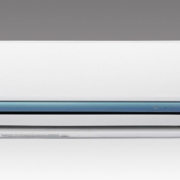
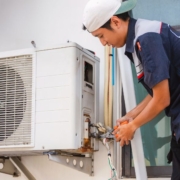
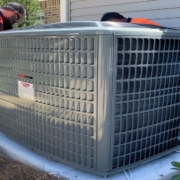
Modern air conditioners often come with multiple modes designed to improve comfort and efficiency. One of these options is the dry mode. Many homeowners are unsure of what this setting does and how it differs from regular cooling. Understanding the purpose of dry mode helps users operate their system more effectively and maintain indoor air quality.
What Is Dry Mode on an AC
Dry mode is a setting that reduces humidity in the air without focusing on lowering the temperature as much as the cooling mode. Air conditioners remove moisture during normal operation, but the dry function emphasizes dehumidification. This makes the air feel cooler and more comfortable even if the temperature does not change significantly.
How Dry Mode Works
When dry mode is activated, the AC runs the compressor and fan at a slower pace. Instead of operating continuously to reach a set temperature, the system cycles on and off to remove excess moisture. The evaporator coil condenses water vapor from the air, which is then drained outside through the condensate line.
This process lowers humidity levels in the room while consuming less energy than full cooling mode. The temperature usually remains steady, but the reduced moisture makes the environment more comfortable.
Benefits of Using Dry Mode
Improved Comfort
High humidity makes a room feel warmer than it actually is. Reducing moisture levels helps occupants feel cooler even at the same temperature setting.
Energy Efficiency
Dry mode uses less power compared to cooling mode because the compressor does not run continuously. This helps reduce energy bills.
Protection Against Mold and Mildew
Moisture creates an ideal environment for mold and mildew growth. Running dry mode lowers indoor humidity, reducing the risk of mold buildup inside the home or AC unit.
Better Air Quality
Excess humidity can cause musty odors and increase allergens in the air. Removing moisture improves indoor air quality.
When to Use Dry Mode
Dry mode is most effective during humid weather when the temperature is not very high. It is ideal during rainy seasons or in coastal areas where humidity levels are elevated. However, it is not designed to replace cooling mode during extremely hot conditions, as its primary function is moisture control rather than temperature reduction.
Difference Between Cool Mode and Dry Mode
Cool Mode: Focuses on lowering the room temperature to the desired setting. The compressor runs longer to achieve and maintain cooling.
Dry Mode: Focuses on reducing humidity. The compressor and fan run intermittently, removing moisture while keeping energy use lower.
Both modes provide comfort but serve different purposes depending on indoor conditions.
Frequently Asked Questions
Does dry mode save electricity? Yes, dry mode consumes less energy compared to cooling mode because the compressor runs less often.
Can dry mode replace a dehumidifier? Dry mode reduces humidity effectively, but a dedicated dehumidifier is more powerful for spaces with consistently high moisture levels.
Is dry mode suitable for hot summer days? No, dry mode is not designed to handle high temperatures. It works best in mild but humid weather.
How long should I run my AC in dry mode? It depends on humidity levels, but running it for a few hours is usually enough to balance indoor moisture.
Does dry mode make the room colder? It may lower the temperature slightly, but its main function is reducing humidity rather than cooling the air.
Conclusion
Dry mode on an air conditioner is designed to reduce indoor humidity without heavily lowering the temperature. It works by cycling the compressor and fan to remove excess moisture, improving comfort and indoor air quality. This mode is especially useful in humid climates or during rainy seasons. While it cannot replace full cooling during hot conditions, it helps save energy, prevents mold growth, and makes the living space more comfortable.
https://www.premiercoolingandheating.com/wp-content/uploads/2025/09/What-Does-Dry-Mean-on-AC.jpg6001200Va Imdadhttps://www.premiercoolingandheating.com/wp-content/uploads/2023/05/Logo-300x81.jpgVa Imdad2025-09-29 05:36:182025-09-29 05:36:21What Does Dry Mean on AC
An air conditioning unit should provide cool and fresh air. When it starts releasing unpleasant odors, it indicates an issue that needs attention. Bad smells from an AC unit can range from musty odors to burning or chemical-like scents. Each type of smell points to a specific problem within the system. Understanding the causes helps identify the problem and prevent further damage.
Common Reasons an AC Smells Bad
Mold and Mildew Growth
Moisture often builds up inside air conditioning systems, especially in the evaporator coils and drain pans. When the moisture is not drained properly, it creates the perfect environment for mold and mildew. This usually produces a musty or damp smell.
Clogged Condensate Drain Line
The condensate drain line removes excess water from the system. When it becomes clogged with dirt, dust, or algae, water can back up inside the unit. This not only causes leaks but also produces foul odors.
Dirty Air Filters
Air filters trap dust, pollen, and debris. If filters are not changed regularly, they collect too much dirt and can produce a stale or dusty odor. Dirty filters also reduce airflow and efficiency.
Electrical Issues
A burning smell may indicate wiring problems, overheating components, or malfunctioning motors. This type of odor is serious and requires immediate professional inspection to prevent fire risks.
Dead Animals or Insects
Small rodents or insects can sometimes enter ductwork or the unit itself. If they become trapped and die, a strong foul smell spreads through the airflow.
Refrigerant Leaks
A chemical or sweet smell often points to a refrigerant leak. Refrigerants are crucial for cooling, and a leak not only reduces performance but can also be harmful to health.
How to Identify the Source of the Smell
The type of odor often reveals the underlying problem.
A musty smell usually means mold or mildew.
A burning odor often signals electrical problems.
A rotten smell suggests a dead animal in the system.
A chemical smell may point to refrigerant issues.
Technicians use inspections to confirm the cause. Checking filters, drain lines, ducts, and coils helps identify where the smell originates.
How to Prevent Bad Smells from AC Units
Regular maintenance is the most effective way to keep an AC system smelling fresh. Replacing air filters every 1 to 3 months, cleaning the drain line, and scheduling annual professional inspections reduce odor risks. Keeping ducts clean also prevents buildup of dust, mold, and bacteria that produce bad smells.
Frequently Asked Questions
Why does my AC smell like mildew? This often means moisture is trapped inside the system, allowing mold and mildew to grow. Cleaning coils, pans, and drain lines usually solves the issue.
Is a burning smell from the AC dangerous? Yes, a burning odor can signal electrical problems. It should be inspected immediately to avoid fire hazards.
Can dirty filters make my AC smell bad? Yes, dirty filters trap debris and bacteria, which can produce stale or dusty odors if not replaced regularly.
Why does my AC smell like chemicals? A chemical smell may indicate a refrigerant leak, which reduces cooling efficiency and can affect indoor air quality.
Can pests cause odors in my AC system? Yes, rodents or insects inside ducts or the unit can create strong foul smells if they die or leave waste behind.
Conclusion
A bad smell from an AC unit is a sign of underlying issues that need prompt attention. Mold growth, clogged drain lines, dirty filters, electrical problems, pests, or refrigerant leaks are common causes. Identifying the odor type helps determine the source of the problem. Regular maintenance, including filter changes and system cleaning, prevents most odor issues. Timely inspection by HVAC professionals ensures the system works safely, efficiently, and without unpleasant smells.
https://www.premiercoolingandheating.com/wp-content/uploads/2025/09/Why-Does-My-AC-Smell-Bad.jpg6001200Va Imdadhttps://www.premiercoolingandheating.com/wp-content/uploads/2023/05/Logo-300x81.jpgVa Imdad2025-09-29 05:34:152025-09-29 05:34:18Why Does My AC Smell Bad
Replacing an air conditioning unit is a major task that involves planning, preparation, and professional installation. Many homeowners want to know how much time it will take before their new system is ready to use. The installation timeline depends on several factors, including the type of unit, home size, ductwork condition, and the expertise of the HVAC technician.
Average Time for AC Unit Replacement
On average, replacing an AC unit takes between 4 to 8 hours. For a straightforward swap of an old unit with a new one of similar size and design, the process can often be completed in half a day. However, more complex replacements may extend to a full day or even two days.
Factors That Affect Installation Time
Type of AC Unit
Central air conditioning systems typically take longer to replace compared to smaller ductless mini-splits. A central system requires connecting to existing ductwork, electrical wiring, and refrigerant lines, while ductless units need less structural work.
Condition of Ductwork
If ductwork is in good condition, the installation is faster. However, damaged or outdated ducts may need repairs or replacement. This additional work can add 1 to 3 days depending on the extent of changes required.
Size of the Home
Larger homes often need bigger systems, which take more time to install. A small residential system may be installed within a few hours, while larger units designed for multi-level homes take longer.
Accessibility of the Unit Location
If the air conditioning system is located in an attic, crawl space, or tight area, technicians may need extra time for removal and installation. Easy-to-reach locations speed up the process.
Permits and Safety Checks
Some states and cities require permits for AC replacement. HVAC technicians may also need to perform safety checks and inspections, which can extend the total time.
Step-by-Step Timeline of AC Replacement
Removal of the Old Unit – Disconnecting the refrigerant, electrical wiring, and removing the old system usually takes 1 to 2 hours.
Preparation Work – This includes setting the new pad, adjusting duct connections, or preparing the site, which may take 1 to 3 hours.
Installing the New Unit – Placing the system, connecting refrigerant lines, wiring, and attaching ductwork usually requires 2 to 4 hours.
Testing and Inspection – After installation, the technician checks for leaks, measures airflow, tests electrical systems, and ensures the system runs efficiently. This step takes 1 to 2 hours.
Frequently Asked Questions
How long does it take to install a central AC system in a new home? Installing a brand-new central AC system in a home without existing ductwork can take 3 to 5 days because technicians need to design and install the duct system.
Can AC replacement be done in one day? Yes, most replacements where ductwork is already in place can be completed in a single day, usually within 6 to 8 hours.
Does replacing ductwork add more time? Yes, replacing ductwork can add several days to the project, depending on the size and complexity of the home.
How soon can you use the AC after replacement? Once installation and testing are complete, the system is ready to use immediately.
Is AC replacement faster for ductless systems? Yes, ductless mini-split systems can be installed in 4 to 6 hours, making them quicker than central systems.
Conclusion
Replacing an AC unit generally takes 4 to 8 hours, though certain conditions may extend the process. The type of unit, condition of ductwork, and accessibility of the installation site all influence the timeline. For most homeowners, AC replacement is completed in a single day, allowing the new system to operate efficiently and restore comfort quickly. Professional installation ensures safe operation, energy efficiency, and compliance with local regulations.
https://www.premiercoolingandheating.com/wp-content/uploads/2025/09/How-Long-Does-It-Take-to-Replace-an-AC-Unit.jpg6001200Va Imdadhttps://www.premiercoolingandheating.com/wp-content/uploads/2023/05/Logo-300x81.jpgVa Imdad2025-09-29 05:32:102025-09-29 05:32:26How Long Does It Take to Replace an AC Unit
Replacing an AC capacitor is a crucial maintenance task that can help ensure your air conditioning system operates efficiently. The AC capacitor plays a key role in powering the compressor and fan motor, making it an essential component for cooling your home effectively. When it fails, your air conditioner may struggle to start or fail to function entirely, leading to discomfort and potentially higher energy costs.
Learning how to replace an AC capacitor can save you significant repair expenses and reduce
downtime during the hotter months. This step-by-step guide will walk you through the process in five easy steps, ensuring you complete the replacement safely and correctly.
Before beginning, it’s essential to prioritize safety by following proper precautions and using the right tools. With careful attention and the information in this guide, you can restore your AC’s performance and maintain a comfortable indoor environment.
What is an AC Capacitor, and Why Does It Fail (https://www.premiercoolingandheating.com)
What is an AC Capacitor, and Why Does It Fail?
Definition and Function
An AC capacitor is an essential electrical component within an air conditioning system. It stores and releases electrical energy to power the compressor, fan, and blower motor, enabling the system to start and maintain operation efficiently. Capacitors come in two main types: start capacitors and run capacitors. Start capacitors provide the extra energy needed to start the system, while run capacitors ensure steady energy flow during operation.
Common Reasons for Failure
Over time, AC capacitors may fail due to several factors. Excessive heat exposure can degrade their internal components, especially during prolonged use in high temperatures. Power surges, such as those caused by lightning or electrical issues, can damage the capacitor’s delicate circuits. Age is another significant factor; most capacitors have a lifespan of 10–20 years, depending on quality and usage.
Other causes include manufacturing defects, physical damage, or improper installation. When a capacitor fails, signs like a humming noise, failure of the AC to start, or warm air instead of cool air indicate a potential problem. Identifying these symptoms early can help prevent further damage to the system.
Tools and Materials You’ll Need (https://www.premiercoolingandheating.com)
Tools and Materials You’ll Need
Essential Tools
Several tools are necessary to replace an AC capacitor safely and effectively. A screwdriver is required to remove the AC unit’s access panel, while needle-nose pliers are helpful for disconnecting and reconnecting wires securely. An insulated multimeter is crucial for testing the capacitor and ensuring the power is off before starting the replacement process. Insulated gloves are recommended to protect against accidental electrical contact during the procedure.
Replacement Capacitor
The new AC capacitor must match the specifications of the old one. This includes the capacitance value (measured in microfarads, µF), voltage rating, and type. These details are usually printed on the old capacitor’s label. Using a capacitor with incorrect specifications can lead to system malfunctions or damage.
Safety Gear
Safety should be prioritized during the replacement process. Protective gear, such as insulated gloves and safety goggles, minimizes the risk of electrical shocks and debris-related injuries. Ensuring proper lighting and ventilation further enhances safety while working on the unit.
Safety Precautions Before You Start (https://www.premiercoolingandheating.com)
Safety Precautions Before You Start
Turn Off Power to the AC Unit
Before starting any work, ensure the power to the AC unit is turned off at the main breaker box.
This step eliminates the risk of electric shock while handling the capacitor. Do not rely solely on the thermostat to turn off the system; always disconnect power directly from the breaker.
Verify Power is Off
After switching off the breaker, use a multimeter to confirm that no electrical current is running to the AC unit. Touch the multimeter’s probes to the terminals where the power connects to ensure the system is completely de-energized.
Discharge the Old Capacitor
Capacitors can hold a dangerous electrical charge even with the power turned off. Use an insulated screwdriver to carefully short the terminals of the old capacitor, discharging any residual electricity. This step is critical to avoid accidental shocks.
Prepare the Workspace
Work in a well-lit, ventilated area to improve visibility and reduce risks. Ensure the surrounding area is free of debris or obstructions that might cause accidents. If working outdoors, be cautious of weather conditions and avoid wet environments.
Wear Protective Gear
Always wear insulated gloves to protect your hands from accidental contact with electrical components. Safety goggles should shield your eyes from debris or sparks during the process. Proper protective gear is a non-negotiable safety measure for this task.
Step-by-Step Guide to Replacing an AC Capacitor (https://www.premiercoolingandheating.com)
Step-by-Step Guide to Replacing an AC Capacitor
Step 1: Access the AC Unit Panel
Locate the service panel on the outdoor AC unit. Remove the screws securing the panel using a
screwdriver. Carefully set the screws aside to avoid losing them. Once open, identify the capacitor, a cylindrical or oval component typically attached to the motor with wires leading to its terminals. Take a picture or note the placement of the wires to ensure correct reassembly.
Step 2: Disconnect and Remove the Faulty Capacitor
Ensure the power is off and the capacitor has been discharged. Use insulated gloves and needle-nose pliers to carefully disconnect each wire from the capacitor capacitors. Label the wires if necessary to remember their positions. Remove the mounting bracket or clip holding the capacitor in place, and take out the old capacitor.
Step 3: Install the New Capacitor
Check that the new capacitor matches the old capacitance and voltage ratings. Place the new capacitor in the same position as the old one and secure it with the mounting bracket or clip. Reconnect the wires to their corresponding terminals per the labels or photographs taken earlier. Ensure all connections are tight and secure.
Step 4: Test the Installation
After securing the wires, a multimeter confirms proper installation by measuring the new capacitor’s voltage and capacitance. Double-check the wiring to ensure there are no loose connections. Once verified, turn the power back on at the breaker box and run the AC system to confirm it starts and operates as expected.
Step 5: Secure and Close the Panel
Turn the power off again and carefully replace the service panel. Tighten the screws to ensure the panel is securely closed, protecting the internal components. Clear the area of any tools or debris and confirm the system is functioning efficiently.
Troubleshooting Common Issues After Replacement
AC Unit Fails to Start
If the AC does not start after you replace the capacitor, recheck the wiring connections. Ensure that each wire is securely attached to the correct terminal as per the capacitor’s labelling or your reference image. Verify that the power is restored at the breaker box and that the thermostat is set correctly.
Unusual Noises or Vibrations
Humming, buzzing, or other unusual sounds may indicate an improperly installed or defective capacitor. A multimeter will test the new capacitor’s voltage and capacitance. If the readings do not match the specified ratings, consider replacing the capacitor again with a correctly rated unit.
AC Running Inefficiently
Check for loose or damaged wires if the system starts but does not cool effectively or struggles to maintain consistent airflow. Inspect the fan motor and compressor for signs of strain, as the initial capacitor failure may have affected these components.
Frequent Tripping of the Breaker
A breaker that trips repeatedly after capacitor replacement may indicate an electrical issue beyond the capacitor. Check for short circuits, damaged wiring, or mismatched capacitor specifications. If the problem persists, consult a professional HVAC technician for further diagnosis.
Overheating or Shutdowns
Overheating during operation can occur if the capacitor is installed in a location with poor
ventilation or high ambient temperatures. To prevent thermal stress on the components, ensure the AC unit is placed in a shaded, well-ventilated area.
Maintenance Tips to Extend the Life of Your AC Capacitor
Perform Regular Inspections
Inspect the AC capacitor and surrounding components periodically for signs of wear, corrosion, or swelling. Early detection of damage helps prevent failures and prolongs the capacitor’s lifespan.
Clean the Area Around the Unit
Ensure the area surrounding the outdoor AC unit is free from debris, leaves, and dirt. Blockages can restrict airflow, causing the system to overheat and placing additional strain on the capacitor.
Monitor Voltage Levels
Fluctuations in voltage can stress the capacitor and lead to premature failure. Use a surge protector or voltage regulator to safeguard the AC unit against power surges and electrical instability.
Maintain Proper Ventilation
Place the outdoor unit in a well-ventilated location, preferably shaded, to minimize exposure to excessive heat. High temperatures accelerate capacitor deterioration, so keeping the unit cool can significantly extend its service life.
Schedule Routine Professional Maintenance
Regular servicing by an HVAC professional ensures all components, including the capacitor, are functioning efficiently. Professionals can detect potential issues early and perform necessary adjustments or replacements as needed.
Conclusion
Replacing an AC capacitor is a manageable task that can significantly improve the performance and efficiency of your air conditioning system. By following the proper steps, using the right tools, and taking necessary safety precautions, you can successfully replace a faulty capacitor and restore your AC unit to full functionality.
Maintaining your AC system through regular inspections and proper care will help prevent capacitor failure and extend the lifespan of your unit. Should you encounter any difficulties or complications during the process, consulting a professional HVAC technician is always a wise option to ensure long-term reliability and safety.
FAQs
How do I know if my AC capacitor could be better?
Signs of a bad capacitor include the AC unit failing to start, making a humming or buzzing sound without cooling, or producing warm air instead of cold. You may also notice the system cycling on and off frequently or experiencing irregular cooling performance. A multimeter can be used to test the capacitor’s functionality, confirming if it needs replacement.
Can I replace an AC capacitor myself?
Replacing an AC capacitor is a doable DIY project if you have basic electrical knowledge and the proper tools. However, safety precautions must be followed strictly, including disconnecting the power, discharging the capacitor, and using insulated tools. If you are unsure or uncomfortable with electrical work, hiring a professional HVAC technician is recommended.
What happens if I install the wrong capacitor?
Installing the wrong capacitor can lead to several issues, such as system inefficiency, potential damage to the compressor or motor, and even complete failure of the AC unit. To ensure proper functioning, it is essential to match the new capacitor’s specifications, including voltage and capacitance, to those of the original one.
How often should I replace my AC capacitor?
AC capacitors typically last 10 to 20 years, depending on the usage and environmental factors. Regular inspections can help identify signs of wear or failure before a full replacement is necessary. However, it may need replacing sooner if your AC unit experiences frequent power surges, excessive heat, or shows signs of capacitor issues.
https://www.premiercoolingandheating.com/wp-content/uploads/2024/12/Our-services.jpg7681366Va Imdadhttps://www.premiercoolingandheating.com/wp-content/uploads/2023/05/Logo-300x81.jpgVa Imdad2024-12-08 04:51:282024-12-08 05:00:57How to Replace an AC Capacitor in 5 Easy Steps
When the heat of summer hits Mission Hills, a functioning air conditioning system is essential for your comfort. At Mission Hills AC Repair, we understand the importance of keeping your AC unit in top condition, which is why we’re dedicated to providing efficient and reliable repair services to ensure your indoor comfort all year round.
Our Services
1. AC Repair: Our team of skilled technicians specializes in diagnosing and repairing a wide range of AC issues. Whether your AC unit is blowing warm air, leaking refrigerant, or experiencing electrical problems, we’ll promptly identify the issue and implement effective solutions to restore optimal cooling performance.
2. AC Maintenance: Regular maintenance is essential for preventing unexpected breakdowns and maximizing the lifespan of your AC system. Our comprehensive maintenance services include thorough inspections, cleaning of components, lubrication, and performance tuning. With our maintenance plans, you can enjoy peace of mind knowing that your AC is operating efficiently.
3. AC Installation: If it’s time for a new AC installation, we’ve got you covered. Our experts will assess your cooling needs, recommend the right system for your space, and handle the installation process with precision and care. Whether you need a central air system, ductless mini-split, or any other type of AC unit, we’ll ensure a seamless installation.
Why Choose Us?
1. Experienced Technicians: Our technicians are highly trained professionals with years of experience in the HVAC industry. They have the skills and expertise to tackle any AC repair or installation job efficiently and effectively.
2. Prompt Service: We understand the urgency of AC issues, especially during the hot summer months. That’s why we offer prompt and reliable service, with quick response times to address your AC emergencies.
3. Quality Workmanship: We take pride in our work and strive for excellence in everything we do. Whether it’s a minor repair or a major installation, you can trust us to deliver superior workmanship and long-lasting results.
4. Transparent Pricing: We believe in providing honest and transparent pricing for all our services. You can count on us for competitive rates and upfront pricing with no hidden fees or surprises.
Contact Us Today
Don’t let a malfunctioning AC system disrupt your comfort. Contact Mission Hills AC Repair today for reliable AC repair, maintenance, and installation services. Our friendly and knowledgeable team is ready to assist you and ensure your indoor comfort all year round.
FAQ:
Q1: What services do you offer? A1: We specialize in comprehensive AC repair, maintenance, and installation services. Our offerings include diagnostics, emergency repairs, regular maintenance plans, and new system installations.
Q2: Where are you located? A2: We are conveniently located in Mission Hills and serve the surrounding areas.
Q3: What brands do you service? A3: We service all major AC brands, including but not limited to Carrier, Trane, Lennox, Goodman, and Rheem.
Q4: What are your business hours? A4: We are open Monday through Friday from 8 AM to 6 PM, and Saturday from 9 AM to 3 PM. We also offer 24/7 emergency services.
Q5: How can I schedule an appointment? A5: You can schedule an appointment by calling us directly at [Phone Number], booking online through our website, or visiting our office in Mission Hills.
https://www.premiercoolingandheating.com/wp-content/uploads/2024/07/Your-Premier-Destination-for-AC-Repair-in-Mission-Hills.jpg6831024Va Imdadhttps://www.premiercoolingandheating.com/wp-content/uploads/2023/05/Logo-300x81.jpgVa Imdad2024-07-15 12:14:172024-07-15 12:14:18Your Premier Destination for AC Repair in Mission Hills
When the temperatures soar in Lakeview Torrance, a functioning air conditioning system becomes indispensable for your comfort. At Lakeview Torrance AC Repair, we understand the importance of keeping your AC running smoothly, which is why we’re dedicated to providing top-quality repair services to ensure your indoor comfort all year round.
Our Services
1. AC Repair: Our team of skilled technicians specializes in diagnosing and repairing a wide range of AC issues. Whether your AC unit is blowing warm air, leaking refrigerant, or experiencing electrical problems, we’ll promptly identify the issue and implement effective solutions to restore optimal cooling performance.
2. AC Maintenance: Regular maintenance is essential for preventing unexpected breakdowns and extending the lifespan of your AC system. Our comprehensive maintenance services include thorough inspections, cleaning of components, lubrication, and performance tuning. With our maintenance plans, you can enjoy peace of mind knowing that your AC is operating efficiently.
3. AC Installation: If it’s time for a new AC installation, we’ve got you covered. Our experts will assess your cooling needs, recommend the right system for your space, and handle the installation process with precision and care. Whether you need a central air system, ductless mini-split, or any other type of AC unit, we’ll ensure a seamless installation.
Why Choose Us?
1. Experienced Technicians: Our technicians are highly trained professionals with years of experience in the HVAC industry. They have the skills and expertise to tackle any AC repair or installation job efficiently and effectively.
2. Prompt Service: We understand the urgency of AC issues, especially during the hot summer months. That’s why we offer prompt and reliable service, with quick response times to address your AC emergencies.
3. Quality Workmanship: We take pride in our work and strive for excellence in everything we do. Whether it’s a minor repair or a major installation, you can trust us to deliver superior workmanship and long-lasting results.
4. Transparent Pricing: We believe in providing honest and transparent pricing for all our services. You can count on us for competitive rates and upfront pricing with no hidden fees or surprises.
Contact Us Today
Don’t let a malfunctioning AC system disrupt your comfort. Contact Lakeview Torrance AC Repair today for reliable AC repair, maintenance, and installation services. Our friendly and knowledgeable team is ready to assist you and ensure your indoor comfort all year round.
FAQ: Your Reliable Choice for AC Repair in Lakeview Torrance
1. What services do you offer for AC repair in Lakeview Torrance?
We offer a comprehensive range of AC repair services including diagnostics, repairs, maintenance, and replacements. Our team is equipped to handle all makes and models of air conditioning systems.
2. How quickly can you respond to an AC repair request?
We strive to respond to all AC repair requests within 24 hours. In emergency situations, we offer same-day service to ensure your comfort and safety.
3. Are your technicians certified?
Yes, all our technicians are fully certified and trained to handle a variety of AC systems. They undergo regular training to stay updated on the latest technologies and repair techniques.
4. Do you provide a warranty for your repair services?
Absolutely! We offer a 1-year warranty on all parts and labor for our AC repair services. This ensures peace of mind and guarantees the quality of our work.
5. What areas do you serve in Lakeview Torrance?
We proudly serve the entire Lakeview Torrance area, including surrounding neighborhoods and communities. Our goal is to provide prompt and reliable service to all our customers.
https://www.premiercoolingandheating.com/wp-content/uploads/2024/07/Your-Reliable-Choice-for-AC-Repair-in-Lakeview-Torrance.jpg525875Va Imdadhttps://www.premiercoolingandheating.com/wp-content/uploads/2023/05/Logo-300x81.jpgVa Imdad2024-07-08 16:43:232024-07-08 16:43:24Your Reliable Choice for AC Repair in Lakeview Torrance
Air conditioning service ensures your system operates efficiently, maintains indoor comfort, and prevents costly breakdowns. It involves inspecting, cleaning, and optimizing key components like filters, coils, and refrigerant levels. Regular servicing enhances energy efficiency, extends the unit’s lifespan, and improves air quality. This guide highlights the five essential aspects of air conditioning service, providing the insights you need to keep your AC running smoothly.
What Is an Air Conditioning Service?
Definition and Purpose
Air conditioning service refers to the routine maintenance performed on an AC unit to ensure it operates efficiently and reliably. The primary purpose is to keep the system clean, functional, and capable of maintaining desired indoor temperatures. This process prevents issues that could lead to breakdowns, higher energy costs, or reduced air quality.
Core Elements of Service
An air conditioning service involves a thorough inspection of the system’s components, cleaning parts like filters and coils, and performing diagnostic checks to identify any issues. Technicians focus on optimizing the unit’s performance by addressing wear and tear, checking refrigerant levels, and testing electrical components. This process ensures the system runs efficiently while minimizing the chances of malfunctions.
Why Is Regular AC Servicing Important?
Key Benefits
Regular AC servicing improves energy efficiency by ensuring components like filters and coils are clean and functioning properly. This reduces the strain on the system, leading to lower electricity bills. Maintenance also enhances indoor air quality by removing accumulated dust, pollen, and allergens, providing a healthier environment. Additionally, regular checks help identify minor issues before they escalate into costly repairs.
Longevity of Your Unit
Scheduled servicing extends the lifespan of an air conditioning system. By addressing issues like wear and tear, technicians prevent premature component failure. Proper lubrication of moving parts and regular cleaning reduce the system’s workload, ensuring it operates smoothly for years. Systems with consistent maintenance often last longer than those neglected, making it a cost-effective practice in the long term.
Key Components of an AC Service
Inspection and Cleaning
During servicing, technicians inspect filters, coils, and fins for dirt and debris. Filters are cleaned or replaced to improve airflow and maintain air quality. Coils and fins are checked for blockages that could reduce cooling efficiency and cleaned thoroughly to restore optimal performance.
Refrigerant Levels and Leak Detection
Refrigerant levels are measured to ensure they are within the recommended range. Low refrigerants can affect cooling and increase energy consumption. Technicians also inspect for leaks, which can harm the environment and reduce system efficiency, and repair them as needed.
Electrical Component Check
All electrical components, including thermostats, wiring, and connections, are tested for functionality. Faulty connections or worn-out wiring are repaired to prevent potential safety hazards. Proper calibration of the thermostat is also performed to ensure accurate temperature control.
Lubrication and Mechanical Adjustments
Moving parts like fans, motors, and belts are lubricated to minimize friction and wear. Mechanical adjustments, such as tightening loose parts and realigning components, are done to ensure smooth and efficient operation. These steps reduce the risk of breakdowns and improve overall performance.
Signs Your AC Needs Servicing
Common Symptoms
A drop in cooling efficiency is often the first sign that an AC needs servicing. If the system struggles to maintain the set temperature or blows warm air, it indicates potential issues like clogged filters or low refrigerant levels. Unusual noises, such as banging, hissing, or clicking, may signal loose components, leaks, or motor problems. Higher energy bills without increased usage suggest the system is overworking due to inefficiency.
Visual Indicators
Water pooling around the indoor unit can indicate clogged drainage lines, while ice buildup on coils points to restricted airflow or refrigerant problems. Dust and dirt accumulating around vents may indicate dirty filters or ductwork, which reduce air quality and system efficiency. These visible signs should prompt immediate attention to prevent further damage.
How Often Should You Service Your AC?
Standard Maintenance Schedule
Air conditioning systems should typically be serviced at least once a year. For residential units, an annual service before the summer season ensures the system is ready to handle peak usage. Commercial systems or units in heavy-use environments may require biannual maintenance to maintain optimal performance and address wear and tear.
Usage-Based Recommendations
In areas with extreme heat or prolonged cooling periods, more frequent servicing is recommended to ensure the system operates efficiently. Older units may also require additional maintenance to compensate for aging components. For moderate climates or units used occasionally, servicing once a year is usually sufficient to keep the system in good condition.
Conclusion:
Air conditioning service is essential for maintaining the efficiency, reliability, and lifespan of your system. Regular servicing ensures that all components, from filters to electrical parts, are clean, functional, and optimized for performance. By addressing potential issues early, servicing reduces the risk of costly repairs, improves energy efficiency, and enhances indoor air quality. For consistent comfort and long-term savings, professional maintenance is a crucial investment for any air conditioning system.
FAQs
Q: How often should I service my air conditioner?
A: Residential air conditioners should be serviced at least once a year, preferably before the start of the cooling season. Commercial units may require more frequent servicing due to heavier usage.
Q: Can I perform the air conditioning service myself?
A: While homeowners can perform some maintenance tasks, professional servicing is recommended for comprehensive inspections and repairs.
Q: What are the benefits of regular air conditioning service?
A: Regular servicing improves efficiency, extends the unit’s lifespan, and enhances indoor air quality by removing dust and allergens from the air.
Q: How do I know if my air conditioner needs servicing?
A: Signs that your air conditioner needs servicing include weak airflow, uneven cooling, and strange noises or odors from the unit.
Q: Is professional air conditioning service expensive?
A: The cost of professional air conditioning service varies depending on factors such as the type of unit and the extent of the service required. However, it is a worthwhile investment compared to repairs or premature unit replacement costs.
https://www.premiercoolingandheating.com/wp-content/uploads/2024/04/what-is-air-conditioning-service.jpg6001000Va Imdadhttps://www.premiercoolingandheating.com/wp-content/uploads/2023/05/Logo-300x81.jpgVa Imdad2024-04-23 18:40:542025-05-24 16:55:40What Is an Air Conditioning Service? 5 Key Things to Know
Air conditioning plays a critical role in modern living, particularly in areas with extreme heat. Its absence can turn from a minor inconvenience to a severe emergency, affecting comfort, safety, and even health. Understanding the implications of an air conditioning failure and the steps to mitigate its effects is vital for homeowners and businesses alike.
Importance of Air Conditioning Maintenance
Benefits of Air Conditioning
Air conditioning provides more than comfort; it regulates indoor temperature, humidity, and air quality. Proper cooling systems reduce airborne allergens, minimize dust accumulation, and create an optimal environment for sleep and productivity. Maintaining balanced humidity also helps preserve wooden furniture, flooring, and other sensitive materials.
Impact of No Air Conditioning
Without air conditioning, indoor spaces can become unbearably hot during high-temperature periods. This not only disrupts daily life but also poses serious health risks, such as dehydration and heat-related illnesses. Vulnerable groups like infants, the elderly, and those with pre-existing medical conditions are particularly at risk. In commercial settings, lack of cooling can impact employee productivity and damage sensitive equipment or products.
Signs That Your Air Conditioning Needs Maintenance
Strange Noises
Odd noises like grinding, rattling, or hissing from the unit usually indicate mechanical or internal issues. These may include a failing motor, loose components, or refrigerant leaks, all of which can worsen if ignored. Immediate inspection by a professional can prevent further damage.
Weak Airflow
When airflow is weak or uneven across vents, it often points to clogged filters, failing fans, or ductwork issues. These problems reduce the system’s cooling efficiency and may cause strain on critical components, shortening their lifespan.
Leaks or Moisture
Water pooling near the unit could result from clogged condensate drains, which may lead to water damage or mold growth. Refrigerant leaks, on the other hand, can reduce cooling performance and harm the environment, making prompt repair essential.
Consequences of Ignoring Air Conditioning Maintenance
Health Risks
A poorly maintained AC system can accumulate mold, bacteria, and airborne pollutants. These contaminants circulate through your living or working space, triggering allergies and respiratory problems. Prolonged exposure to poor air quality increases risks, especially for individuals with asthma or compromised immune systems.
Property Damage
Ignoring regular maintenance can result in extensive and expensive damage. Blocked coils or leaking refrigerant may damage the compressor, while unattended moisture issues can weaken walls, floors, or ceilings. Neglected systems are also more likely to require full replacements, which are far more costly than routine upkeep.
Increased Energy Bills
An inefficient air conditioner uses more power to cool your space. Dirty filters, malfunctioning components, and leaks force the system to work harder, causing energy costs to spike. Maintenance ensures optimal performance and keeps energy consumption at an efficient level.
Emergency Situations Due to Lack of Air Conditioning
Heatstroke and Heat Exhaustion
Prolonged exposure to high indoor temperatures can cause heat exhaustion, leading to fatigue, dizziness, and dehydration. Without intervention, it may escalate to heatstroke, a life-threatening condition requiring immediate medical attention.
Mold Growth
High humidity levels in poorly ventilated spaces encourage mold growth. Mold not only affects indoor air quality but also poses significant health risks, especially for those with allergies or respiratory conditions. It can also damage walls, ceilings, and furniture, necessitating expensive remediation efforts.
Electrical Fires
Faulty wiring, overheating, or malfunctioning components within the AC system can lead to electrical fires. Regular inspections and servicing reduce this risk, ensuring that wiring and circuits remain in safe, working condition.
Steps to Take in Case of Air Conditioning Failure
Contacting a Professional
When the air conditioning system fails, contact a licensed HVAC technician immediately. They can diagnose the issue, recommend repairs, and, if necessary, provide guidance on replacing outdated or irreparable systems. Prompt action minimizes the risk of prolonged discomfort or damage.
Temporary Cooling Solutions
While awaiting repairs, use portable cooling devices like fans or portable air conditioners to maintain comfort. Closing blinds, increasing ventilation, and spending time in air-conditioned public spaces can help reduce the impact of a non-functioning system.
Preventive Measures for the Future
Regular maintenance plans, such as annual or biannual tune-ups, help identify issues early and prevent breakdowns. Changing filters every three months and cleaning outdoor units regularly ensures optimal performance and extends the system’s lifespan. Investing in smart thermostats can also enhance efficiency by managing energy use effectively.
Conclusion
A non-functional air conditioning system can quickly escalate into a maintenance emergency, especially during extreme weather conditions. Beyond comfort, it impacts health, property, and safety. Addressing signs of malfunction promptly and prioritizing routine maintenance not only ensures the system’s reliability but also safeguards your well-being and financial investment.
FAQ
Is no air conditioning considered a maintenance emergency?
Yes, especially during extreme temperatures. It can impact comfort, safety, and health, particularly for vulnerable individuals.
When should I call for emergency AC repair?
Call for immediate help if your AC stops working during a heatwave or if it shows signs of electrical issues or refrigerant leaks.
Can I fix my air conditioner myself in an emergency?
Minor issues like a clogged filter can be fixed, but complex problems require a professional to avoid further damage.
What are the risks of delaying AC repairs?
Delays can lead to worsening damage, higher repair costs, and unsafe living conditions in extreme weather.
How can I prevent AC emergencies?
Regular maintenance, such as cleaning filters and scheduling professional tune-ups, helps keep your AC running smoothly.
https://www.premiercoolingandheating.com/wp-content/uploads/2024/04/Is-No-Air-Conditioning-a-Maintenance-Emergency-1.jpg6001000Va Imdadhttps://www.premiercoolingandheating.com/wp-content/uploads/2023/05/Logo-300x81.jpgVa Imdad2024-04-21 14:19:362025-05-24 16:56:25Is No Air Conditioning a Maintenance Emergency?
During the peak of summer, the idea of keeping an air conditioner running for 24 hours straight can feel like a necessity. The thought of uninterrupted cool air is appealing, but is it truly practical—or safe? While modern AC systems are designed for durability, running them continuously may come with hidden costs, affecting efficiency, longevity, and comfort.
Understanding the Myth
Many people believe that air conditioners can operate nonstop without repercussions. While it’s
Technically feasible for a well-maintained system, several factors, such as energy efficiency, wear and tear, and environmental considerations, must be weighed before making this a regular practice.
Factors Influencing AC Runtime
Size and Capacity of the AC Unit
The size and capacity of an AC unit are critical in determining how long it can run efficiently. An oversized unit may cycle on and off frequently, leading to energy wastage and mechanical wear. Conversely, an undersized unit might struggle to maintain the desired temperature, forcing it to operate continuously and overheat. Selecting an appropriately sized system based on your space is essential to avoid inefficiencies.
Ambient Temperature and Climate
In hotter climates, air conditioners naturally work harder and longer to combat outdoor temperatures. High ambient temperatures, combined with increased humidity levels, require AC units to maintain a consistent cooling effort, sometimes nearing 24-hour operation. However, this is less common in moderate climates, where the system cycles off periodically when the desired temperature is reached.
Insulation and Sealing of the Space
Proper insulation and airtight sealing reduce the amount of heat entering the space, decreasing the workload on the AC. Poor insulation causes cooled air to escape and warm air to infiltrate, forcing the system to run longer to compensate. Upgrading insulation and sealing gaps in doors and windows can significantly reduce runtime and energy costs.
Impact on Energy Consumption
Continuous operation of an air conditioner results in substantial energy use. Running an AC for 24 hours, particularly during peak energy hours, can cause electricity bills to skyrocket. Energy-efficient practices, such as using programmable thermostats and optimizing cooling schedules, help reduce overall consumption without compromising comfort.
Maintenance and Wear & Tear
Running an AC nonstop accelerates the wear and tear of critical components like compressors, fans, and filters. Over time, this leads to more frequent repairs and shorter equipment lifespan. Routine maintenance, including cleaning filters and inspecting coils, is vital to prevent breakdowns caused by extended usage.
While continuous cooling may seem beneficial, it can negatively affect indoor air quality if the system is not well-maintained. Poor ventilation and dirty filters can circulate allergens, dust, and pollutants, impacting respiratory health. Additionally, excessive cooling can create discomfort by making indoor air too dry, leading to skin irritation and other issues.
Alternatives to Continuous AC Operation
Use Ceiling Fans
Ceiling fans help circulate cool air more efficiently, allowing the AC to maintain a comfortable temperature with less effort.
Optimize Window Treatments
Closing curtains or using reflective window films during the day reduces heat gain, minimizing the need for prolonged AC operation.
Minimize Heat-Generating Activities
Avoiding activities like cooking or using heat-producing appliances during the hottest parts of the day helps maintain cooler indoor temperatures.
Program Your Thermostat
Setting your thermostat to adjust cooling levels based on occupancy and time of day ensures efficient energy use while maintaining comfort.
Conclusion
While an AC unit can technically run for 24 hours, it’s not a sustainable or practical solution in most scenarios. Continuous operation increases energy costs, accelerates wear on the system, and can negatively impact health and comfort. By implementing energy-efficient practices, improving insulation, and performing regular maintenance, homeowners can balance cooling needs with long-term cost savings and system performance.
FAQs
Can running an AC nonstop damage it?
Running an AC nonstop increases wear on components like the compressor and fans, shortening the system’s lifespan and leading to frequent repairs. Regular breaks are advisable.
Does 24-hour AC operation increase health risks?
Yes, especially if the system is not properly maintained. Dirty filters can circulate allergens, and excessive cooling can dry out the air, affecting respiratory health and comfort.
Does running the AC continuously cool a room faster?
No, continuous operation does not necessarily cool a room faster. An appropriately sized and maintained system cycles efficiently to maintain temperature without wasting energy.
How can I reduce energy use without turning off the AC?
Use ceiling fans, insulate windows, minimize heat-generating activities, and set a programmable thermostat to manage cooling more efficiently.
What is the best temperature for balancing comfort and energy efficiency?
The ideal temperature for energy efficiency is around 78°F (25.5°C) when at home. Adjust based on personal comfort and outdoor conditions.
https://www.premiercoolingandheating.com/wp-content/uploads/2024/04/Can-an-AC-Run-for-24-Hours-2.jpg6001000Va Imdadhttps://www.premiercoolingandheating.com/wp-content/uploads/2023/05/Logo-300x81.jpgVa Imdad2024-04-20 15:45:262025-05-24 16:56:56Can an AC Run for 24 Hours? Debunking the Myth
A frozen air conditioner can turn a hot summer day into a frustrating ordeal. Besides disrupting your comfort, it signals potential issues within the HVAC system that require immediate attention. Addressing the root causes of AC freezing can prevent further damage, reduce repair costs, and restore efficient cooling.
Understanding the Causes of AC Freezing
To tackle a frozen AC effectively, it’s essential to understand the underlying causes of this issue.
Lack of Airflow
Insufficient airflow over the evaporator coil prevents proper heat exchange, causing condensation on the coil to freeze. Dirty air filters, blocked vents, or closed registers often restrict airflow, leading to ice buildup.
Refrigerant Issues
Low refrigerant levels or leaks disrupt the cooling cycle. When refrigerant levels drop, the evaporator coil becomes too cold, allowing moisture in the air to freeze on its surface.
Dirty Evaporator Coil
Dirt and debris on the evaporator coil act as an insulating layer, reducing the coil’s ability to absorb heat. This reduced efficiency can cause the coil temperature to drop below freezing, resulting in ice formation.
Thermostat Problems
A malfunctioning thermostat can lead to overcooling by keeping the system running longer than needed. This excessive operation increases the risk of freezing.
Signs of a Frozen AC
Recognizing the signs of a frozen AC can help you act before the issue worsens.
Reduced Airflow
If the air coming from the vents feels weak or there’s uneven cooling in your home, it may indicate restricted airflow due to ice buildup.
Ice Buildup on the Coils
Visible ice or frost on the evaporator coil is a clear sign that the AC is frozen. Check the indoor unit to confirm the presence of ice.
Strange Noises
Sounds like hissing or bubbling may indicate refrigerant issues or melting ice dripping onto the AC components.
Immediate Steps to Take When AC Freezes
If you suspect your air conditioner is frozen, acting quickly can minimize damage and restore functionality.
Turn Off the AC
Switch off the system immediately to halt further ice formation and protect the compressor. Use the fan-only setting to help circulate air and speed up thawing.
Allow the Ice to Thaw
Let the ice melt naturally by keeping the AC off. Avoid using sharp objects or hot water, as these can damage the components.
Check Air Filters
Inspect and replace clogged air filters. Clean filters ensure proper airflow, reducing the likelihood of freezing.
Inspect Vents and Registers
Verify that all vents and registers are open and free from obstructions to maintain consistent airflow throughout your home.
Long-Term Solutions to Prevent AC Freezing
Preventing AC freezing requires addressing the root causes and ensuring regular upkeep.
Regular Maintenance
Schedule professional maintenance at least once a year to clean the coils, check refrigerant levels, and inspect for potential issues.
Proper Insulation
Ensure your home is well-insulated to reduce heat infiltration and maintain consistent indoor temperatures, easing the AC’s workload.
Checking Refrigerant Levels
Refrigerant levels should be monitored regularly by an HVAC professional. Address any leaks immediately to avoid disruptions in the cooling cycle.
Upgrading to a Programmable Thermostat
A programmable or smart thermostat can regulate cooling cycles and prevent overcooling by maintaining optimal indoor temperatures based on your schedule.
DIY vs. Professional Assistance
Knowing when to handle the problem yourself and when to call a professional can save time and money.
When to Attempt DIY Fixes
Simple tasks like replacing air filters, cleaning vents, and ensuring proper airflow can often be handled by homeowners without professional help.
Importance of Professional Help
Complex issues, such as refrigerant leaks, compressor malfunctions, or advanced diagnostics, require the expertise of an HVAC technician to ensure the problem is resolved correctly and safely.
Common Mistakes to Avoid
Avoiding these pitfalls can help maintain your AC’s efficiency and prevent freezing.
Ignoring Warning Signs
Delaying action when you notice weak airflow, strange noises, or ice buildup can exacerbate the issue, leading to costly repairs.
Overlooking Regular Maintenance
Skipping routine inspections and cleaning reduces the efficiency of your system and increases the risk of freezing.
Improper DIY Attempts
Attempting to fix refrigerant issues or clean coils without proper knowledge can cause further damage to the system and void warranties.
Tips for Maintaining an AC System
Proactive maintenance can help you avoid the inconvenience of a frozen AC and ensure long-term performance.
Changing Filters Regularly
Replace air filters every 1–3 months to keep airflow unobstructed and maintain system efficiency.
Cleaning Coils and Vents
Clean the evaporator and condenser coils, as well as vents and registers, to prevent dirt buildup that can obstruct airflow.
Scheduling Professional Inspections
Annual inspections by a qualified HVAC technician can identify potential issues early and ensure all components are functioning optimally.
Conclusion
A frozen AC is a common but manageable issue. Promptly addressing airflow restrictions, maintaining refrigerant levels, and scheduling regular maintenance can prevent freezing and ensure your system operates efficiently. Understanding the causes, recognizing the signs, and knowing when to seek professional help are key to keeping your home comfortable and your AC in good health.
FAQs
Can I continue using my AC if it freezes?
No, running a frozen AC can damage critical components like the compressor. Turn it off and let it thaw before taking further steps.
How long does it take for an AC to thaw?
Depending on the severity of the ice buildup, it can take several hours to overnight for the AC to thaw completely.
Is AC freezing a common problem?
Yes, especially in systems with restricted airflow, low refrigerant levels, or dirty components.
Can I prevent the AC from freezing altogether?
While you can’t guarantee prevention, regular maintenance, proper insulation, and attention to airflow can significantly reduce the risk.
How often should I have my AC system inspected?
Annual inspections are recommended, but systems in high-use regions may benefit from biannual checkups to ensure optimal performance.
https://www.premiercoolingandheating.com/wp-content/uploads/2024/04/What-to-Do-When-Your-AC-Freezes.jpg6001000Va Imdadhttps://www.premiercoolingandheating.com/wp-content/uploads/2023/05/Logo-300x81.jpgVa Imdad2024-04-19 07:02:252025-05-24 16:57:15What to Do When Your AC Freezes