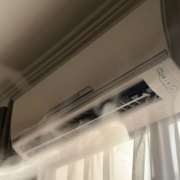
Why Is My AC Blowing Hot Air

Why Is My AC Blowing Hot Air

Introduction

If you’ve ever experienced the frustration of your air conditioner blowing hot air on a scorching day, you know how uncomfortable and inconvenient it can be. Understanding why your AC is malfunctioning is crucial to fixing it promptly and restoring comfort to your home.

Common Causes of AC Blowing Hot Air

Low Refrigerant Levels

Low refrigerant levels are among the most common reasons for an AC to blow hot air. Refrigerant is the substance responsible for cooling the air within your system. When levels are low, your AC won’t be able to produce cool air effectively.

Dirty or Blocked Air Filters

Dirty or blocked air filters can restrict airflow, causing your AC to work harder to cool your home. Over time, this can lead to overheating and ultimately result in hot air blowing from your vents.

Malfunctioning Compressor

The compressor plays a vital role in cooling by compressing refrigerant and transferring heat from your home. If the compressor is malfunctioning, it can’t effectively cool the air, leading to hot air blowing from your vents.

Issues with the Thermostat

A faulty thermostat can cause your AC to behave erratically, including blowing hot air when expecting cool relief. Problems with calibration or electrical connections can disrupt the cooling cycle and result in inadequate temperature control.

Electrical Problems

Electrical issues, such as faulty wiring or a tripped circuit breaker, can interfere with your AC’s functioning ability. If certain components aren’t receiving power as they should, your system may blow hot air instead of cooling your home.

How to Troubleshoot AC Blowing Hot Air

Checking Refrigerant Levels

If you suspect low refrigerant levels, it’s essential to have a professional HVAC technician inspect and refill the refrigerant as needed. Attempting to do this yourself can be dangerous and may result in further damage to your system.

Inspecting Air Filters

Inspect your air filters regularly and replace them if dirty or clogged. Clean air filters promote proper airflow and help prevent issues like hot air blowing from your vents.

Examining the Compressor

If you suspect a problem with the compressor, such as unusual noises or vibrations, it’s best to have it inspected by a qualified technician. They can diagnose any issues and recommend the appropriate repairs or replacements.

Testing the Thermostat

Check your thermostat settings to ensure they’re configured correctly for cooling. The thermostat may need to be recalibrated or replaced if it is unresponsive or displaying inaccurate temperatures.

Ensuring Proper Electrical Connections

Inspect the electrical connections to your AC unit to ensure they’re secure and free from damage. If you notice any frayed wires or loose connections, have them repaired by a professional electrician.

DIY Solutions for AC Problems

Replacing Air Filters

Regularly replace your air filters according to the manufacturer’s recommendations to maintain optimal airflow and prevent issues with your AC system.

Cleaning Condenser Coils

Keep your condenser coils clean and debris-free to ensure efficient heat transfer and prevent overheating.

Checking for Leaks

Inspect your AC system for any signs of refrigerant leaks, such as oil stains or hissing noises. If you suspect a leak, contact a technician to repair it promptly.

Resetting the Thermostat

If your thermostat is acting up, try resetting it to its factory settings to see if that resolves the issue. If not, you may need to have it serviced or replaced.

When to Seek Professional Help

If you’ve tried troubleshooting your AC but are still experiencing issues, it’s time to call in the professionals. Signs that indicate the need for professional assistance include persistent hot air blowing from your vents, strange noises or odours, and frequent cycling on and off.

Preventive Maintenance Tips for AC Systems

Regularly Changing Air Filters

Make it a habit to change your air filters every 1-3 months to ensure optimal airflow and prevent strain on your AC system.

Cleaning Condenser Coils

Schedule regular maintenance visits with a professional technician to clean and inspect your condenser coils, ensuring efficient operation and prolonging the lifespan of your AC unit.

Scheduled Professional Maintenance

Invest in a preventive maintenance plan with a reputable HVAC company to keep your AC system in top condition year-round. Regular tune-ups and inspections can catch minor issues before they escalate into major problems.

Conclusion

Dealing with an AC blowing hot air can be frustrating, but understanding the common causes and troubleshooting steps can help you resolve the issue quickly. Whether it’s low refrigerant levels, dirty air filters, or electrical problems, addressing the root cause is essential for restoring comfort to your home.

FAQs

  • How often should I change my air filters?
    • Air filters should be changed every 1-3 months, depending on usage and indoor air quality.
  • Can low refrigerant levels be refilled easily?
    • Refilling refrigerant should be done by a professional HVAC technician to ensure the safety and proper handling of the refrigerant.
  • What are the signs of compressor failure?
    • Signs of compressor failure include loud noises, reduced cooling efficiency, and visible leaks around the compressor unit.
  • Is it normal for an AC to blow hot air occasionally?
    • Occasional hot air blowing from your AC vents could indicate a minor issue, but persistent hot air should be addressed promptly.
  • How can I find a reliable HVAC technician?
    • Look for HVAC companies with positive reviews, certifications, and experience handling AC repair and maintenance.
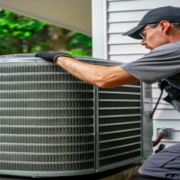
How to Service Your Air Conditioner

How to Service Your Air Conditioner

Summer heat can be relentless, and your air conditioner becomes your best friend during those scorching days. But like any other appliance, your AC unit needs regular maintenance to run efficiently. This guide delves into the importance of servicing your air conditioner, DIY maintenance tips, hiring professional technicians, and much more.

Introduction to Air Conditioner Servicing

Your air conditioner works tirelessly to keep your home cool and comfortable. However, dust, dirt, and debris can accumulate within the system over time, leading to decreased performance and potential breakdowns. Regular servicing is essential to ensure your AC unit operates optimally and efficiently, saving you from costly repairs and prolonging its lifespan.

Importance of Regular Servicing

Regular servicing improves the efficiency of your air conditioner and enhances the quality of air circulating in your home. It helps prevent breakdowns during peak summer months when your AC works hardest, ensuring uninterrupted comfort for you and your family.

Signs Your Air Conditioner Needs Servicing

Unusual Noises

If your air conditioner starts making strange noises, such as banging, grinding, or squealing, it indicates something is amiss and requires immediate attention.

Reduced Airflow

Poor airflow from your vents could result from clogged filters or ductwork, hindering the cooling capacity of your air conditioner.

Foul Odors

Foul odors emanating from your air conditioner could indicate mold or bacterial growth within the system, affecting air quality and posing health risks.

DIY Maintenance Tips

Cleaning or Replacing Filters

Regularly cleaning or replacing your air filters is crucial to maintaining optimal airflow and preventing dust and debris from accumulating within the system.

Checking and Cleaning the Condenser Coils

Condenser coils can accumulate dirt and debris over time, reducing the efficiency of your air conditioner. Regular cleaning ensures maximum heat transfer and efficient operation.

Clearing Debris Around the Unit

Ensure that the area around your outdoor unit is free from debris, such as leaves, branches, and dirt, to prevent airflow obstruction and potential damage to the unit.

Hiring a Professional Service Technician

While DIY maintenance can address some issues, certain tasks require the expertise of a professional service technician.

Qualifications to Look For

When hiring a technician, ensure they are certified and experienced in servicing air conditioning systems.

Checking for Licensing and Insurance

Verify that the technician holds the necessary licenses and insurance to perform HVAC work in your area to avoid liability issues.

Getting Referrals

Ask for referrals from friends, family, or neighbors to find reputable service technicians with a proven track record of quality artistry.

Steps Involved in Professional Air Conditioner Servicing

Professional servicing typically involves a thorough inspection and maintenance routine to ensure optimal performance and efficiency.

Inspection of the Unit

The technician will inspect various components of your air conditioner, including filters, coils, refrigerant levels, electrical connections, and thermostat functionality.

Cleaning and Lubricating Moving Parts

Cleaning and lubricating moving parts such as fan blades, motors, and bearings ensure smooth operation and minimize wear and tear.

Checking Refrigerant Levels

Insufficient refrigerant levels can impair your air conditioner’s cooling capacity. The technician will check for leaks and recharge the refrigerant if necessary.

Testing Thermostat Functionality

Calibrating and testing the thermostat ensures accurate temperature control and efficient air conditioner operation.

Frequency of Servicing

It’s recommended to service your air conditioner at least once a year, preferably before the cooling season, to address any potential issues and ensure optimal performance throughout the summer months.

Benefits of Regular Servicing

Regular servicing extends the lifespan of your air conditioner, improves energy efficiency, reduces utility bills, enhances indoor air quality, and provides peace of mind knowing that your system is well-maintained.

Cost of Servicing vs. Repair

While servicing may incur some upfront costs, it’s far more economical than dealing with costly repairs or premature air conditioning system replacement.

Conclusion

Regular servicing is essential for maintaining your air conditioner’s performance, efficiency, and longevity. Whether you opt for DIY maintenance or hire a professional technician, investing in regular servicing ensures that your AC unit keeps you cool and comfortable when needed.

Unique FAQs

  1. How often should I replace my air filters?
  • Air filters should be replaced every 1 to 3 months, depending on usage and indoor air quality.
  1. Can I service my air conditioner myself?
  • While homeowners can perform some maintenance tasks, certain tasks require the expertise of a professional technician to ensure safety and effectiveness.
  1. What should I do if my air conditioner stops working suddenly?
  • If your air conditioner stops working suddenly, check the circuit breaker, thermostat settings, and air filters. If the issue persists, contact a professional technician for diagnosis and repair.
  1. Is it necessary to service my air conditioner if it’s still under warranty?
  • Regular servicing is necessary to maintain warranty validity and ensure your air conditioner operates efficiently throughout its lifespan.
  1. How can I improve the efficiency of my air conditioner between servicing intervals?
  • Simple steps such as keeping curtains drawn during the day, using ceiling fans to circulate air, and avoiding unnecessary heat-generating activities can help improve the efficiency of your air conditioner between servicing intervals.
How to Clean Air Conditioner Coils

How to Clean Air Conditioner Coils

Introduction

Air conditioners are crucial in maintaining indoor comfort, especially during scorching summers. However, regular maintenance is essential to ensure optimal performance and energy efficiency. One of the key maintenance tasks is cleaning the air conditioner coils. This comprehensive guide will explore the importance of clean coils and provide step-by-step instructions for effectively cleaning them.

What are Air Conditioner Coils?

Air conditioner coils are integral components responsible for the heat exchange process in your HVAC system. There are two types of coils: evaporator coils and condenser coils. Evaporator coils are inside the indoor unit, while condenser coils are in the outdoor unit.

Why Cleaning Air Conditioner Coils is Essential

Over time, air conditioner coils accumulate dirt, dust, and other debris. This buildup restricts airflow and hampers the heat exchange process, decreasing efficiency and increasing energy consumption. Additionally, dirty coils can cause system malfunctions and compromise indoor air quality.

Signs that Your Air Conditioner Coils Need Cleaning

  1. Reduced Cooling Efficiency:
  • Noticeable decrease in cooling performance despite regular use.
  1. Increased Energy Bills:
  • Higher energy consumption due to decreased system efficiency.
  1. Ice Formation:
  • Ice buildup on the indoor or outdoor unit may indicate restricted airflow.

Materials Needed for Cleaning

Before proceeding with coil cleaning, gather the following materials:

  • A soft brush or vacuum cleaner
  • Fin comb
  • Coil cleaner solution
  • Gloves and protective eyewear
  • Water hose or spray bottle

How to Clean Air Conditioner Coils

Cleaning Evaporator Coils:

  1. Turn Off the Power:
  • Switch off the power supply to the air conditioner to prevent accidents.
  1. Access the Coils:
  • Remove the access panel to reach the evaporator coils.
  1. Remove Debris:
  • Gently brush or vacuum away any accumulated dirt and debris.
  1. Apply Cleaner:
  • Spray the coil cleaner solution evenly on the coils.
  1. Wait and Rinse:
  • Allow the cleaner to penetrate for the recommended time before rinsing with water.

Cleaning Condenser Coils:

  1. Power Off:
  • Shut off the power to the outdoor unit to ensure safety.
  1. Remove Debris:
  • Clear away leaves, grass, and other debris from the surrounding area.
  1. Access the Coils:
  • Unscrew the protective grille to access the condenser coils.
  1. Clean Coils:
  • Use a soft brush or fin comb to clean the coils in an upward motion gently.
  1. Rinse Thoroughly:
  • Spray water from the inside out to rinse off dirt and cleaner residue.

Precautions to Take During Cleaning

  • Always wear protective gear, including gloves and eyewear.
  • Use caution when working with coil cleaner solutions to avoid skin and eye irritation.
  • Avoid bending or damaging the fragile coil fins during cleaning.

Frequency of Cleaning

Ideally, air conditioner coils should be cleaned at least once a year to maintain optimal performance. However, more frequent cleaning may be necessary in environments with heavy dust or pollution.

Benefits of Clean Air Conditioner Coils

  1. Improved Efficiency:
  • Clean coils facilitate better heat exchange, increasing efficiency and lowering energy bills.
  1. Enhanced Air Quality:
  • Removing dirt and debris prevents the circulation of contaminants, improving indoor air quality.

Professional Coil Cleaning Services

While DIY cleaning is feasible for many homeowners, there are instances where professional services may be preferred. Consider hiring professionals if:

  • The coils are heavily soiled or difficult to access.
  • You need to gain the necessary tools or expertise for thorough cleaning.

DIY vs. Professional Cleaning

DIY Cleaning:

  • Cost-effective and relatively simple for routine maintenance.
  • Requires basic cleaning supplies and safety precautions.

Professional Cleaning:

  • Ensures thorough cleaning, especially for complex or inaccessible coils.
  • Saves time and effort for homeowners without DIY experience.

Tips for Maintaining Clean Coils

  • Regularly inspect and clean air filters to prevent debris buildup on coils.
  • Trim vegetation around the outdoor unit to maintain proper airflow.
  • Schedule annual maintenance checks with HVAC professionals for comprehensive cleaning and inspections.

Common Mistakes to Avoid

  1. Using Harsh Chemicals:
  • Avoid using abrasive or acidic cleaners that may damage the coil surfaces.
  1. Neglecting Regular Maintenance:
  • Skipping routine cleaning and maintenance can lead to costly repairs and reduced lifespan of the HVAC system.

Conclusion

Proper maintenance of air conditioner coils is essential for optimal performance and energy efficiency. Following the recommended cleaning procedures and precautions outlined in this guide, homeowners can ensure their HVAC systems operate smoothly and provide comfortable indoor environments year-round.

FAQs

  1. How often should I clean my air conditioner coils?
  • It’s recommended to clean the coils at least once a year, preferably before the cooling season begins.
  1. Can I use homemade solutions for cleaning air conditioner coils?
  • While homemade solutions like vinegar and water may work for mild cleaning, it’s advisable to use commercial coil cleaner solutions for thorough results.
  1. Is it necessary to clean both the evaporator and condenser coils?
  • Yes, evaporator and condenser coils should be cleaned regularly to maintain optimal efficiency and performance.
  1. Can dirty coils affect indoor air quality?
  • Yes, dirty coils can harbor contaminants and mold, negatively impacting indoor air quality.
  1. What should I do if I encounter difficulties during DIY coil cleaning?
  • If you encounter challenges or concerns during DIY coil cleaning, it’s best to consult HVAC professionals for guidance and assistance.

How to Service Ducted Air Conditioning

If you have a ducted air conditioning system in your home or office, ensuring it receives regular maintenance is crucial to keep it running efficiently and prolong its lifespan. Servicing your ducted air conditioning system improves its performance and contributes to better indoor air quality. This article explores the importance of servicing ducted air conditioning systems and provides practical tips for keeping yours in top condition.

Introduction to Ducted Air Conditioning

Ducted air conditioning is a popular cooling solution for larger spaces, providing consistent temperature control throughout the area. These systems comprise various components working together to distribute cool air effectively. Regular servicing is essential to maintain optimal performance and prevent potential issues.

Understanding the Components

A ducted air conditioning system consists of several key components, including the indoor unit, outdoor unit, ductwork, and air vents. Each element is crucial in the cooling process, from producing cold air to distributing it evenly throughout the building.

Signs Your Ducted Air Conditioning Needs Servicing

It’s important to recognize the warning signs indicating that your ducted air conditioning system requires servicing. These signs may include reduced cooling efficiency, strange noises or odors emanating from the system, and a noticeable increase in energy bills. Addressing these issues promptly can prevent further damage and costly repairs.

DIY Maintenance Tips

While some maintenance tasks are best left to professionals, there are simple steps you can take to keep your ducted air conditioning system in good condition between servicing appointments. This includes regularly cleaning air filters, checking for duct leaks, and inspecting the outdoor unit for debris or obstructions.

Importance of Professional Servicing

Professional servicing by qualified technicians is essential for ensuring the longevity and efficiency of your ducted air conditioning system. Experienced professionals can conduct comprehensive inspections, identify potential issues, and perform necessary repairs or adjustments to optimize performance.

Frequency of Servicing

The frequency of servicing your ducted air conditioning system depends on several factors, including usage patterns, environmental conditions, and the age of the system. Generally, it’s recommended to schedule servicing at least once a year to keep the system running smoothly.

Choosing the Right Service Provider

When selecting a service provider for your ducted air conditioning system, choosing a reputable company with the necessary qualifications and certifications is essential. Reading customer reviews and seeking referrals can help you make an informed decision.

Process of Servicing Ducted Air Conditioning

During a professional servicing appointment, technicians will thoroughly inspect your ducted air conditioning system. This may involve cleaning components, lubricating moving parts, checking refrigerant levels, and testing overall efficiency to ensure optimal performance.

Cost Considerations

The cost of servicing your ducted air conditioning system can vary depending on factors such as the size of the system, the extent of maintenance required, and any additional repairs needed. While professional servicing may incur upfront costs, it can ultimately save you money by preventing major breakdowns and extending the lifespan of your system.

Benefits of Regular Servicing

Regular servicing offers numerous benefits, including improved indoor air quality, enhanced energy efficiency, and reduced risk of system malfunctions. By investing in routine maintenance, you can enjoy greater comfort and peace of mind knowing that your ducted air conditioning system is operating at its best.

Conclusion

Servicing your ducted air conditioning system is essential for maintaining its efficiency, prolonging its lifespan, and ensuring optimal performance. Following the tips outlined in this article and scheduling regular servicing appointments with qualified professionals, you can keep your system running smoothly and enjoy cool, comfortable indoor environments year-round.

FAQs

  1. How often should I service my ducted air conditioning system?
  • The frequency of servicing depends on factors such as usage, environment, and system age. As a general guideline, annual servicing is recommended.
  1. Can I perform maintenance tasks on my ducted air conditioning system myself?
  • While some tasks, like cleaning air filters, can be done by homeowners, it’s advisable to leave more complex maintenance to trained professionals to avoid causing damage.
  1. What are the benefits of professional servicing?
  • Professional servicing ensures thorough inspections, timely repairs, and optimal performance, ultimately saving you money on energy bills and preventing major breakdowns.
  1. How do I know if my ducted air conditioning system needs repairs?
  • Signs such as reduced cooling efficiency, strange noises, or unusual odors indicate potential issues requiring professional attention.
  1. Is servicing my ducted air conditioning system worth the investment?
  • Yes, regular servicing not only extends the lifespan of your system but also improves indoor air quality and energy efficiency, making it a worthwhile investment in the long run.
How much for Air Conditioning Service

How much for Air Conditioning Service

Air conditioning is a necessity for many households and businesses, especially in regions with hot climates. However, like any other appliance, air conditioning units require regular maintenance and occasional repairs to ensure optimal performance and longevity. One common question among homeowners and businesses is, “How much does air conditioning service cost?” Let’s delve into the factors influencing the cost of air conditioning service and explore ways to minimize expenses while ensuring the efficiency of your AC system.

Introduction to Air Conditioning Service

Before delving into the costs associated with air conditioning service, it’s essential to understand what this service entails. Air conditioning service encompasses a range of maintenance tasks and repairs aimed at keeping your AC unit running smoothly. This includes routine inspections, cleaning, and addressing any issues.

Regular air conditioning service is crucial for several reasons. Firstly, it helps ensure that your AC unit operates efficiently, leading to lower energy bills and an extended lifespan. Additionally, routine maintenance can help prevent costly breakdowns and repairs, saving you time and money in the long run.

Factors Influencing Air Conditioning Service Costs

Several factors influence the cost of air conditioning service, making it challenging to provide a one-size-fits-all estimate. Here are some key factors to consider:

Age and Type of the AC Unit

Older AC units or those with complex designs may require more extensive and costly repairs compared to newer, more straightforward models.

Extent of Damage or Issues

The severity of any issues affecting your AC unit will directly impact the service cost. Minor repairs or maintenance tasks are less expensive than major repairs or replacements.

Additional Services Required

In some cases, additional services such as duct cleaning or Freon recharge may be necessary, adding to the overall air conditioning service cost.

Location and Service Provider

The air conditioning service cost can vary significantly depending on your location and the service provider you choose. Urban areas with higher living costs may have higher service rates, while competition among service providers can lead to lower prices in some regions.

Average Cost of Air Conditioning Service

While providing an exact figure for air conditioning service costs is challenging due to the factors mentioned above, we can discuss some average costs for common services.

Breakdown of Costs for Common Services

  • AC inspection and tune-up: $50 to $200
  • Freon recharge: $100 to $350
  • Coil cleaning: $100 to $400
  • Duct cleaning: $300 to $1,000
  • Compressor repair or replacement: $1,500 to $2,500
  • Thermostat replacement: $100 to $300

National Averages vs. Regional Variances

National averages for air conditioning service costs may provide a general idea of what to expect. However, it’s essential to consider regional variances, as costs can vary significantly based on factors such as local labor rates and service demand.

Factors Affecting Cost Variations

Various factors can lead to cost variations for air conditioning service, including the job’s complexity, the service provider’s expertise, and the availability of parts and materials. Additionally, emergency or after-hours service calls may incur higher rates.

Cost of Common Air Conditioning Services

Cost of Common Air Conditioning Services

Let’s take a closer look at some common air conditioning services and their associated costs:

AC Inspection and Tune-Up

An AC inspection and tune-up typically involve:

  • Checking the unit for any issues.
  • Cleaning or replacing filters.
  • Lubricating moving parts.
  • Ensuring optimal performance.

Costs for this service can range from $50 to $200.

Freon Recharge

If your AC unit is low on refrigerant (Freon), recharging may be necessary to restore proper cooling capacity. Freon recharge costs range from $100 to $350, depending on the amount of refrigerant needed.

Coil Cleaning

Over time, the coils in your AC unit can become dirty or clogged, reducing efficiency and airflow. Coil cleaning services typically cost between $100 and $400, depending on the size and condition of the coils.

Duct Cleaning

Dirty or clogged air ducts can restrict airflow and reduce indoor air quality. Duct cleaning services range from $300 to $1,000, depending on the size of your home or building and the extent of cleaning required.

Compressor Repair or Replacement

The compressor is a critical component of your AC system, responsible for circulating refrigerant and cooling your home or building. Repairing or replacing a compressor can be a significant expense, ranging from $1,500 to $2,500.

Thermostat Replacement

Replacing your thermostat can improve energy efficiency and comfort if it is malfunctioning or outdated. Thermostat replacement typically costs between $100 and $300, depending on the type and features of the new thermostat.

DIY vs. Professional Service Costs

While some homeowners may attempt to perform air conditioning maintenance or repairs themselves to save money, several factors should be considered before taking the DIY route.

Pros and Cons of DIY Maintenance

DIY maintenance can save you money on service costs, but it requires time, effort, and knowledge of air conditioning systems. Also, proper training or experience is necessary to avoid further damage and costly repairs.

Risks Associated with DIY Repairs

Working with electrical components and refrigerants can be dangerous without the proper training and equipment. DIY repairs also void warranties and may not be covered by insurance if something goes wrong.

Cost Savings vs. Quality of Service

While DIY maintenance may save you money upfront, professional service providers have the expertise and specialized tools to ensure the job is done correctly. Investing in professional service can prevent costly mistakes and ensure the longevity of your AC unit.

Tips to Minimize Air Conditioning Service Costs

While air conditioning service is essential for maintaining the efficiency and lifespan of your AC unit, there are several steps you can take to minimize costs:

  • Regular Maintenance: Schedule annual inspections and tune-ups to catch any issues early and keep your AC unit running smoothly.
  • Timely Repairs: Address any issues promptly to prevent them from escalating into more extensive and costly repairs.
  • Choosing the Right Service Provider: Research a reputable service provider with experience and positive reviews.
  • Energy-Efficient Upgrades: Consider investing in energy-efficient upgrades or programmable thermostats to reduce energy consumption and lower cooling costs.

Conclusion

The air conditioning service cost can vary depending on several factors, including the type and age of your AC unit, the extent of repairs needed, and your location. While it’s essential to budget for routine maintenance and occasional repairs, there are ways to minimize costs without sacrificing the quality of service. By scheduling regular maintenance, addressing issues promptly, and choosing the right service provider, you can keep your AC unit running efficiently and affordably for years.

FAQs (Frequently Asked Questions)

  • How often should I service my air conditioner?
    • It’s recommended to have your air conditioner serviced at least once a year, ideally before the start of the cooling season.
  • Can I perform air conditioning maintenance myself?
    • While some maintenance tasks can be DIY-friendly, it’s best to leave complex repairs and inspections to trained professionals to avoid costly mistakes.
  • What are signs that my air conditioner needs servicing?
    • Signs of a malfunctioning air conditioner include reduced cooling efficiency, strange noises, unusual odors, and higher energy bills.
  • Are there any DIY tips for improving air conditioner efficiency?
    • Keeping air filters clean, clearing debris from outdoor units, and sealing duct leaks are simple tasks that can improve air conditioner efficiency.
  • How can I find a reliable air conditioning service provider?
    • Look for licensed and insured professionals with positive reviews and experience working with your specific type of air conditioner.
How to repair air conditioner compressor

How to repair air conditioner compressor

Is there anything more frustrating than a malfunctioning air conditioner on a scorching summer day? The culprit often lies within the heart of the system – the compressor. When this vital component fails, it can leave you sweating and scrambling for a solution. But fear not! With the right guidance and know-how, repairing your air conditioner compressor doesn’t have to be an impossible challenge. In this article, we’ll explore the essential steps and techniques for tackling this daunting task head-on, empowering you to take control of your cooling woes and restore comfort to your home.

Symptoms of a faulty compressor

When your air conditioner starts blowing warm air or making strange noises, it could be a sign of a faulty compressor. One common symptom is reduced cooling efficiency, as the compressor struggles to circulate refrigerant and maintain proper pressure levels. This can lead to higher energy consumption and increased system wear and tear, ultimately resulting in more frequent breakdowns.

Another telltale sign of a failing compressor is rapid cycling on and off, known as short cycling. This not only compromises indoor comfort but also puts unnecessary stress on other components, potentially causing further damage to the entire HVAC system. Ignoring these symptoms can lead to costly repairs or even premature replacement of the entire air conditioning unit.

To address compressor issues effectively, consult with an experienced HVAC technician who can diagnose the problem accurately and recommend appropriate solutions. Whether repairing minor faults or replacing the compressor altogether, timely intervention can prevent larger issues from developing and ensure optimal cooling system performance.

By identifying these warning signs early on, homeowners can take proactive measures to avoid potential air conditioning woes down the line. Regular maintenance and prompt attention to any unusual behavior exhibited by the compressor are key to preserving indoor comfort and prolonging the lifespan of your air conditioning system.

Tools and equipment needed for repair

Having the right tools and equipment is essential for a successful outcome. Some of the most crucial items include a multimeter for testing electrical components, a refrigerant recovery unit for safely removing refrigerant, and a vacuum pump for evacuating the system before recharging. Additionally, a set of wrenches, screwdrivers, and pliers are indispensable for disassembling and reassembling various components.

One often overlooked aspect of compressor repair is proper diagnosis using specialized tools such as pressure gauges and thermometers. These tools help identify the root cause of the compressor issue, whether it’s related to low refrigerant levels or a faulty component. Moreover, investing in high-quality replacement parts that meet manufacturer specifications can avoid recurring problems down the line. Utilizing these tools effectively not only saves time but also ensures that the repair work is done accurately.

Furthermore, technicians must stay informed about new developments in air conditioning technology and repair methods. With advancements in compressor design and diagnostic tools constantly evolving, keeping abreast of industry updates can lead to more efficient repairs and customer satisfaction. By regularly expanding one’s knowledge base through training programs or industry publications, technicians can remain at the forefront of delivering top-notch compressor repairs.

Understanding your HVAC system isn’t just essential during regular inspections; knowing how to fix it when things go wrong could save you tons on maintenance costs! Whether there’s been storm damage or if your unit hasn’t worked properly since installation, diagnosing issues quickly will ensure minimal disruption to your daily life while saving you money long-term on utility bills, too! Remember, folks: Knowledge truly is power when it comes down to ac compressors!

Steps to troubleshoot and diagnose the issue

The first step is always to troubleshoot and diagnose the issue accurately. One of the common problems that can occur with compressors is electrical malfunctions, which may require a thorough inspection of wiring and connections. Additionally, checking for leaks in the refrigerant lines and ensuring there are no obstructions in the airflow should be part of your troubleshooting process.

A great way to approach compressor repair is by conducting a system pressure test to identify any potential issues with the refrigerant levels. This initial step can provide valuable insights into whether low or high pressure could be causing compressor problems. In addition, checking for any abnormal noises or vibrations during operation can help pinpoint mechanical issues within the compressor. By diligently following these steps to troubleshoot and diagnose air conditioner compressor issues, you can minimize downtime and ensure efficient repairs that improve overall system performance.

Repairing or replacing the compressor

When it comes to repairing an air conditioner compressor, sometimes the decision is only sometimes clear-cut. While some issues can be easily remedied with a simple fix, deeper compressor problems may warrant a replacement. It’s crucial to consider factors such as the age of the unit, the cost of repairs versus replacement, and the overall efficiency of the system. For older units, replacing a faulty compressor might make more sense in terms of long-term savings and improved performance.

Furthermore, understanding the underlying cause of compressor failure is key to making an informed decision. Factors such as inadequate maintenance, refrigerant leaks, or electrical issues can contribute to compressor malfunctions. By addressing these root causes during a repair or replacement process, homeowners can ensure that their air conditioning system operates at optimal efficiency and longevity.

Ultimately, whether one chooses to repair or replace an air conditioner compressor depends on various considerations – cost-effectiveness, energy efficiency improvements – but seeking professional advice to assess the best course of action is always advisable for ensuring long-term satisfaction and comfort in your home.

Testing the repaired compressor

Once the air conditioner compressor has been repaired, it is crucial to thoroughly test its functionality before re-installing it. Testing the repaired compressor can help ensure that the problem has been adequately addressed and that the unit is safe to operate. This step involves checking the pressure levels, monitoring for any unusual noises or vibrations, and verifying that the compressor is effectively cooling the air.

Another essential aspect of testing a repaired compressor is to assess its energy efficiency. A well-repaired compressor should not only function properly but also operate with minimal energy consumption. By conducting thorough efficiency tests, homeowners can be confident in their air conditioner’s performance and avoid costly utility bills.

Conclusion: 

Repairing an air conditioner compressor requires careful consideration and expertise to ensure that the unit functions efficiently and effectively. By understanding the common issues that can arise with compressors, homeowners can take proactive steps to address any problems and prolong the lifespan of their cooling system. Whether it’s a simple fix or a more complex repair, seeking professional help is crucial to avoid further damage or safety hazards. Regular maintenance and timely repairs can not only save money in the long run but also contribute to a healthier indoor environment. Therefore, it is essential for homeowners to schedule regular maintenance checks and promptly address any compressor issues to keep their air conditioning systems running smoothly.

In summary, just as homeowners optimize their air conditioning systems through careful consideration and timely repairs, ice casino enthusiasts can enhance their gaming experiences through proactive measures. Identifying challenges, exploring diverse games, and maximizing bonuses contribute to a more enjoyable and rewarding online gaming journey.