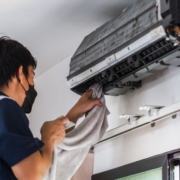
How to Remove Smell from Car AC

How to Remove Smell from Car AC

A smelly car air conditioning system can make driving uncomfortable and affect air quality inside the vehicle. Odors often originate from mold, mildew, bacteria, and accumulated debris in the AC system, especially on the evaporator coils and air ducts. Understanding the causes and proper cleaning methods ensures a fresh-smelling and hygienic environment inside the car.

Common Causes of Car AC Smell

The primary source of unpleasant odors in car AC systems is moisture accumulation. The evaporator coil inside the AC absorbs heat from the cabin, producing condensation. This moisture can become a breeding ground for mold and bacteria, which release a musty smell when air passes through the system.

Other causes include dust, pollen, leaves, and debris trapped in air vents, cabin filters, and ductwork. Spilled food, pet hair, or smoking inside the car can also contribute to persistent odors. Lack of regular maintenance allows these contaminants to accumulate, intensifying the smell over time.

Cleaning the Cabin Air Filter

The cabin air filter traps dust, pollen, and airborne particles before air enters the cabin. Over time, the filter can harbor bacteria and mold, producing foul odors. Replacing or cleaning the cabin air filter every 12,000 to 15,000 miles ensures that fresh air circulates inside the vehicle.

Filters are usually accessible behind the glove compartment or under the dashboard. Remove the old filter and inspect it for dirt, mold, or dampness. A replacement filter with anti-microbial properties can reduce the risk of odors returning.

Cleaning the AC Vents and Ducts

Cleaning the air vents and ducts eliminates residual dust and mold. Use a soft brush or compressed air to remove debris from vent openings. Special AC cleaning sprays or foams can be applied directly into the vents. These products often contain disinfectants that kill bacteria and neutralize odors.

Ensure the product reaches the evaporator coils, which are located inside the HVAC housing. Running the AC on high fan speed for a few minutes distributes the cleaner throughout the ductwork, helping eliminate trapped contaminants.

Using Disinfectants and Odor Neutralizers

Specialized AC disinfectant sprays are effective at removing bacteria and mold from the system. These sprays often contain chemical agents that eliminate microorganisms and deodorize the air. Use according to the manufacturer’s instructions, typically spraying into the intake vents or cabin filter area.

For persistent odors, placing activated charcoal bags or baking soda inside the car can absorb residual smells. These methods do not clean the system but reduce odor while additional maintenance is performed.

Regular Maintenance to Prevent Odors

Preventing AC odors requires routine maintenance. Running the AC on recirculation mode intermittently allows moisture to evaporate. Leaving the AC on fan-only mode for a few minutes before turning off the engine helps dry the evaporator coil, reducing mold growth.

Keep the car interior clean and free of food particles or trash. Regularly inspect and replace cabin air filters, and ensure drains in the HVAC system are not blocked. These preventive steps maintain a fresh and odor-free environment.

FAQ

Can I use household cleaners in my car AC?
No. Household cleaners may damage the evaporator or ductwork. Use products designed specifically for car AC systems.

Why does my car AC smell musty only when turned on?
This occurs because moisture on the evaporator coil fosters mold and bacteria growth. The smell is released when air passes through the wet coil.

How often should I replace the cabin air filter?
Typically every 12,000 to 15,000 miles, or according to the car manufacturer’s recommendation. High-pollen areas may require more frequent replacement.

Can odors return after cleaning?
Yes. If mold or debris remain inside the ducts or evaporator, odors can reappear. Thorough cleaning and regular maintenance prevent recurrence.

Is it necessary to visit a professional?
For persistent odors or blocked evaporator drains, a professional HVAC cleaning ensures deep cleaning and prevents damage to the system.

Conclusion

Removing smell from a car AC involves cleaning the cabin air filter, vents, and ducts, using disinfectants, and maintaining proper airflow. Moisture accumulation, mold growth, and trapped debris are the primary causes of unpleasant odors. Regular maintenance, including periodic filter replacement, using AC disinfectant sprays, and drying the evaporator coil, keeps the system fresh. Preventive measures such as keeping the interior clean, monitoring the AC drain, and running the fan after driving reduce the likelihood of odors returning. Following these steps ensures that your car’s AC system provides clean, fresh air for a comfortable driving experience.

How to Cool House Without AC

How to Cool House Without AC

Cooling a house without an air conditioner is possible using a combination of passive cooling, airflow management, and heat reduction strategies. Understanding the factors that contribute to indoor heat and applying practical methods can maintain a comfortable environment even during hot weather.

Use Natural Ventilation

Natural ventilation relies on air movement through windows, doors, and vents. Opening windows on opposite sides of the house creates cross-ventilation, allowing hot air to escape and cooler air to enter. Using vents near the floor and ceiling enhances airflow, as warm air rises and exits through higher openings while cooler air enters below.

Ceiling fans, floor fans, and window fans can amplify natural airflow. Fans create a wind-chill effect, making occupants feel cooler even if the indoor temperature remains the same. Strategically positioning fans near open windows can draw in cooler outdoor air at night or push hot indoor air outside during the day.

Block Heat From Entering

Preventing heat from entering the home reduces the need for active cooling. Curtains, blinds, and reflective window films can block direct sunlight. Using light-colored or heat-reflective shades minimizes solar heat gain through windows.

Insulating the attic, walls, and roof decreases heat transfer from the outside. Weatherstripping and sealing gaps around doors and windows prevent warm air infiltration. Planting shade trees or installing awnings outside windows further reduces direct sunlight and keeps the interior cooler.

Optimize Indoor Humidity

High indoor humidity increases the perception of heat. Using dehumidifiers lowers moisture levels, making the air feel cooler and more comfortable. Simple methods like placing buckets of ice in front of fans or using evaporative cooling trays can also reduce indoor heat through moisture evaporation.

Proper ventilation in kitchens and bathrooms removes excess humidity produced by cooking, showering, or laundry. Exhaust fans and open windows help expel warm, moist air quickly.

Create Cool Zones

Designating areas of the house as cool zones allows residents to stay comfortable without cooling the entire home. Lower floors are usually cooler because heat rises. Bedrooms and living areas can be prioritized by using fans or natural ventilation in these spaces.

Sleeping in lightweight, breathable fabrics such as cotton or linen enhances comfort. Using cooling mats or gel pillows provides localized relief from heat during hot nights.

Night Cooling

Outdoor temperatures are often lower at night. Opening windows and doors after sunset can flush out accumulated heat from the day. Closing windows early in the morning helps trap cooler air inside before the outdoor temperature rises.

Ceiling and floor fans can be used to circulate nighttime cool air throughout the house. Combining night ventilation with curtains or blinds during the day maintains cooler indoor temperatures for longer periods.

FAQ

Can I cool my house without electricity?
Yes. Natural ventilation, shading, insulation, and night cooling strategies can reduce indoor temperatures without using electricity.

Do fans really cool a house?
Fans do not lower temperature but increase airflow, creating a wind-chill effect that makes people feel cooler.

Are reflective window films effective?
Yes. Reflective films can block up to 80% of solar heat, reducing indoor temperatures significantly during peak sunlight hours.

Can plants help cool my house?
Yes. Trees, shrubs, and climbing plants provide shade and evapotranspiration, lowering outdoor and indoor temperatures.

Is it safe to sleep with windows open at night?
Yes, if security is considered. Using screens and limiting openings to upper floors or secured areas enhances safety while allowing airflow.

Conclusion

Cooling a house without air conditioning requires managing heat gain, enhancing airflow, and controlling indoor humidity. Using natural ventilation, fans, shading, insulation, and night cooling strategies can significantly reduce indoor temperatures. Creating cool zones, optimizing fabrics and bedding, and implementing simple evaporative methods provide additional comfort. Integrating multiple techniques ensures a cooler living environment while reducing energy consumption and maintaining indoor comfort even during hot weather. Proper planning, strategic airflow, and passive cooling methods make it possible to stay comfortable without relying on mechanical air conditioning.

What Is the Difference Between AC and DC

What Is the Difference Between AC and DC

Understanding the difference between AC (Alternating Current) and DC (Direct Current) is essential in electrical engineering, electronics, and everyday applications. These two types of electrical current operate differently and are used in distinct situations depending on efficiency, safety, and device requirements.

What Is AC

Alternating Current (AC) is a type of electrical current in which the flow of electrons changes direction periodically. The voltage in AC circuits also reverses its polarity at regular intervals. In the United States, standard AC supplied to homes has a frequency of 60 Hz, meaning the current changes direction 60 times per second.

AC is widely used for power distribution because it can be transmitted efficiently over long distances. Transformers can easily increase or decrease AC voltage, reducing energy loss during transmission. Common applications of AC include household appliances, lighting, heating systems, and large motors.

The voltage in AC can vary continuously in a sinusoidal waveform, which allows flexible and efficient energy distribution. High-voltage AC transmission is preferred in power grids because it minimizes energy loss over hundreds of kilometers.

What Is DC

Direct Current (DC) is a type of electrical current where the flow of electrons is unidirectional, meaning it moves in a single direction. The voltage remains constant, unlike AC, which alternates. DC is commonly used in batteries, solar panels, electronic devices, and electric vehicles.

DC provides a stable voltage, making it ideal for devices that require constant power, such as laptops, LED lights, and mobile phones. Modern electronics often convert AC from wall outlets into DC to power internal circuits. DC is also used in low-voltage applications, where consistent voltage is necessary for proper operation.

Key Differences Between AC and DC

The main differences between AC and DC include flow direction, voltage variation, and applications. AC alternates direction periodically, while DC flows in one direction only. AC voltage varies in a waveform, whereas DC voltage is constant and stable.

Transmission efficiency is another difference. AC can travel long distances with minimal energy loss due to the use of transformers, while DC transmission over long distances traditionally required more complex technology. However, modern HVDC (High Voltage Direct Current) systems are used for specific long-distance applications.

Safety considerations also differ. AC can cause severe muscle contractions and may be more dangerous at lower voltages, while DC can create continuous burns but is often easier to control in low-voltage circuits.

Applications of AC and DC

AC is primarily used for residential, commercial, and industrial power supply. Household devices, large motors, air conditioners, and refrigerators rely on AC because it is convenient and cost-effective for high-power applications.

DC is used in battery-powered devices, electronics, solar power systems, and electric vehicles. Devices like smartphones, computers, LED lighting, and electric cars depend on DC for consistent and stable power. Power converters often transform AC from the grid into DC for these applications.

Some devices combine AC and DC technologies. For example, hybrid electric vehicles may use DC batteries to store energy but employ AC motors for propulsion. Similarly, renewable energy systems like solar panels generate DC, which is then converted to AC to feed into the power grid.

FAQ

Can AC be converted to DC?
Yes. Devices called rectifiers convert AC into DC for use in electronics, batteries, and other applications requiring constant voltage.

Can DC be converted to AC?
Yes. Inverters convert DC into AC, allowing battery power or solar energy to supply household appliances or the power grid.

Which is safer, AC or DC?
Both can be dangerous. AC can cause severe muscle contractions at lower voltages, while DC can create continuous burns. Safety depends on voltage, current, and exposure time.

Why is AC used for power transmission?
AC is efficient for long-distance transmission because voltage can be easily increased or decreased using transformers, minimizing energy loss.

Is DC used in homes?
DC is rarely supplied directly in homes. Most home devices requiring DC convert AC from the grid using adapters or power supplies.

Conclusion

The difference between AC and DC lies in current flow, voltage behavior, and application. AC alternates direction periodically and is used for household and industrial power distribution due to its efficiency in long-distance transmission. DC flows in one direction and provides stable voltage, making it ideal for batteries, electronics, and renewable energy systems. Understanding these differences helps in selecting the correct current type for various applications, ensures safe usage, and improves the efficiency of electrical and electronic systems. Modern technology often integrates both AC and DC, converting between the two as needed for optimal performance in devices and power systems.

How to Clean AC Unit Outside

How to Clean AC Unit Outside

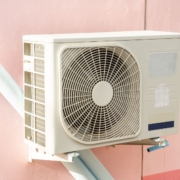
Cleaning the outdoor air conditioning (AC) unit is essential for maintaining efficient cooling, extending system life, and preventing costly repairs. Dirt, debris, and buildup on the condenser coils and fins can reduce airflow, increase energy consumption, and strain the compressor. Understanding the proper cleaning process ensures optimal performance and safety.

Why Cleaning the Outdoor AC Unit Is Important

The outdoor unit, also called the condenser unit, expels heat absorbed from inside the home. Debris such as leaves, grass clippings, dust, and pollen can accumulate on the coils and fins, reducing heat transfer. A dirty unit can increase electricity usage by 10–30%, overwork the compressor, and shorten the lifespan of the system.

Regular cleaning also prevents corrosion, insect nests, and blockages around the fan. Proper maintenance ensures that the unit operates at the correct efficiency levels and maintains consistent indoor temperatures.

Preparing to Clean the AC Unit

Turn off the power supply at the breaker to prevent accidents. Confirm that the disconnect switch near the unit is off. Wear protective gloves and safety glasses to avoid contact with sharp fins or chemical cleaners. Remove loose debris from the area surrounding the unit to allow for better airflow and safe cleaning.

Inspect the unit for damage, such as bent fins or signs of rust. Note areas that require careful attention during cleaning. Ensure the surrounding plants or landscaping are trimmed at least 2 feet away from the unit to maintain airflow and prevent future debris accumulation.

Cleaning the Outdoor AC Unit

Start by removing the protective grille or cover to access the coils and fan. Use a soft brush or vacuum to remove loose leaves, dust, and dirt. Avoid bending the delicate aluminum fins.

Use a garden hose with a gentle spray to rinse the coils from the outside in. Do not use a pressure washer, as excessive force can damage the fins or bend them, reducing efficiency. For stubborn dirt or buildup, a coil cleaner specifically designed for AC units can be applied according to the manufacturer’s instructions.

Clean the fan blades gently to remove dirt and debris. Inspect the fins for any bent areas. Straighten bent fins carefully with a fin comb, ensuring that airflow is not restricted. After cleaning, reassemble the grille or cover and ensure all screws and parts are securely fastened.

Check the surrounding area to remove any remaining debris that could obstruct airflow. Proper clearance around the unit, typically 2–3 feet, allows efficient heat dissipation and reduces strain on the system.

Maintenance Tips

Perform cleaning at least once a year, preferably before the cooling season begins. During heavy pollen or leaf seasons, more frequent inspections and cleaning may be necessary.

Regularly check the drain line and clear any blockages to prevent water buildup. Inspect refrigerant lines for insulation and ensure no leaks are present. Ensure electrical connections are tight and free from corrosion.

Trimming nearby plants, keeping debris away from the unit, and ensuring adequate ventilation around the condenser prevents dirt accumulation and improves efficiency. Routine professional maintenance every 1–2 years complements homeowner cleaning.

FAQ

Can I clean the AC unit myself?
Yes. Homeowners can clean debris, rinse coils, and straighten fins. For refrigerant issues or electrical problems, a licensed technician should be contacted.

How often should the outdoor AC unit be cleaned?
At least once a year, preferably before the cooling season. Units in dusty or leafy environments may require cleaning twice a year.

Can I use a pressure washer?
No. High pressure can bend fins or damage components. Use a garden hose with gentle spray instead.

What if the fins are bent?
Bent fins reduce airflow. Use a fin comb to straighten them carefully without damaging the coil.

Is professional cleaning necessary?
Professional service every 1–2 years ensures thorough inspection, refrigerant checks, and maintenance of electrical components, complementing homeowner cleaning.

Conclusion

Cleaning the outdoor AC unit is a critical step in maintaining energy efficiency, system performance, and longevity. Proper cleaning involves turning off the power, removing debris, rinsing the coils with a gentle hose, and straightening any bent fins. Keeping the area around the condenser clear, inspecting fan blades, and using appropriate coil cleaners ensures optimal heat transfer and airflow. Annual cleaning and regular maintenance prevent overworked compressors, reduce electricity consumption, and extend the life of the system. Combining homeowner cleaning with professional inspections guarantees a well-functioning and reliable air conditioning system throughout the year.

How Many Amps Does a Window AC Use

How Many Amps Does a Window AC Use

Understanding the electrical requirements of a window air conditioner (AC) is essential for safe operation and proper installation. The amperage rating determines the current drawn from the circuit, which affects breaker sizing, wiring, and overall safety. Knowing how many amps a window AC uses helps homeowners avoid tripped breakers, overheating wires, and electrical hazards.

Factors Affecting Amperage

The amperage drawn by a window AC depends on several factors. Cooling capacity, measured in BTUs (British Thermal Units), directly influences current. Small units, such as 5,000–6,000 BTU models, typically use 4–6 amps. Larger units, ranging from 10,000–12,000 BTU, can draw 10–12 amps or more.

The energy efficiency rating, or EER, also affects current draw. High-efficiency models use less electricity for the same cooling output. Older units or models with lower efficiency may draw higher amperage for equivalent cooling.

Voltage is another factor. Most residential window AC units operate on 120 volts, but some larger units require 220–240 volts. Amperage will vary depending on the voltage supply and unit specifications. Electrical codes and manufacturer guidelines should always be followed.

How to Determine Amps

Amps can be found on the manufacturer’s nameplate or user manual. The label lists voltage, wattage, and sometimes amperage. For units that provide wattage but not amps, amperage can be calculated using the formula:

Amps = Watts ÷ Volts

For example, a 1,200-watt AC operating at 120 volts draws 10 amps (1,200 ÷ 120 = 10). This calculation helps verify that the circuit can handle the load.

Using a clamp meter is another method for measuring current draw directly. This tool measures the amperage while the unit is running, providing real-time data. It is useful for checking older units or confirming manufacturer specifications.

Circuit Requirements

Window AC units require a dedicated circuit to prevent overload. Small units under 8 amps can operate safely on a standard 15-amp household circuit. Units drawing 10–12 amps may require a 20-amp breaker to handle startup surges.

Wiring should match the amperage requirements. Standard 14-gauge wire is suitable for 15-amp circuits, while 12-gauge wire is required for 20-amp circuits. Proper wiring reduces the risk of overheating and fire hazards.

Common Issues Related to Amperage

Incorrect amperage can cause several problems. If the AC draws more current than the circuit rating, breakers may trip frequently. Low-voltage situations can reduce cooling performance and damage the compressor.

High amperage can also indicate mechanical or electrical issues, such as a failing motor, dirty coils, or blocked airflow. Regular maintenance, including cleaning filters and coils, helps maintain proper current draw and efficiency.

Tips for Safe Operation

Always check the nameplate for voltage and amperage specifications before installation. Ensure the circuit can handle both continuous and startup current. Avoid using extension cords, as they may not support the required amperage and can overheat.

Install the unit on a properly grounded outlet to prevent electrical hazards. Monitor breaker performance and replace worn or outdated wiring. If the AC trips the breaker repeatedly, inspect the system for mechanical issues or consult a licensed electrician.

FAQ

Do all window AC units use the same amps?
No. Amperage varies with BTU size, efficiency, and voltage. Small units may use 4–6 amps, while larger units can draw 10–12 amps or more.

Can I plug a large window AC into a standard outlet?
Only if the outlet and circuit can handle the unit’s amperage, typically up to 12 amps for 120-volt circuits. Larger units may require a 20-amp breaker or 220-volt supply.

What happens if the AC draws too many amps?
The circuit breaker may trip, wiring can overheat, and electrical components may be damaged, posing a safety risk.

How can I measure my AC’s amps?
Use a clamp meter on the power cord or consult the manufacturer’s nameplate. Amps can also be calculated by dividing wattage by voltage.

Does higher efficiency reduce amperage?
Yes. High-efficiency models often draw less current while providing the same cooling output, reducing energy consumption and strain on the circuit.

Conclusion

The amperage usage of a window AC varies based on cooling capacity, efficiency, and voltage. Small units typically draw 4–6 amps, while larger units can reach 10–12 amps or more. Correct amperage ensures safe operation, proper circuit sizing, and prevents electrical hazards. Checking the manufacturer’s specifications, using a clamp meter, and providing dedicated circuits with appropriate wiring are essential for reliable performance. Maintaining clean filters, clear airflow, and routine inspections helps keep current draw within safe limits, protecting both the AC and household electrical system. Understanding how many amps a window AC uses ensures efficient and safe cooling for your home.

How to Use AC Pro

How to Use AC Pro

AC Pro is a commonly used refrigerant and AC performance product designed to recharge and maintain automotive air conditioning systems. It helps restore cooling efficiency in vehicles experiencing low refrigerant levels. Understanding the proper use of AC Pro ensures safe operation, effective cooling, and protection of system components.

What Is AC Pro

AC Pro is a R-134a refrigerant combined with a trace of lubricant for the compressor. It is formulated for automotive AC systems and comes in pressurized cans with a hose and gauge for application. The product allows vehicle owners to recharge the AC system without specialized equipment.

AC Pro is suitable for vehicles manufactured after 1994 that use R-134a refrigerant. The product does not replace professional service for major leaks or system damage, but it is effective for minor refrigerant top-ups and maintaining AC performance.

Tools and Safety Equipment

Using AC Pro requires proper tools and safety measures. A typical AC Pro kit includes a gauge, hose, and pressure indicator. The gauge helps monitor the high and low side pressures during charging.

Safety equipment is essential. Gloves and goggles protect against refrigerant contact, which can cause frostbite or eye injury. Ensure the vehicle is parked in a well-ventilated area and the engine is off during setup. Avoid inhaling refrigerant vapors, which can be harmful.

Steps to Use AC Pro

Begin by checking the vehicle’s AC system for leaks. Leaks can prevent proper cooling and waste refrigerant. Inspect hoses, connections, and the compressor for visible damage.

Locate the low-pressure service port, usually on the larger suction line between the evaporator and compressor. Do not connect to the high-pressure side, as this can be dangerous.

Attach the AC Pro hose to the low-pressure port. Shake the can well to mix refrigerant and lubricant. Start the engine and turn the AC system to maximum cooling with fan at high speed.

Slowly open the valve on the AC Pro can. Monitor the pressure gauge and listen for changes in AC performance. The goal is to reach the recommended low-pressure reading, usually 25 to 45 PSI depending on ambient temperature. Do not overfill, as excessive pressure can damage the system.

After reaching the desired pressure, close the can valve and remove the hose. Check for consistent cold air from the vents. Let the system run for several minutes and verify proper operation.

Maintenance Tips

AC Pro is a temporary solution for low refrigerant levels. If the AC loses cooling frequently, a professional leak inspection and service is recommended. Avoid repeated overcharging, which can strain the compressor and valves.

Store unopened cans in a cool, dry place away from direct sunlight. Do not puncture or expose cans to high temperatures. Regularly check the AC filter and clean the condenser to maintain airflow and efficiency.

FAQ

Can AC Pro fix a leaking AC system?
No. AC Pro replenishes refrigerant but does not seal leaks. A professional repair is required for leaks.

Is AC Pro safe for all vehicles?
AC Pro is safe for vehicles using R-134a refrigerant manufactured after 1994. Older vehicles using R-12 require a different product.

How much AC Pro should I use?
The amount depends on the vehicle’s system capacity, typically 12 to 32 ounces. Use the gauge to prevent overfilling.

Can I use AC Pro if my AC is not cooling at all?
If the system produces no cold air, the issue may involve the compressor, electrical components, or a major leak. AC Pro will not solve these problems.

How often can I use AC Pro?
It can be used as needed to maintain refrigerant levels, but repeated top-ups indicate a possible leak or system problem that requires professional inspection.

Conclusion

AC Pro is an effective tool for recharging and maintaining automotive air conditioning systems. Proper use involves connecting to the low-pressure port, monitoring pressure with the included gauge, and adding refrigerant slowly to avoid overcharging. Safety precautions, such as wearing gloves and goggles and working in a well-ventilated area, are essential. While AC Pro restores cooling efficiency for minor refrigerant loss, persistent issues indicate leaks or mechanical problems requiring professional repair. Regular AC maintenance, including filter cleaning, coil inspection, and refrigerant monitoring, ensures long-lasting performance, energy efficiency, and reliable comfort in your vehicle.

Why Does My AC Keep Turning Off

Why Does My AC Keep Turning Off

An air conditioning system that cycles on and off frequently, a condition known as short cycling, can reduce comfort, increase energy bills, and cause system wear. Understanding the causes and solutions for an AC that keeps turning off helps maintain efficient and reliable cooling.

Common Causes of an AC Turning Off

One frequent cause is thermostat issues. If the thermostat is faulty, miscalibrated, or placed near heat sources, it may send incorrect temperature signals, causing the AC to shut off prematurely. Modern digital thermostats can display error codes indicating wiring or sensor problems.

Electrical problems are another common factor. Tripped breakers, blown fuses, or loose wiring can interrupt power to the system. Overloaded circuits or voltage fluctuations may trigger safety mechanisms that shut the AC down to prevent damage.

Dirty air filters or restricted airflow can also cause frequent shutdowns. When airflow is blocked, the evaporator coil may freeze, activating a low-pressure safety switch that turns the system off. Clean filters, proper ductwork, and unobstructed vents are essential for smooth operation.

Refrigerant issues are a critical factor. Low refrigerant levels can cause the low-pressure switch to stop the compressor to prevent damage. Conversely, overcharging the system can increase pressure, triggering high-pressure cutoffs. Both conditions result in frequent AC shutdowns.

Mechanical problems, including a failing compressor, condenser fan, or blower motor, can also cause intermittent operation. If a component overheats or malfunctions, the system may shut down to prevent further damage. Ice formation on the evaporator coil due to low refrigerant or poor airflow is another mechanical cause.

Troubleshooting an AC That Keeps Turning Off

Start with simple checks. Ensure the thermostat is set to the correct mode and temperature. Inspect the breaker panel for tripped circuits or blown fuses. Check the air filter for dirt or clogging and replace it if needed.

Observe the AC system while operating. Listen for unusual noises from the compressor or fan. Inspect the evaporator and condenser coils for ice or debris. Ensure that vents and ducts are unobstructed.

Refrigerant levels should be checked with a manifold gauge set by a certified technician. Low or high refrigerant can trigger pressure switches that stop the system. Electrical components, including the contactor, capacitor, and wiring, should be inspected for wear or damage.

Regular maintenance prevents many of these issues. Cleaning coils, replacing filters every 30 to 90 days, checking refrigerant levels, and inspecting electrical connections reduce the likelihood of frequent shutdowns.

Preventive Measures

Position the thermostat away from heat sources, direct sunlight, or vents to avoid false readings. Ensure proper airflow by sealing ducts and keeping vents clear. Maintain recommended refrigerant levels and schedule annual professional inspections.

Checking capacitor health, blower motors, and condenser fans during routine service helps prevent overheating or mechanical failure. Ice formation on evaporator coils can be avoided by monitoring airflow and refrigerant levels. These measures extend system life and improve efficiency.

FAQ

Why does my AC turn off before reaching the set temperature?
This may indicate a faulty thermostat, low refrigerant, blocked airflow, or a tripped safety switch.

Can a dirty air filter cause the AC to turn off?
Yes. Restricted airflow can cause the evaporator coil to freeze, triggering safety mechanisms that shut down the system.

Is short cycling harmful to my AC?
Frequent on-off cycles increase wear on the compressor and fan motor, reduce efficiency, and may shorten the system’s lifespan.

How do I know if refrigerant is the issue?
A certified technician can measure pressure levels using a manifold gauge set. Low or high readings indicate undercharging or overcharging.

When should I call a professional?
If the AC continues to short cycle after checking filters, thermostat, and breakers, a licensed HVAC technician should inspect electrical, refrigerant, and mechanical components.

Conclusion

An AC that keeps turning off can be caused by thermostat issues, electrical problems, restricted airflow, refrigerant imbalances, or mechanical failures. Troubleshooting involves checking the thermostat, breakers, air filters, and system components while monitoring for unusual noises or ice formation. Maintaining clean filters, proper airflow, and correct refrigerant levels prevents frequent shutdowns. Regular professional inspections help detect and correct issues early, ensuring reliable operation, energy efficiency, and extended system life. Addressing the root cause of frequent AC shutdowns maintains comfort and protects the system from damage.

How to Check Refrigerant Level in AC

How to Check Refrigerant Level in AC

Refrigerant is a critical component of an air conditioning system. It absorbs heat from indoor air and releases it outside, enabling the cooling process. Maintaining the correct refrigerant level ensures efficient operation, prevents system damage, and extends the lifespan of the AC. Understanding how to check refrigerant levels helps identify leaks and maintain performance.

Understanding Refrigerant in AC

Most modern AC systems use R-410A or R-22 refrigerant, though R-22 is being phased out due to environmental regulations. Refrigerant is stored under pressure and circulates through the compressor, evaporator coil, and condenser coil. The correct amount of refrigerant is essential; too little reduces cooling efficiency, and too much can damage the compressor.

The system also includes a low-pressure switch and high-pressure switch that monitor refrigerant levels and prevent operation if levels are unsafe. Low refrigerant can cause the evaporator coil to freeze, while overcharging may trigger high-pressure cutoffs.

Tools Required for Checking Refrigerant

Checking refrigerant levels requires specialized tools. A manifold gauge set measures high and low side pressures. Digital gauges provide precise readings in PSI or kPa. Some technicians use thermometers to measure line temperatures for a basic performance check.

Safety equipment is essential. Gloves, goggles, and protective clothing protect against refrigerant exposure, which can cause frostbite or eye irritation. Working with refrigerant also requires certification under EPA Section 608 for handling certain types.

Steps to Check Refrigerant Level

Start by turning off the AC power at the breaker. Connect the manifold gauge hoses to the low and high side service ports. The low side port is usually on the larger suction line, while the high side is on the smaller liquid line.

Turn on the AC and allow it to run for 5–10 minutes. Observe the pressure readings. For R-410A, typical low-side pressure ranges between 110 and 140 PSI, and high-side pressure ranges between 320 and 410 PSI, depending on ambient temperature. R-22 systems have different pressure ranges, typically lower than R-410A.

Compare the measured pressures with manufacturer specifications. If readings are below the recommended range, the system may be undercharged, often due to leaks. Overcharged readings indicate excessive refrigerant, which can strain the compressor.

Some systems allow refrigerant charging using a refrigerant cylinder and the manifold gauge set. This should only be done by certified technicians to avoid overcharging, undercharging, or environmental hazards.

Signs of Incorrect Refrigerant Levels

Low refrigerant often causes reduced cooling performance, longer run times, or frozen evaporator coils. High refrigerant levels can increase compressor pressure, trigger safety cutoffs, and reduce system efficiency.

Visible leaks can occur at fittings, coils, or service valves. Using leak detection tools, such as electronic sensors or fluorescent dyes, helps pinpoint refrigerant loss. Regular inspection prevents costly repairs and maintains consistent cooling.

FAQ

Can I check refrigerant level without a gauge?
Visual or temperature checks can indicate a problem, but accurate measurement requires a manifold gauge set or digital refrigerant gauge.

Is it safe to add refrigerant myself?
Adding refrigerant requires proper training and EPA certification. Incorrect charging can damage the AC and violate regulations.

How often should refrigerant be checked?
Annual maintenance is recommended. Checking pressures during routine AC service ensures optimal performance.

What happens if refrigerant is low?
Low refrigerant reduces cooling efficiency, may cause the evaporator coil to freeze, and can overwork the compressor.

Can overcharging refrigerant harm the AC?
Yes. Excess refrigerant increases pressure in the system, strains the compressor, and may trigger safety cutoffs.

Conclusion

Checking refrigerant levels in an AC system is essential for efficient and reliable cooling. Proper levels allow the evaporator coil and condenser to operate effectively, maintain energy efficiency, and protect system components. Accurate measurement requires a manifold gauge set and knowledge of manufacturer specifications. Low or high refrigerant levels can cause poor performance, frozen coils, or compressor damage. Regular inspection and maintenance help identify leaks, maintain correct pressures, and ensure the air conditioning system operates safely and efficiently. Handling refrigerant should only be done by trained and certified professionals to comply with safety and environmental regulations.

What Is Central AC

What Is Central AC

Central air conditioning (AC) is a system designed to cool an entire building from a single, centralized location. Unlike window units or portable air conditioners, central AC provides consistent temperature control throughout multiple rooms or floors. Understanding its components, operation, and benefits helps homeowners make informed decisions for efficient cooling.

How Central AC Works

Central AC systems use a network of ducts to distribute cooled air. The system has two main components: the evaporator coil inside the air handler or furnace and the condenser unit located outside the building. The evaporator coil absorbs heat from indoor air, while the condenser releases heat outside.

Refrigerant circulates between these components. It evaporates in the indoor coil, absorbing heat, and condenses in the outdoor unit, releasing it. A blower fan moves air over the evaporator coil and through the ductwork, delivering cooled air to each room. The thermostat regulates the system by maintaining the desired indoor temperature.

Central AC systems require proper duct design and insulation for efficient operation. Leaky or poorly insulated ducts reduce cooling performance and increase energy consumption. Installing dampers in the ductwork allows for balancing airflow between rooms.

Components of Central AC

The major components of central AC include the compressor, condenser coil, evaporator coil, expansion valve, and ductwork. The compressor, located in the outdoor unit, pressurizes and circulates refrigerant. The condenser coil dissipates heat from the refrigerant to the outside air.

The evaporator coil absorbs heat from indoor air, and the expansion valve controls refrigerant flow into the evaporator. The ductwork channels conditioned air to rooms and returns warm air to the air handler for cooling. The thermostat monitors temperature and communicates with the system to maintain consistent comfort.

Filters are also an important component, trapping dust, pollen, and other particles. Clean filters improve air quality and reduce strain on the system, enhancing energy efficiency and prolonging the lifespan of central AC components.

Advantages of Central AC

Central AC provides uniform cooling throughout the building, eliminating hot spots common with window or portable units. It is quieter because the compressor and condenser are located outside, reducing indoor noise levels.

Energy efficiency is another advantage. Modern systems have SEER (Seasonal Energy Efficiency Ratio) ratings ranging from 14 to 22. Higher SEER ratings indicate better energy efficiency, reducing monthly electricity costs. Central AC also improves indoor air quality through filtration and humidity control, creating a more comfortable living environment.

Proper maintenance, including cleaning coils, replacing filters, and inspecting ductwork, ensures reliable performance and extends system life. Routine service prevents refrigerant leaks, electrical issues, and mechanical wear that could lead to expensive repairs.

Installation Considerations

Installing central AC requires professional design and installation. Factors include home size, insulation, window exposure, and climate. Sizing the system correctly is critical. An undersized system may struggle to cool, while an oversized system cycles frequently, wasting energy and reducing humidity control.

Duct placement and insulation are important for minimizing energy loss. The outdoor condenser unit should be installed on a level surface with adequate clearance for airflow. Electrical connections must comply with local codes and provide proper voltage and amperage for the system.

FAQ

How does central AC differ from a window unit?
Central AC cools multiple rooms through ductwork, while window units cool a single room. Central AC provides uniform temperature control and quieter operation.

What is SEER rating in central AC?
SEER (Seasonal Energy Efficiency Ratio) measures energy efficiency. Higher SEER ratings, such as 16 or above, indicate lower energy use for the same cooling output.

How often should central AC be serviced?
Annual maintenance is recommended, including coil cleaning, filter replacement, and duct inspection. Proper service ensures efficient operation and prevents breakdowns.

Can central AC improve indoor air quality?
Yes. Filters trap dust, pollen, and particles. Some systems include UV lights or additional filtration to reduce allergens and bacteria.

How long does a central AC system last?
With proper maintenance, central AC systems typically last 12 to 20 years. Lifespan depends on usage, maintenance, and climate conditions.

Conclusion

Central AC is a comprehensive cooling system designed to maintain consistent comfort throughout a building. It uses a combination of evaporator and condenser coils, a compressor, and ductwork to deliver cooled air efficiently. Proper installation, correct system sizing, and regular maintenance ensure energy efficiency, improved indoor air quality, and long-term reliability. Central AC offers quiet operation, uniform cooling, and humidity control, making it an effective solution for year-round indoor comfort. Understanding its components, operation, and advantages helps homeowners optimize performance and reduce energy costs while maintaining a comfortable living environment.

Why Is My AC Not Turning On

Why Is My AC Not Turning On

An air conditioning system that fails to turn on can disrupt comfort and may indicate a range of underlying issues. Understanding common causes, electrical and mechanical components involved, and troubleshooting methods helps homeowners identify problems and restore proper operation efficiently.

Common Causes of an AC Not Turning On

One of the primary reasons an AC fails to start is an electrical issue. Tripped breakers, blown fuses, or disconnected wiring can interrupt power to the system. Circuit breakers rated between 15 to 30 amps often protect residential AC units. If the breaker trips repeatedly, it may indicate an overload or short circuit.

Thermostat problems are another frequent cause. A thermostat that is set incorrectly, has dead batteries, or contains faulty internal circuits may not signal the AC to start. Digital thermostats with LCD displays may show error codes, which can indicate wiring issues or sensor malfunctions.

The capacitor is an essential component that provides a startup boost to the compressor and fan motors. A weak or failed capacitor can prevent the AC from starting, producing a humming sound without motor movement. Similarly, the contactor, which controls power flow to the compressor and condenser fan, may wear out over time, blocking current and preventing operation.

Mechanical issues can also prevent an AC from turning on. A seized compressor or fan motor, refrigerant problems, or ice formation on the evaporator coil may trigger safety devices like pressure switches that shut down the system. Low refrigerant levels can activate the low-pressure switch, preventing the compressor from running.

Troubleshooting an AC That Won’t Turn On

Start with basic checks. Confirm that the AC is receiving power and the breaker or fuse is functional. Inspect the thermostat settings and replace batteries if necessary. Ensure the thermostat is set to cool mode with a temperature lower than the current room temperature.

Next, inspect the AC components visually. Look for obvious signs of damage, burnt wires, or loose connections. Check the capacitor for bulging or leakage, which indicates failure. Listen for unusual noises from the compressor or fan motor, such as humming, clicking, or rattling.

For more advanced diagnostics, use a multimeter to measure voltage at the capacitor, contactor, and thermostat terminals. Ensure the AC is disconnected from power before performing any electrical tests. If the multimeter readings are outside the manufacturer’s specifications, the component may need replacement.

Professional HVAC technicians can safely diagnose and repair electrical or mechanical failures, including replacing capacitors, contactors, or motors. Handling refrigerants and complex electrical components requires training and certification.

Preventive Measures

Regular maintenance reduces the risk of an AC not turning on. This includes cleaning or replacing air filters every 30 to 90 days, inspecting wiring and electrical components, and checking refrigerant levels annually. Cleaning the evaporator and condenser coils maintains airflow and prevents ice formation.

Lubricating motors, checking capacitor ratings, and ensuring the contactor is free of corrosion are preventive steps that extend system lifespan. Monitoring the system for unusual noises or performance changes allows early intervention before complete failure.

FAQ

Why won’t my AC turn on but the fan works?
This usually indicates a compressor or capacitor issue. The fan may run, but the compressor is not starting, often due to a weak capacitor or faulty contactor.

Can a tripped breaker cause the AC to not turn on?
Yes. A tripped breaker cuts power to the AC. Resetting the breaker may restore operation, but repeated trips suggest an underlying electrical problem.

Could the thermostat prevent my AC from turning on?
Yes. Faulty settings, dead batteries, or damaged wiring can prevent the thermostat from signaling the AC to start.

How do I know if the capacitor is bad?
Signs include humming without fan or compressor movement, bulging, or leakage. Testing with a multimeter in capacitance mode confirms its condition.

Is it safe to attempt repairs myself?
Simple checks like verifying breakers or thermostat settings are safe. Electrical or refrigerant-related repairs should be performed by a licensed HVAC technician.

Conclusion

An AC that does not turn on may have electrical, thermostat, capacitor, contactor, or mechanical issues. Common causes include tripped breakers, faulty thermostat signals, weak capacitors, or seized motors. Troubleshooting begins with checking power, thermostat settings, and visual inspection of components. Advanced diagnostics may require multimeter testing and professional intervention. Regular maintenance, including air filter replacement, coil cleaning, and component inspection, helps prevent startup failures and prolongs the system’s lifespan. Addressing issues promptly ensures reliable cooling, safe operation, and energy-efficient performance for the air conditioning system.